
Best Running Shoes For Achilles Tendonitis (2026): 8 Tested Picks From a Runner Who's Beaten It Twice
Shoes don't cure Achilles tendonitis, but drop and rocker measurably reduce tendon strain. My 8 tested picks, plus what actually heals it.

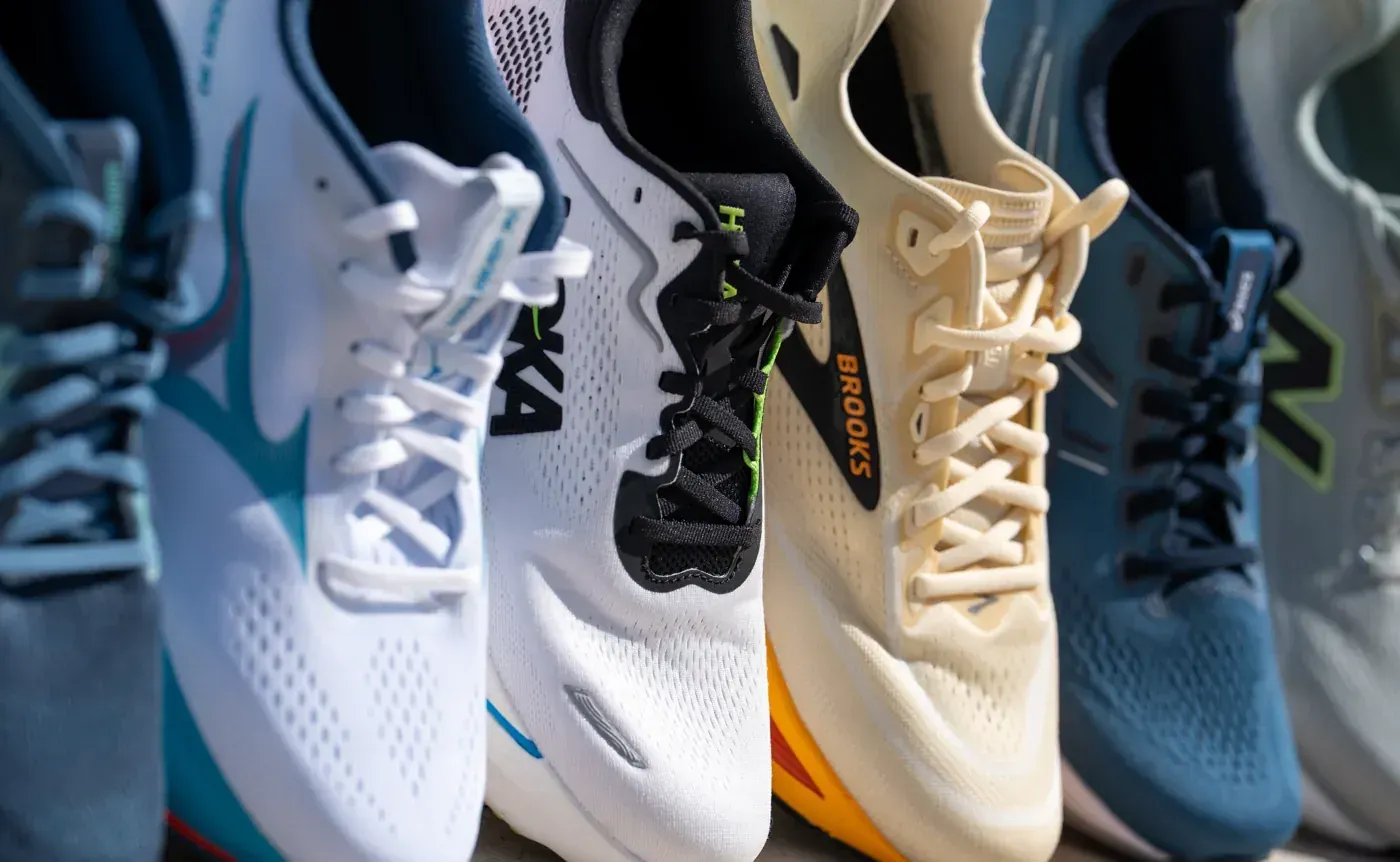
If the back of your heel is stiff every morning and aches when you push off, you're. likely dealing with Achilles tendinitis (also spelled tendonitis), and I'll tell you the same thing I say in every injury roundup I write: shoes don't cure it.
But this is one injury where shoes move the needle, because the Achilles tendon's workload is directly shaped by your shoe's geometry. The right drop and rocker measurably reduce the tension running through the tendon on every single stride; the wrong shoes keep yanking on it just as it's trying to heal.
I've dealt with Achilles tendinitis twice, and every shoe below comes from my personal review library, tested over real miles.
For the actual fix (the progressive loading plan that got me back both times), read my Achilles Tendinitis Recovery Roadmap; this roundup is its gear companion.
Achilles Tendinitis Recovery Roadmap For Runners
The exact recovery protocol that got me back to pain-free running after Achilles tendinitis, twice. Phase-by-phase loading plan, no filler.
 Alastair Dixon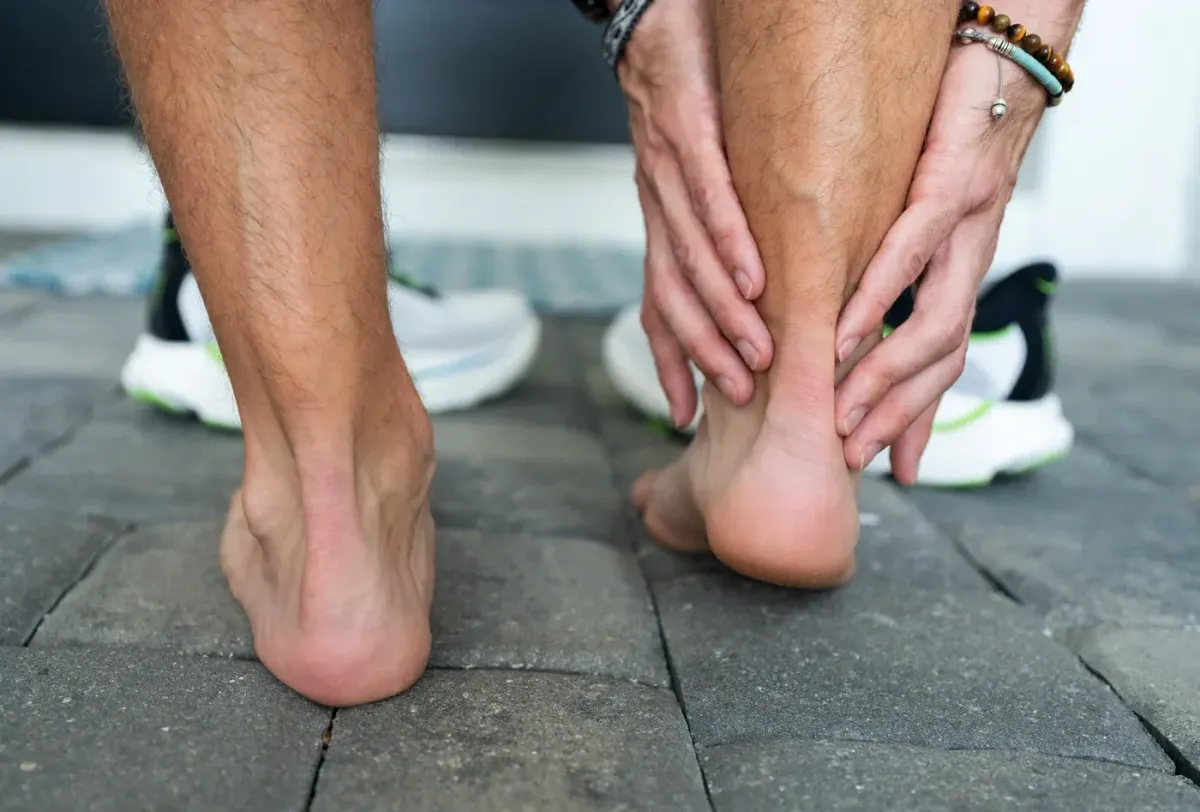
If you purchase gear through links in this article, I may earn a small affiliate commission. For my training tools, exclusive content, newsletter, and more perks become a member, (it's free!). -Alastair ✌🏼
What is Achilles tendonitis?
Achilles tendonitis is an overuse injury of the thick tendon that connects your calf muscles to your heel bone.
It loads with every push-off, so when training volume spikes, calves get tight, or a low-drop shoe suddenly asks it to stretch further on every stride, the tendon gets irritated and stiff.
There are two versions, and the difference matters for shoe choice.
Mid-portion tendonitis hurts a few centimeters above the heel bone; insertional tendonitis hurts right where the tendon attaches to the heel, and it's the one that gets aggravated by a stiff or high heel collar pressing on the sore spot.
The classic pattern is morning stiffness, pain that eases as you warm up, then a return after runs or long days on your feet. Mild cases settle in a few weeks; tendons heal slowly, so stubborn ones can run for months if you train through them.
Quick picks
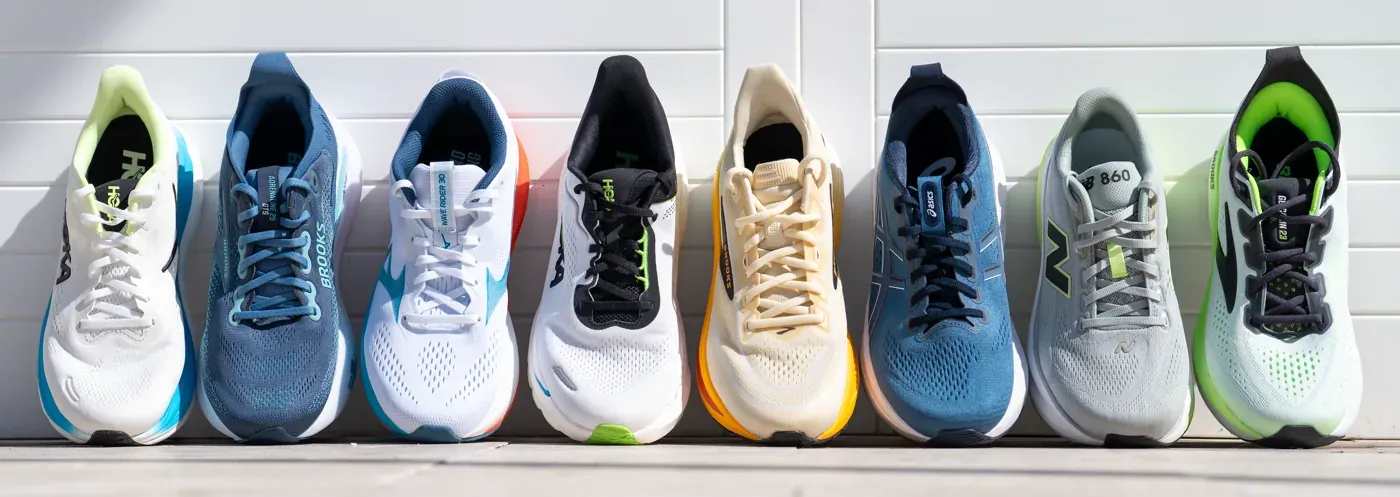
- Best overall: Brooks Ghost 18, 10mm drop, balanced cushion, the safest default while you recover
- Best stability: Brooks Adrenaline GTS 25, 10mm drop plus GuideRails for overpronators
- Best max-cushion neutral: Brooks Glycerin 23, heel-led plushness on an 8mm drop
- Best premium stability: ASICS Gel-Kayano 32, 8mm drop, PureGEL heel, APMA Seal of Acceptance
- Best rockered cruiser: Hoka Clifton 11, MetaRocker roll-through that babies the calf chain
- Best lightweight stability: Hoka Arahi 9, 8mm drop and H-Frame support at 9.7 oz
- Best width range: New Balance Fresh Foam X 860v15, Narrow through X-Wide, plush and planted
- Best plated daily trainer: Mizuno Wave Rider 30, full-length Wave Plate, 8mm drop, 9.3 oz

What to look for in a running shoe for Achilles tendonitis
The Achilles connects your calves to your heel bone and loads with every push-off, so shoe geometry matters here more than for almost any of the other running injuries.
Here's what I look for:
1 - A moderate-to-higher heel-to-toe drop; this is the big one
A higher drop (8mm minimum, 10mm better during a flare-up) shortens the tendon's working range and takes real tension off the calf-Achilles chain on every stride. Low and zero-drop shoes do the opposite, which is why they're one of the most common triggers.
I broke down the mechanics in my running shoe drops explainer, and it's also why this list looks different from my other injury roundups; more on that below.
Running Shoe Drops And Stack Heights Explained
This is how heel-to-toe differential and stack height can impact your running performance and comfort.
 Alastair Dixon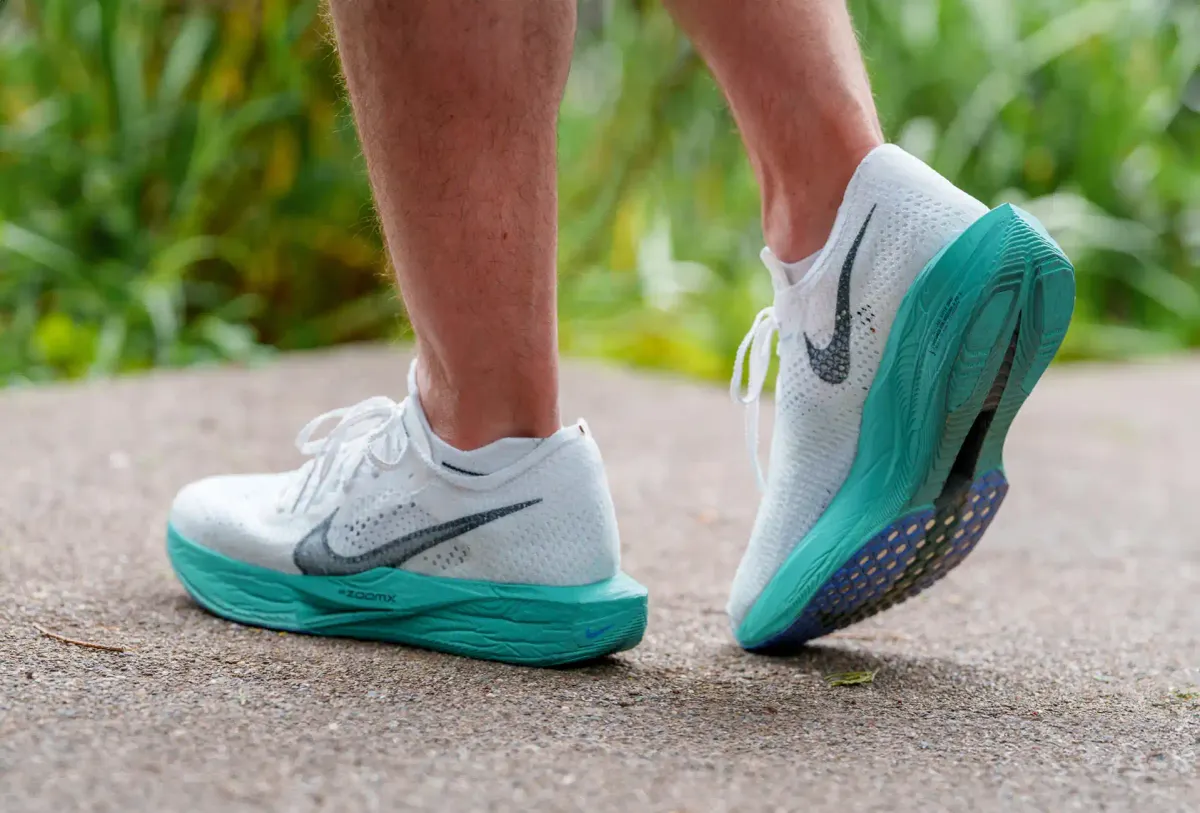
2 - Protective heel cushioning
Soft, substantial foam under the heel reduces the impact spike traveling up into the tendon, especially for heel strikers. It doesn't need to be marshmallow-soft; it needs to be consistent and deep enough that landings stay calm late in a run.
3 - Rocker geometry
A rockered sole rolls you from landing to toe-off with less ankle motion and less calf demand, which is exactly the work you're trying to take off the tendon. Several picks here lean on this heavily.
4 - Torsional rigidity and a stable base
A shoe that twists like a dishcloth makes your calf complex stabilize every stride. A stiffer, planted platform quiets that workload, which is why a plated daily trainer made this list.
5 - A heel collar that doesn't dig in
Achilles-specific and underrated; if your pain is insertional (right at the heel bone), a stiff or high collar pressing on the sore spot will torment you. Look for padded, well-shaped collars, and lace so the heel is locked without the collar biting.
6 - Nothing aggressive, nothing minimal
No zero-drop shoes and no carbon racers during recovery. Racers demand aggressive ankle mechanics; minimalist shoes maximize tendon stretch. Both are exactly wrong right now.
Best Stability Running Shoes 2026: 10 Tested Picks
The 10 best stability running shoes of 2026, tested over real miles. Modern guidance that steers without correcting, ranked by how they run.
 Alastair Dixon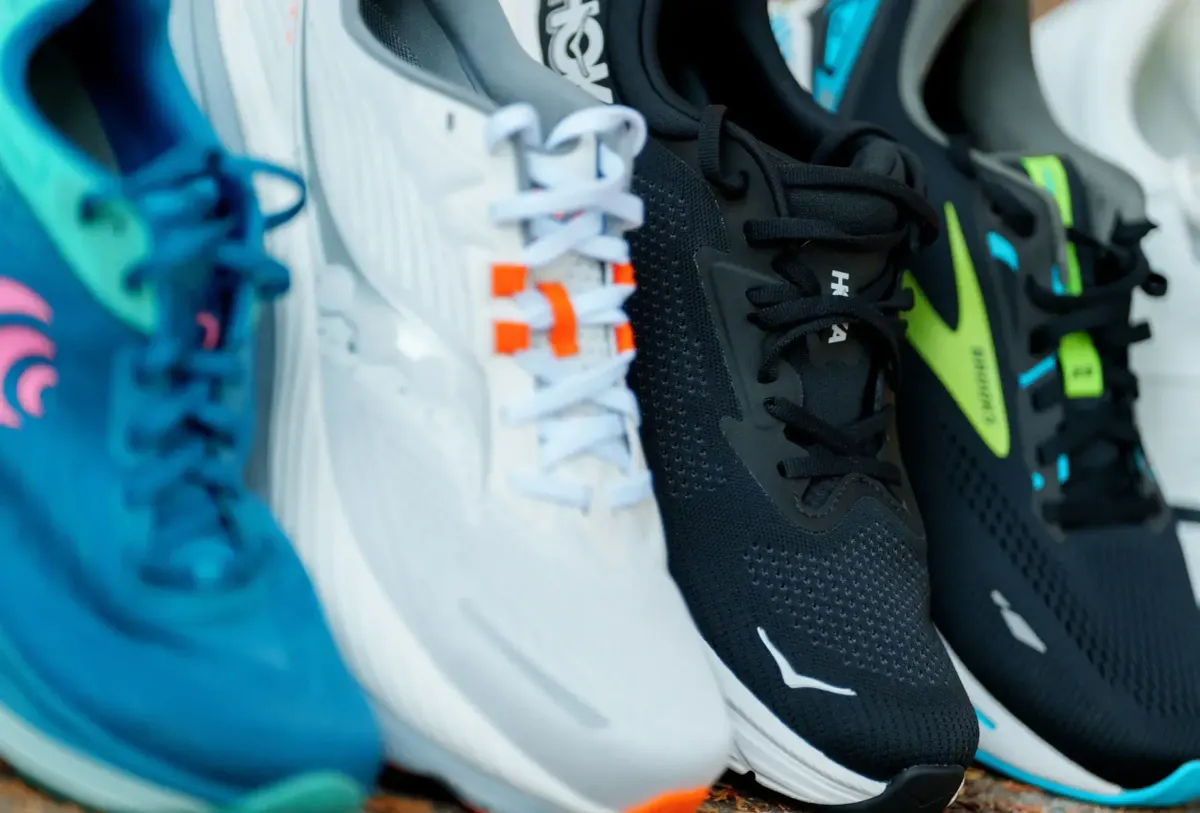
If you're not sure whether you also overpronate (which decides between the neutral and stability picks below), my best stability running shoes guide explains how to tell.
All weights listed are for a US men's size 9, my pairs.
1. Brooks Ghost 18: Best Overall
Price: $150 at Brooks
Brooks Ghost 18 review: softer, smoother, more refined
I tested Brooks’ best-selling daily trainer in Florida heat to see if the new upper, tongue, and ride upgrades live up to the Ghost name.
 Alastair Dixon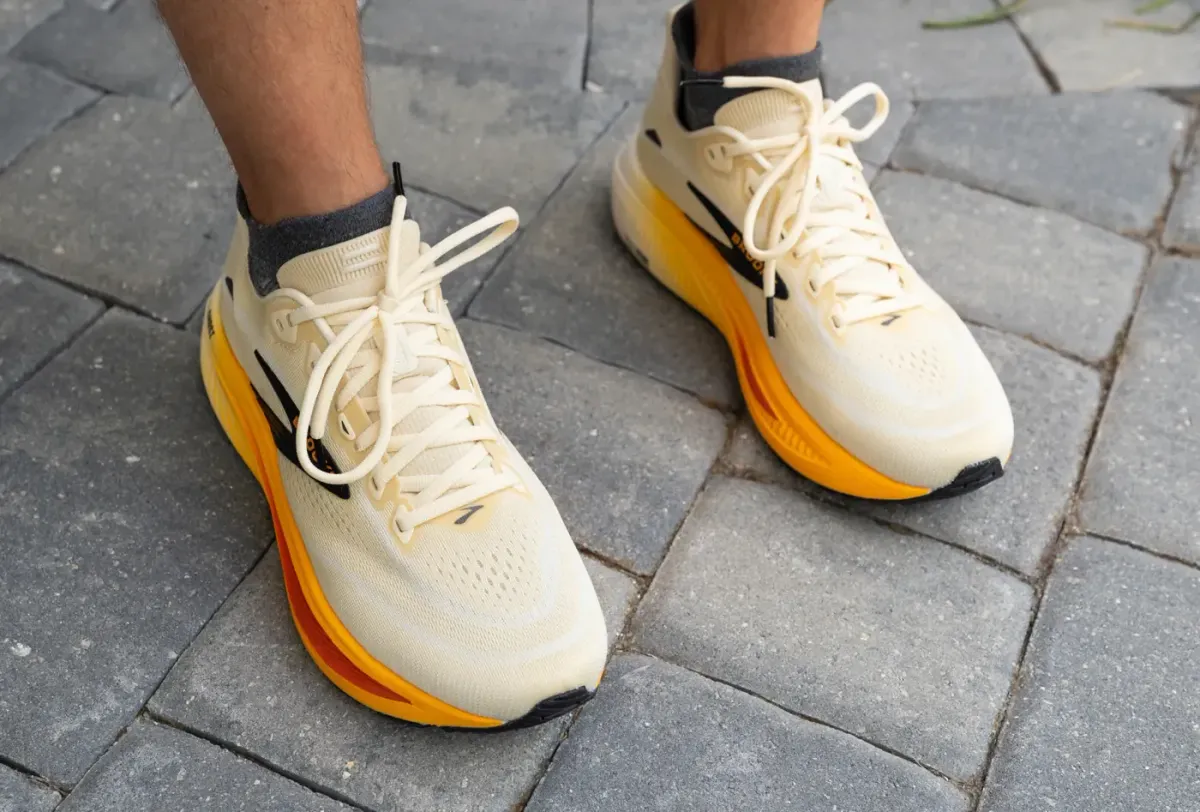
Stack: 36mm heel / 26mm forefoot · Drop: 10mm · Weight: 10.6 oz (301g) · Best for: Neutral runners who want the safest, most protective default while the tendon heals
The Ghost 18 is my best overall pick for the simplest reason on this page; it pairs a 10mm drop with excellent heel shock absorption, and those are the two features that matter most for an angry Achilles.
It rides softer and lower-feeling than its spec sheet suggests, DNA Loft v3 stays predictable deep into longer runs, and nothing about the shoe asks anything of your calves. Heel strikers, which most runners nursing an Achilles should temporarily be, will feel right at home, and the new upper breathes meaningfully better than before.
The refined heel counter locks down without feeling restrictive and sits comfortably around the Achilles, which is exactly the collar behavior an insertional case needs. It comes in Narrow, Standard, Wide and Extra Wide.
Buy them for: neutral daily miles during and after recovery, heel strikers, anyone who wants a no-fuss workhorse. Skip them if: you overpronate (the Adrenaline is the same recipe with guidance), or you have a high-volume forefoot and don't want to size into the 2E/4E widths.
2. Brooks Adrenaline GTS 25: Best Stability
Price: $155 at brooksrunning.com
Brooks Adrenaline GTS 25 review: softer cushioning, roomier fit, same reliable support
Comfort meets consistency but this one’s more of a side-step than a leap forward.
 Alastair Dixon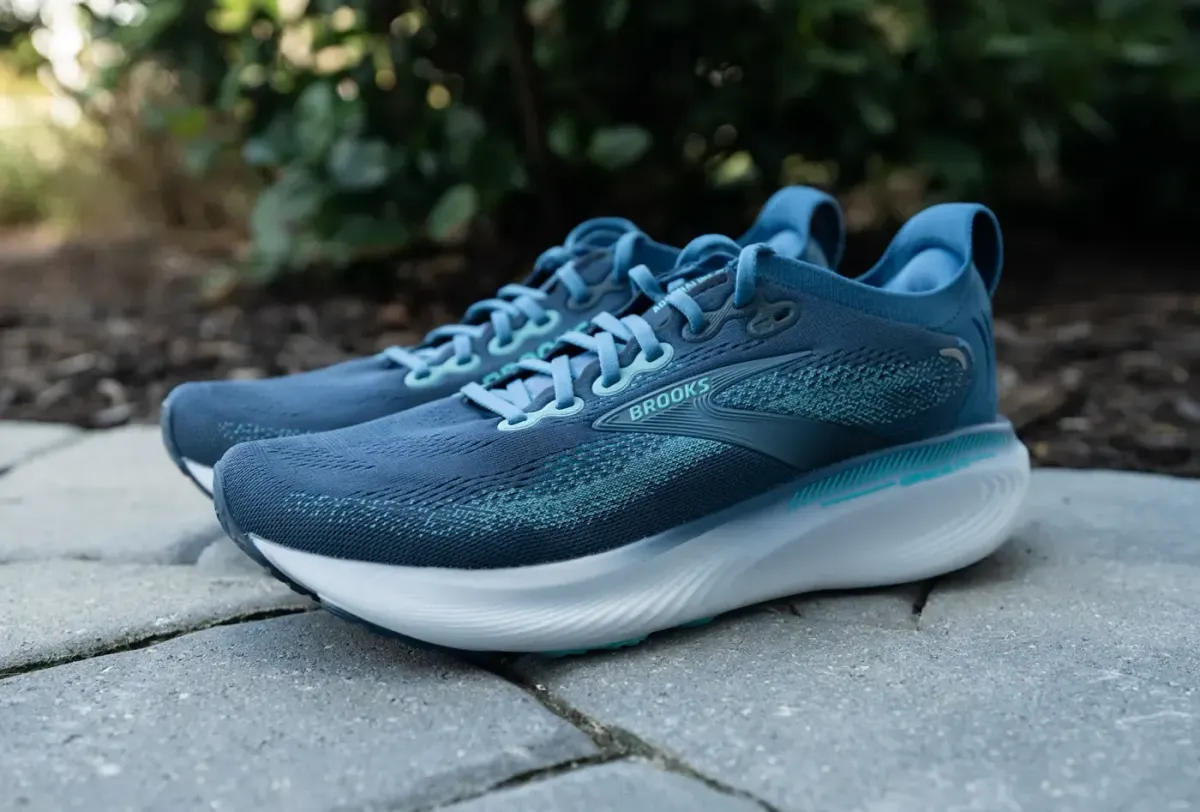
Stack: 37mm heel / 27mm forefoot · Drop: 10mm · Weight: 10.2 oz (289g) · Best for: Overpronators who want the highest-drop support shoe available
Same 10mm drop as the Ghost, same DNA Loft v3 foam, plus GuideRails support that steers a drifting gait without overcorrecting.
That matters for the Achilles because overpronation twists load through the whole lower leg, and a tired, compensating stride is precisely how tendons get overworked.
The 25 added foam front and back over the previous version, the heel is firm and well-structured, and the whole package is as predictable as running shoes get. Boring is the brief when a tendon is healing.
Buy them for: overpronation, guided daily miles, the classic stability formula on the highest drop here. Skip them if: you're neutral (get the Ghost), or you want any excitement from the foam.
3. Hoka Clifton 11: Best Rockered Cruiser
Price: $150 at hoka.com
Hoka Clifton 11 Review: Smoother, Lighter Daily Trainer
The Hoka Clifton 11 refines the Clifton 10 with a lighter build, softer sockliner, and a smoother ride. My take after testing them for easy miles.
 Alastair Dixon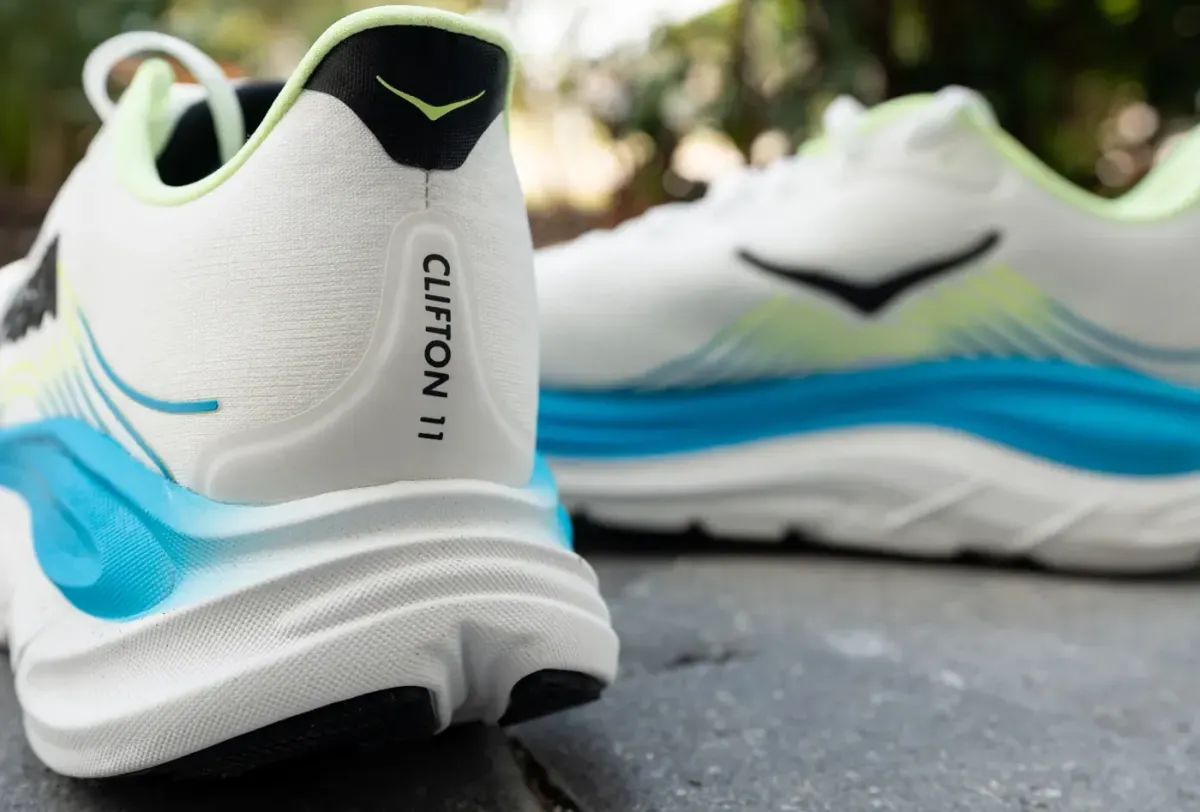
Stack: 42mm heel / 34mm forefoot · Drop: 8mm · Weight: 9.1 oz (258g) · Best for: Runners who want the rocker to do the calf's work on easy miles
The Clifton 11 earns its spot through geometry: a big 42mm heel stack, an 8mm drop, and Hoka's MetaRocker rolling you from landing to toe-off with minimal ankle motion. That roll-through is precisely the offloading a sore Achilles wants, and at 9.1 oz the Clifton adds less swing weight than anything else at this stack height.
It's an easy-pace specialist, which during recovery is a beneficial feature; this shoe will not tempt you into the tempo run you shouldn't be doing. It breathes well in heat, and wide options exist.
Buy them for: neutral easy and recovery miles, rocker fans, hot-climate runners. Skip them if: you overpronate (that's the Arahi below), or your rough-road mileage will chew the exposed midfoot foam.
4. Brooks Glycerin 23: Best Max-Cushion Neutral
Price: $175 at brooksrunning.com
Brooks Glycerin 23 review: a more forgiving forefoot, same heel-led cruise feel
The ride feels more refined and more forgiving up front, but it remains a heel-led, cruise-focused trainer for new runners.
 Alastair Dixon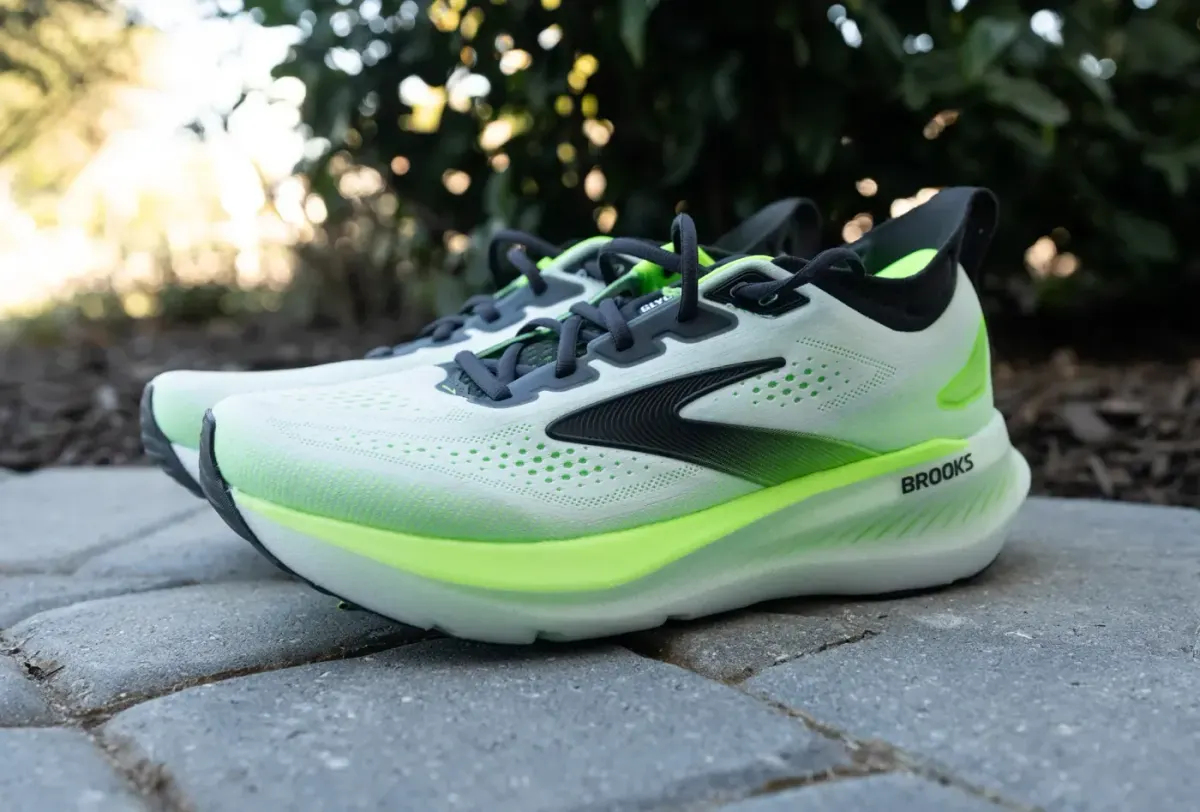
Stack: 38mm heel / 30mm forefoot · Drop: 8mm · Weight: 10.7 oz (303g) · Best for: Neutral heel strikers who want their landings pampered
The Glycerin 23's ride is distinctly heel-led; DNA Tuned foam uses larger nitrogen cells in the heel for soft landings and smaller cells up front for a firmer toe-off. For a recovering Achilles, that architecture is almost suspiciously convenient, since the plushness lives exactly where you want the impact absorbed.
The heel bevel smooths the transition, the platform is calm and planted for a neutral max-cushion shoe, and the 8mm drop keeps calf tension in the protective range. The collar and tongue are the plushest on this list, which insertional cases will appreciate. If you sit between neutral and mild overpronation, the Glycerin GTS variant adds GuideRails to the same platform.
Buy them for: neutral gait, premium cushioning, long easy miles while rebuilding. Skip them if: you overpronate (Glycerin GTS or Kayano), or $175 stings.
5. ASICS Gel-Kayano 32: Best Premium Stability
Price: $165 at REI
ASICS Gel-Kayano 32 review: Smooth stability, plush comfort refined
ASICS’ flagship stability shoe evolves with a livelier ride, adaptive support, and max-cushioned comfort for long miles, recovery jogs, all day wear.
 Alastair Dixon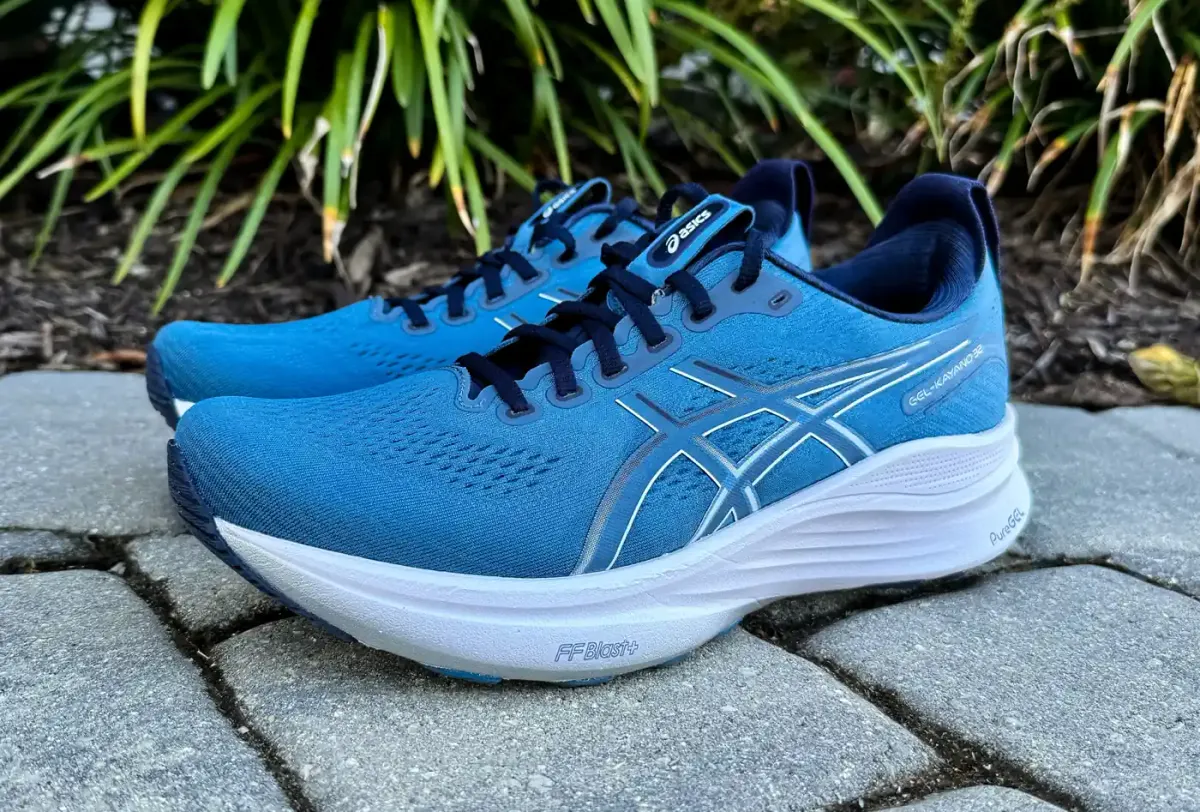
Stack: 40mm heel / 32mm forefoot · Drop: 8mm · Weight: 10.5 oz (298g) · Best for: Overpronators who want maximum structure, cushioning, and podiatrist credentials
The Kayano 32 brings the most complete structure on this list; adaptive 4D Guidance support, high torsional rigidity so your lower-leg stabilizers aren't fighting the shoe, a deep heel cup, and PureGEL sitting directly under the heel to absorb the impact your tendon would otherwise field. It carries the APMA Seal of Acceptance, and it doubles as a very good standing and walking shoe for the rest of your day.
Notably, ASICS reached the 8mm drop by adding forefoot foam rather than cutting the heel, so the protection came along for the ride. The toe box runs snug laterally; broader feet should go wide or extra-wide.
Buy them for: overpronation, premium max-cushion support, heavier runners, all-day wear on tender legs. Skip them if: you're neutral, or you want a light shoe.
6. Hoka Arahi 9: Best Lightweight Stability
Price: $155 at hoka.com
Hoka Arahi 9 Review: Cooler, Softer, Same Smooth Ride
I tested the Hoka Arahi 9; weighing in at 9.7 oz in a US 9, it has a cooler upper, slightly softer ride, and the Arahi 8’s smooth roll left intact.
 Alastair Dixon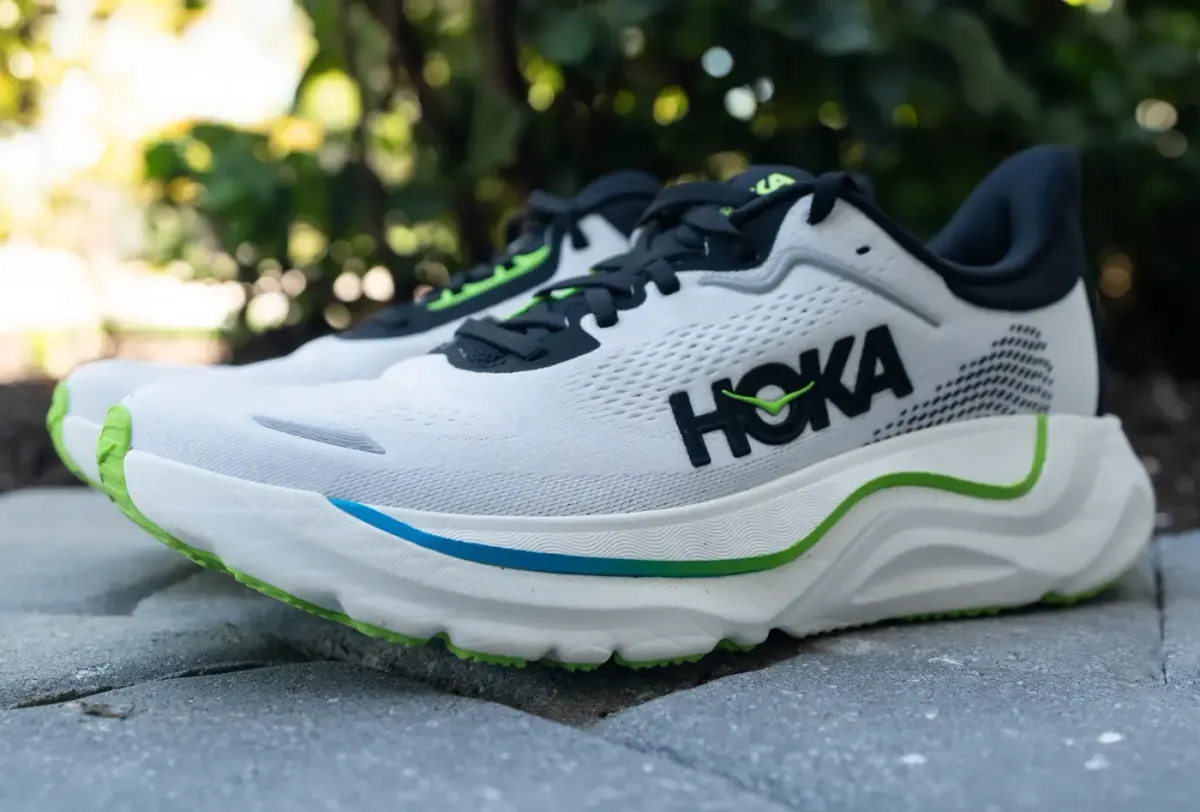
Stack: 39mm heel / 31mm forefoot · Drop: 8mm · Weight: 9.7 oz (275g) · Best for: Overpronators who want rockered support without a heavy shoe
The Arahi 9 pairs an 8mm drop and a smooth MetaRocker transition with an enhanced H-Frame that works like a quiet support net, engaging most when fatigue sets in, which is exactly when a protective gait falls apart.
It's the lightest support option here, and version 9 softened the dual-density CMEVA a step, particularly at the heel, so late-run landings are kinder than any Arahi before it.
The other change worth knowing is the upper: the new engineered mesh breathes properly, so the old Arahi heat problem is gone. The trade-off against the max-stack picks is cushioning depth; it's balanced rather than plush, so severe cases wanting maximum protection should look at the Kayano or Glycerin first.
Buy them for: overpronation, lighter-feeling guidance, hot climates, the late-rehab return to varied paces. Skip them if: you want maximum cushioning, or your form breaks down badly enough that you need the Gaviota's deeper platform once you're back to lower drops.
7. New Balance Fresh Foam X 860v15: Best Width Range
Price: $150 at New Balance
New Balance Fresh Foam X 860v15 review: the plush stability daily trainer reinvented
More cushion, a refined Stability Plane, and a seriously comfortable ride but is the extra weight worth it for your training?
 Alastair Dixon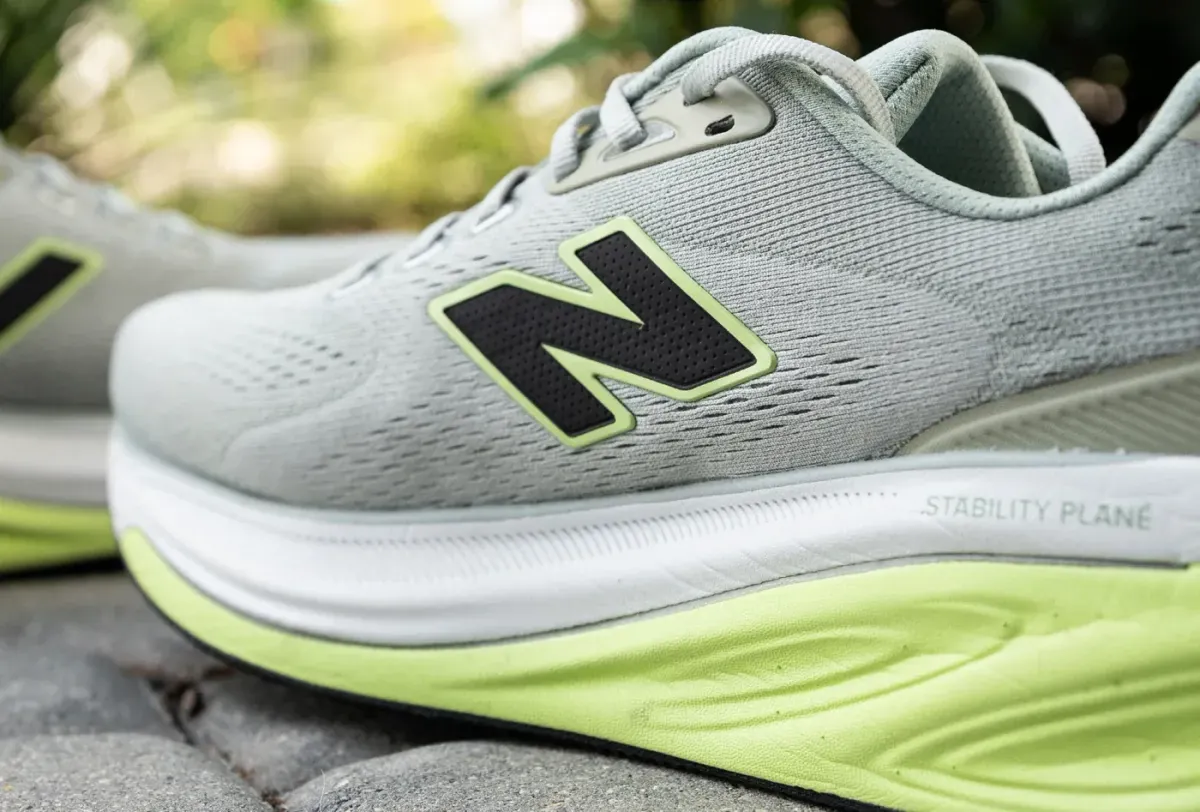
Stack: 43mm heel / 35mm forefoot · Drop: 8mm · Weight: 11.5 oz (326g, my 2E wide pair) · Best for: Runners who need widths, plushness, and a walking double-duty shoe
The 860v15 stacks 43mm of dual-density Fresh Foam X under the heel (soft absorptive top layer, firmer supportive base), adds a gentle Stability Plane and rocker geometry, and wraps it all in the deepest width range on this list: Narrow, Standard, Wide, and X-Wide.
Fit compensations travel straight down the chain to a healing tendon, so that range matters more than it sounds.
It's heavy and it knows it, but as a plush, planted workhorse for steady rebuilding miles and long days on your feet, it's superb value.
Buy them for: width needs, mild overpronation, plush protected miles, walking double-duty. Skip them if: weight bothers you, you run in serious heat, or you want any pace versatility.
8. Mizuno Wave Rider 30: Best Plated Daily Trainer
Price: $150 at mizuno.com
Mizuno Wave Rider 30 Review: The Best Rider Yet (2026)
In-depth review of the Mizuno Wave Rider 30: softer, smoother ride with a full-length Wave Plate, new 8mm drop, and upgraded knit upper. The best daily trainer in this line yet.
 Alastair Dixon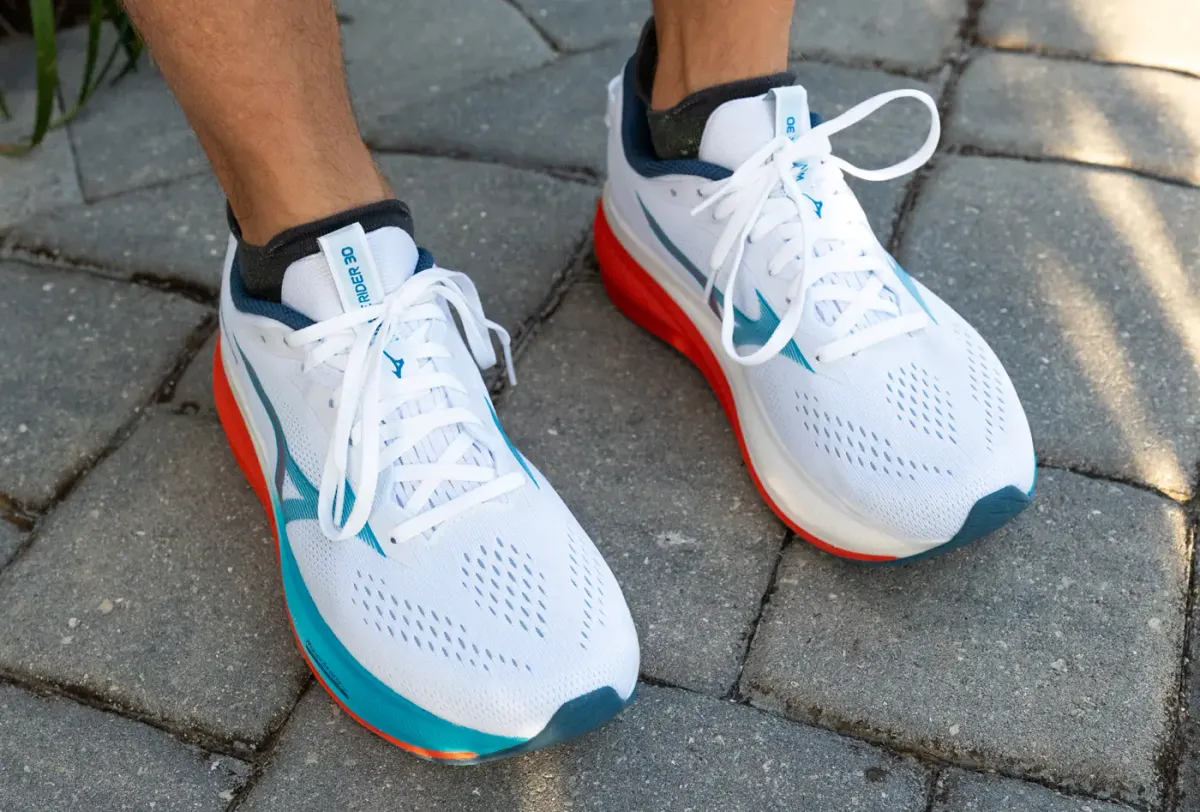
Stack: 42.5mm heel / 34.5mm forefoot · Drop: 8mm · Weight: 9.3 oz (264g) · Best for: Runners who want torsional structure and a smooth heel-to-toe flow in a light, durable trainer
The Wave Rider 30 is here for criterion number four. Its Wave Plate now runs full-length, and that gives the shoe the kind of torsional rigidity a healing calf chain loves; the platform doesn't twist under you, so your stabilizers stop working overtime on every landing, and the whole stride ties together from heel-strike to toe-off.
Around that plate sits soft, protective ENERZY NXT foam, an 8mm drop, and collars with so much padding they're dreamy to step into, which is a real plus for insertional cases. At 9.3 oz it's light for a fully cushioned trainer, the engineered knit breathes well, and the X10 outsole will outlast your rehab several times over. It's an easy-to-moderate pace shoe, and it crosses over to all-day walking without complaint.
Buy them for: plated stability without a stability shoe, light protected miles, durability, work-and-walk double duty. Skip them if: you need real pronation control, or you want a plush sink-in feel rather than a smooth, structured one.
Why the Bondi, Gaviota, and Hurricane aren't on this list
Sharp-eyed readers of my plantar fasciitis roundup will notice its headliners are missing here, and that's deliberate.
Best Running Shoes For Plantar Fasciitis (2026): 8 Tested Picks
Shoes don’t cure plantar fasciitis but the wrong ones keep you stuck in this injury cycle. My 8 tested picks for heel pain, from the Kayano 32 to the Bondi 9, plus what actually helps recovery.
 Alastair Dixon
The Bondi 9 (5mm), Gaviota 6 (6mm), and Hurricane 26 (6mm) are wonderful shoes whose deep cushioning offsets their lower drops for heel pain at the bottom of the foot.
The Achilles is different: drop acts directly on the calf-tendon lever, so I hold the 8mm line here, and prefer 10mm during an active flare-up. Once you're fully recovered and rebuilding, lower-drop shoes come back on the menu gradually; my running shoe drops explainer covers how to transition without ending up back on this page.
Fit notes for women and men
The criteria don't change by gender; the fit does, however.
Women typically have a narrower heel relative to the forefoot, so a women's-specific last matters for locking the heel, and a slipping heel means the calf grips and compensates on every stride, which is the last thing a sore tendon needs.
The women's Ghost 18, Adrenaline GTS 25, and 860v15 are all built on true women's lasts in multiple widths (the 860v15 runs Narrow through X-Wide), and the Kayano 32 and Clifton 11 come in wide for both.
For men, the same picks lead: Ghost 18 or Adrenaline GTS 25 for the highest drop here, Kayano 32 for structured premium support, and the 860v15 if width is the problem.
Best running shoes for heavy runners in 2026 (tested)
Cushioned, stable, and durable picks for bigger runners, tested and reviewed by a runner who knows what actually matters underfoot.
 Alastair Dixon
Heavier runners should favor the Kayano 32, Glycerin 23, and 860v15, whose wide bases and deep heel cushioning handle repeated impact best; the lighter Arahi 9 and Wave Rider 30 suit lighter runners or mild, improving cases.
Can you run with Achilles tendonitis at all?
Sometimes, and it's actually part of the rehab when it's done right, because tendons need load to heal.
The rule runners and physical therapists use is: if pain stays at roughly 3 out of 10 or below during the run, doesn't climb as you go, and is no worse the next morning, easy running on a high-drop shoe from this list is usually fine.
If pain builds during the run, changes your stride, or the morning stiffness is worse the day after, that's your signal to drop back to walking and the loading work for a few days.
Cross-training that unloads the tendon (cycling, swimming, the elliptical) keeps fitness without the repetitive push-off, and walking in any of these shoes is fine throughout.
Shoes help, loading heals
Same honesty as always; these shoes reduce the strain on your Achilles, but tendons heal through progressive loading, not footwear.
Isometrics, then eccentric calf work matched to whether your pain is mid-portion or insertional, then a gradual return to running.
The full phase-by-phase protocol, including the insertional modifications that most articles skip, is in my Achilles Tendinitis Recovery Roadmap. Pick one shoe from this list that matches your gait, run the roadmap alongside it, and give the tendon the weeks it actually needs.
A small extra trick while symptoms are active; a slim heel lift in both shoes (especially for insertional cases) adds a temporary drop boost to whatever you're wearing. It's a bridge, not a fix.
How I picked these
I run in every shoe I review. For this list I started from the geometry that matters for the Achilles (drop first, then heel cushioning, rocker, torsional rigidity, and collar comfort) and only included shoes from my personal review library so I can speak to how they behave over real miles.
Anything below an 8mm drop, anything minimal, and anything with racing geometry didn't make the cut, regardless of how good it is at its own job.
If your pain is at the bottom of the heel rather than the back, you're on the wrong page; that's plantar fasciitis, and my best running shoes for plantar fasciitis roundup covers it.
Best Running Shoes For Plantar Fasciitis (2026): 8 Tested Picks
Shoes don’t cure plantar fasciitis but the wrong ones keep you stuck in this injury cycle. My 8 tested picks for heel pain, from the Kayano 32 to the Bondi 9, plus what actually helps recovery.
 Alastair Dixon
Shin pain is a different injury again, covered in my best running shoes for shin splints roundup.
Best Running Shoes For Shin Splints (2026): 6 Tested Picks
Shoes don’t fix shin splints, but the wrong ones make it worse. My six tested picks for runners dealing with MTSS, plus what actually helps recovery
 Alastair Dixon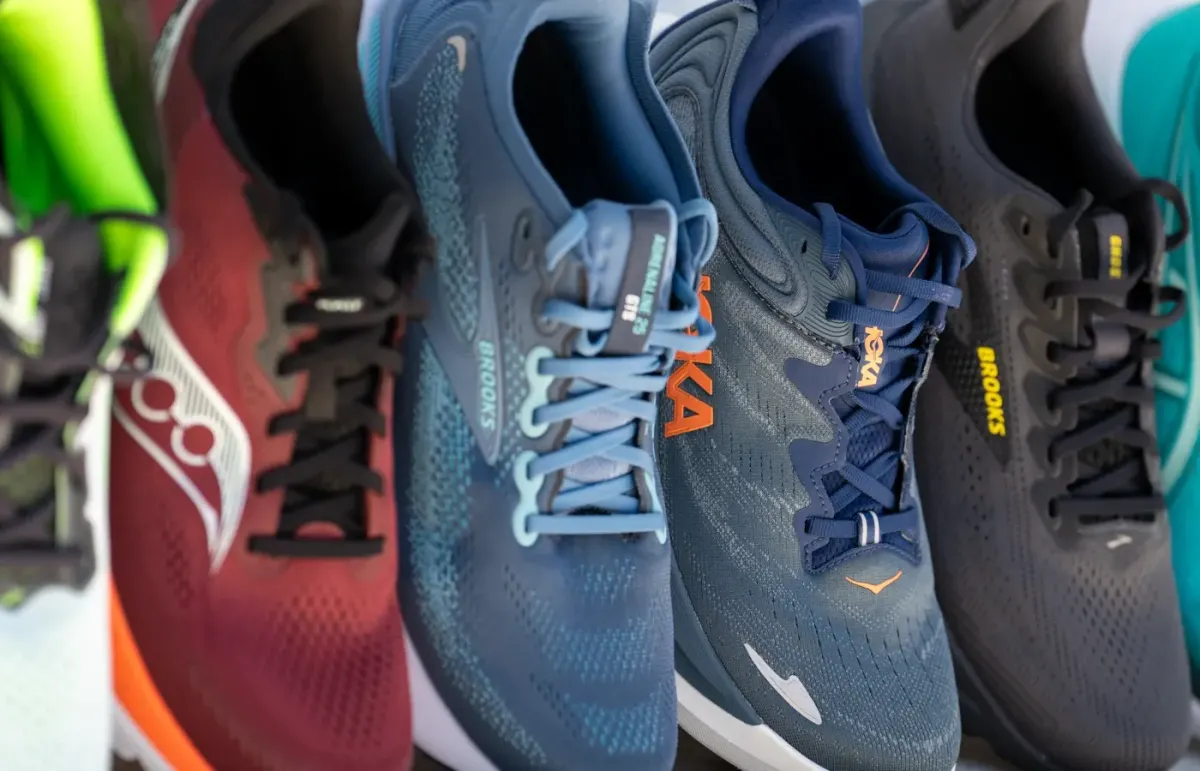
For everything else I've tested, my best running shoes guide is the master list.
Best Running Shoes 2026: 10 Picks I Actually Train In
The 10 best running shoes of 2026, every one tested over real miles by me. Daily trainers, race-day picks, stability, and trail shoes that earn it.
 Alastair Dixon
Frequently asked questions
Are Hoka shoes good for Achilles tendonitis? Selectively. Hoka's rocker geometry helps by reducing ankle motion through the stride, but many Hokas run low drops. The Clifton 11 and Arahi 9 at 8mm are the sweet spot; the 5mm Bondi is better saved for after recovery, and the fast low-stack models (Mach, Cielo) should wait entirely.
Are Brooks shoes good for Achilles tendonitis? Yes, arguably the best major brand for it, because Brooks still builds proper 10mm platforms. The Ghost 18 and Adrenaline GTS 25 are the two highest-drop shoes on this list, and the Glycerin 23's heel-led cushioning suits sore tendons beautifully.
Should I use heel lifts for Achilles tendonitis? As a short-term tool, yes you can, particularly for insertional cases; a small lift in both shoes reduces the tendon's working stretch while it calms down. Wean off them as your loading work progresses so the tendon re-adapts to full range.
Are zero-drop shoes bad for Achilles tendonitis? During an active flare-up, unambiguously yes; they maximize the stretch on the calf-Achilles chain, and an abrupt switch to them is one of the most common triggers in the first place. After full recovery, some runners return to low-drop shoes successfully, but only over months of gradual adaptation.
Do I need a stability shoe for Achilles tendonitis? Only if you overpronate. Drop and heel cushioning matter more than support for this injury, so a neutral shoe like the Ghost 18 or Wave Rider 30 is the right default; switch to the Adrenaline, Kayano or Arahi if your gait drifts inward or your form collapses on tired legs.
If you haven't already, signup for my free newsletter, and subscribe to my YouTube Channel for all the latest running shoe reviews. 👉🏼 And for an inside look at what comes into my studio with unboxings, lace up reels, behind the scenes, and short form reviews, follow me on Instagram, and TikTok. -Alastair
Written by

Subscribe to new posts
reviews, training tips, and thoughtful stories for runners






Member discussion