
Brooks Ghost 18 review: a refined take on the do-it-all daily trainer
I tested Brooks' best-selling daily trainer in Florida heat to see if the new upper, tongue, and ride upgrades live up to the Ghost name.

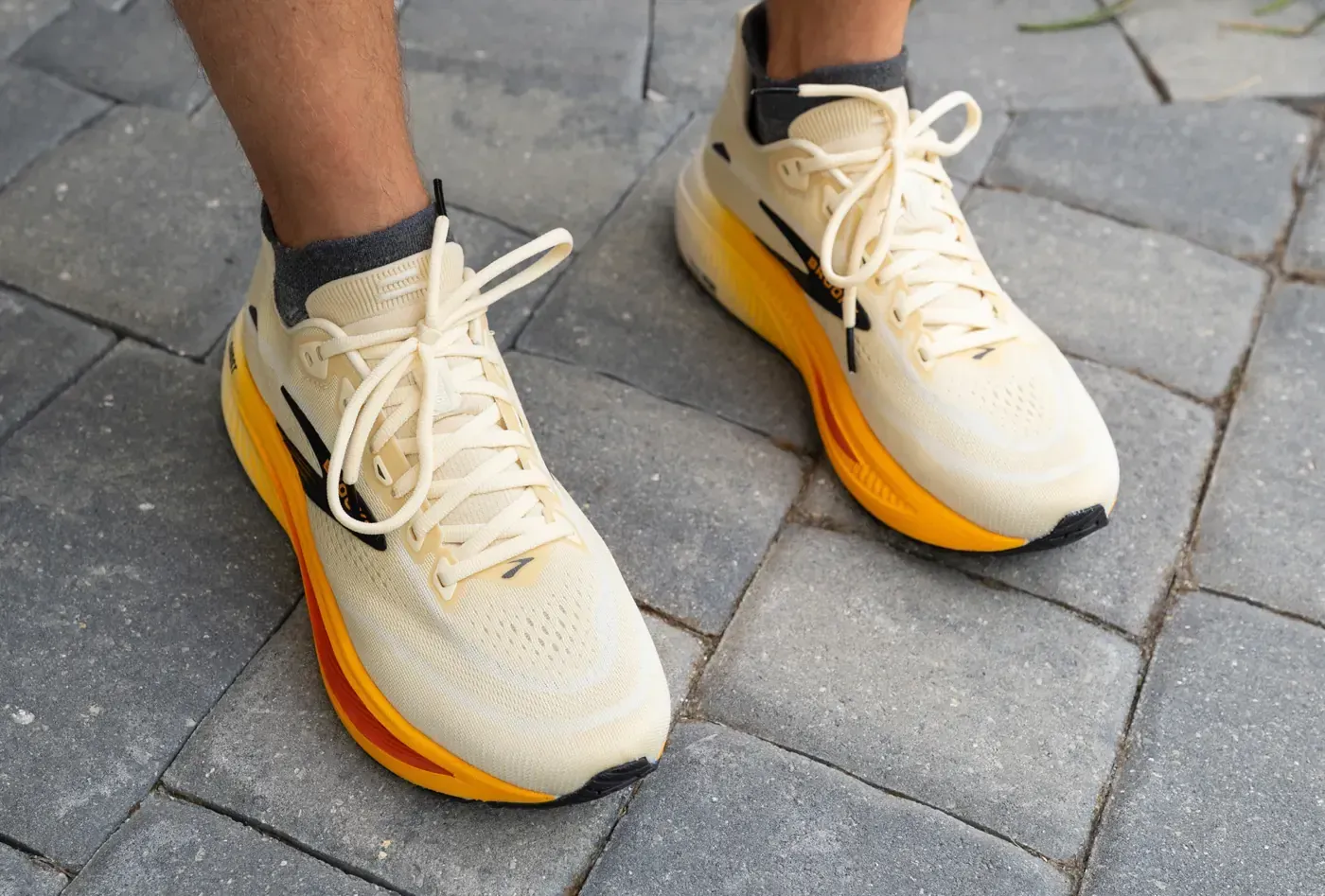
Brooks doesn't mess with the Ghost very often, because it's one of those shoes that's earned the right to evolve slowly rather than chase trends.
The Ghost 18 is the latest version of Brooks' long-running neutral daily trainer, the shoe most people default to when they want something dependable. I tested it here in Sarasota through hot, humid road miles, in the Rutabaga/Tigerlily/Orange Air colorway, with the previous Ghost 17 fresh enough in memory to make a direct comparison fair.
My short take is that Brooks didn't touch the parts of this shoe that already worked, just the bits that needed refinement. The result is a Ghost that feels more comfortable on foot, and on the run itself, a little softer and with a lower feeling drop underfoot than I expected from the spec sheet.
If you purchase gear through links in this article, I may earn a small affiliate commission. For my training tools, exclusive content, newsletter, and more perks become a member, (it's free!). -Alastair ✌🏼
Key specifications
- Price: $150 at Brooks
- Weight: 10.6 oz / 301 g (self-weighed, US men's 9).
- Drop: 10 mm (36 mm heel / 26 mm forefoot stack height)
- Upper: Two-color engineered air mesh, flat-knit pillow tongue, Ortholite X-60 sockliner
- Midsole: DNA Loft v3, nitrogen-infused foam
- Outsole: RoadTack rubber
- Extra attributes: Available in Narrow, Standard, Wide (2E), and Extra Wide (4E); removable insole; reflective heel accent for low-light visibility
The Best Running Shoe Finder 2026
Answer 5 quick questions and get matched to the best running shoe for your training style, ride preference, and foot shape. Updated to v5.5 May 2026
 Alastair Dixon
Sizing and fit
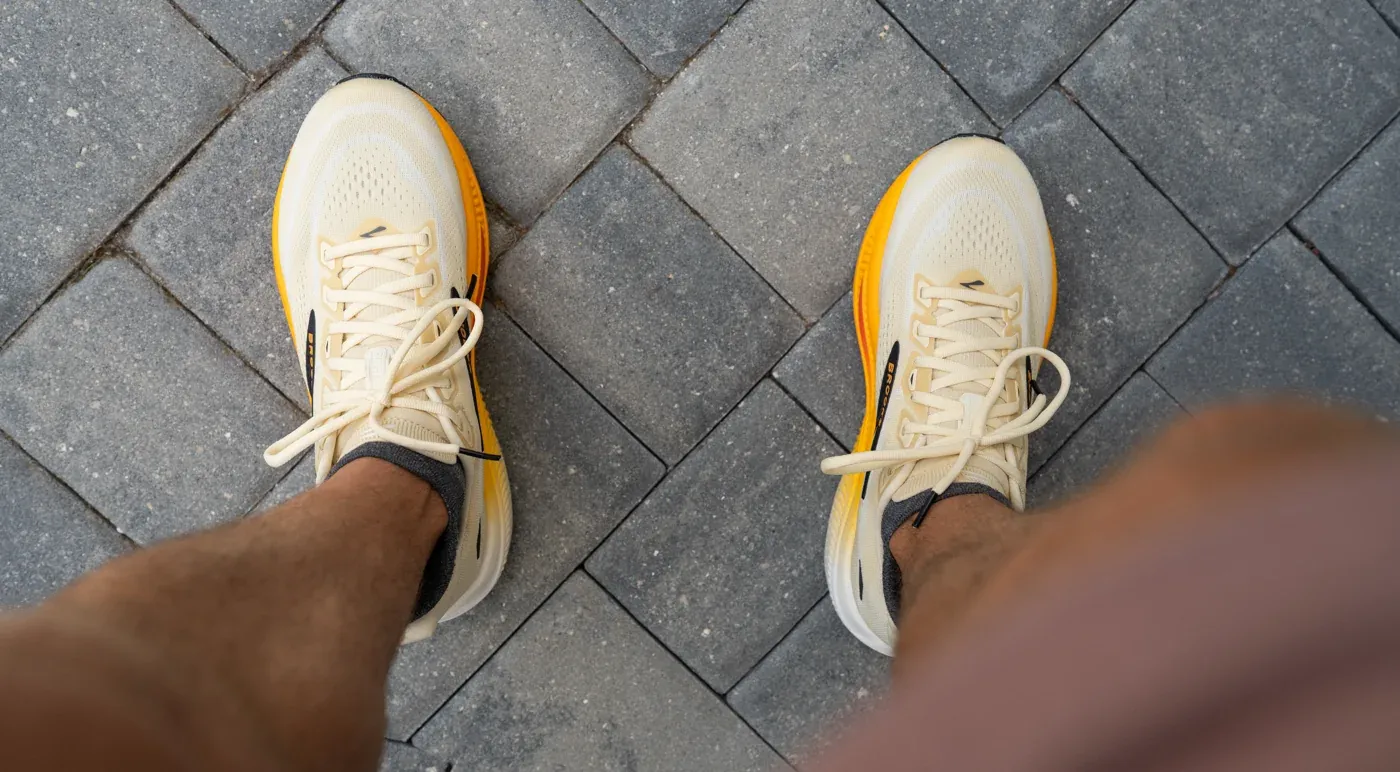
The Ghost 18 runs true to size in length, and step-in comfort is noticeably better than the 17 thanks to the new tongue and sockliner.
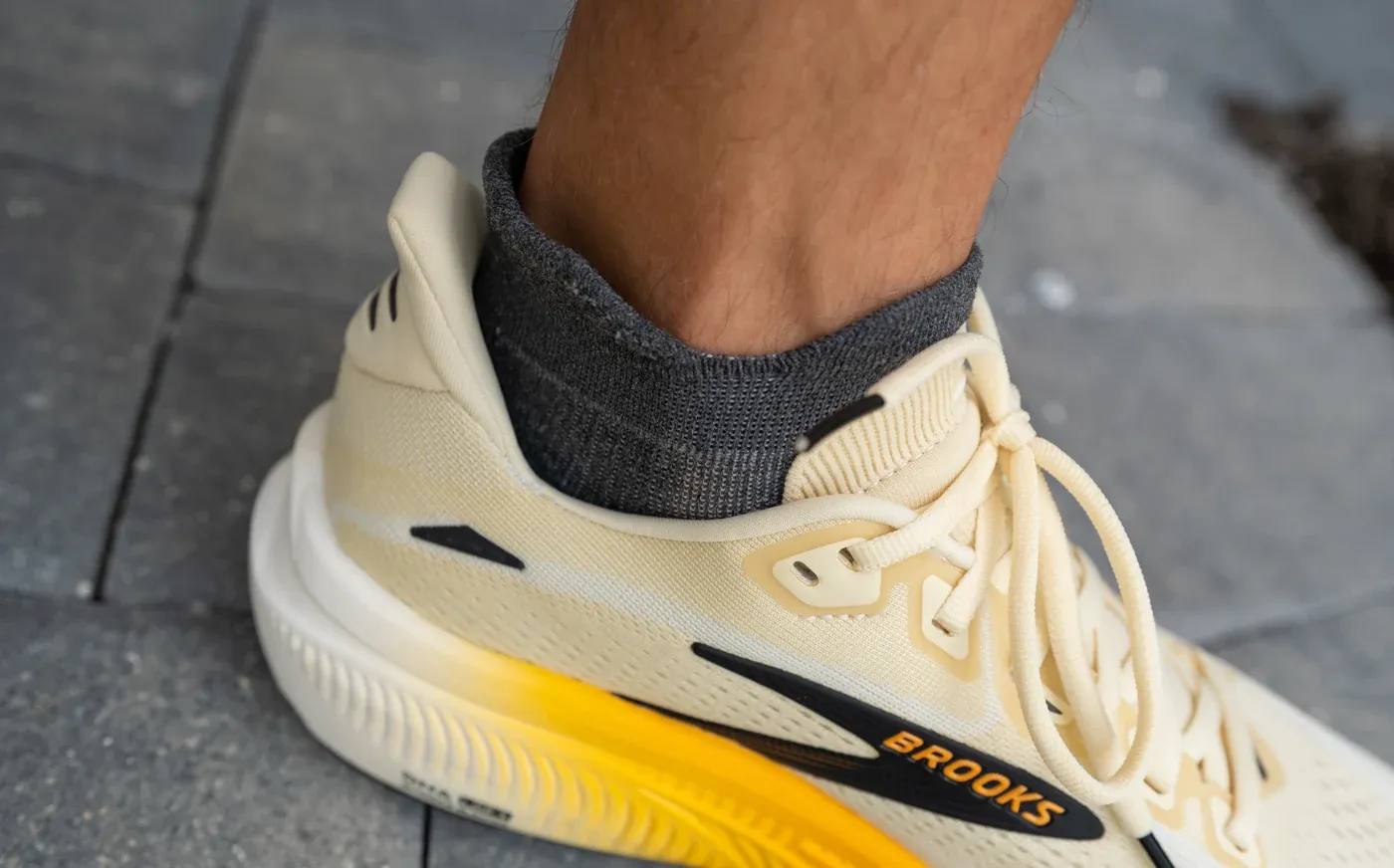
Heel lockdown is secure without feeling tight, which should resolve any slipping you may have had in the previous version.
One thing to note is that the forefoot runs a touch tapered, so if you've got a wider or higher-volume foot, try the Wide (2E) or Extra Wide (4E) before assuming the standard width is right for you.
Performance review
A softer, lower-feeling ride
This is the part that genuinely surprised me. On paper, the Ghost 18 keeps the same 10 mm drop and identical stack height as the 17.
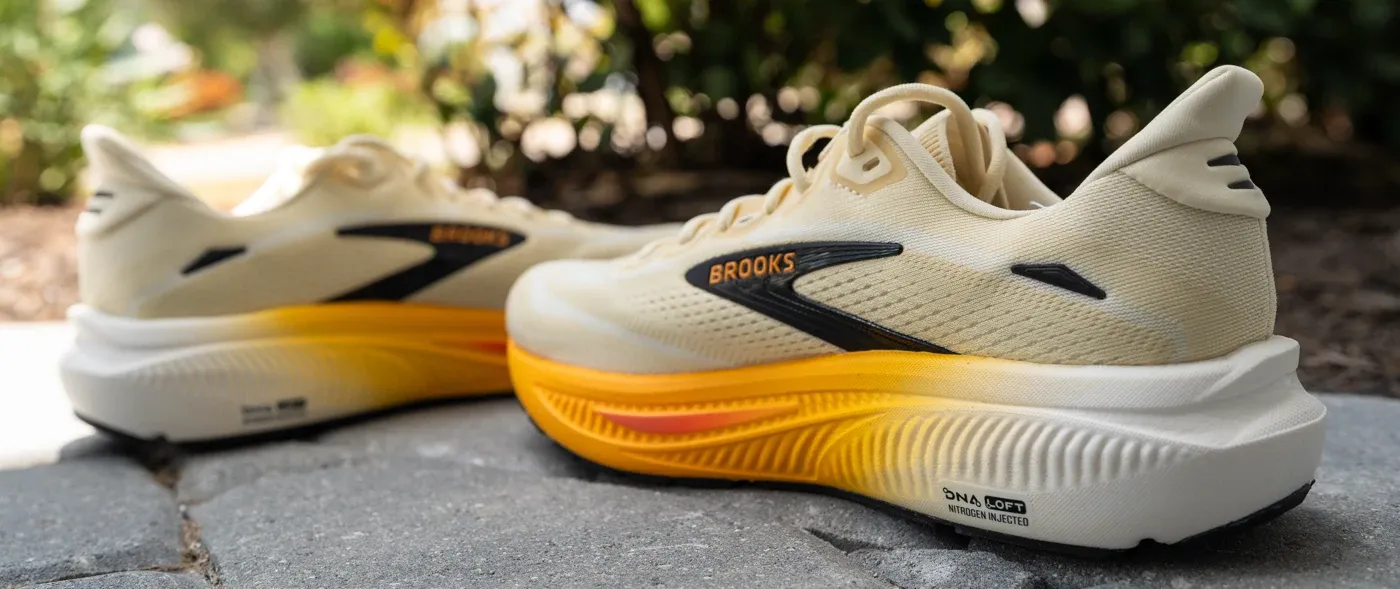
But underfoot, it doesn't ride that way. Something about the way the DNA Loft v3 compresses and the way the new upper sits on the foot makes the whole platform feel lower at the heel and more planted than the numbers imply, and a little softer at the same time.
I'm not entirely sure which single change is responsible, but the combined effect is a shoe that feels more natural and more comfortable in motion than its predecessor, even with very similar geometry on the spec sheet.
Smooth, balanced cushioning that holds up over distance
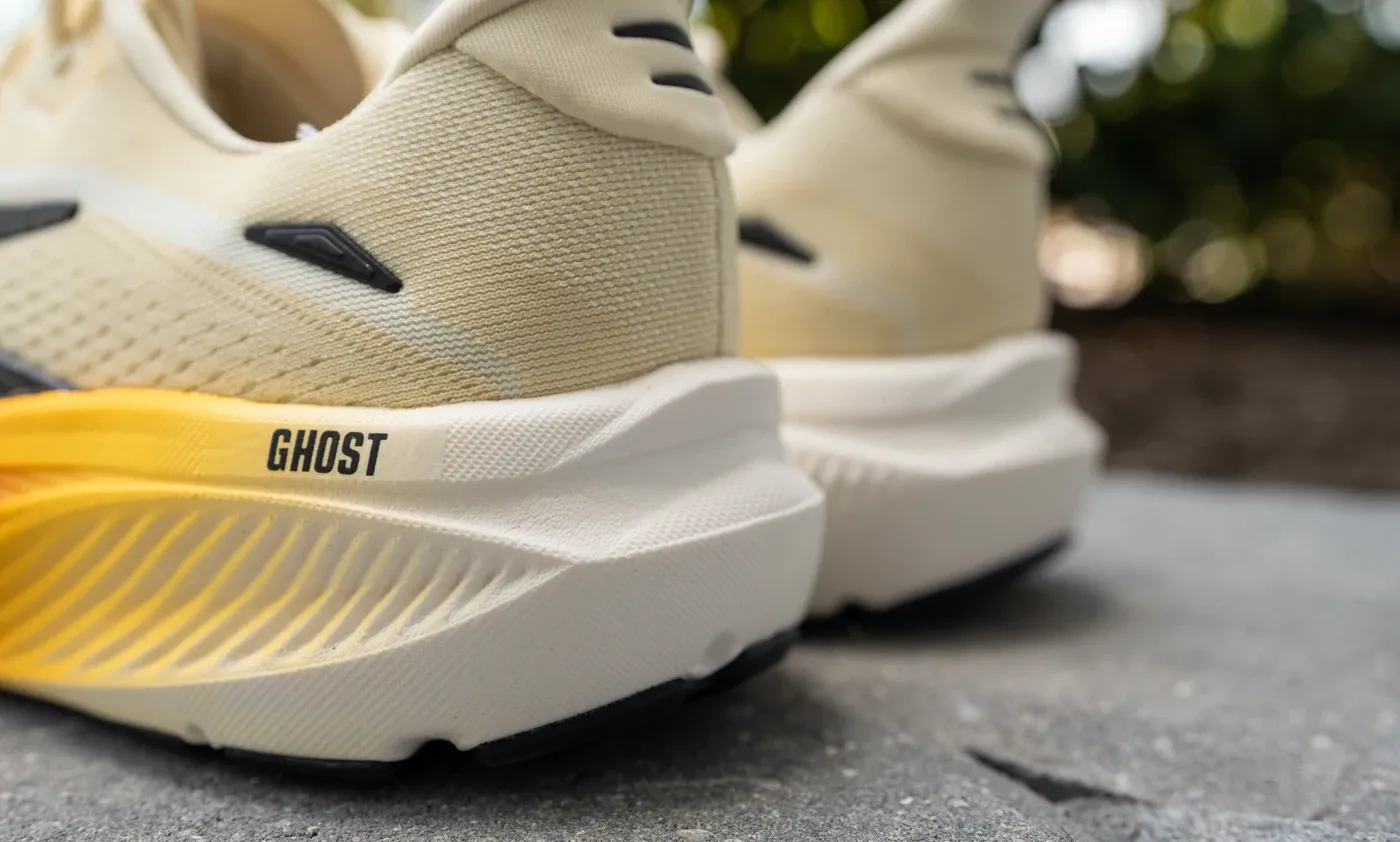
The Ghost has always been a shoe that disappears underfoot on longer efforts, and the 18 keeps that intact.
Shock absorption through the heel is excellent, and the ride stays consistent rather than breaking down or feeling mushy as the miles add up. It's protective without ever feeling like you're running on a mattress, which is exactly the balance a daily trainer needs to nail for recovery days and long runs alike.
Outsole grip and durability
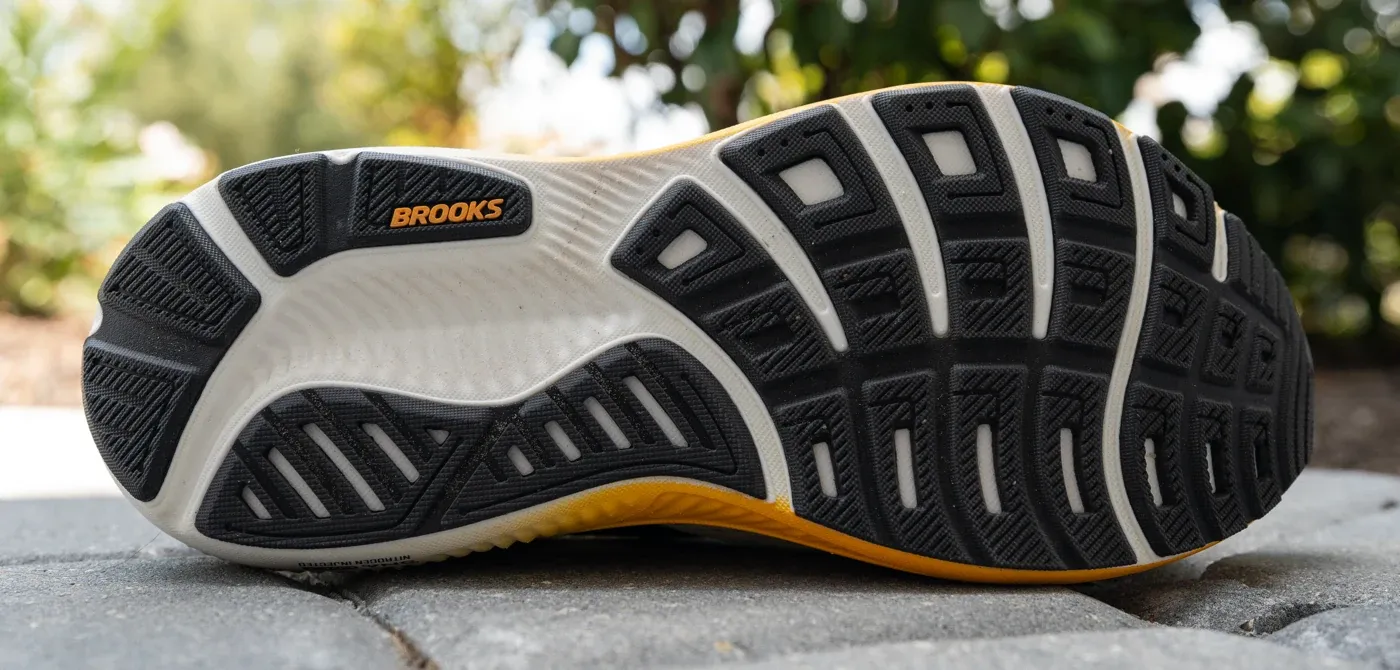
The RoadTack rubber outsole grips well on dry roads and doesn't feel like the weak link anywhere in the build. It's also holding up very well so far, which is good news for durability.
A predictable, grounded ride across your easy-to-moderate pace range
This isn't a shoe that wants to be pushed hard, and it doesn't pretend otherwise; it's a daily trainer afterall.
There's no rocker geometry here, and energy return sits on the modest side, so don't expect a propulsive or bouncy turnover at faster paces. What you get instead is a stable, controlled platform that handles varied daily training, easy miles, and recovery runs with zero drama.
If your week is mostly easy-to-moderate effort, this is exactly the kind of shoe that should be doing the heavy lifting in your rotation.
The upper and tongue finally catch up to the ride
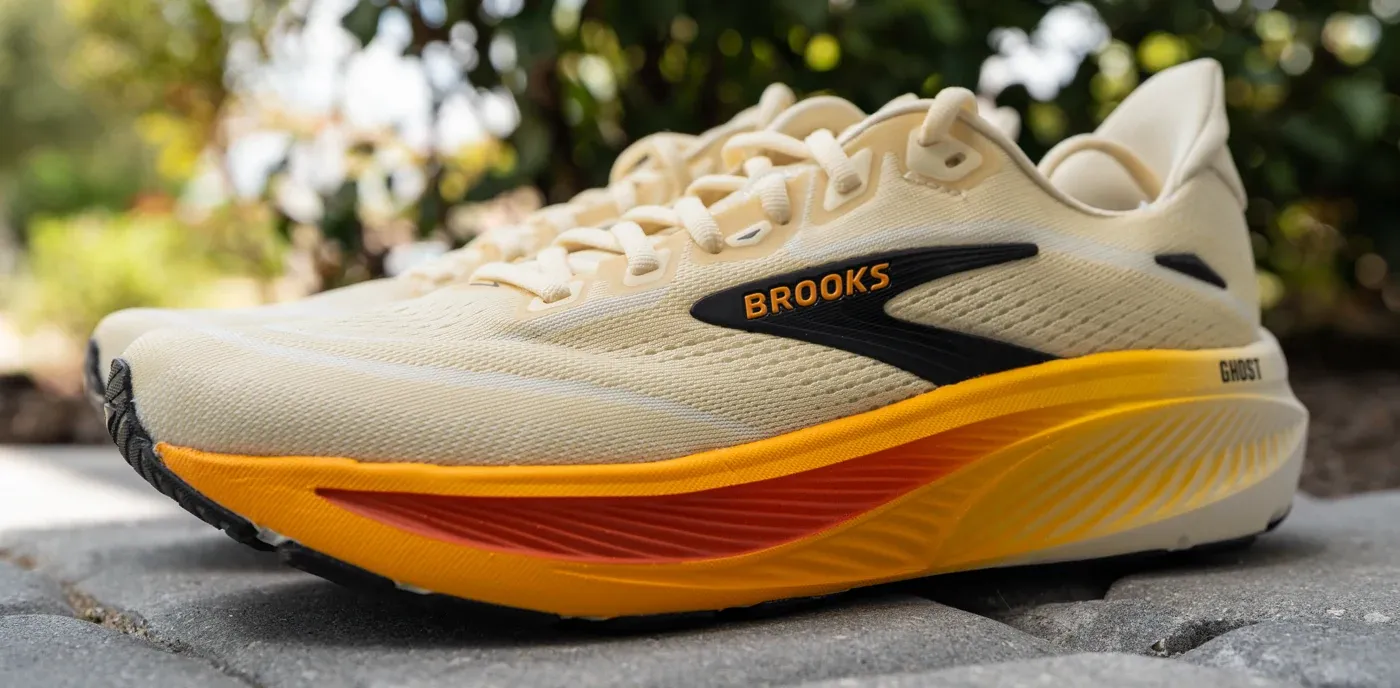
The new two-color engineered air mesh and the flat-knit pillow tongue are the most noticeable upgrades on this shoe, and they matter more than they might sound on paper.
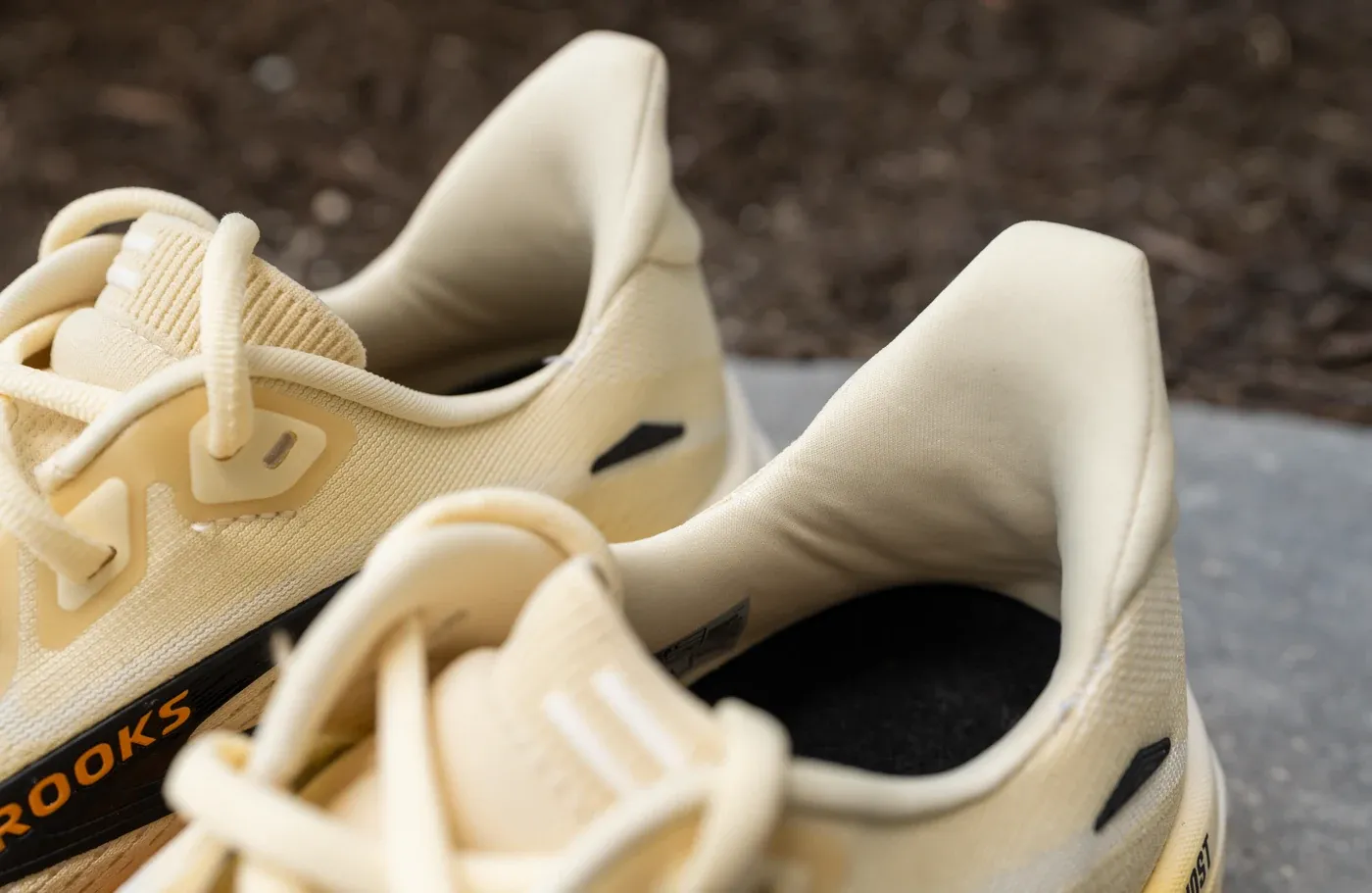
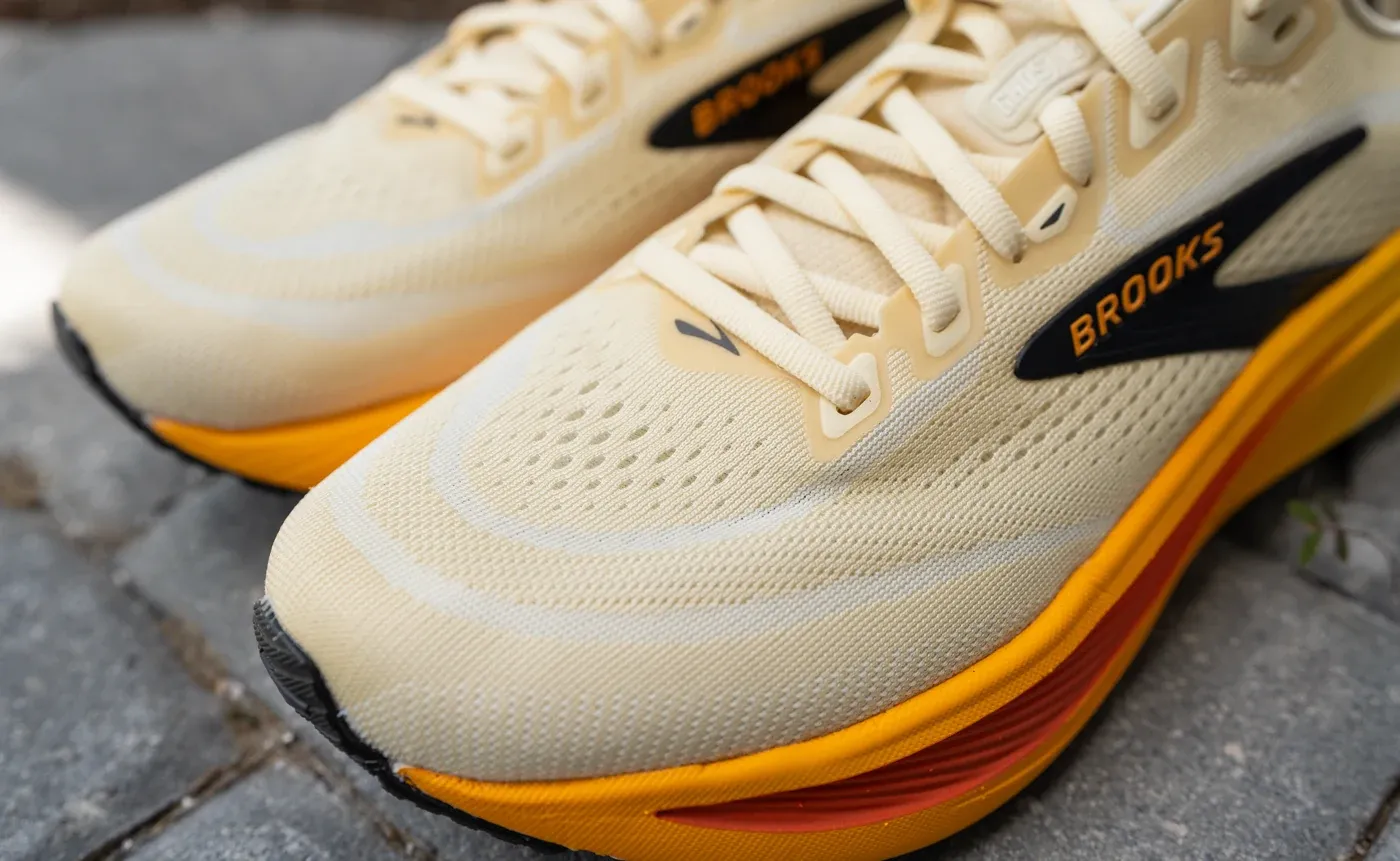
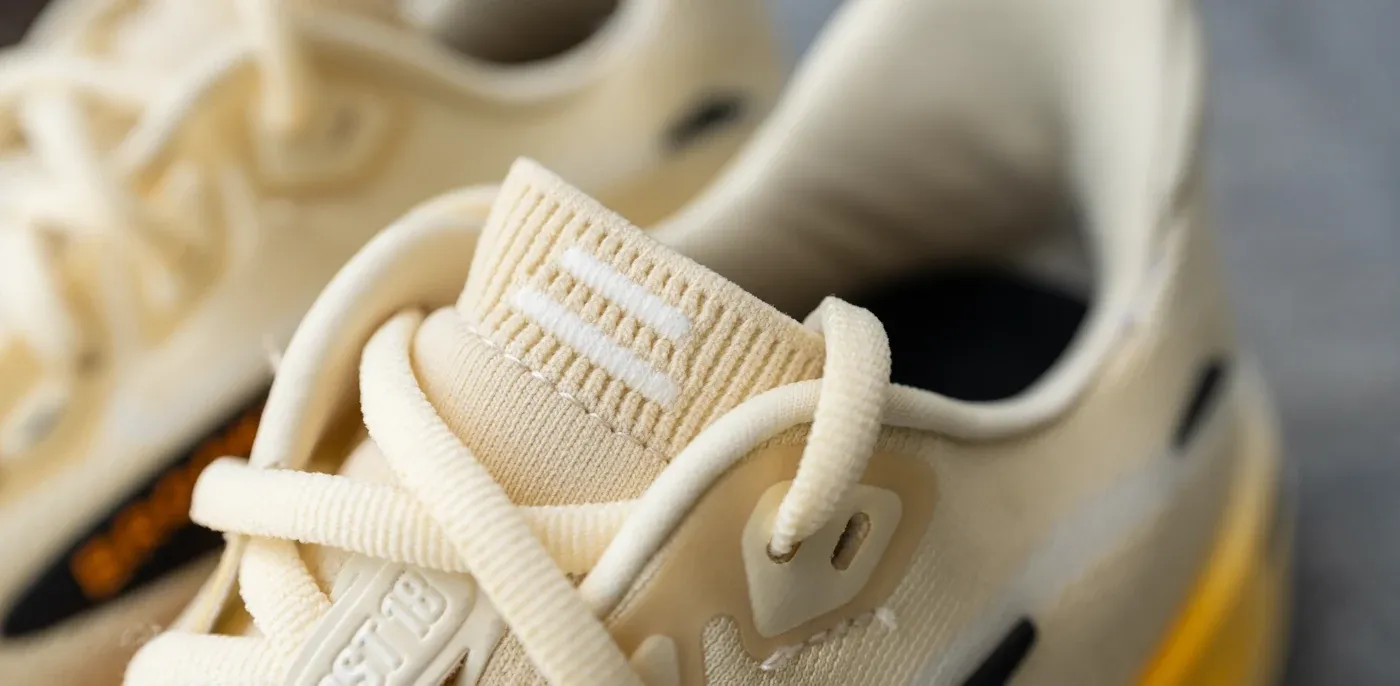
Breathability is meaningfully better, which counts for a lot when you're running in Florida heat and humidity for any stretch of time. The tongue wraps the foot without any shin pressure or front-of-ankle rub, and the refined heel counter keeps things locked in without feeling restrictive.
None of this changes the ride, but it changes how the shoe feels to live in across a long run or a full day on your feet if you want these for a lifestyle shoe.
Where the Ghost 18 is most at home
This is a shoe built for volume rather than speed: easy runs, long runs, recovery days, and genuinely all-day wear if you're someone who's on your feet a lot.
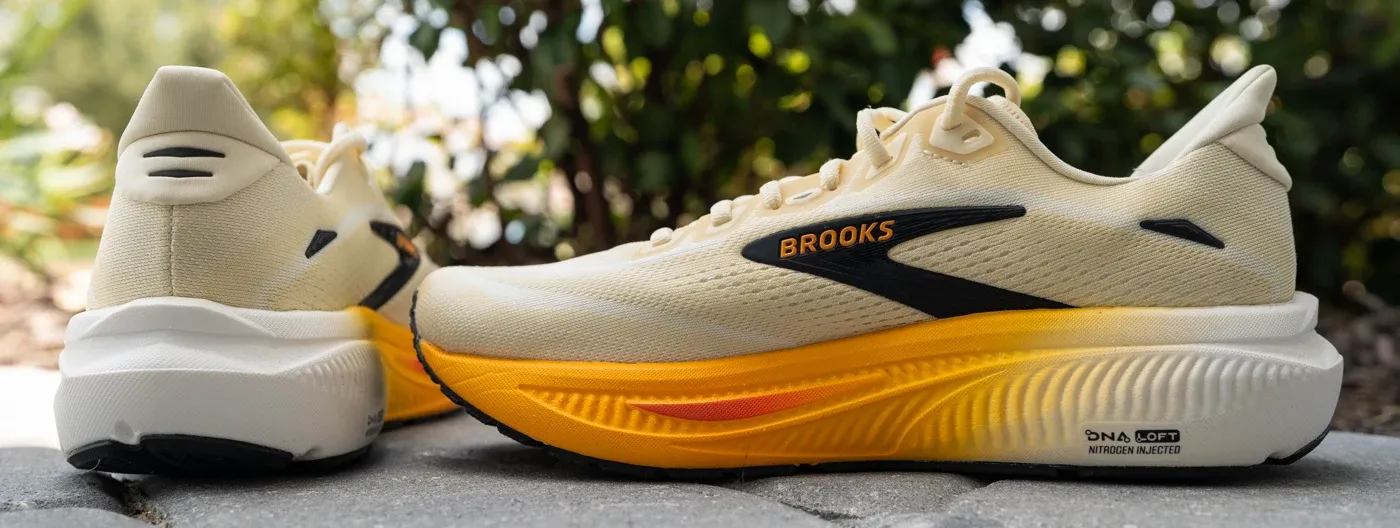
Heel strikers who like a traditional higher-drop platform will feel right at home here, and so will anyone coming from the 17 who just wants a more comfortable, more breathable version of a shoe they already trust.
It's also a strong pick if you want one pair that can handle running and regular daily wear without feeling like a compromise either way.
Who might want to look elsewhere
If you overpronate, the Ghost 18's neutral platform isn't the right tool. Brooks' own Adrenaline GTS 25 is the stability equivalent worth a look instead.
Brooks Adrenaline GTS 25 review: softer cushioning, roomier fit, same reliable support
Comfort meets consistency but this one’s more of a side-step than a leap forward.
 Alastair Dixon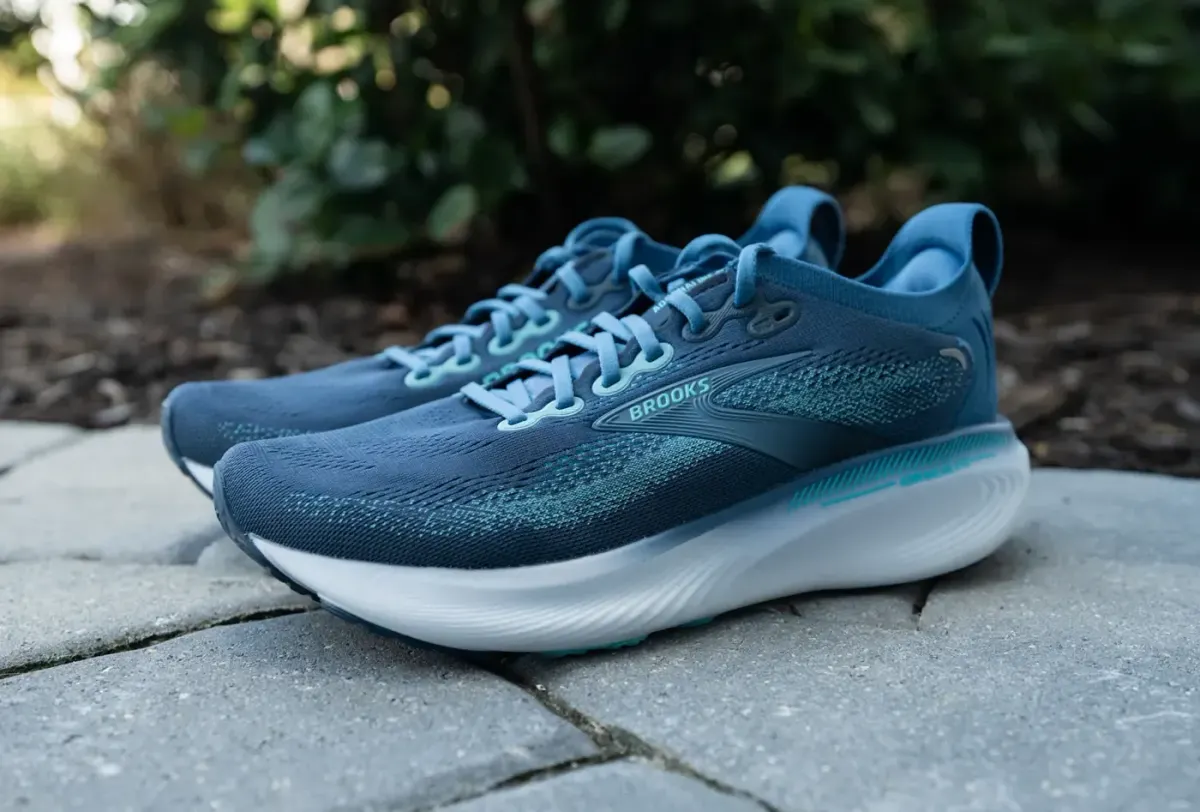
Flat-footed runners and anyone with a higher-volume forefoot may notice some hotspots on longer efforts given the tapered toebox, so size up to the wide options if that sounds like you.
And if you're chasing a lively, propulsive ride for faster sessions, this shoe was never going to be the one. For a broader sense of what else fits that profile, my best stability running shoes roundup covers the overpronation side of that question in more depth.
If this appeals, these Brooks running shoes are also worth looking at
If you like everything about the Ghost 18 except you want more cushion underfoot, the Brooks Glycerin 23 sits one step up in plushness within the same family.
Want even more stack and a max-cushion feel without leaving the Ghost name behind? The Brooks Ghost Max 3 is the one to check out.
How it compares to the Ghost 17
The good news is that the core ride I liked in the 17 carries over strongly with the same nitrogen-infused DNA Loft v3 midsole, the same 10mm drop (which now feels like an 8mm drop - weird I know), and a nearly identical stack height.
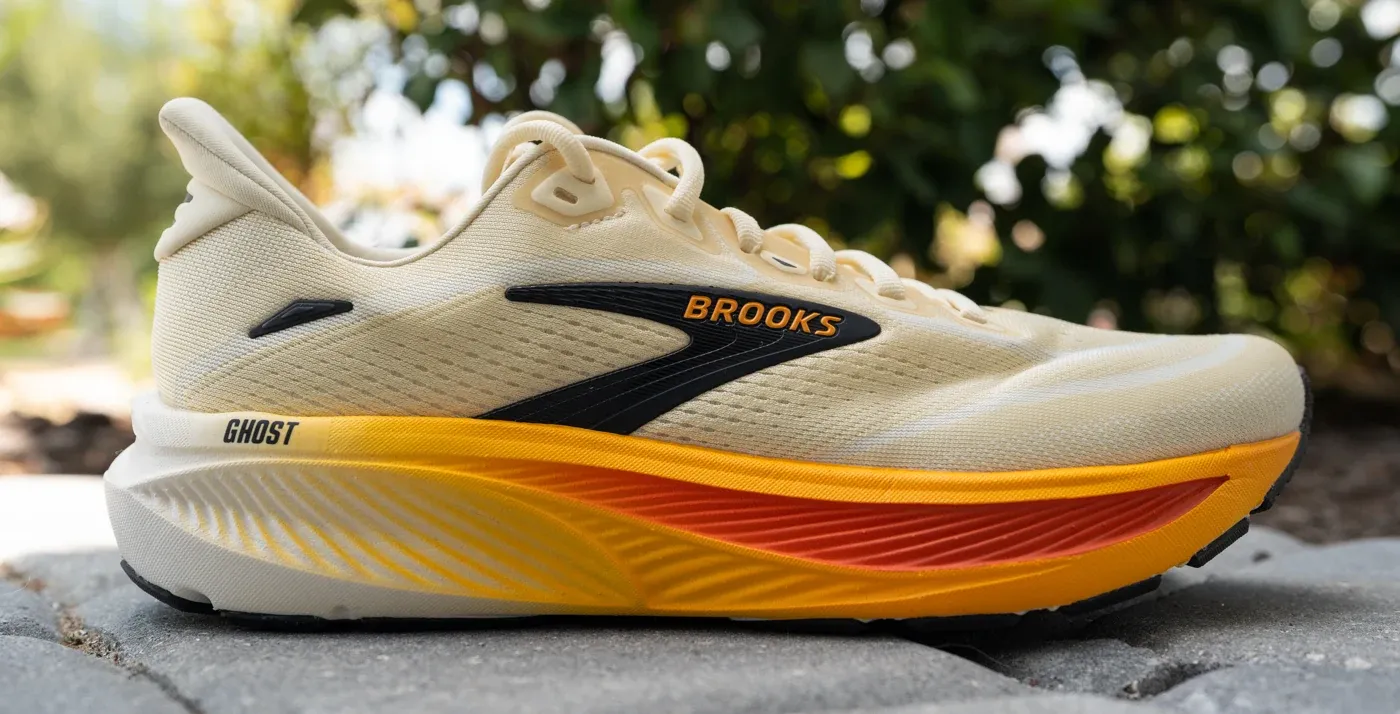
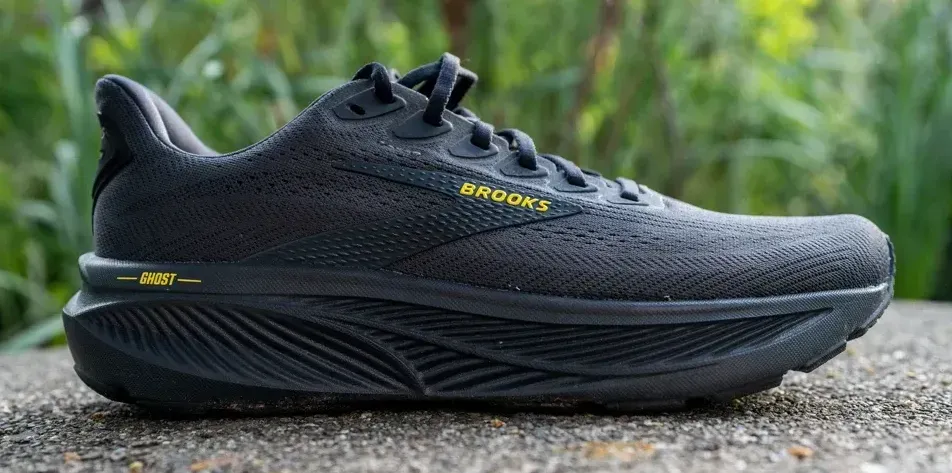
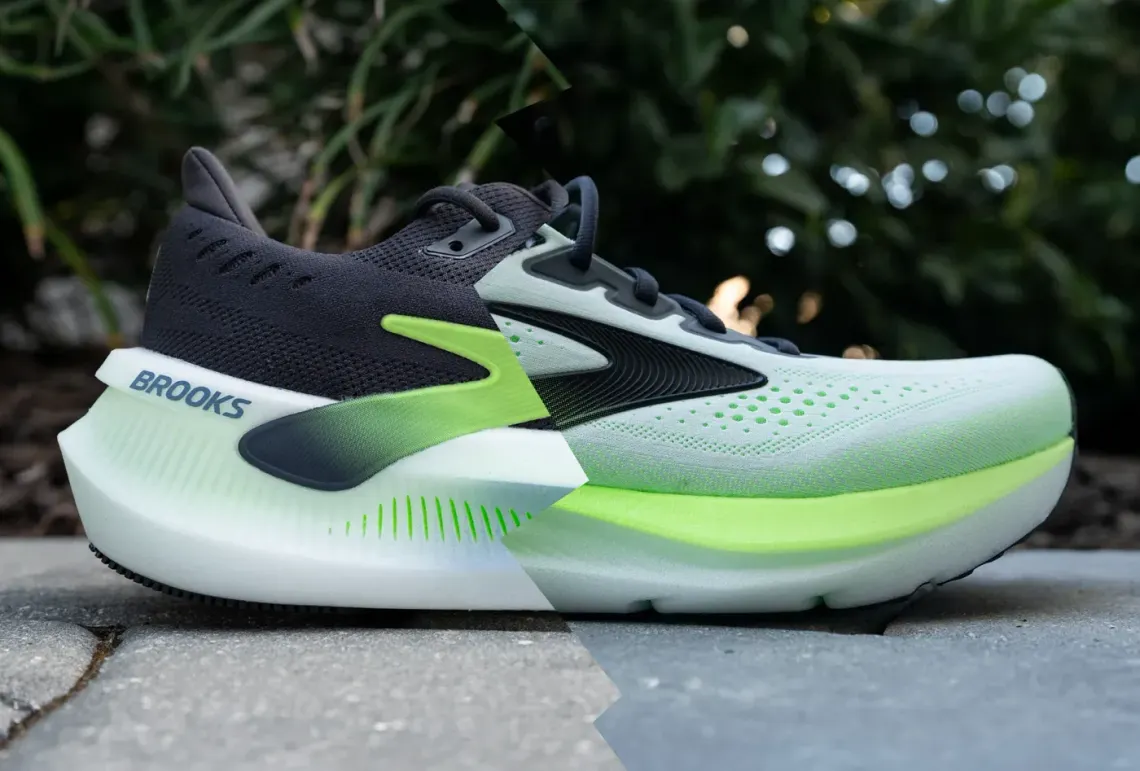
Ghost 18 (left), Ghost 17 (right)
On the road, it delivers that same familiar, well-protected, versatile feel: soft enough to eat up easy and long miles without beating you up, yet responsive enough to pick up the pace when you want. There's no radical reinvention of the ride here, and for many runners, including those who loved the 17, that's a good thing.
Where the 18 makes meaningful progress is in the upper and overall daily comfort. Brooks addressed a couple of the minor notes I had with the 17. The new flat-knit pillow tongue is a clear upgrade; it's thicker, softer, and more wrapping without creating pressure.
It directly improves on the narrower tongue of the 17 that didn't always feel as secure or plush across the top of the foot. Breathability has also improved with the updated two-color engineered air mesh; it feels less bulky through the midfoot and should perform better in Florida's heat and humidity than the already-adequate 17 upper. The heel counter has been refined for even better lockdown, while still remaining easy to slip on and comfortable around the Achilles.
Weight is very similar (my size 9 US pair came in at 10.6 oz on the scale, a touch heavier than the 10oz of v17 but not noticeable in use). The shoe feels slightly more flexible overall thanks to the refined upper, yet it retains the stable, grounded ride that makes the Ghost line so reliable for high-mileage training.
Brooks Ghost 17 vs Brooks Glycerin 22: Which is best?
Looking for your next Brooks daily trainer? Here’s how the Ghost 17 and Glycerin 22 compare for comfort, fit, and long-run performance.
 Alastair Dixon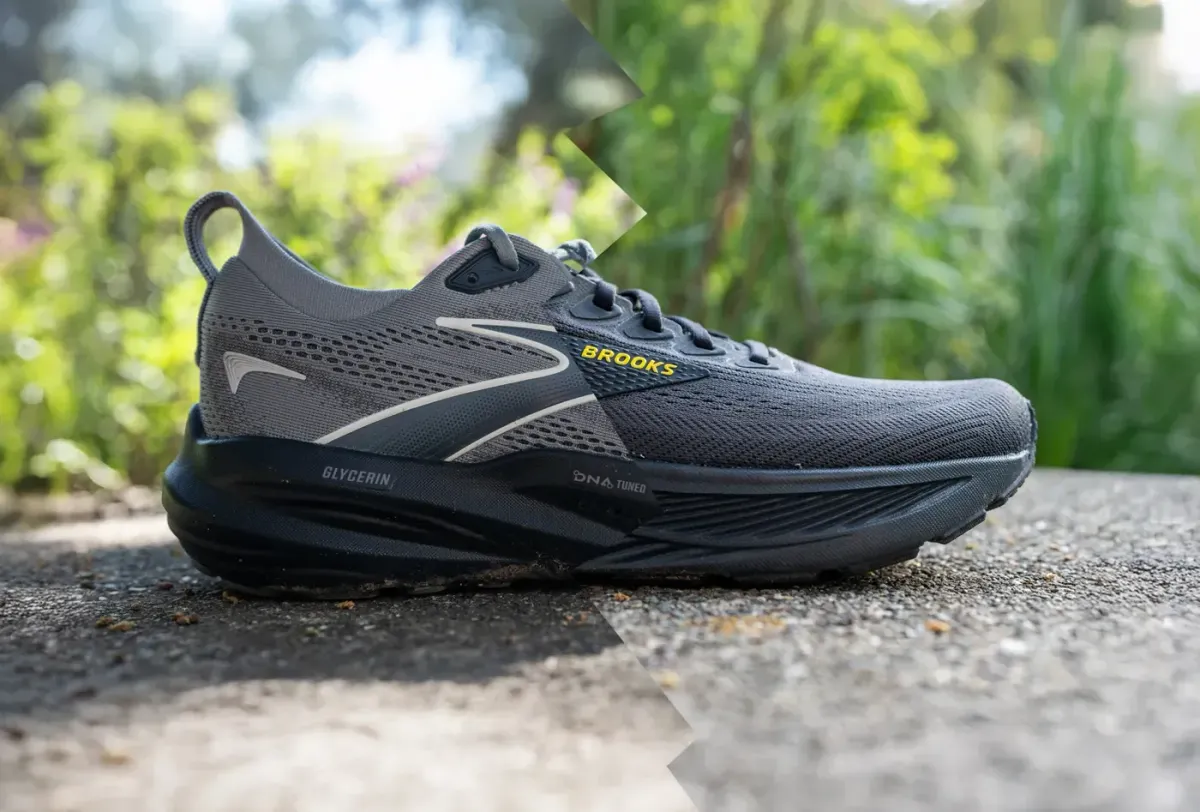
If you're trying to decide between sticking with the Ghost lineup or jumping to something plusher, my Ghost 17 vs Glycerin 22 comparison is still a useful reference point for how those two ride profiles differ, even with the 18 now in the mix.
My verdict
The Ghost 18 doesn't reinvent the wheel, and that's largely a good thing.
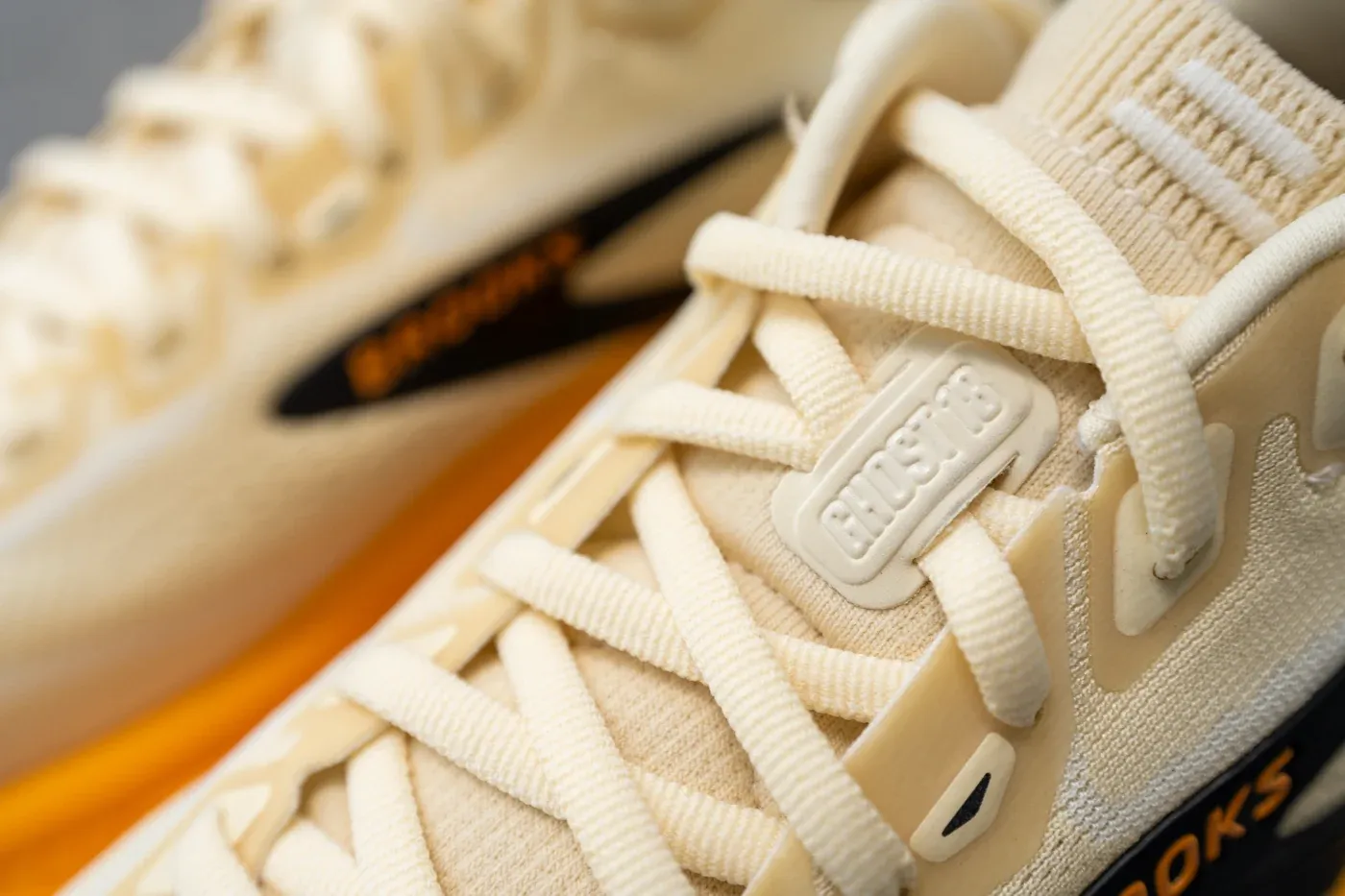
It takes the balanced, reliable ride I appreciated in the 17 and refines the parts that affect day-to-day comfort the most: a better tongue, better breathability, and a more secure heel. On the run, it also just feels softer and more natural, which was the nicest surprise of this test.
At $150, it remains one of the easiest recommendations I make for runners who want a trustworthy daily trainer rather than a flashy one, and it's just as comfortable for walking and all-day wear as it is for easy miles.
Weighing the Ghost against its stability sibling? My Brooks Ghost vs Adrenaline comparison walks through exactly that decision.
Its 10mm drop and calm heel also make it my top pick in the best running shoes for Achilles tendonitis.
Best Running Shoes For Achilles Tendonitis: 8 Tested Picks
Shoes don’t cure Achilles tendonitis, but drop and rocker measurably reduce tendon strain. My 8 tested picks, plus what actually heals it.
 Alastair Dixon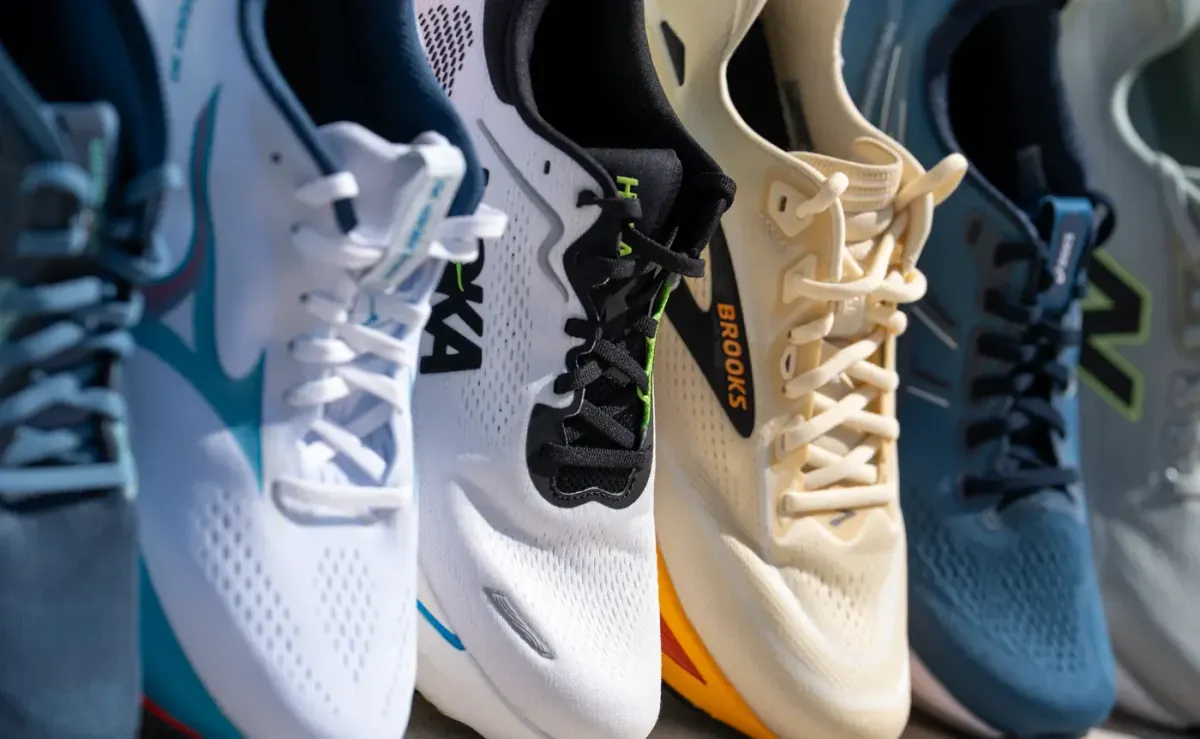
If you already own and love the 17, this isn't a must-upgrade for the ride alone. But for everyday comfort, breathability, and fit, it's a genuine step forward, and it remains a strong pick in my best daily trainer running shoes roundup.
If you haven't already, signup for my free newsletter, and subscribe to my YouTube Channel for more content like this. -Alastair
Written by

Subscribe to new posts
reviews, training tips, and thoughtful stories for runners






Member discussion