
Brooks Glycerin 23 review: softer up front, still a cruiser
A softer forefoot and better wet grip make the Glycerin 23 a more refined cruiser, but it's heavier and still leads from the heel. Here's who it suits, what changed from the 22, and how it compares to the Glycerin Max

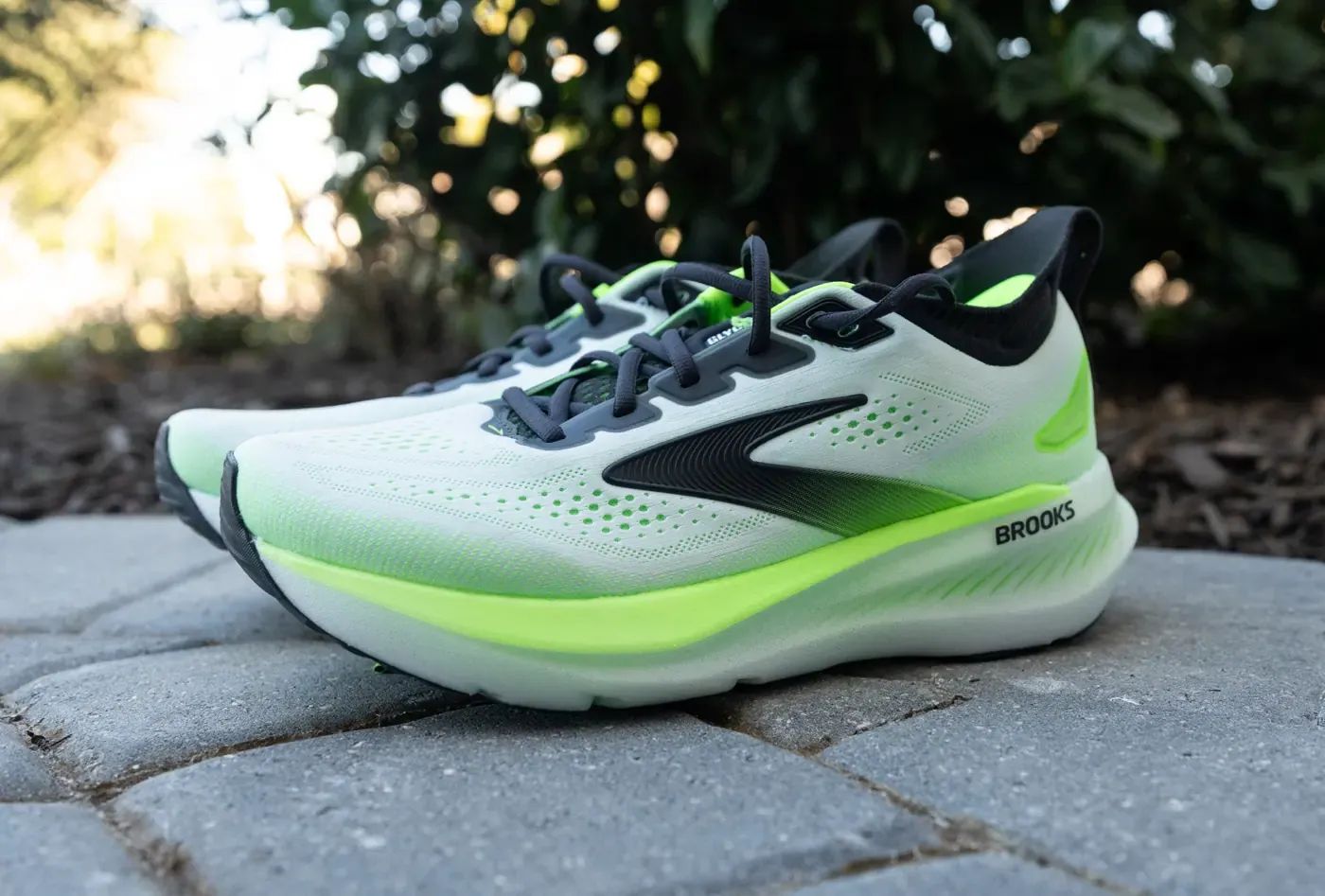
The Brooks Glycerin 23 is still positioned as a neutral, cushioned daily trainer aimed at easy miles, long runs, and recovery.
Updated September 16 2026 to draw comparisons on the Glycerin Max 2
The updates feel evolutionary rather than a whole new shoe: a slightly bouncier forefoot feel, 2mm more forefoot cushioning, and a ride that transitions a bit more smoothly.
But it also keeps a distinctly rear-loaded personality, and the weight increase plays a big role in how it feels when you try to move beyond cruising.
Wondering how the Glycerin line differs from the Ghost line overall? See our Brooks Ghost vs Glycerin guide.
Brooks Ghost vs Glycerin: which line is right for you?
Brooks Ghost vs Glycerin compared line by line. Cushioning, weight, drop, price, and ride differences explained, with a clear pick for your running.
 Alastair Dixon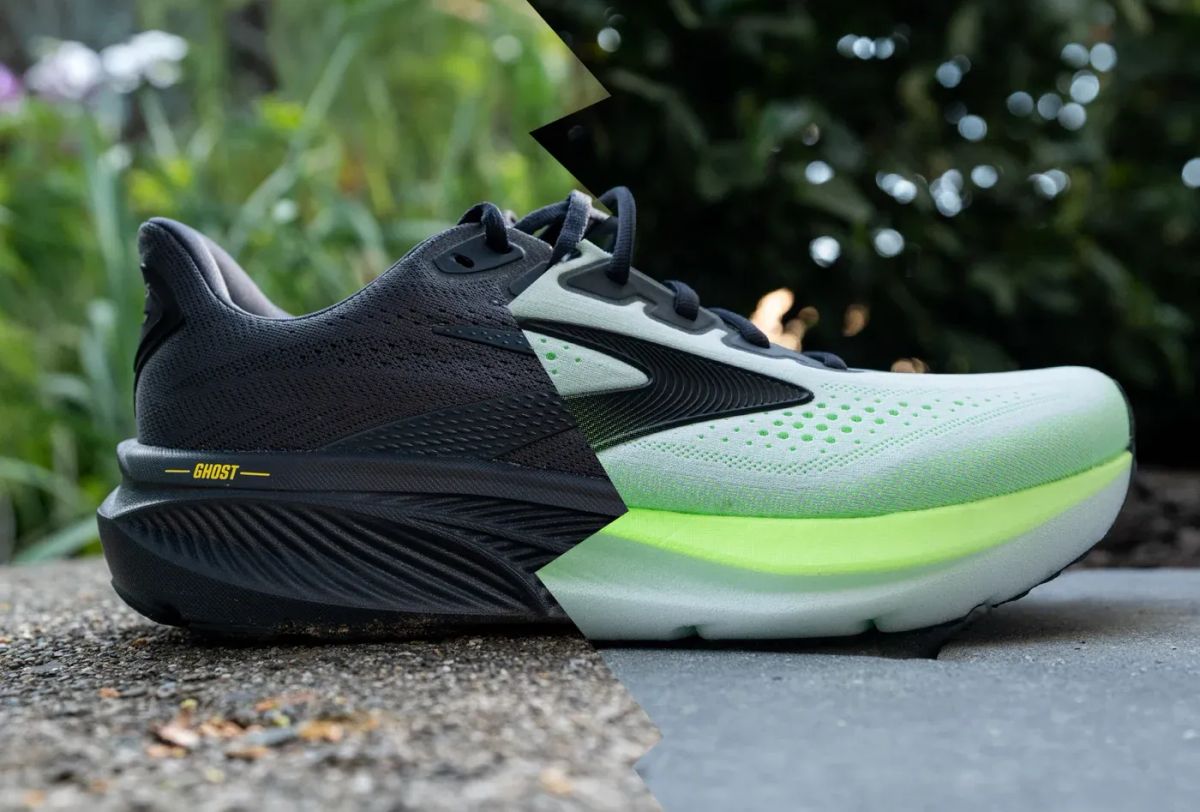
If you purchase gear through links in this article, I may earn a small affiliate commission. For my training tools, exclusive content, newsletter, and more perks become a member, (it's free!). -Alastair ✌🏼
Key specifications
- Price: For the best price and colorway options, get them here: $175 at Brooksrunning.com (available Feb 2 2026)
- Weight: 10.7oz (303g) in US M9 (my pair)
- Drop and stack height: 8mm drop (38mm heel / 30mm forefoot (forefoot +2mm vs v22))
- Upper: Triple jacquard warp knit engineered mesh
- Midsole: Nitrogen-infused DNA Tuned (dual-cell concept: larger heel cells for impact absorption, smaller forefoot cells for toe-off)
- Outsole: Redesigned rubber layout aimed at better grip on wet surfaces
- Extra attributes: Plush heel collar + tongue padding for step-in comfort • Wide options available
What changed from the Glycerin 22
Five changes, none of them dramatic on their own, but together they shift the feel.
The forefoot gets 2mm more DNA Tuned foam (30mm now, heel stays at 38mm), which is where the softer, more forgiving front-end feel comes from on longer runs. That also drops the offset from 10mm to 8mm.
The heel bevel is refined, so transitions are smoother and less clunky than the Glycerin 22, even though the ride still leads from the heel.
The lateral midfoot sidewall is gone. Underfoot that feels cleaner, at the cost of a little of the midfoot guidance the 22 had.
The upper moves to a triple jacquard warp knit with more padding at the collar and tongue, and the outsole rubber is laid out for better grip on wet surfaces.
The cost of all that is 0.4 oz: 10.7 oz (303g) in my US 9 against the 22's 10.3 oz. If you're weighing the upgrade, my verdict at the bottom covers when the 23 is worth it over a discounted 22.
Sizing and fit
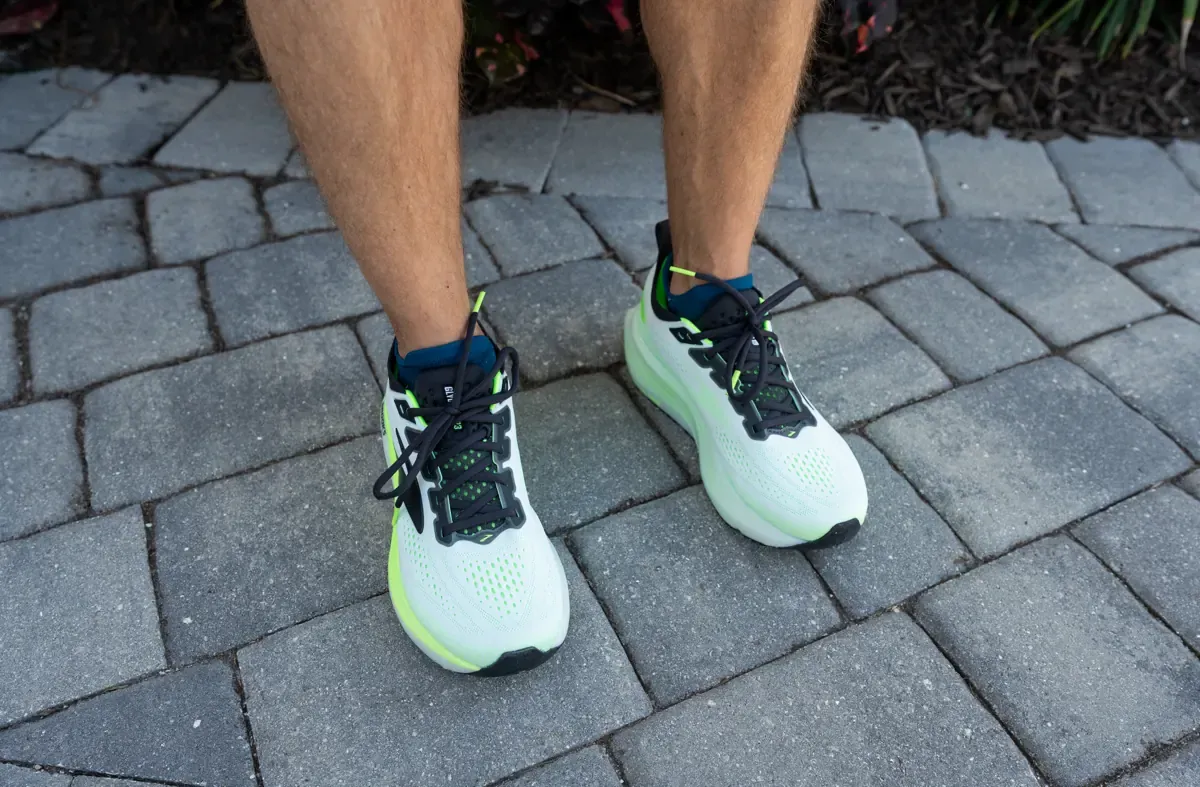
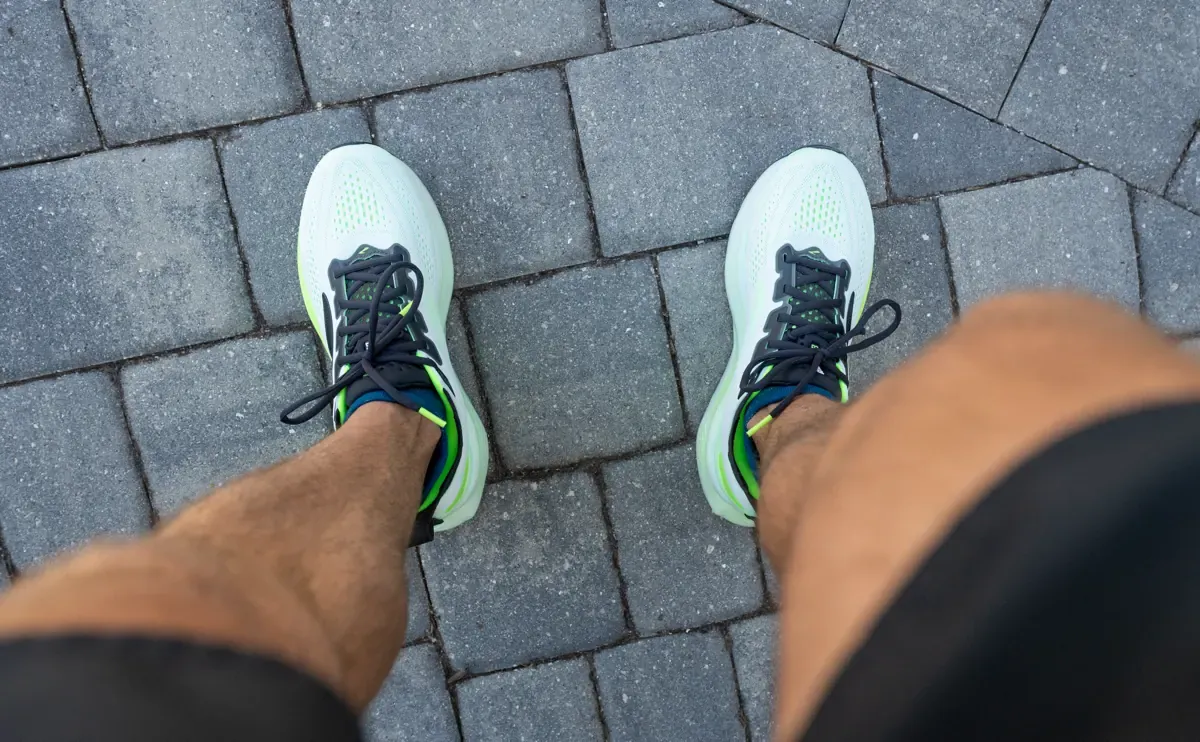
The Glycerin 23 fits true to size, with wide options available for those with wider than average feet.
The fit feels generally secure and a touch more accommodating overall, but it’s still worth keeping an eye on midfoot comfort if you’re wide-footed, especially since the midfoot guidance feel changes in this version.
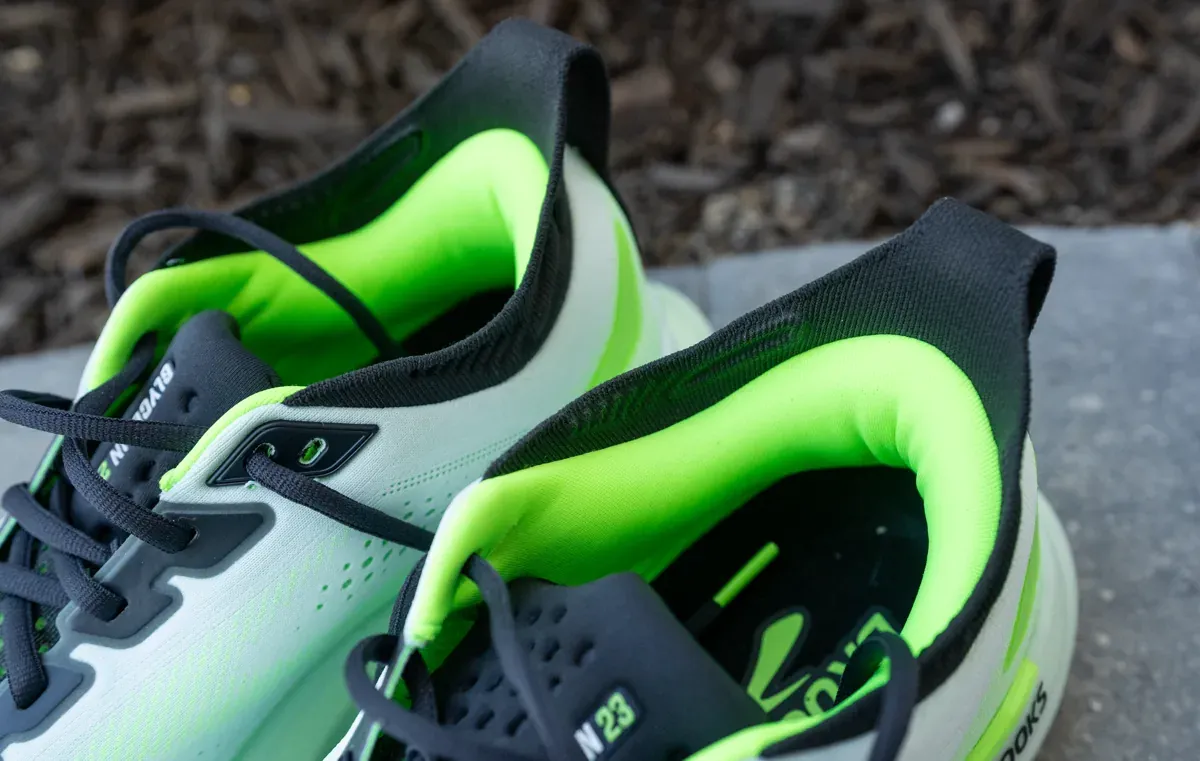
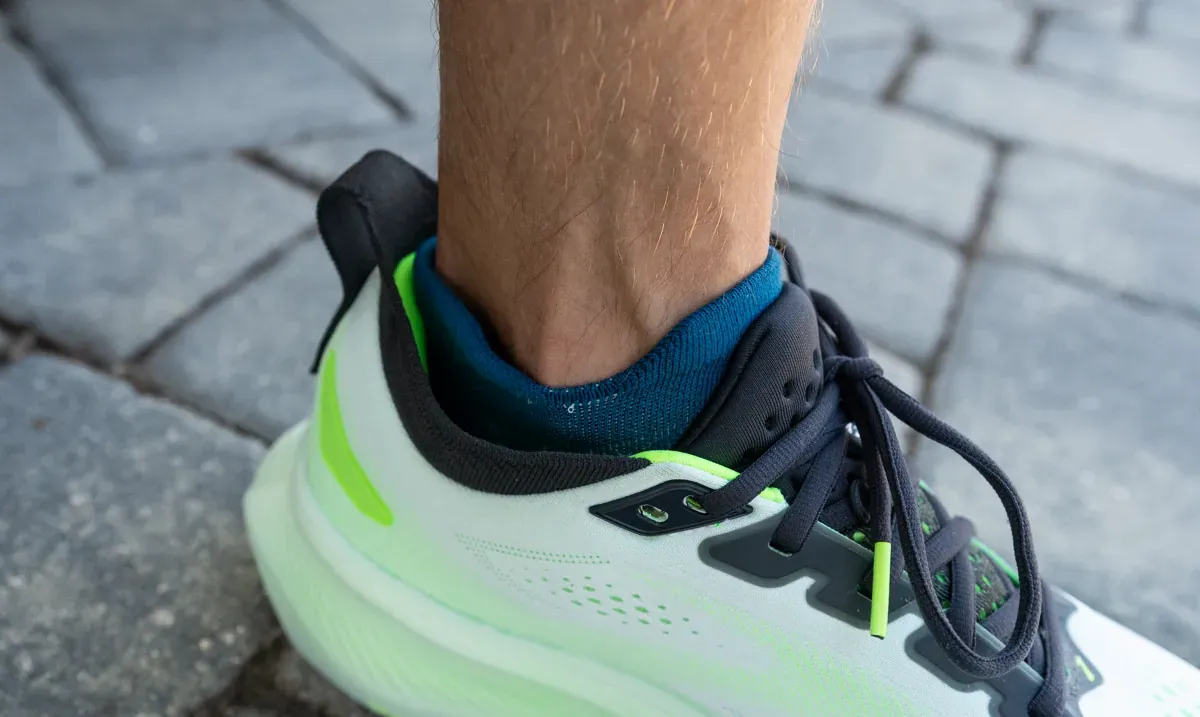
The collars and tongue are all super plush making them dreamy to step into, and it's very easy to get a good heel lock down in these.
Performance review
The Glycerin 23 feels smoother and less clunky through transitions now, which I put down to the refined heel bevel geometry.
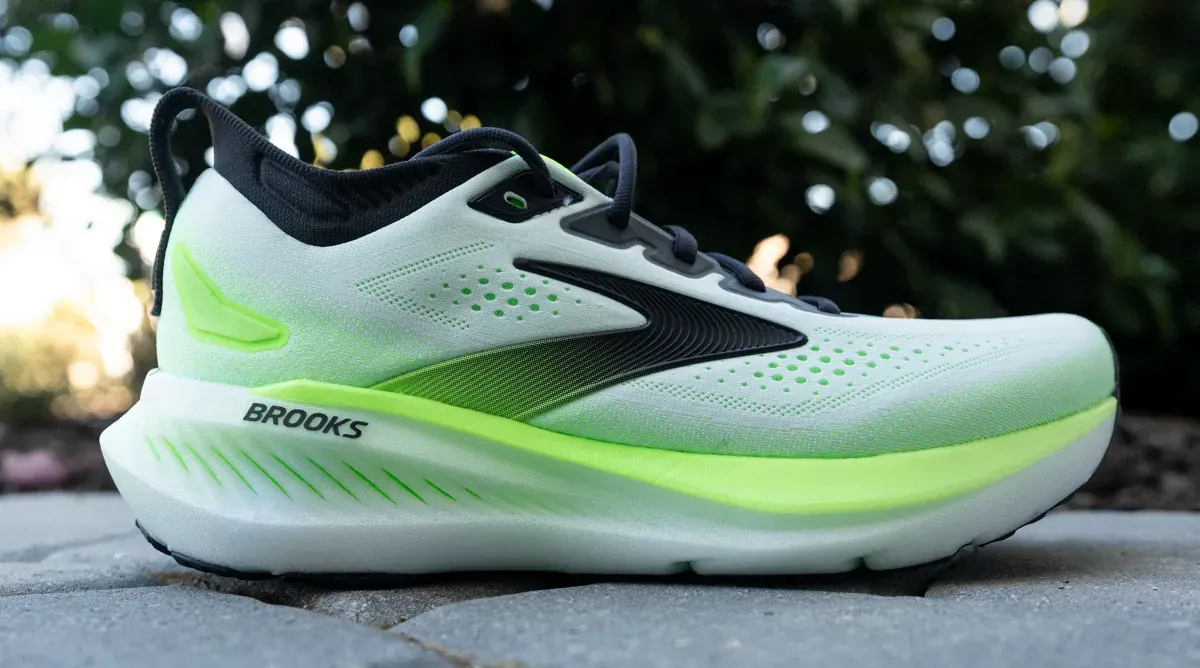
It rolls along more cleanly when you’re just ticking off relaxed miles and landing at the heel.
Even with the drop shifting from 10mm down to 8mm, the ride still feels heel-biased and it kind of encourages a heel landing, which isn’t a feel I love, personally but I know there are many runners who do.
So yes, it transitions better than v22, but the overall ride personality still leads from the back.
The DNA Tuned midsole feel is familiar, but slightly more responsive up front now
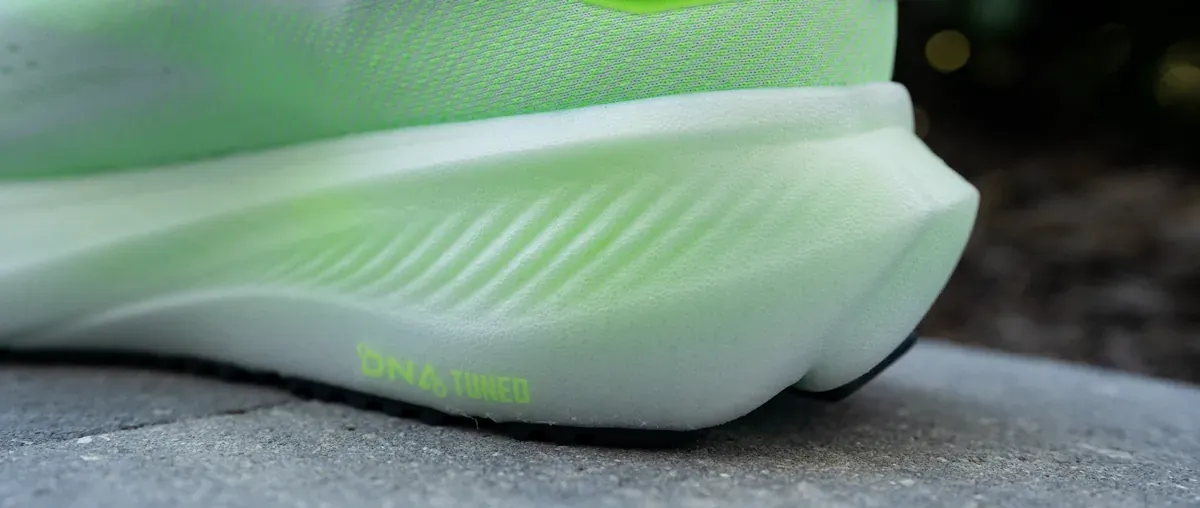
Brooks keeps the nitrogen-infused DNA Tuned setup with the same dual-cell idea: bigger heel cells for impact absorption, smaller forefoot cells for a firmer toe-off.
In v23, the forefoot feels slightly bouncier / more responsive than v22 (forefoot strikers will appreciate this), mainly when rolling through the front.
It doesn’t turn the shoe into a “push the pace” option, but it does make toe-off feel a bit more willing when you’re cruising steadily.
Extra forefoot foam brings a touch more protection on longer runs
Brooks adds 2mm more cushioning in the forefoot (30mm forefoot, heel stays 38mm).
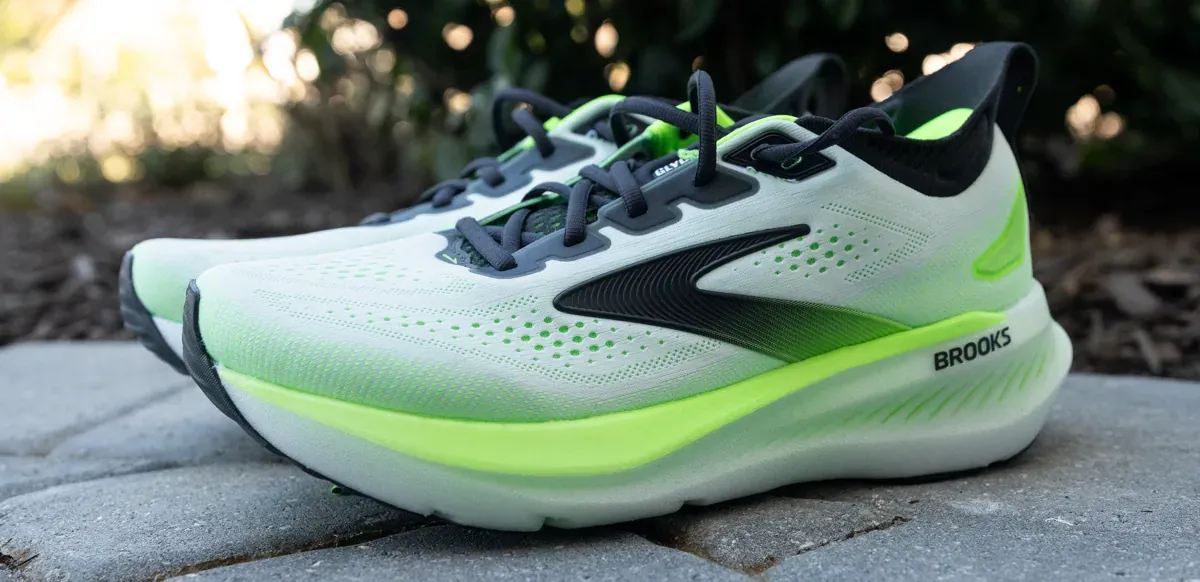
On paper, that should help spread pressure and feel more forgiving late in long runs, and that’s the direction the ride shifts: the front feels a little softer and more forgiving than before.
It’s not a dramatic change, but it’s the kind of update that shows up most when you’re settling into longer, steady miles.
The subtle stability is still a core strength for a neutral shoe
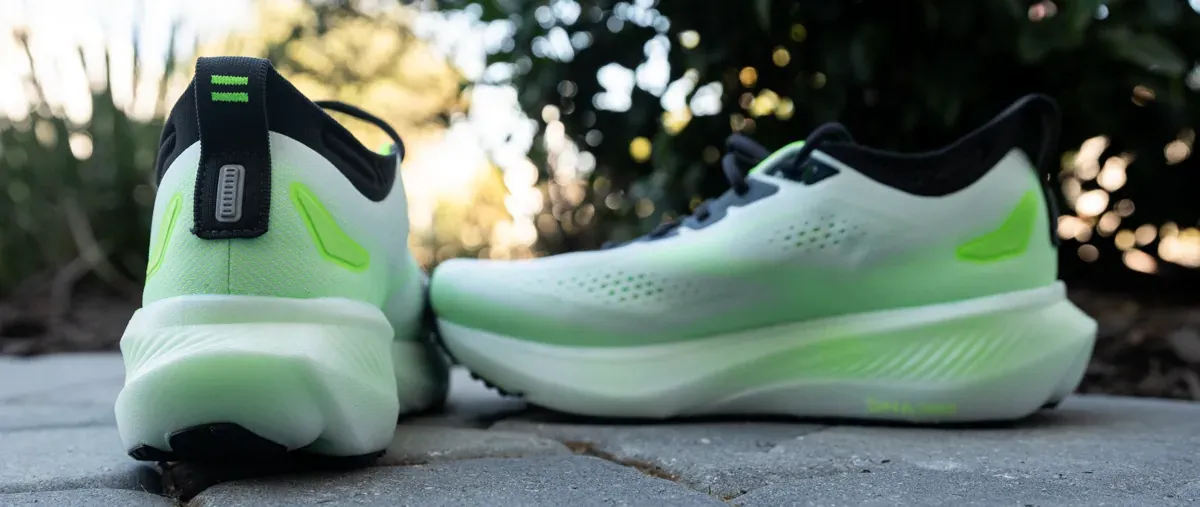
One of the Glycerin’s strengths is how calm and stable it feels for a neutral max-cushion trainer.
That predictable, well-balanced feel stands out most when you settle into a steady rhythm and want the shoe to stay out of the way.
The big structural note is the lateral midfoot sidewall removal in v23.
Underfoot, that makes the shoe feel cleaner, but I’d also expect slightly less midfoot guidance than v22’s setup. Even with that change, the overall stability story remains a strong part of what this shoe does well.
Upper comfort on the run
The upper switches to a triple jacquard warp knit engineered mesh, with more emphasis on step-in comfort and a secure, seamless fit.
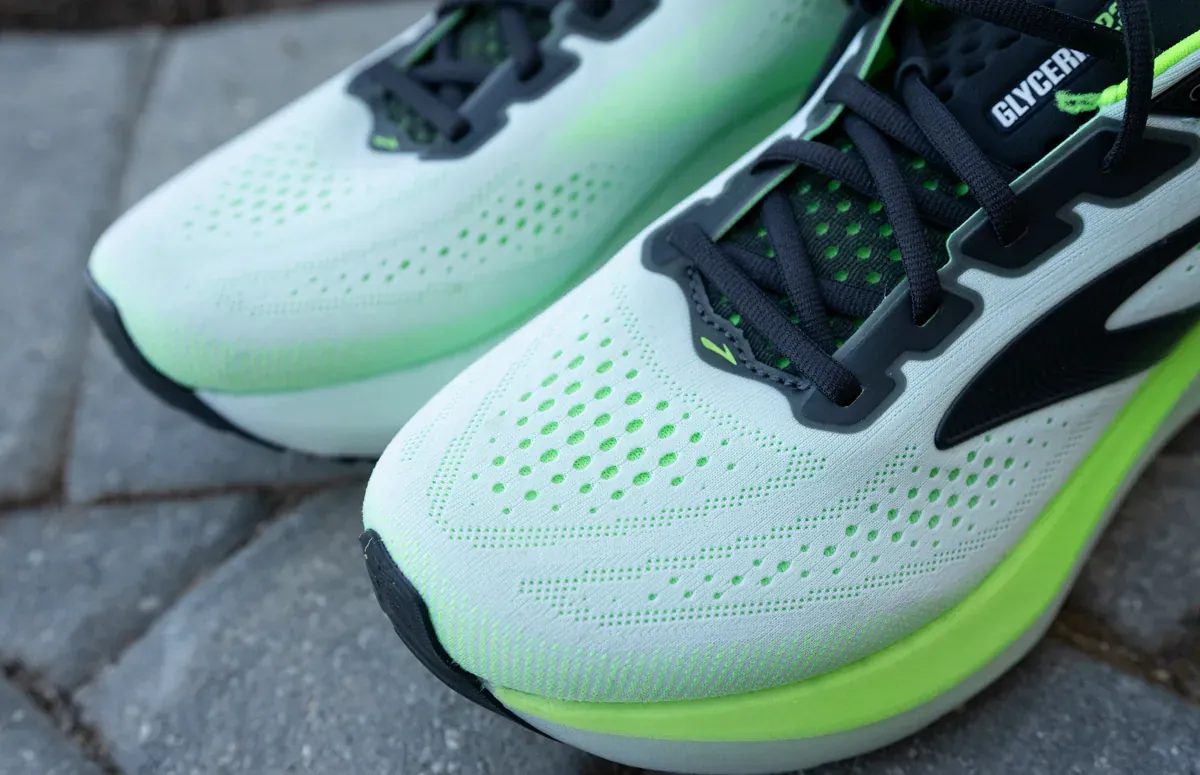
Combined with extra padding around the heel collar and tongue, it does feel premium on step-in, with less risk of rubbing or lace bite.
The ongoing gripe for me, is the amount of bulk around the rear of the upper (collar/heel area).
Even with the update, that rear-of-shoe mass contributes to the shoe feeling rear-loaded overall.
Despite the material update of the upper, breathability still doesn’t feel great on runs. It’s not a deal-breaker in cooler weather, but it will become more noticeable on super hot days.
The outsole is confidence inspiring
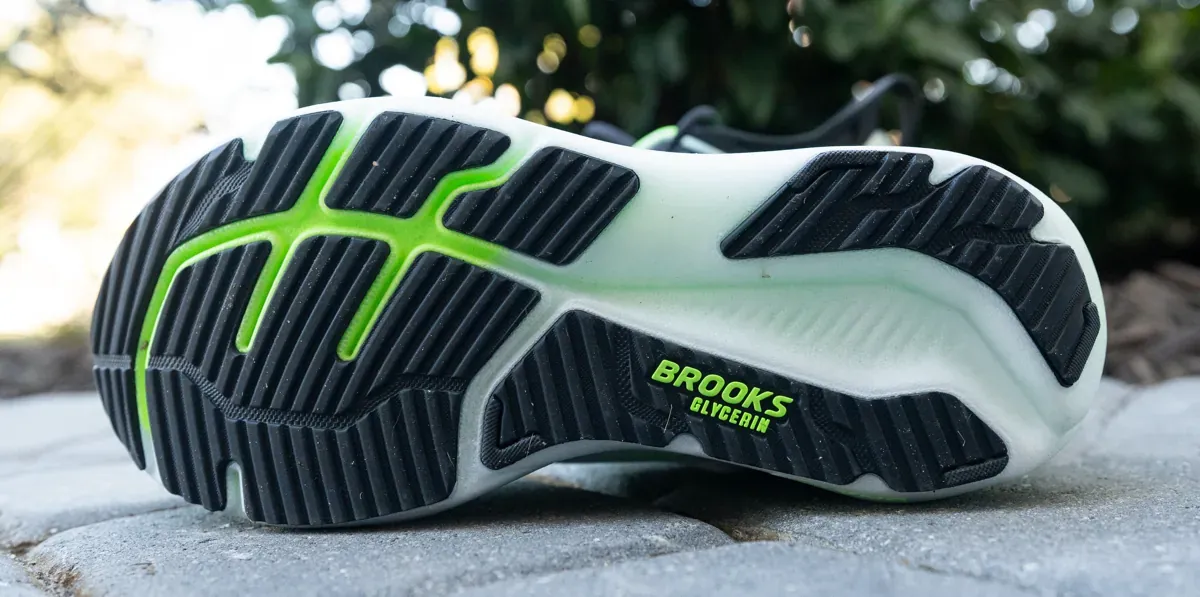
The outsole rubber layout is redesigned for better grip on wet/icy/sloppy surfaces, and that lines up with what you want from a daily trainer that’s likely to see imperfect conditions.
It’s also meant to stay sticky and durable without killing flexibility, which fits the Glycerin’s comfort-first identity. No complaints here at all!
The additional weight keeps it feeling like a cruiser
At 10.7oz (303g) in my US M9, the Glycerin 23 is 0.4oz heavier than v22, and that extra mass does make it feel a little chunkier when trying to pick up the pace (more noticeable on longer runs).
For easy running, it’s totally workable but once you ask for more, the shoe doesn’t feel sharp, and it reinforces the idea that this is a comfort-and-stability-first trainer for bagging easy miles.
That’s why it remains a poor fit for tempo and speedwork, even if it can handle the occasional moderate pickup.
Glycerin 23 vs Glycerin Max 2: which one?
If you're deciding between the standard Glycerin and the taller Glycerin Max, the fork comes down to how much shoe you want and whether you like a trainer that flexes or one that rolls.
The Glycerin Max 2 stacks 45mm of the same DNA Tuned foam under a GlideRoll rocker with a pronounced toe spring, so it rolls you through the stride instead of flexing. It's $25 more, half an ounce heavier, more protective, and has the most durable outsole in the Brooks lineup, but its toe box is lower-volume than the 23's.
The Glycerin 23 is the lighter, cheaper, more familiar shoe, with a flexible forefoot, an 8mm drop, and wide sizes.
My full Brooks Glycerin vs Glycerin Max comparison walks through the whole decision.
My verdict
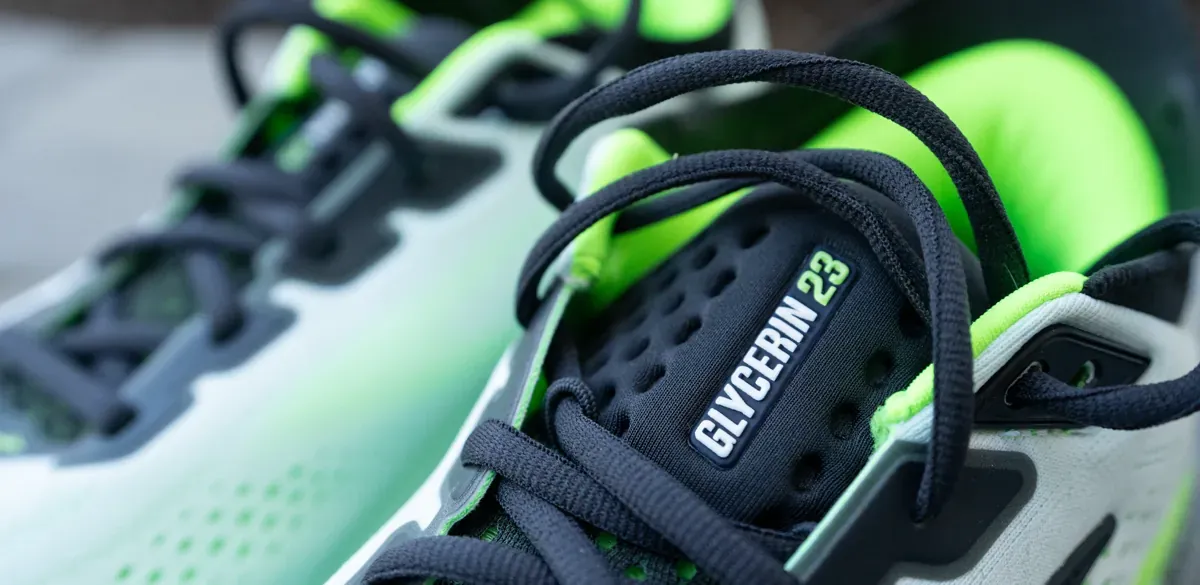
The Glycerin 23 stays true to its purpose: a neutral cushioned trainer built around comfort, stability, and smooth cruisin'.
The most meaningful updates are subtle but real, with a slightly smoother transition, a more forgiving forefoot, and a touch more responsiveness when rolling through the front.
For me, though, the combination of a heel-biased, rear-loaded feel and the weight increase makes it hard to choose, especially when there are other options that are less expensive, feel lighter and more naturally balanced for daily mileage.
My upgrade logic: At $175, v23 makes the most sense if you care about forefoot softness and improved grip. If keeping weight down and picking up a bargain is the priority, the Glycerin 22 (25% Off) remains the easier argument, right now.
The Glycerin line features in my best cushioned running shoes roundup; worth a look if you're comparing it against other max-comfort daily trainers.
For neutral runners whose shin splints come from impact rather than overpronation, the Glycerin is one of my picks in my shin splints running shoe guide.
Brooks Glycerin 23 FAQ
Does the Brooks Glycerin 23 run true to size?
Yes. It fits true to size with a secure midfoot and easy heel lockdown, and Brooks offers it in wide for anyone who needs more room.
Is the Glycerin 23 good for walking and standing all day?
Yes, and it's one of the better uses for it. The plush collar and tongue, the calm stable platform, and the soft heel landing suit walking and long days on your feet at least as well as they suit easy running.
Is the Glycerin 23 a stability shoe?
No. It's a neutral trainer, but its wide base gives it a calm, planted feel for a neutral max-cushion shoe. If you overpronate, the Glycerin GTS 23 adds Brooks' GuideRails support system on the same platform, and my Brooks Adrenaline vs Glycerin comparison covers the support-or-plushness decision.
Brooks Adrenaline vs Glycerin: which should you buy?
Brooks Adrenaline vs Glycerin compared after testing both. The performance, support and cushioning differences, and which to buy.
 Alastair Dixon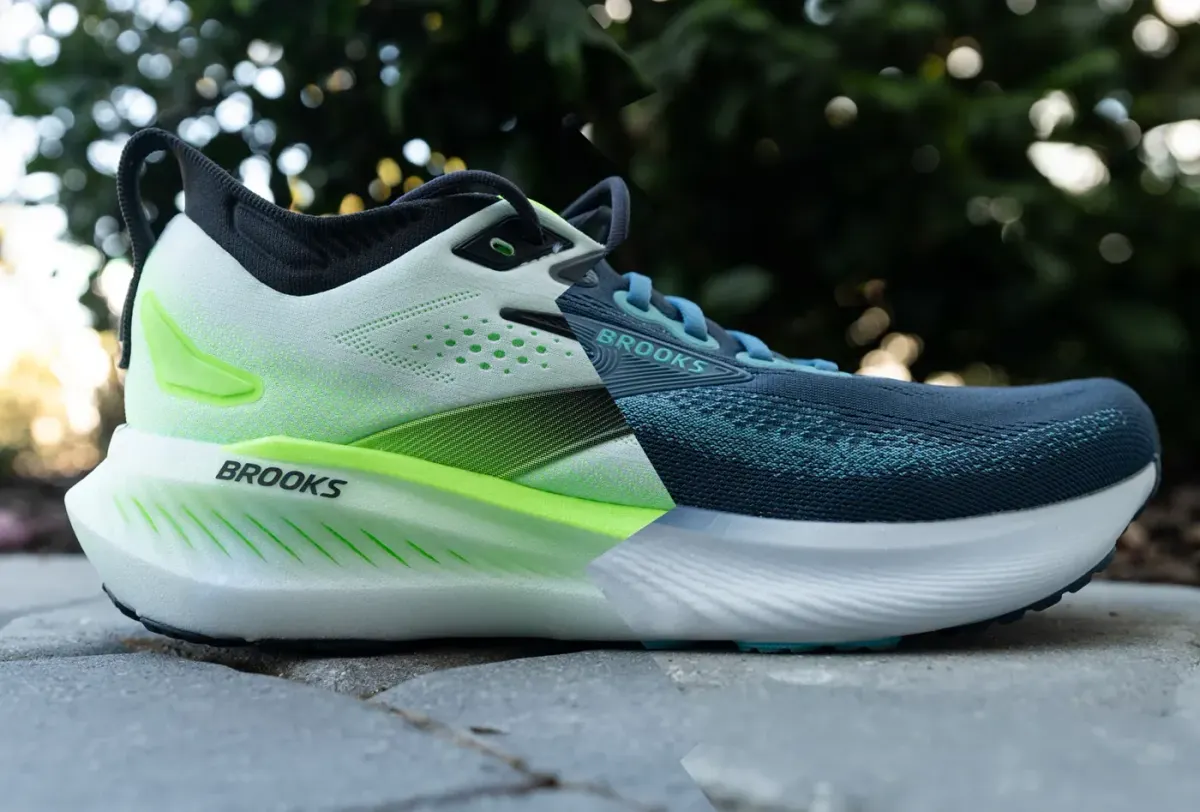
Is the Glycerin 23 good for heel strikers?
Yes. The ride is heel-biased by design: soft larger DNA Tuned cells at the back for impact absorption, a refined heel bevel for the transition, and firmer smaller cells up front for toe-off.
Glycerin 23 or Glycerin 22?
At $175, the 23 makes sense if you care about a softer forefoot and better wet grip. If weight and price matter more, the Glycerin 22 is 0.4 oz lighter and still discounted.
If you haven't already, signup for my free newsletter, and subscribe to my YouTube Channel for all the latest running shoe reviews. 👉🏼 And for an inside look at what comes into my studio with unboxings, lace up reels, behind the scenes, and short form reviews, follow me on Instagram, and TikTok. -Alastair
Written by

Subscribe to new posts
reviews, training tips, and thoughtful stories for runners






Member discussion