
Brooks Ghost vs Glycerin: which line is right for your running?
Brooks Ghost vs Glycerin compared line by line. Cushioning, weight, drop, price, and ride differences explained, with a clear pick for your running.

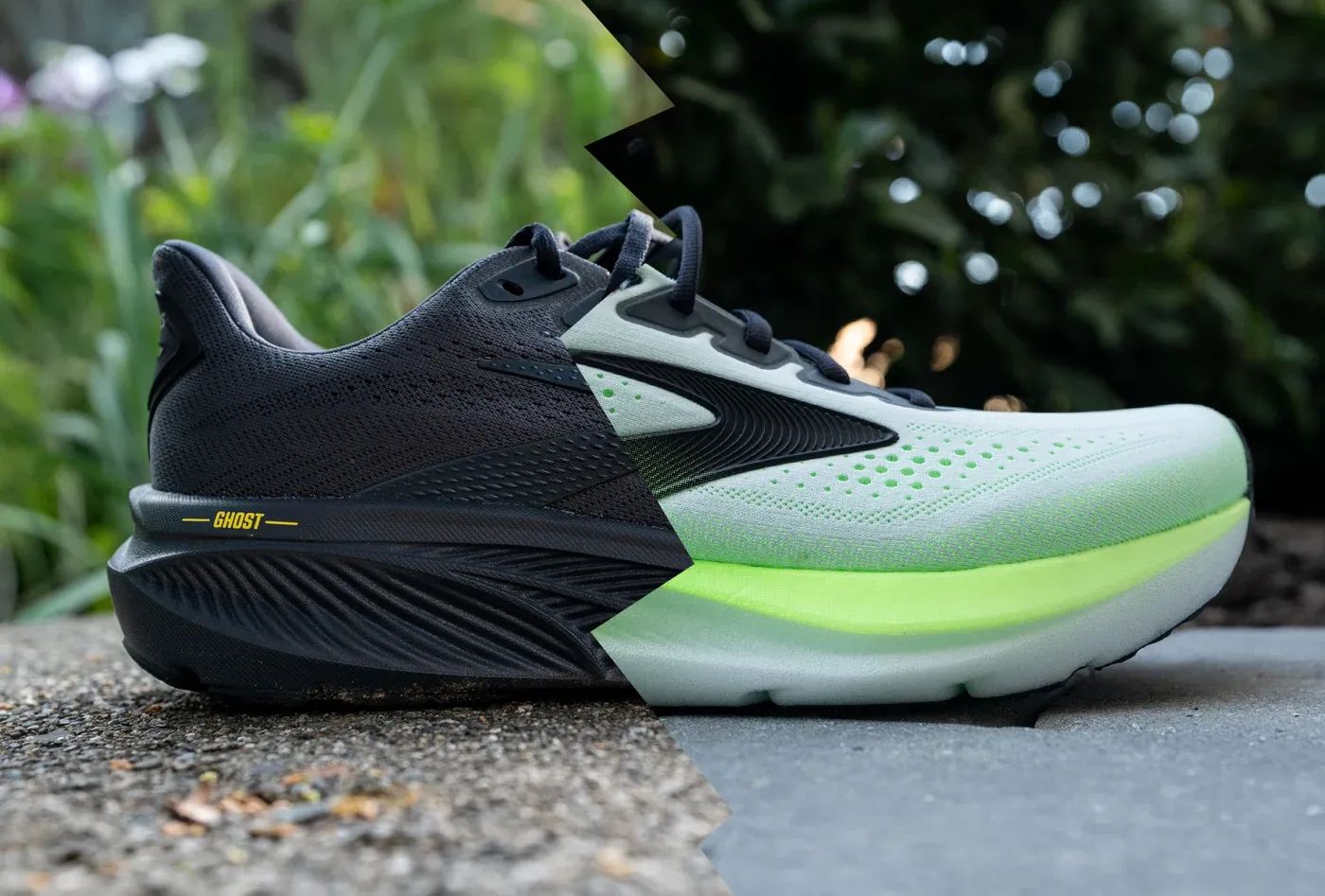
The Brooks Ghost vs Glycerin question is one I get more than almost any other, and it's easy to see why. Both are top-of-the-pack neutral daily trainers from the same brand. Both have huge followings. Both are updated every year, and the names follow you forever once you find one that fits.
But these are two genuinely different shoes, built for different runs and different runners. The differences hold across versions, so even when the latest Ghost or Glycerin number changes, the answer to "which one should I get?" usually doesn't.
I've run in pretty much every Ghost and Glycerin generation Brooks has put out in the last few years, plus most of the rest of the Brooks running shoe range. Here's the line-versus-line breakdown, the way I'd explain it to a friend who's standing in front of the Brooks wall at a running store.
If you purchase gear through links in this article, I may earn a small affiliate commission. For my training tools, exclusive content, newsletter, and more perks become a member, (it's free!). -Alastair ✌🏼
The quick answer
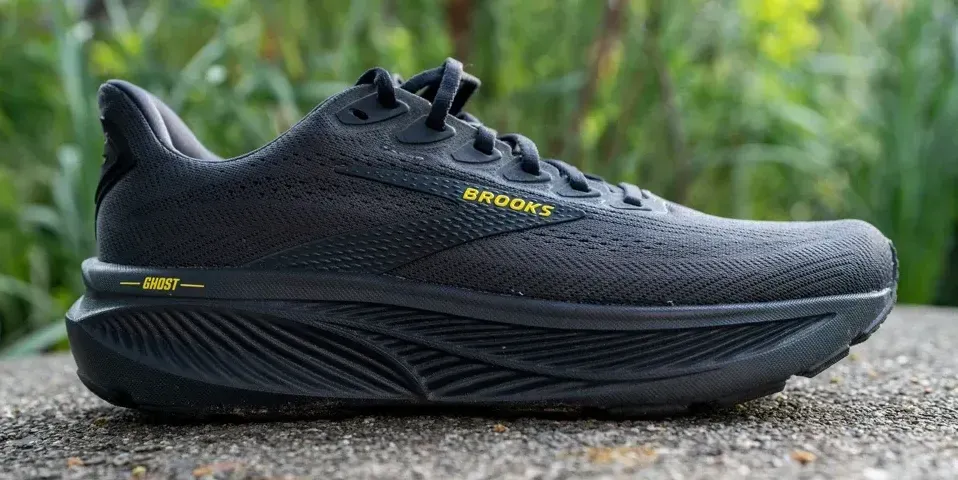
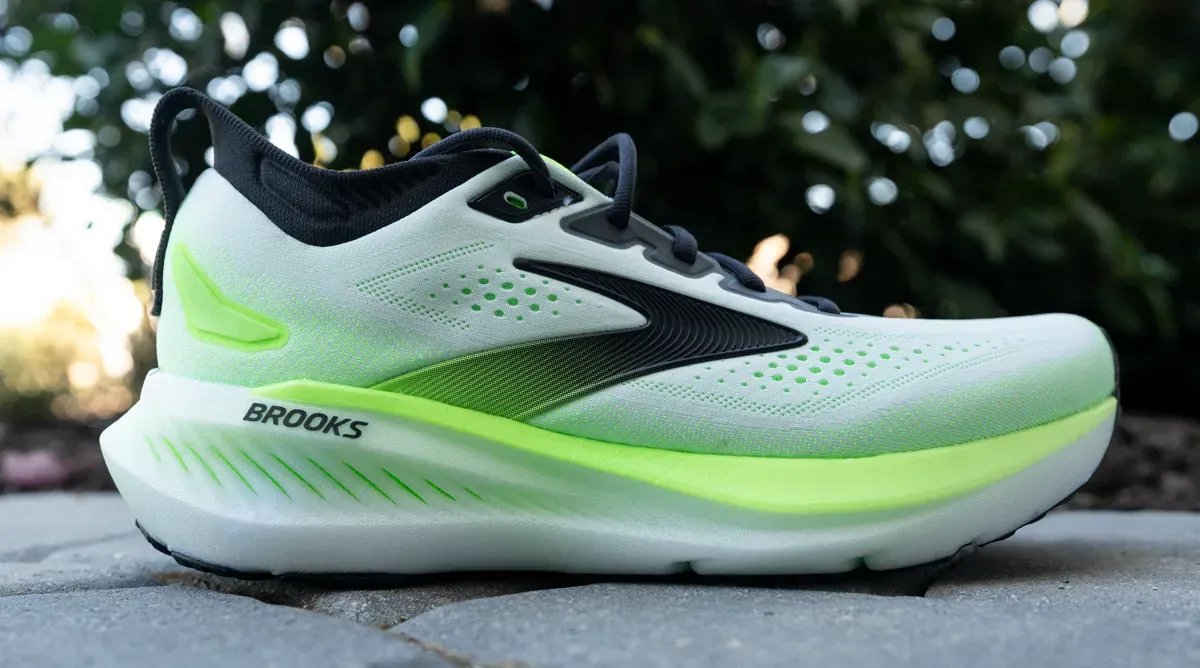
Ghost (left), Glycerin (right)
If you want a lighter, more responsive, more versatile daily trainer with a balanced ride, the Brooks Ghost is the right line for you. It's built to handle the bulk of a runner's weekly training, with enough liveliness to step up the pace when you need to.
If you want a softer, plusher, more protective shoe for long runs, easy days, and recovery miles, the Brooks Glycerin is the right line. It's built around comfort and underfoot protection for runners who want a heel-led, cruise-focused trainer, with the premium upper and price tag to match.
The simplest framing: the Ghost is the everyday workhorse. The Glycerin is the long-run cruiser. Both are excellent at what they do. They're just doing different things.
For the version-specific detail with current specs and on-the-run notes, I have my latest Glycerin review, my latest Ghost review, and a head-to-head Ghost vs Glycerin article with notes from running both shoes back to back. The article you're reading is the line-versus-line view, the one that holds up regardless of which generation you're looking at.
The defining difference: ride character
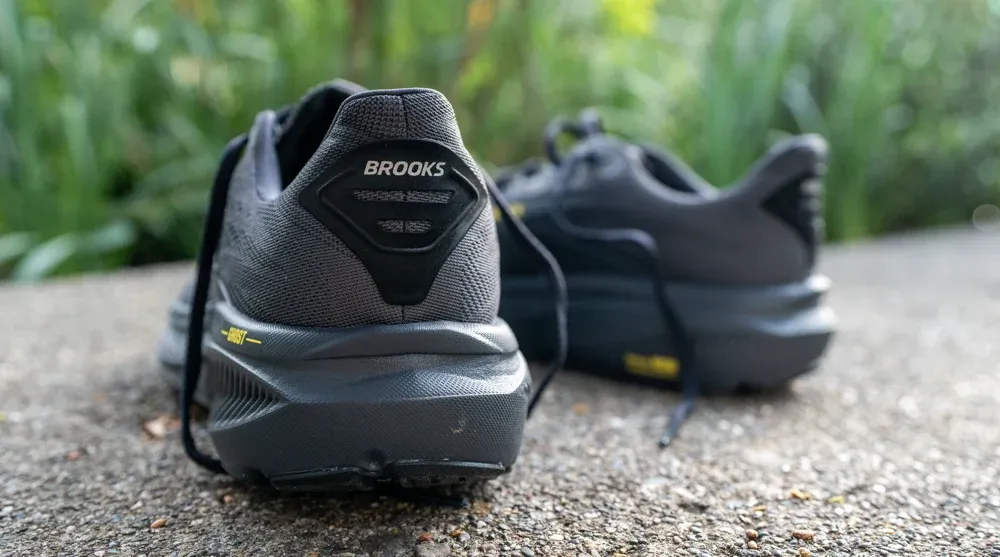
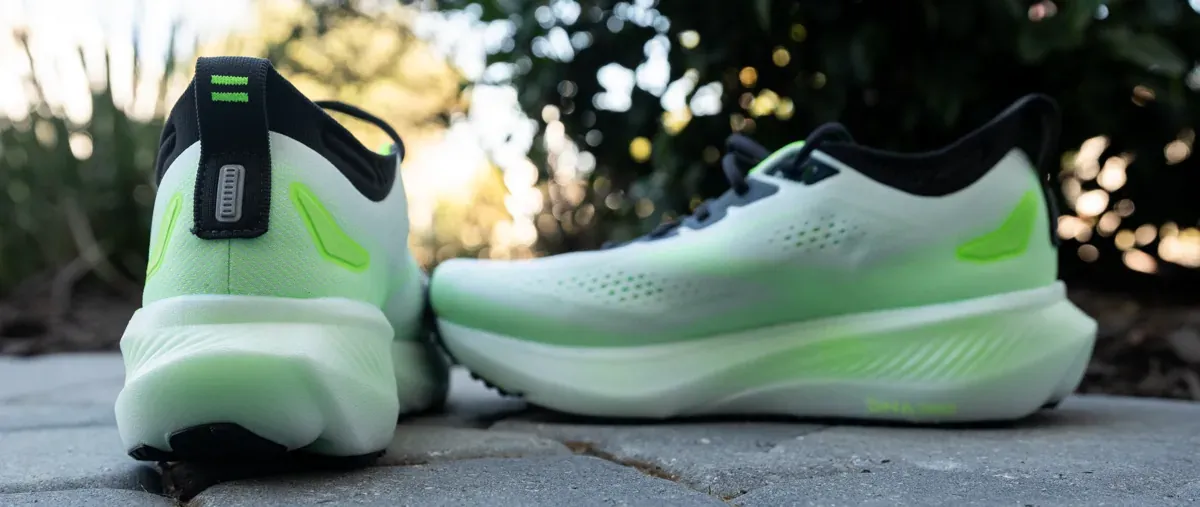
Every other difference between the Ghost and the Glycerin (weight, cushioning depth, price, fit) flows from one core design choice. The Ghost is designed to feel balanced and responsive. The Glycerin is designed to feel soft, cushioned, and rear-loaded.
That choice shows up everywhere. The Ghost typically uses Brooks's lighter, springier midsole foam. The Glycerin uses Brooks's most cushioned foam compound, often in a dual-cell or zoned design that prioritizes heel impact absorption.
When you put both shoes on back-to-back, the difference is immediate. The Ghost feels like a runner's shoe: closer to the ground, more connected, more eager to move. The Glycerin feels like a comfort shoe that happens to be designed for running. There's more foam between you and the road, more give underfoot, more cushion at impact, and a more pronounced heel bias to the ride.
Neither feel is better. They're just for different jobs.
Cushioning character

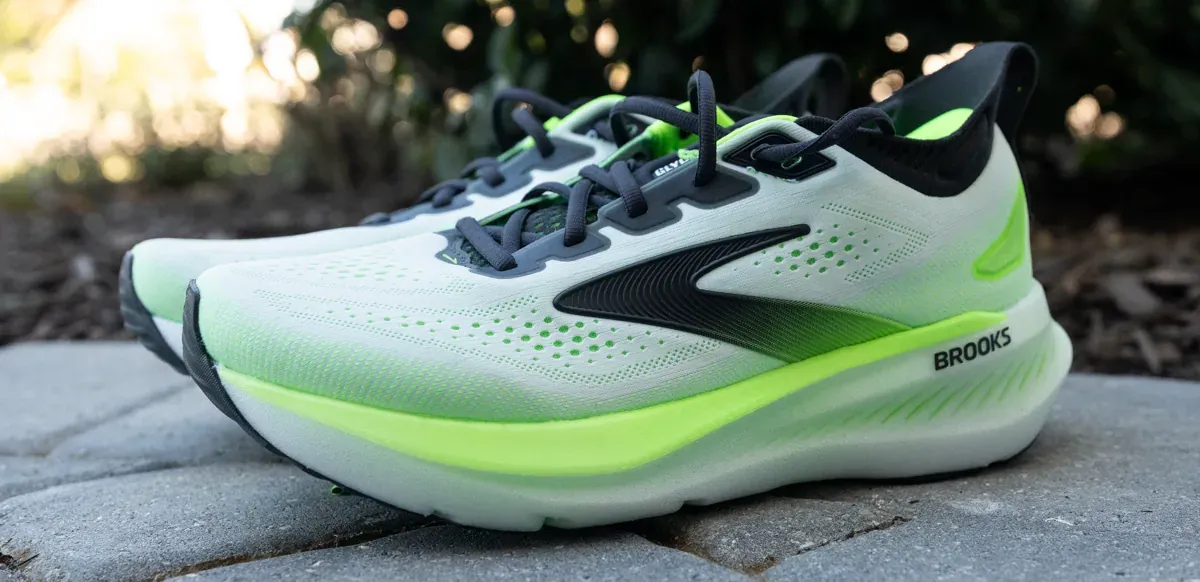
The Ghost's cushioning is best described as balanced. There's enough underfoot to handle daily mileage and longer easy runs, but not so much that the shoe feels muted or muffled. You feel the road in a Ghost. You don't feel beat up by it.
The Glycerin's cushioning is best described as protective and rear-biased. There's noticeably more foam, especially at the heel, and the shoe rewards heel landings.
Brooks has gradually softened and refined the Glycerin's forefoot over recent generations, which has made the front of the shoe feel more forgiving on long runs without changing the heel-led personality.
If you've ever come back from a long, hard run with that flat, beat-up feeling in your feet, you understand the appeal of the Glycerin's approach. It's a shoe built to spare your legs at relaxed paces. The trade-off is that it doesn't feel sharp when you try to pick the pace up.
Weight and stack height
The Ghost line is consistently lighter than the Glycerin line, typically by half an ounce to an ounce in a men's US 9 depending on the generation. That weight difference is real on the run. The Ghost feels nimbler, faster on the foot, less work to turn over.
The Glycerin sits higher off the ground too. Stack heights vary by generation, but the Glycerin consistently runs taller than the Ghost in both heel and forefoot. Combined with the cushioned foam, that taller stack is what gives the Glycerin its more cushioned, less connected ride.
For the runner who likes to feel light on their feet, the Ghost is the easier shoe to love. For the runner who wants the most underfoot real estate Brooks offers in a non-max-cushion shoe, the Glycerin is the answer.
Fit and upper
Both shoes fit reasonably true to size for most runners, with similar last shapes (Brooks tends to run on the slightly narrower side overall).
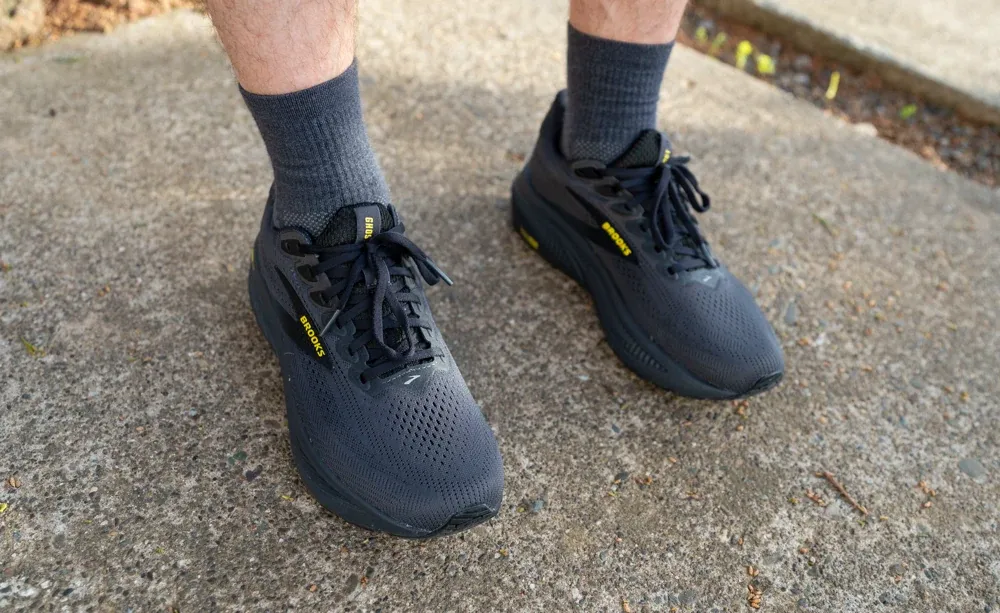
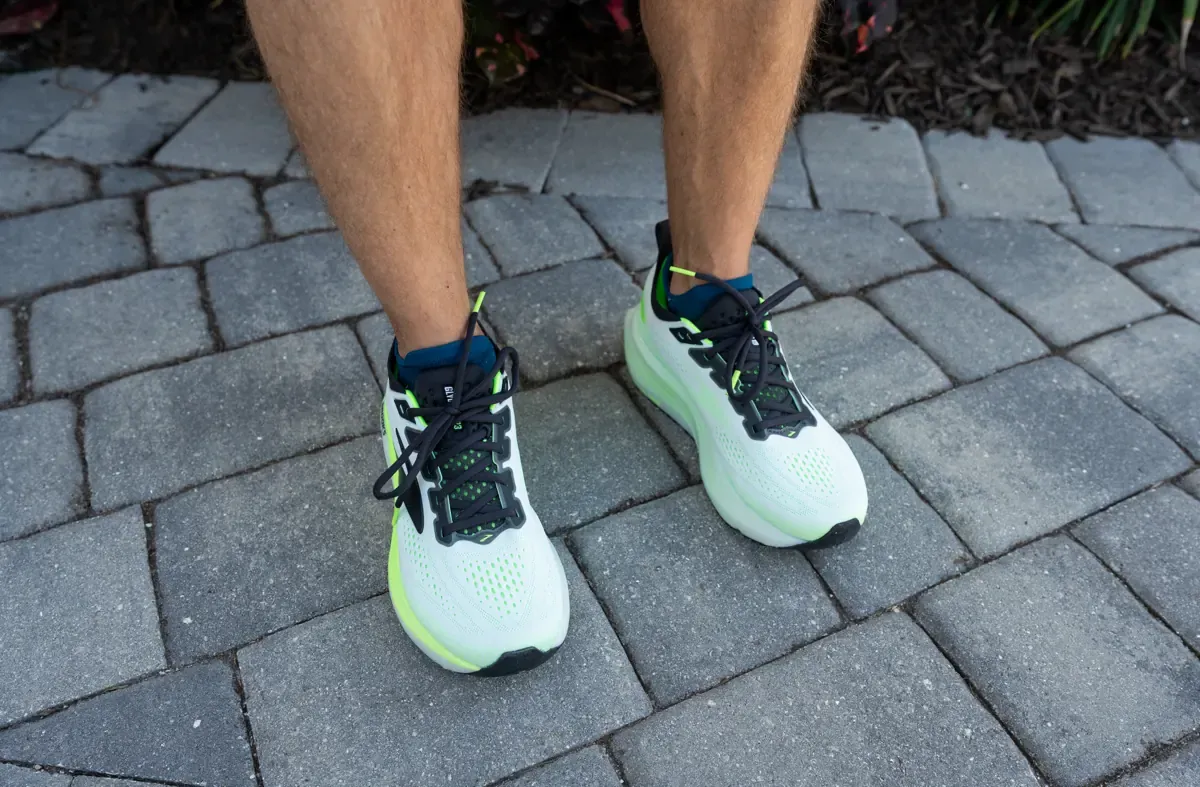
The Glycerin generally has more padding around the ankle and tongue, which is part of the premium feel. The Ghost upper is more streamlined, less padded, and breathes a bit better in hot weather as a result.
The Glycerin's tongue tends to be plusher and the heel collar more padded, which some runners love and others find slightly warm in summer. Breathability has been a recurring weak point for the Glycerin line.
For wider feet, both lines come in 2E (wide) and some generations in 4E (extra-wide). I'd recommend going up a width before going up a half size in either shoe.
Heel-toe drop
Both the Ghost and Glycerin lines have been trimming their heel-to-toe drops in recent generations.

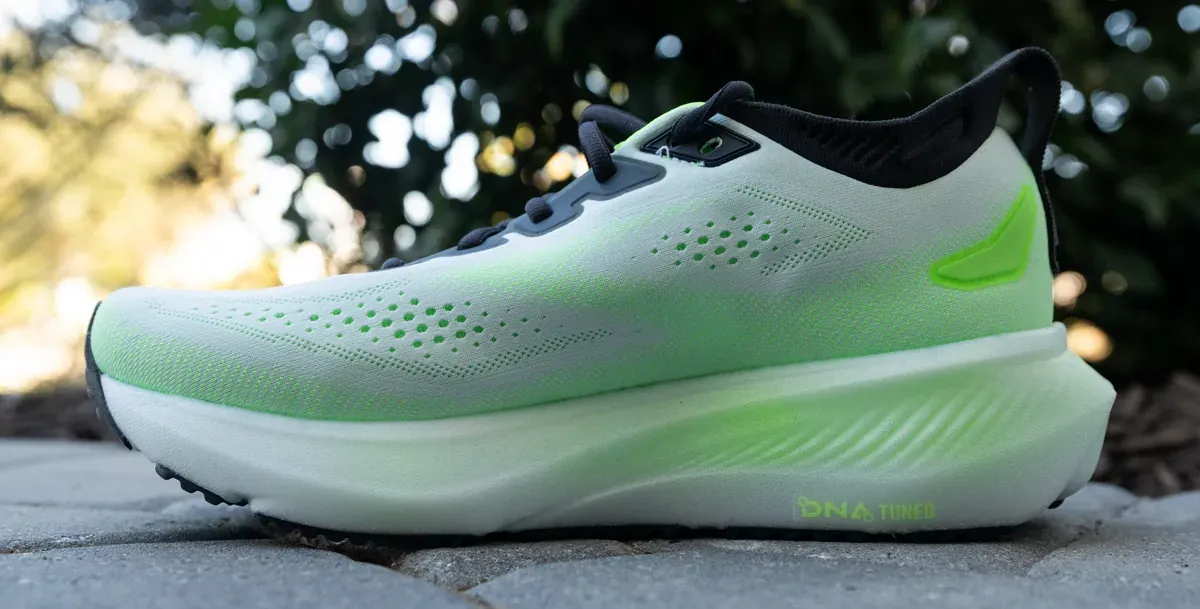
The current Glycerin runs a lower drop than the current Ghost, which is a relatively recent development. The two lines used to sit closer together on drop, and Brooks could move either line again in future updates.
For the latest numbers, check my current Glycerin and Ghost reviews. For most runners, the small drop difference between the two shoes isn't the deciding factor day to day. Foam character, stack, weight, and price all matter more for how the shoe actually feels on the run.
Stability and pronation
Both lines are neutral shoes. Neither has medial posts, dual-density foam, or guidance frames. If you need stability features, look at the Brooks Adrenaline GTS instead, which is Brooks's stability counterpart to the Ghost. For other options across brands, my best stability running shoes roundup is the place to start.
That said, the Glycerin's wider, taller midsole has historically given it an inherently calm, stable feel for a neutral max-cushion trainer, and that's still part of what the line does well.
Neutral runners can run comfortably in either shoe. Mild overpronators tend to do better in a stability shoe like the Adrenaline GTS, regardless of which neutral line they otherwise prefer.
Price point
This is where the two lines part ways most decisively for budget-minded runners. Brooks consistently positions the Glycerin as a $25–$35 premium over the Ghost. Specific prices change with each annual update, but the gap between the two lines stays roughly constant.
That premium shows up in the upper materials (Glycerin uses a more premium engineered mesh, often with multi-jacquard construction and a more cushioned tongue), in the foam compound (more of Brooks's premium DNA-family foam), and in the overall finish. The Glycerin feels like a more expensive shoe in your hand, because it is one.
The Ghost is one of the better-value daily trainers in running. The Glycerin is a premium daily trainer that justifies the premium for the runners who need what it offers.
Best use cases
This is the call that matters most for most runners. Both shoes are neutral daily trainers at heart, so they overlap on the bulk of a typical training week. The differences below are about which shoe fits which slot in your rotation best.
Brooks Ghost is best for:
- Daily training mileage at easy and steady paces
- Beginners learning what running shoes feel like (it's an easy, forgiving introduction)
- Runners who want one shoe that handles 80% of their week
- Lighter runners and those with neutral, efficient strides
- Tighter budgets where premium cushion isn't essential
Brooks Glycerin is best for:
- Long, easy cruising miles where comfort matters more than pace
- Recovery runs after hard sessions or races
- Heavier heel strikers who want a shoe that meets their landing pattern
- Runners returning from injury who want more cushion underfoot
- Runners who specifically want a heel-led, rear-biased feel
- Beginners who want a calm, stable, max-cushion entry point
Some runners use both if they follow a training plan: a Ghost for weekday miles, a Glycerin for the weekend long run or recovery day. That rotation works well, and the two shoes complement each other rather than overlap.
Running training plan generator — road & trail, 5K to 100M
Build a personalized running training plan around your actual race date, current mileage, and experience level. Road and trail, any distance.
 Alastair Dixon
How the lines update each year
Both the Ghost and the Glycerin update on roughly an annual cadence. Brooks updates tend to be iterative. Major changes are rare. Both lines have evolved gradually over years, with foam updates, upper tweaks, and outsole adjustments rather than ground-up redesigns. The character of each line has stayed remarkably consistent across the last 4–5 generations.
If you've loved a Ghost in the past, the next Ghost will still feel like a Ghost. Same with Glycerin. That consistency is part of why both shoes have such loyal followings, and it's why the line-versus-line comparison matters more than the version-versus-version one for most runners.
For the version-specific details on the latest models, see my latest Glycerin review and latest Ghost review, plus my Ghost vs Glycerin head-to-head with notes from running both shoes back to back.
Who should pick the Brooks Ghost
You should pick the Ghost line if any of these describe you:
- You want one daily trainer that handles the bulk of your weekly running
- You're newer to running shoes and want a forgiving, balanced introduction
- You prefer feeling closer to the ground over feeling cushioned above it
- You like a shoe that's nimble and willing to step up the pace
- You want the better value of the two lines
- You're a lighter runner or run mostly easy and steady efforts
The Ghost is the more versatile and approachable of the two lines. For most runners asking "Ghost or Glycerin?", the Ghost is the right starting point.
Who should pick the Brooks Glycerin
You should pick the Glycerin line if any of these describe you:
- You want maximum underfoot comfort for long, relaxed cruising miles
- You're a heel striker and you want a shoe that meets your landing pattern
- You're returning from injury or want a shoe that protects your legs over high mileage
- You prefer plush, premium uppers and a more cushioned in-shoe feel
- Your budget can stretch to a premium daily trainer
- You already own a faster shoe for tempo work, and this is your easy-day cruiser
The Glycerin is the more specialized of the two lines. For runners who specifically want what soft, heel-led cushioning offers, it's one of the better options out there. It's also a regular feature in my best cushioned running shoes roundup and my best running shoes for heavy runners guide, both of which are worth a look if you're shopping in that direction.
My verdict
If I had to pick just one line of the two for the average runner, I'd pick the Ghost.
It's lighter, cheaper, more versatile, and covers more of a runner's weekly mileage with no compromise. It's also the easier shoe to wear all day, which matters for some readers.
The Glycerin is the better choice for runners who specifically want a heel-led, rear-loaded cruise feel, and there's a real category of runners (heel strikers, higher mileage on relaxed efforts, recovery-focused, premium-budget) for whom it's the clearly better tool.
The two-shoe answer, if you can swing it, is to put the Ghost in your rotation for daily and steady miles, and add a Glycerin for long easy runs and recovery. They complement each other cleanly without overlapping, and most weekly schedules benefit from having both options on the shelf.
Whatever you pick, the good news is that both lines are reliable across years. Neither shoe has fundamentally let me down across the generations I've tested.
Other Brooks daily trainer options worth looking at
If neither the standard Ghost nor the standard Glycerin is quite right, Brooks has a few specialized variants worth knowing about. I've reviewed each of these:
- Brooks Adrenaline GTS review — the stability counterpart to the Ghost (mild to moderate overpronation). Buy at Brooks
- Brooks Ghost Max review — a max-cushion Ghost with a more rocker-driven ride. Buy at Brooks
- Brooks Glycerin Max review — the most cushioned shoe Brooks makes, sitting above the Glycerin in stack height and price; my Glycerin vs Glycerin Max comparison covers when the extra $25 is worth it.
- Brooks Glycerin Flex review — a plated, more responsive version of the Glycerin platform. Buy at Brooks
- Brooks Hyperion for a faster, lighter daily trainer if the Ghost feels too heavy
Still not sure? My running shoe finder matches you to the right shoe based on your gait, weekly mileage, terrain, and budget.
The Best Running Shoe Finder 2026
Answer 5 quick questions and get matched to the best running shoe for your training style, ride preference, and foot shape.
Alastair Dixon
If you haven't already, signup for my free newsletter, and subscribe to my YouTube Channel for more content like this. -Alastair
Written by

Subscribe to new posts
reviews, training tips, and thoughtful stories for runners









Member discussion