Best Stability Running Shoes 2026: 11 Tested Picks
The 11 best stability running shoes of 2026, tested over real miles. Modern guidance that steers without correcting, ranked by how they run.


How I chose the best stability running shoes for this list
When it comes to finding the best stability running shoes, I approach new releases with a critical eye and a commitment to honest, no-fluff reviews.
Updated November 2026: the new On Cloudrunner 3 Max joins at #8 as the max-cushion protection pick, and the Adrenaline entry moves to the just-released GTS 26 with its comfier flat-knit upper.
Every shoe featured in this roundup has been tested by me on real-world runs—covering everything from steady daily miles to longer, higher-intensity efforts where stability, support, and overall comfort really matter.
Every review you read here, or watch on my YouTube channel reflects my personal experience with the shoes, based on real training. I stay objective and independent, with a goal of helping you find the right support shoe for you, not just the one that may be trending on social media.
The Best Running Shoe Finder 2026
Answer 5 quick questions and get matched to the best running shoe for your training style, ride preference, and foot shape. Updated to v5.5 May 2026
 Alastair Dixon
If you purchase gear through links in this article, I may earn a small affiliate commission. For my training tools, exclusive content, free newsletter, and more perks become a member, (it's free!). -Alastair ✌🏼
What are stability running shoes for?
Stability running shoes are designed to provide support and control for runners who overpronate.
Overpronation occurs when the foot rolls inward excessively after landing, which can lead to various injuries – you’re probably here because you’ve been told you overpronate, and need to buy a pair of supportive shoes.
One of the most common of those injuries is shin splints, and if that's what brought you here, my guide to the best running shoes for shin splints is the more focused place to start.
If a sore Achilles is what drew you here, the Adrenaline's 10mm drop is the reason it leads my best running shoes for Achilles tendonitis stability picks.
Best Running Shoes For Achilles Tendonitis: 8 Tested Picks
Shoes don’t cure Achilles tendonitis, but drop and rocker measurably reduce tendon strain. My 8 tested picks, plus what actually heals it.
 Alastair Dixon
You’re in the right place, and in good hands because I’ve tested and reviewed all the running shoes on this list with a focus on how they perform as stability running shoes.
Stability shoes typically feature enhanced arch support, a firm midsole, and other structural elements that help guide the foot into a more neutral position during the stride, and I’ll explain how each shoe in this list uses the brand’s technologies to make them stable.
It's also no secret that heavier runners are a primary stability-shoe audience, so if that's you read my best running shoes for heavy runners roundup too.
Key Features of Stability Running Shoes:
- Arch Support: Enhanced to support the arch and prevent excessive inward rolling of the foot.
- Midsole Technology: Often includes dual-density foam or a firm rather than plush foam.
- Heel Counter: A firm heel counter provides additional stability, helps maintain proper foot alignment, and gives good heel lock-down.
- Durability: Generally built with durable materials to withstand the added strain of correcting pronation.
Why runners use roads when there’s a sidewalk right there?
Why so many runners choose the road over the sidewalk—it’s not rebellion, it’s rhythm, comfort, and flow.
 Alastair Dixon

3 Benefits of Using Stability Running Shoes:
- Injury Prevention: By correcting overpronation, these shoes can help prevent common running injuries such as shin splints, plantar fasciitis, and knee pain.
- Improved Comfort: Better support leads to increased comfort during runs, particularly on longer distances.
- Enhanced Performance: With proper alignment and support, runners can maintain a more efficient stride, potentially improving overall performance.
Stability running shoes are often ideal for runners with flat feet or low arches too, though flat arches don't automatically mean you need support; my best running shoes for flat feet guide explains how to tell.
Best Running Shoes for Flat Feet (2026): Tested Picks
The best running shoes for flat feet, tried and tested. Flat feet aren’t the same as overpronation; here’s how to tell, plus 8 proven picks.
 Alastair Dixon
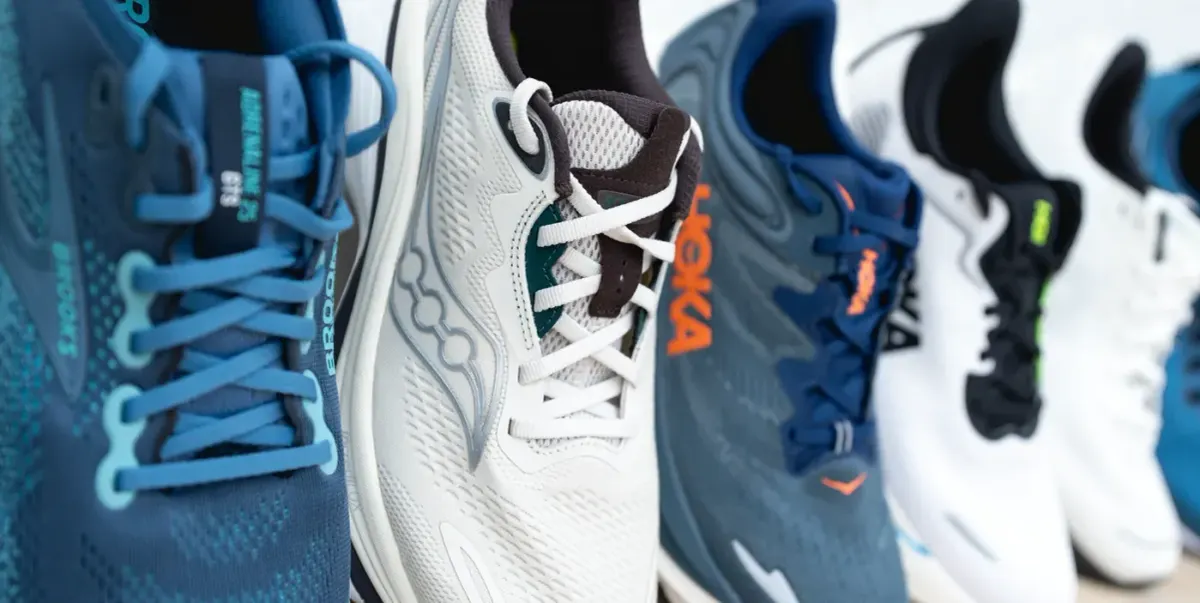
If you're new to running, and unsure whether you need stability shoes, a gait analysis at a specialty running store can help determine the best shoe type for your running style. My Brooks Ghost vs Adrenaline comparison also walks through the neutral-or-stability decision using two nearly identical shoes. OR, just let me know your situation in the comments and I'll reply with some top picks for you.
If support isn't your main concern and softness is what you're after, my best cushioned running shoes guide is the better starting point.
All weights listed in this roundup are for a size US(M)9 - my pair.
11. Adidas Ultraboost 5X
Price: $180 at Dicks Sporting Goods
Adidas Ultraboost 5X Review: Daily Trainer With A Hidden Ace
This latest iteration of the Ultraboost is more than just a comfortable lifestyle shoe, the 5X is finally a serious daily trainer once again.
 Alastair

Fit: True to size, medium width | Weight: 9.3 oz (264g) | Drop: 10mm (38mm heel, 28mm forefoot)
The Adidas Ultraboost 5X is a max-cushioned, supportive shoe built for runners and anyone needing all-day comfort. Its Light Boost foam delivers a plush, energetic ride, while the Continental outsole and Torsion System add grip and stability, making it a strong choice for long runs, walking, or everyday wear.
10. New Balance Fresh Foam X 860v15
Price: $150 at New Balance
New Balance Fresh Foam X 860v15 review: the plush stability daily trainer reinvented
More cushion, a refined Stability Plane, and a seriously comfortable ride but is the extra weight worth it for your training?
 Alastair Dixon

Fit: True to size, roomy forefoot, secure midfoot lockdown | Weight: 11.5oz (326g) | Drop: 8mm (43mm heel / 35mm forefoot)
The New Balance Fresh Foam X 860v15 is a cushioned stability daily trainer built for runners who want support that feels natural rather than intrusive, especially on easy runs, long miles, and heavy training weeks.
The big update is the more max-cushioned feel underfoot, with a dual-density Fresh Foam X setup and refined Stability Plane that guide your gait without that old-school overcorrected sensation. It feels planted, protective, and smooth through transitions, with enough comfort to double as an all-day walking shoe too, though the heavier build makes it much more of a steady-day workhorse than anything you’d want for speed sessions.
9. On Cloudrunner 3 Max
Price: $180 at On
On Cloudrunner 3 Max Review: Max-Cushion Stability, Tested
On gave its stability trainer the max treatment: dual Helion foams, 7mm more stack, and real protection over the Cloudrunner 3's planted ride. Here's who it suits, and the weight trade to know.
 Alastair Dixon
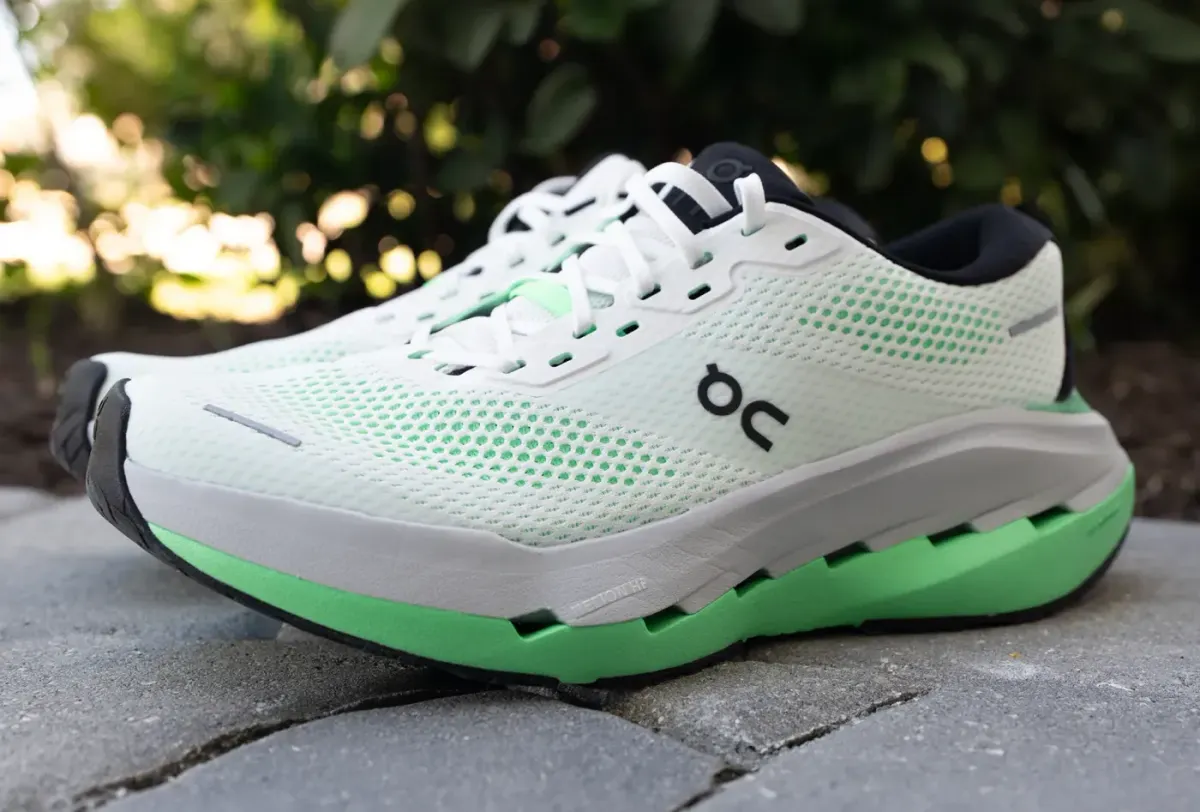
Fit: True to size, secure hold, snugger toe box | Weight: 12oz (340g) | Drop: 8mm (38mm heel / 30mm forefoot)
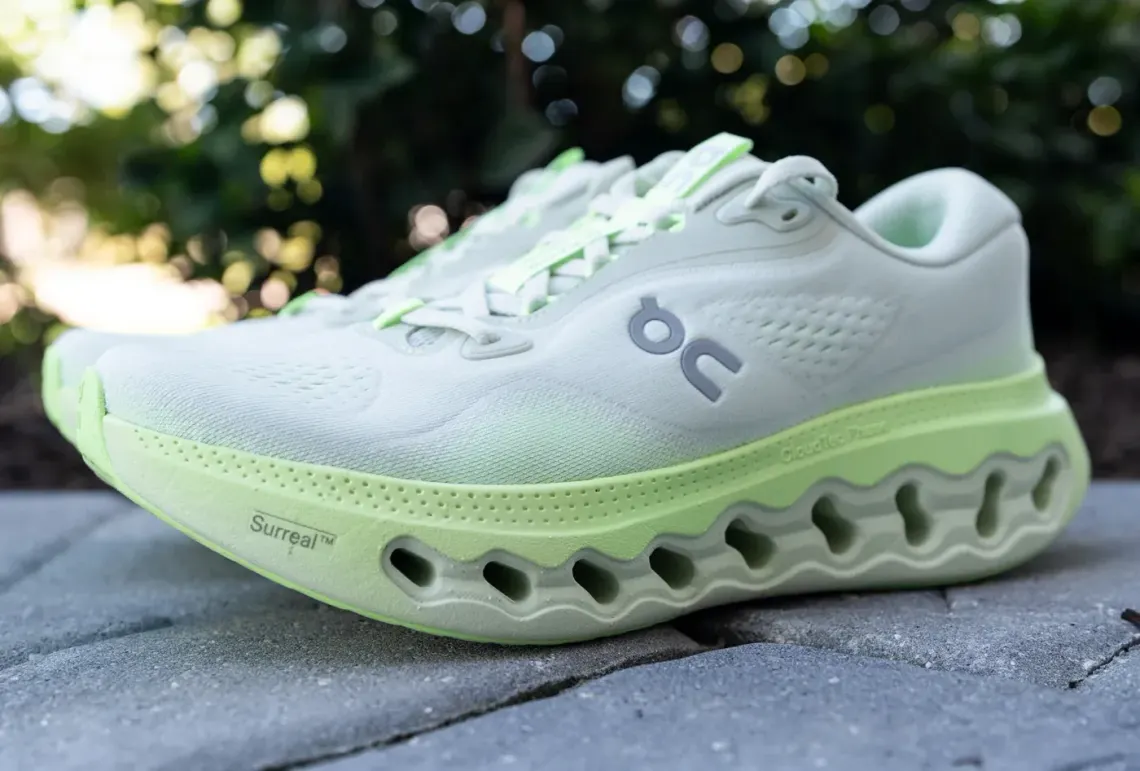
The On Cloudrunner 3 Max is the max-cushion protection pick of this list: the Cloudrunner 3's calm, planted stability with roughly 7mm more stack and a new dual-foam midsole (softer Helion HF over firmer Helion) absorbing the impact.
There's no medial post; the wide base, raised sidewalls, and heel clip keep the foot centered, and the taller platform never wobbles. For heavier runners, beginners building mileage, and mild overpronators who want maximum protection on easy and long miles, it's one of the most reassuring rides here.
The trade is weight: at 12oz with flat energy return, it's a dedicated easy-to-steady-paces tool rather than a versatile trainer, and that's exactly the job it's built for.
8. ASICS Gel-Kayano 32
Price: $165 at REI
ASICS Gel-Kayano 32 review: Smooth stability, plush comfort refined
ASICS’ flagship stability shoe evolves with a livelier ride, adaptive support, and max-cushioned comfort for long miles, recovery jogs, all day wear.
 Alastair Dixon

Fit: True to size in length and width with a snug toe box | Weight: 10.5oz (298g) | Drop: 8mm
The ASICS Gel-Kayano 32 continues the legacy of one of running’s most trusted stability shoes with a more dynamic and forgiving feel. The FF BLAST™ PLUS midsole and PureGEL™ heel insert create a soft yet responsive ride, while the 4D GUIDANCE SYSTEM™ adapts to your stride in real time, providing noticeable correction for overpronation without feeling intrusive.
Support is impressive but natural, making the Kayano 32 a great choice not only for runners who overpronate but also for neutral runners seeking added stability over long distances. The snug, adaptive mesh upper hugs the foot securely, though it can feel slightly warm on hot days.
There’s plenty of cushioning for marathon training blocks or recovery runs, yet enough forward-rolling energy to keep transitions smooth and efficient.
Stability matters even more as the miles stack up, which is why a max-cushion stability pick made my long distance running shoes roundup too.
Best long distance running shoes of 2026: 8 tested picks
The shoes that hold up when the miles get long: cushioned cruisers, super trainers, and stability picks, all tested.
 Alastair Dixon
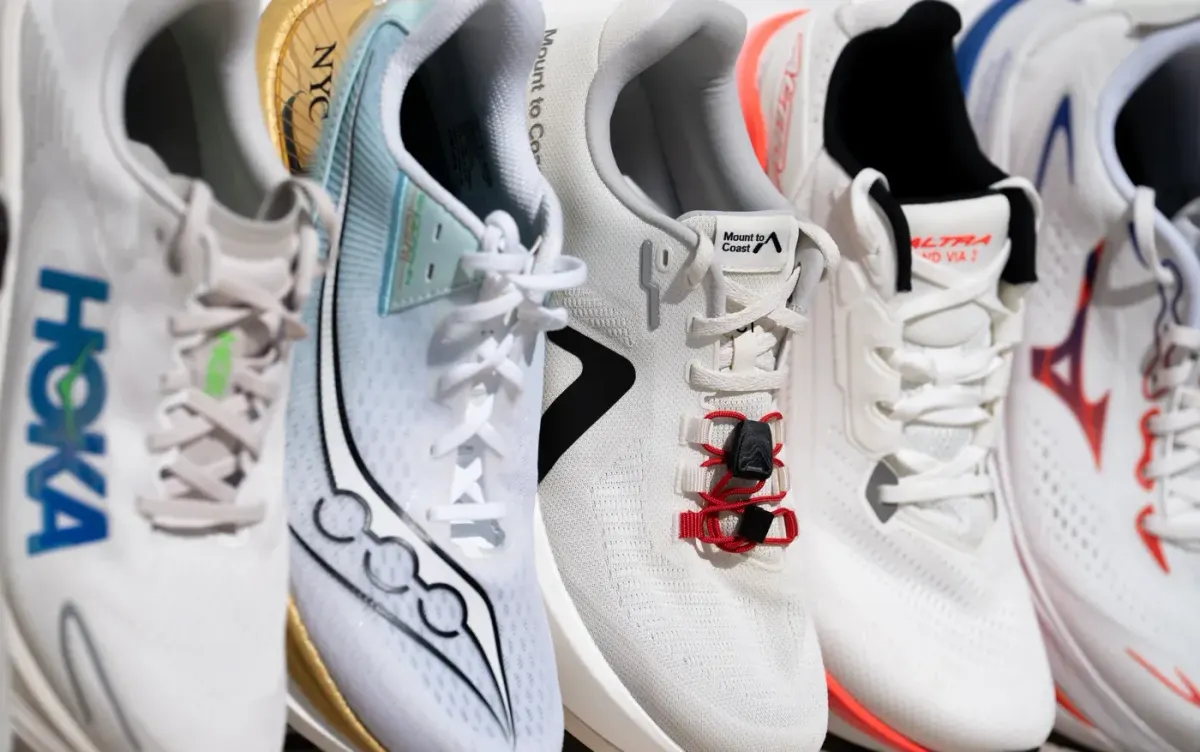
Update: ASICS launched the Gel-Kayano 33 in June with a new FluidSupport system replacing the 4D Guidance described above. I'm getting it on my feet; this entry covers the 32, which remains widely available and often discounted.
7. Mount To Coast P1
Price: $160 at Mount To Coast
Mount To Coast P1 Review: A Stability Running Shoe HIT!
The Mount To Coast P1 lives up to its promise as a top-performing stability shoe and once again this new brand has impressed me.
 Alastair

Fit: True to size, medium width | Weight: 9.6oz (272g) | Drop: 10mm
The Mount To Coast P1 is a lightweight, supportive daily trainer built for runners who need extra stability, especially those with flat feet or who overpronate.
Its LightCell foam midsole offers a soft, springy ride, while the integrated support features like the 3D Arch Rail keep your stride steady across long runs and everyday miles.
Use code TRAIL10 for 10% off your order at Mount To Coast
6. Saucony Guide 19
Price: $150 at Saucony.com
Saucony Guide 19 boosts comfort with a softer foam and upgraded outsole durability
A smooth, steady daily trainer for runners who want guided support without the fuss.
 Alastair Dixon
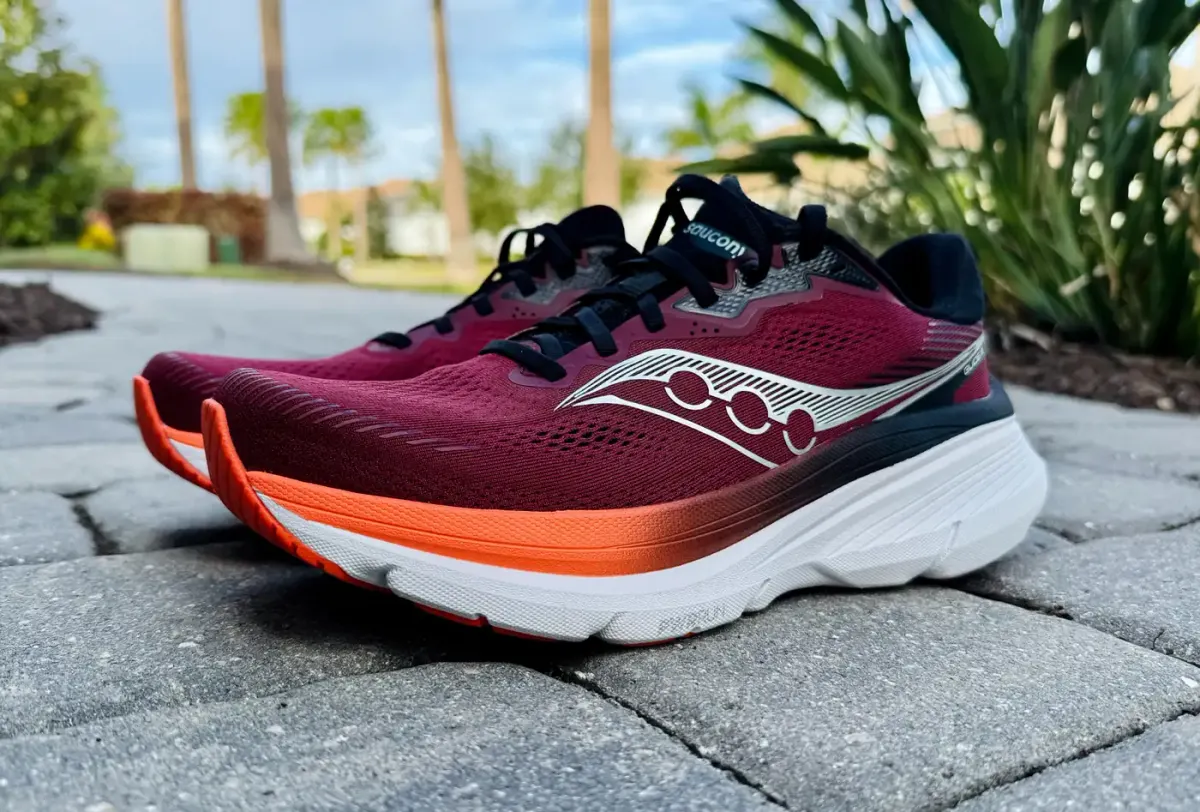
Fit: True to size, room for natural toe splay | Weight: 10.4oz (295g) | Drop: 6mm (35mm heel / 29mm forefoot)
The Saucony Guide 19 is the shoe I recommend to runners who aren't sure whether they need stability at all. Its CenterPath system uses high sidewalls and a wide, planted base to cradle the foot rather than push it, so neutral runners and mild overpronators both get something out of it, and nobody gets overcorrected.
The softer PWRRUN foam pushes the ride into near-max-cushion territory while staying smooth and forgiving on tired legs, and the upgraded outsole finally sorts the durability of earlier versions. Think of it as a neutral shoe with support baked in; if you turn out to need stronger pronation control, that's Hurricane territory at the top of this list.
5. HOKA Arahi 9
Price: $155 at REI
Hoka Arahi 9 Review: Cooler, Softer, Same Smooth Ride
I tested the Hoka Arahi 9; weighing in at 9.7 oz in a US 9, it has a cooler upper, slightly softer ride, and the Arahi 8’s smooth roll left intact.
 Alastair Dixon
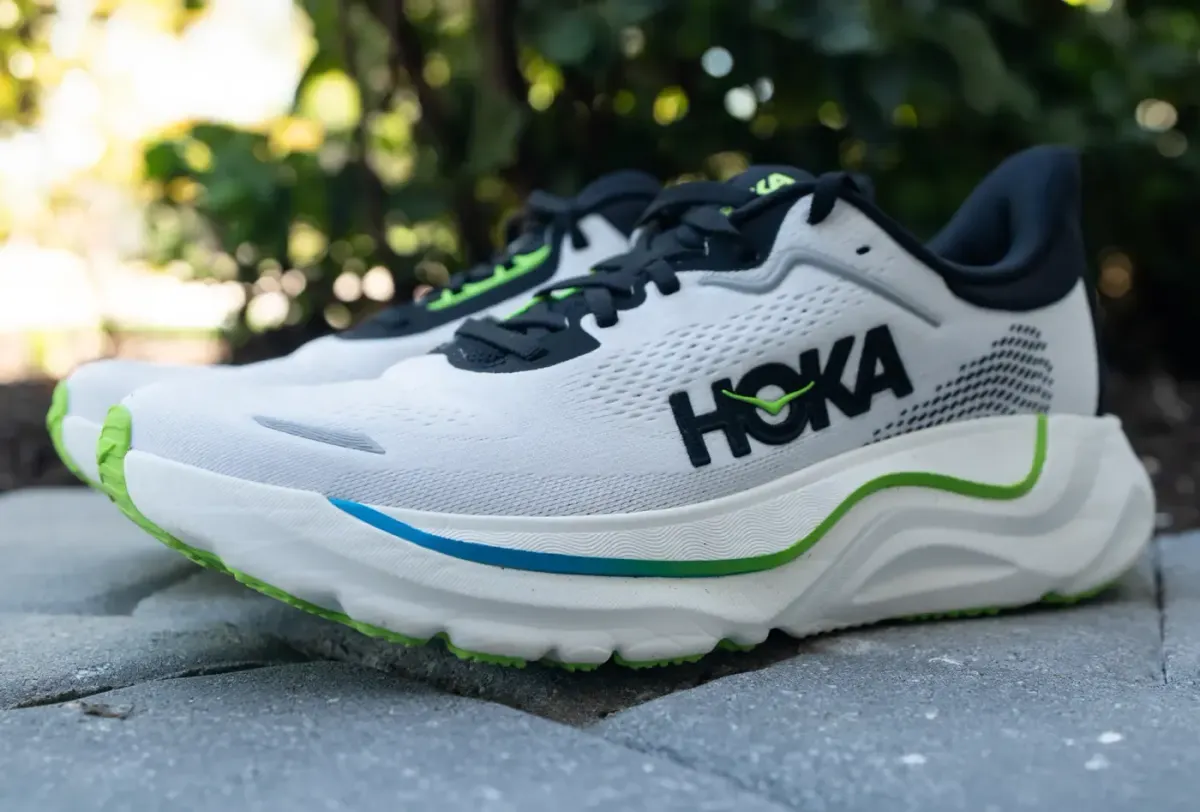
Fit: True to size, accommodating toe box (D and 2E widths) | Weight: 9.7oz (275g) | Drop: 8mm (39mm heel / 31mm forefoot)
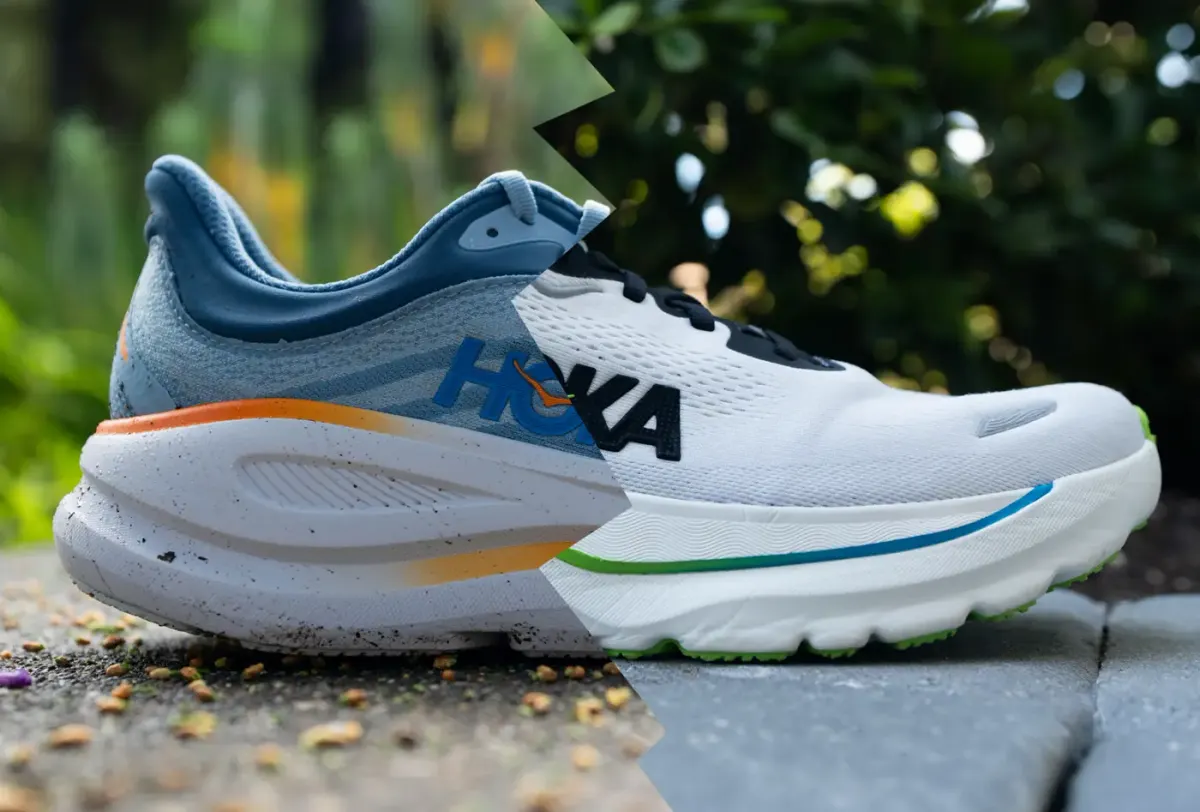
The HOKA Arahi 9 keeps everything that earned the Arahi 8 its place here and fixes its two remaining complaints. The dual-density CMEVA midsole took a clear step softer, particularly at the heel, which pays off as late-run comfort on longer efforts, and the new engineered mesh upper is genuinely breathable, so hot-climate runners are finally fully served.
The enhanced H-Frame supports both the medial and lateral sides and works like a quiet support net, keeping your stride aligned without ever forcing it, and engaging most when fatigue sets in. It stays nimble for a stability shoe and handles moderate paces willingly, though tempo days still belong elsewhere, and it remains one of the best walking crossovers in the category.
Torn between this and the neutral Bondi? My Hoka Arahi vs Bondi comparison explains which stride each one suits.
Hoka Arahi vs Bondi: which one do you actually need?
Arahi 9 vs Bondi 9 compared after testing both. One guides your stride, one buries the road: how to pick between support and cushion.
 Alastair Dixon
4. Brooks Adrenaline GTS 26
Price: $155 at Brooks
Brooks Adrenaline GTS 26 Review: Tried & Tested
Brooks keeps the GuideRails formula and fixes the upper: a softer flat-knit tongue on the same reliable stability ride. Who should upgrade, and who can wait.
 Alastair Dixon
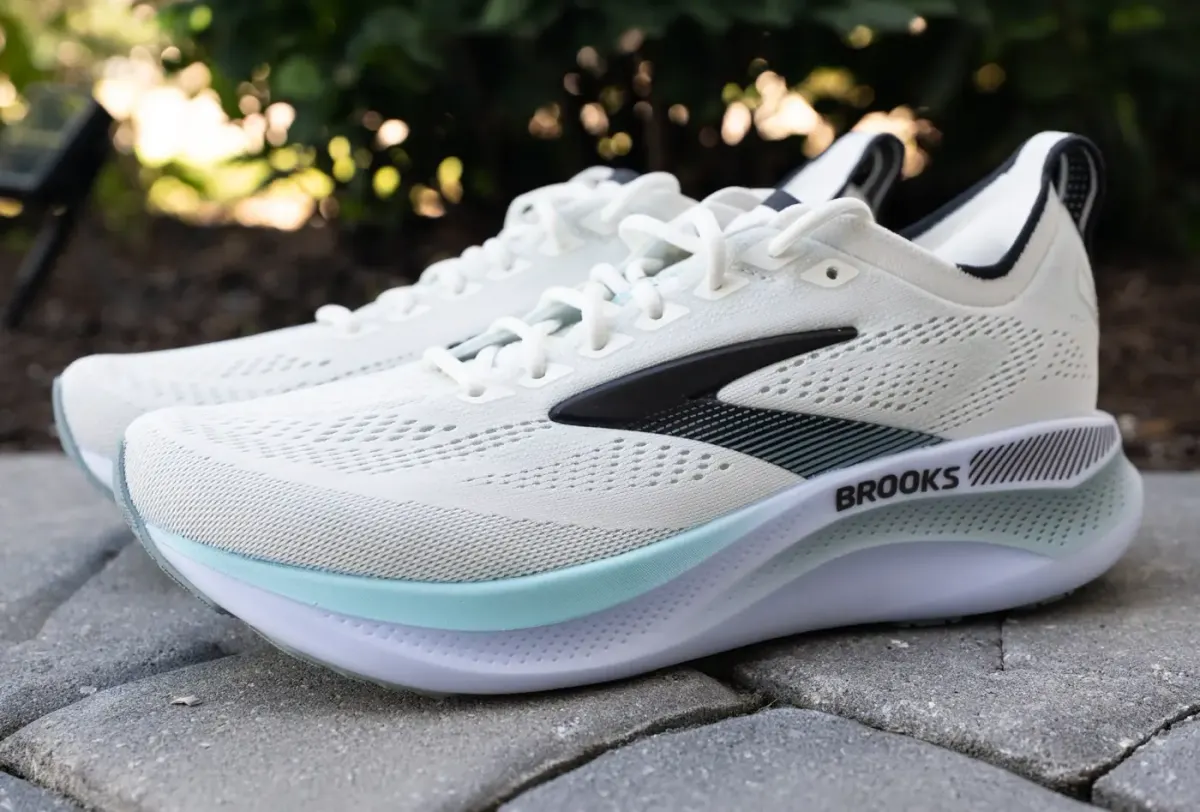
Fit: True to size, accommodating volume (Wide available) | Weight: 10.7oz (303g) | Drop: 10mm (36mm heel / 26mm forefoot)
The Adrenaline GTS 26 keeps everything that's made this the dependable stability benchmark, the soft DNA LOFT v3 platform and quiet GuideRails guidance, and fixes the one comfort niggle: a new soft flat-knit tongue and refreshed collar replace the GTS 25's bulkier, warmer top-of-foot feel.
The heel-biased cushioning makes it particularly great for heel strikers, with protective landings and clean transitions through the 10mm drop, and the support only speaks up when form breaks down late in a run. For overpronators logging daily miles, long runs, and plenty of walking, it remains the set-it-and-forget-it pick.
This post is for subscribers only
Subscribe to continue reading
Written by