
Brooks Ghost vs Adrenaline: which one is the right choice?
Brooks Ghost vs Adrenaline compared after testing both. My performance comparison, the one difference that matters, and which one to buy.

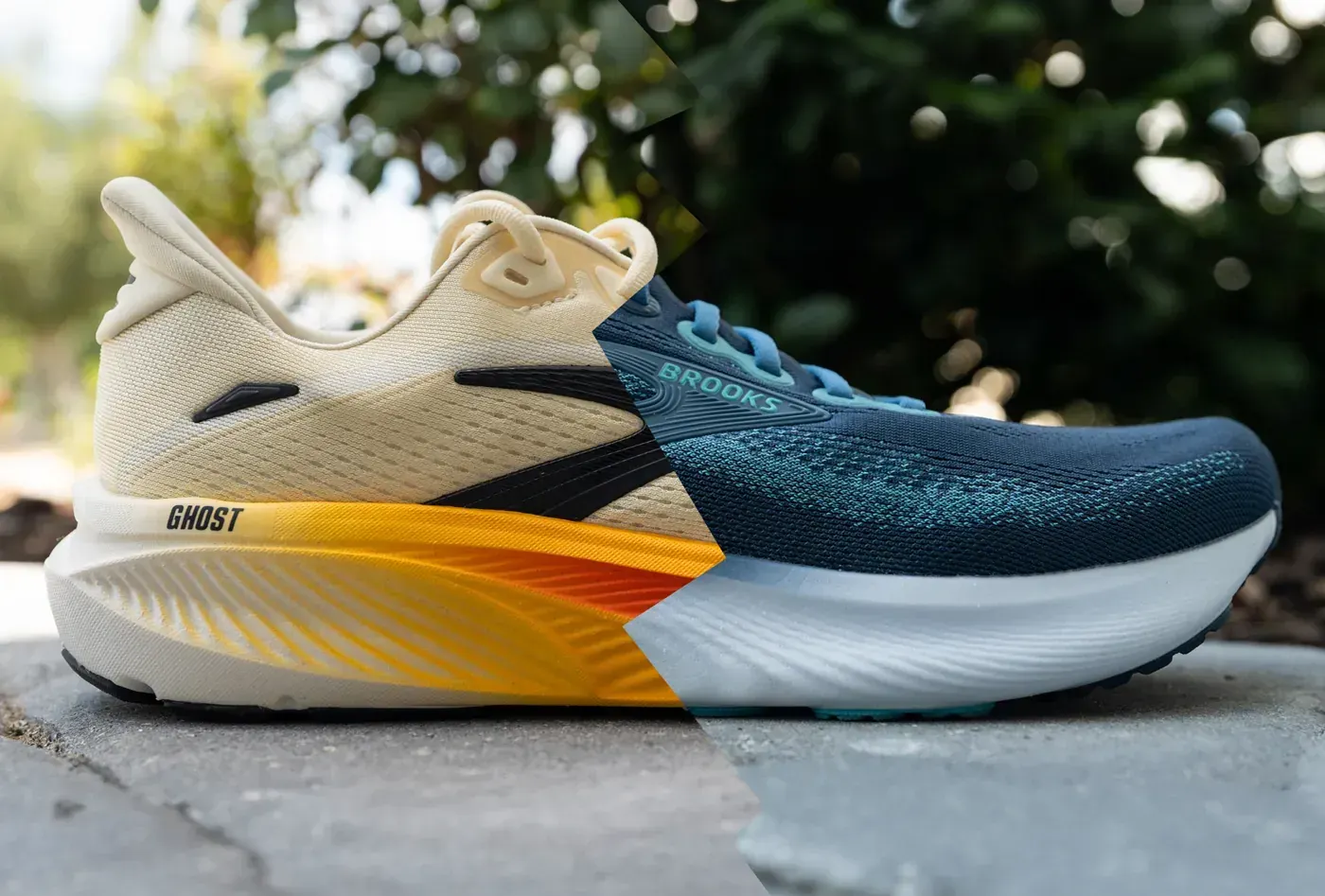
The Ghost vs Adrenaline decision is the classic fork in the road at the Brooks decision wall, and it's usually the first shoe choice a new runner ever has to make.
The good news: it's also one of the simplest, once you know what you're actually choosing between.
These are two of the closest siblings in the entire Brooks lineup. They share the same midsole foam, the same drop, the same outsole rubber, and nearly the same price.
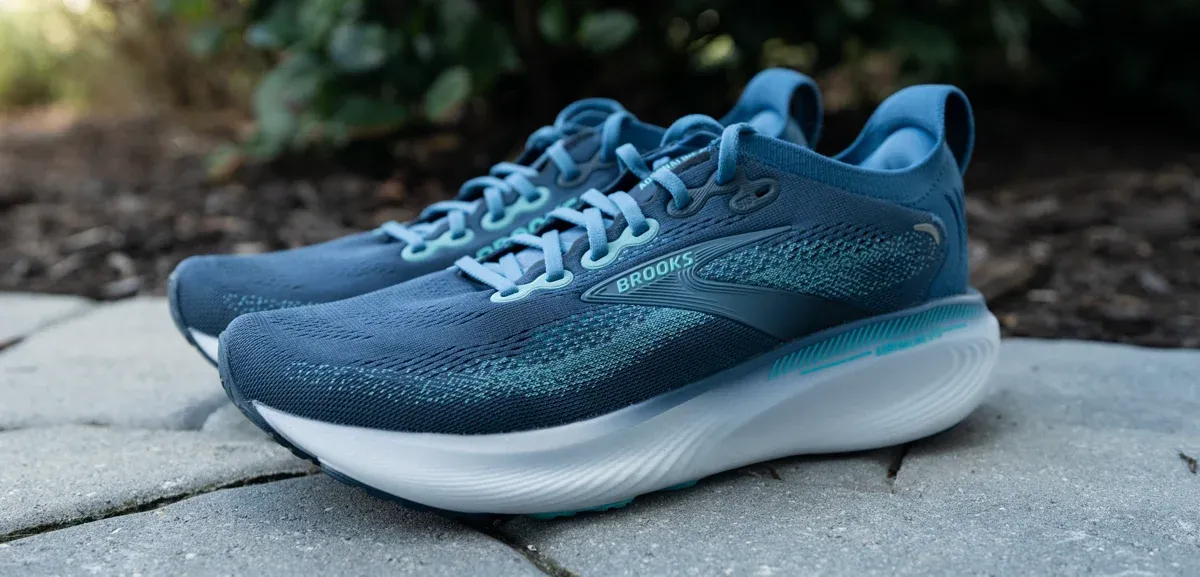
I've been running the current versions of both, the Brooks Ghost 18 and the Brooks Adrenaline GTS 25. Here's how to pick the right pair for you, in about five minutes.
If you purchase gear through links in this article, I may earn a small affiliate commission. For my training tools, exclusive content, newsletter, and more perks become a member, (it's free!). -Alastair ✌🏼
The quick answer
If you're a neutral runner, get the Ghost. It's the do-it-all daily trainer most people default to for a reason, with a balanced ride that disappears underfoot on easy and long miles.
If you overpronate, or you simply feel better with a guided, secure stride, get the Adrenaline. It's the same recipe with GuideRails support added, and that support is the entire reason to choose it.
That's genuinely the whole decision. Everything else about these two shoes is remarkably similar, which is exactly why the choice confuses so many people.
Side by side: my measured numbers
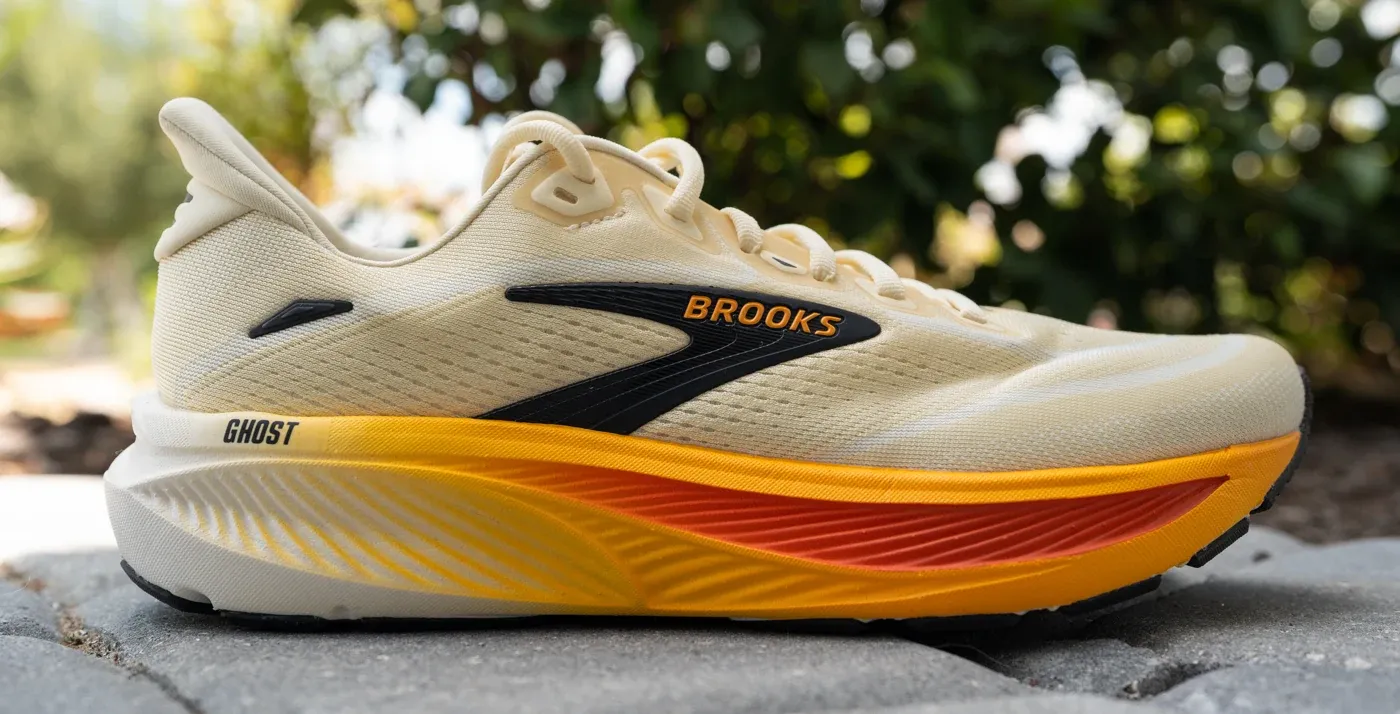
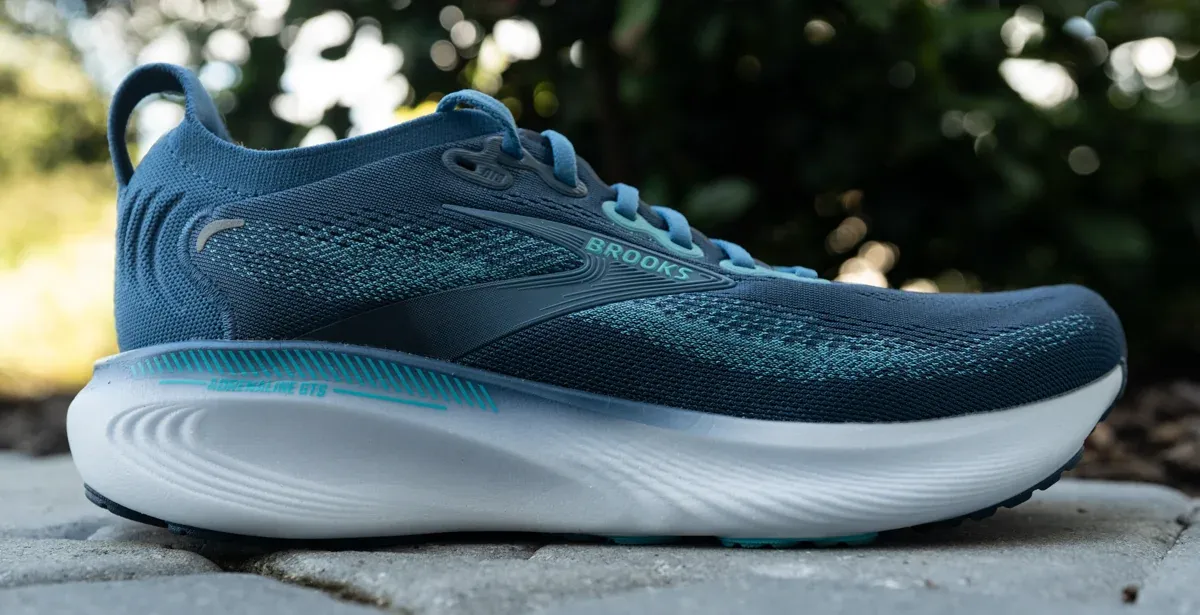
| Ghost 18 | Adrenaline GTS 25 | |
|---|---|---|
| Price | $150 | $155 |
| Weight (my pair, US M9) | 10.6 oz (301g) | 10.2 oz (289g) |
| Drop | 10mm | 10mm |
| Support | Neutral | GuideRails stability |
| Midsole | DNA Loft v3, nitrogen-infused | DNA Loft v3, nitrogen-infused |
| Outsole | RoadTack rubber | RoadTack rubber |
| Widths | Narrow, Standard, 2E, 4E | Standard and wide options |
| Best for | Neutral daily miles, long runs, all-day wear | Guided daily miles, overpronation, walking |
Yes, you're reading the weights right. On my scale, the stability shoe is the lighter one, by 0.4 oz.
Brooks Ghost 18 review: softer, smoother, more refined
I tested Brooks’ best-selling daily trainer in Florida heat to see if the new upper, tongue, and ride upgrades live up to the Ghost name.
 Alastair Dixon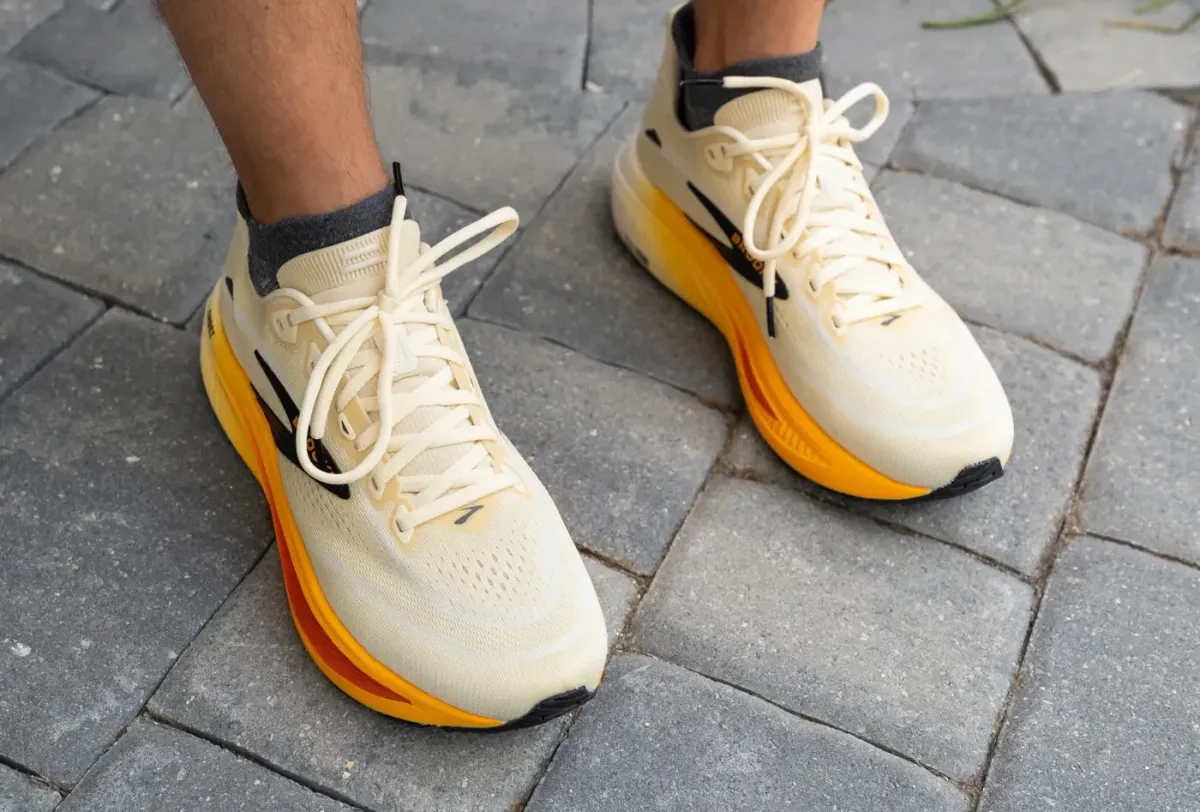
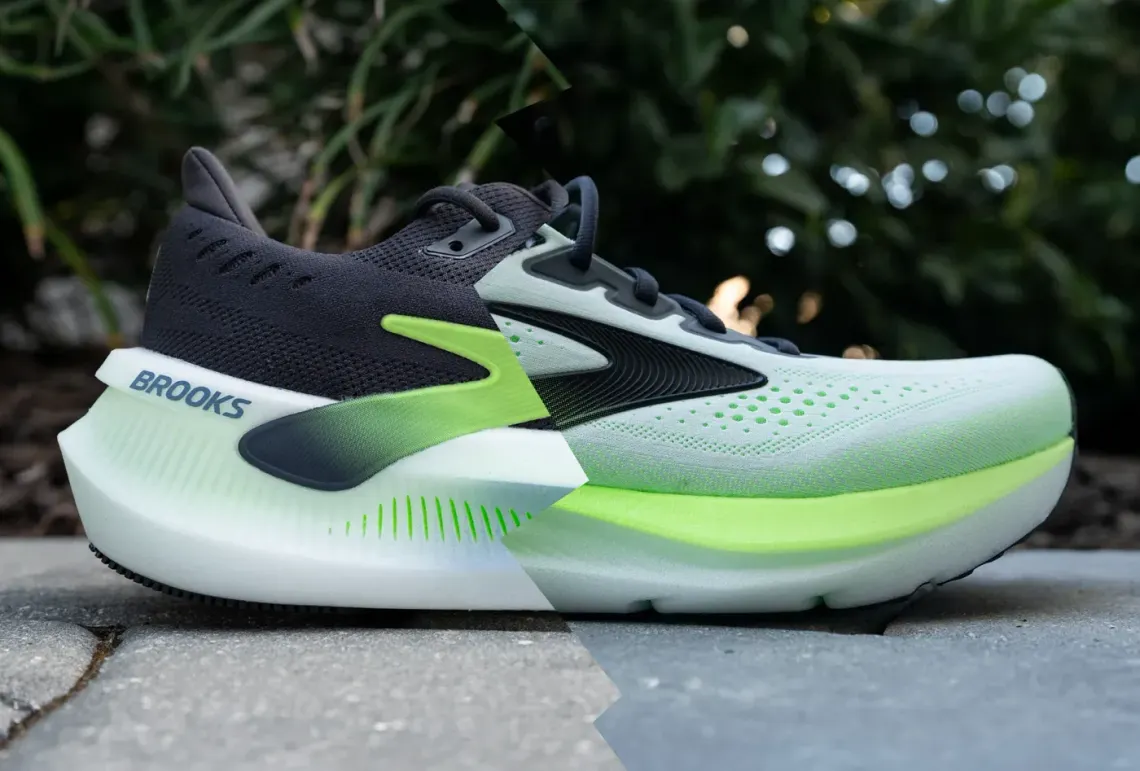
Brooks Adrenaline GTS 25 review: softer cushioning, roomier fit, same reliable support
Comfort meets consistency but this one’s more of a side-step than a leap forward.
 Alastair Dixon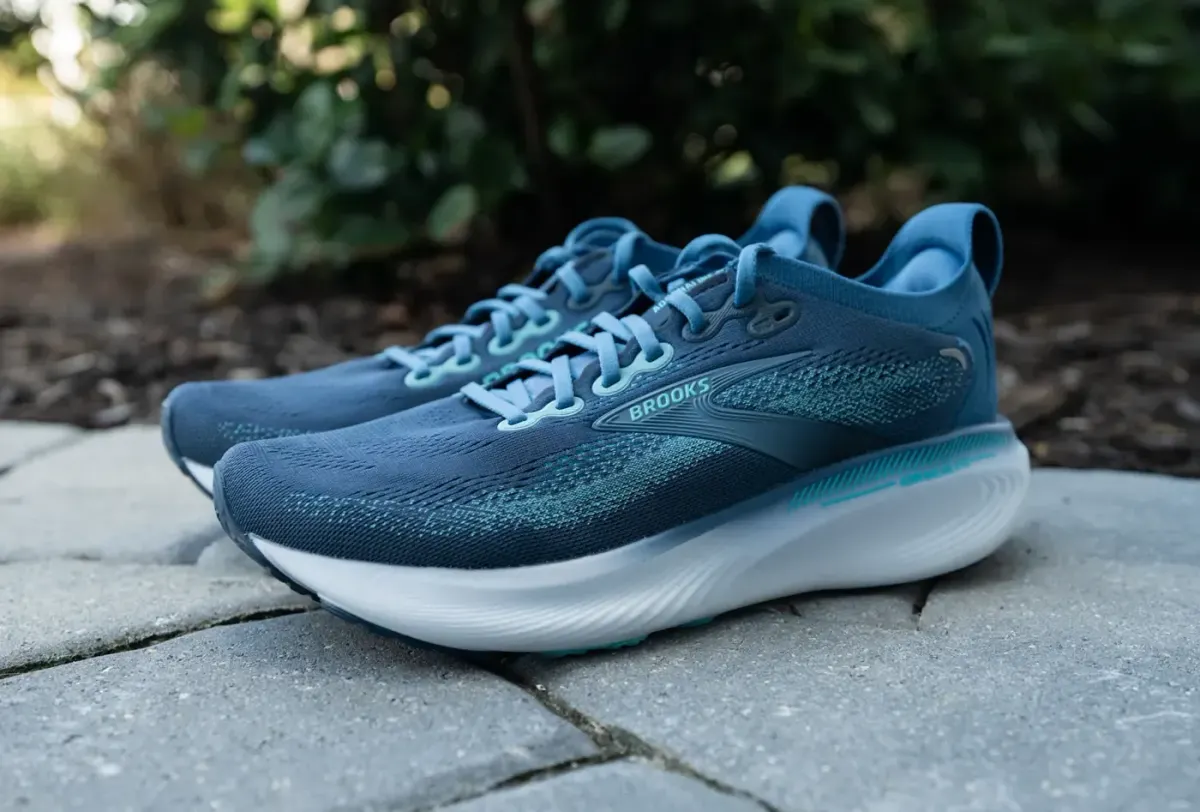
They're closer siblings than most rivals
Before getting to the difference, it's worth being clear about how much these shoes share, because it changes how you should think about the choice.
Both use Brooks's nitrogen-infused DNA Loft v3 foam, both run a traditional 10mm drop that heel strikers will feel right at home on, both use RoadTack rubber compound that holds up impressively well, and both are built for the same job: easy runs, long runs, recovery days, and all-day wear.
Neither is a fast shoe.
There's no rocker on the Ghost and no snap in the Adrenaline, so whichever you pick, plan on it handling the easy end of your week and pairing it with tempo running shoes that manage speed training much better.
The one real difference: GuideRails support
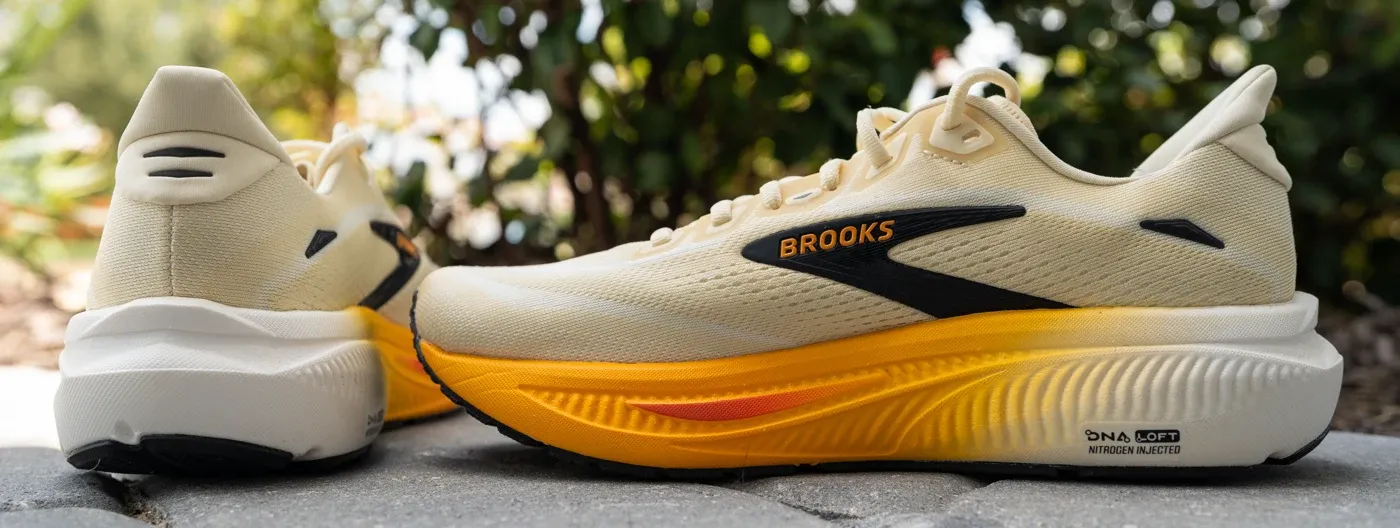
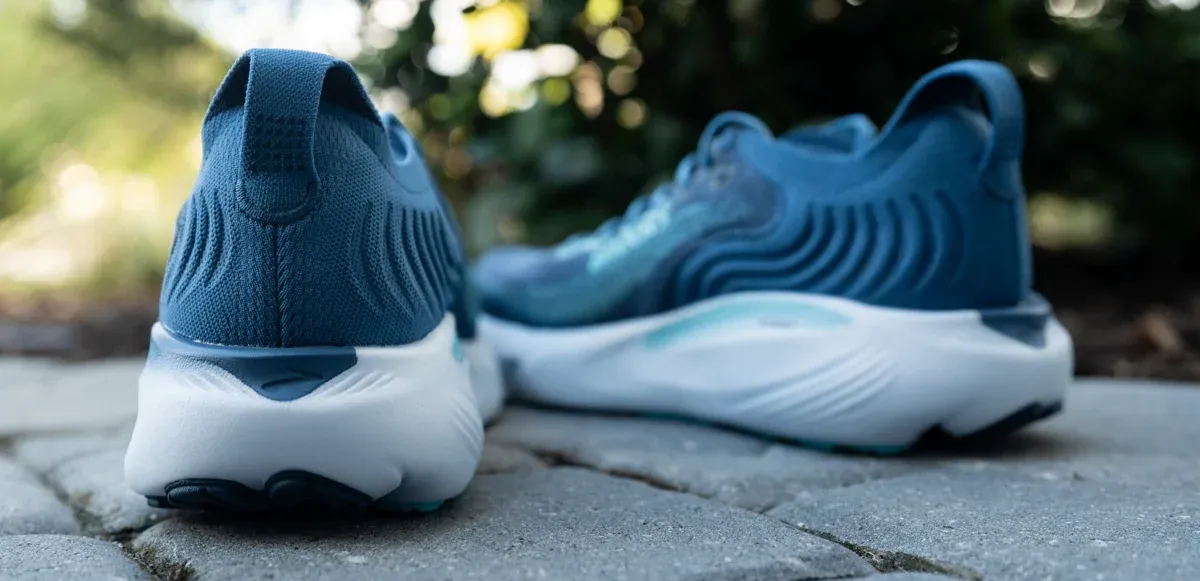
GTS stands for 'Go-To Support', and the Adrenaline's GuideRails system is what earns it.
It adds stability through the medial side and heel, and it does its job quietly, guiding your gait gently into alignment without intruding on natural motion.
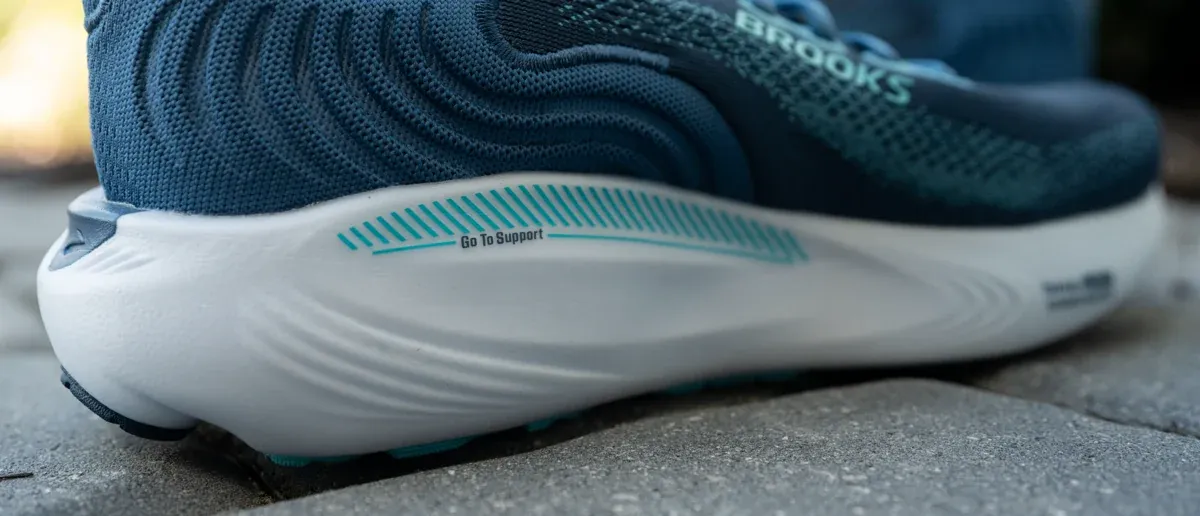
That's why it works both for runners who overpronate and for runners who simply prefer a secure, structured feel underfoot.
The Ghost has none of that.
It's a purely neutral platform, and if your stride doesn't need correcting, that's exactly what you want; nothing between you and a balanced, predictable ride.
If you're not sure which camp you're in, my best stability running shoes roundup covers how to tell whether you overpronate before you spend either amount.
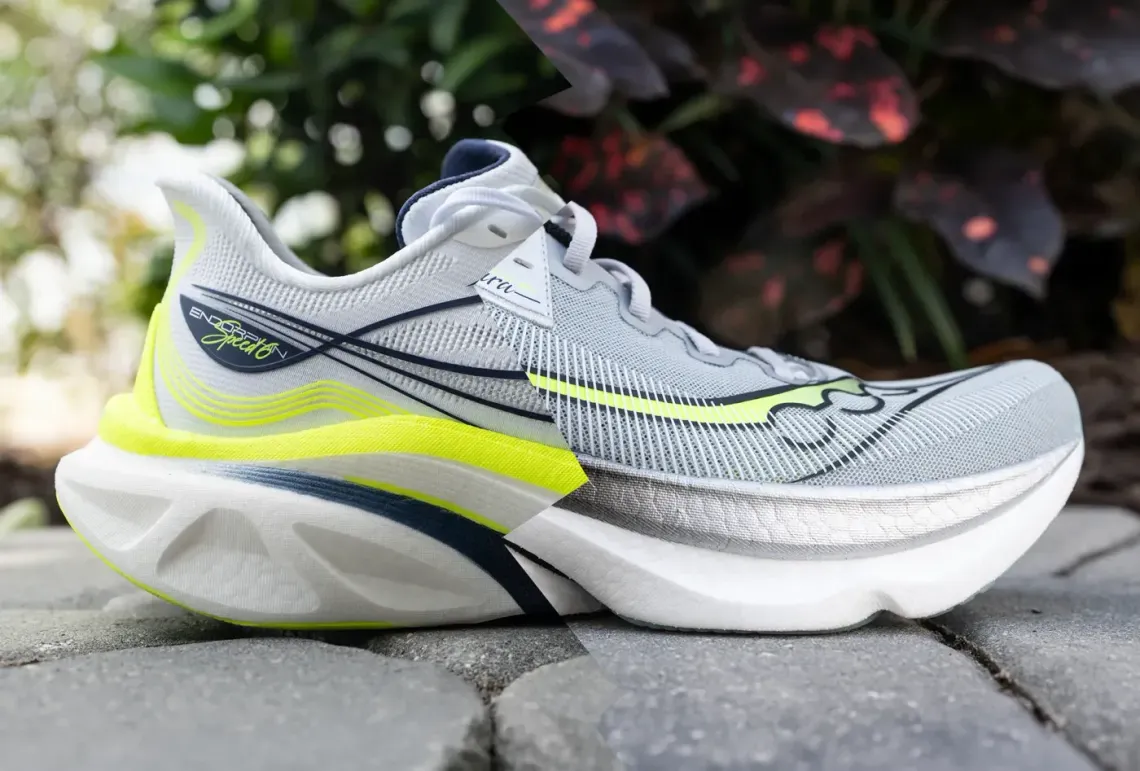
The 11 Best Stability Running Shoes, Right Now
Supportive, cushioned running shoes built to keep your stride steady during daily runs, longer efforts, and recovery days.
 Alastair Dixon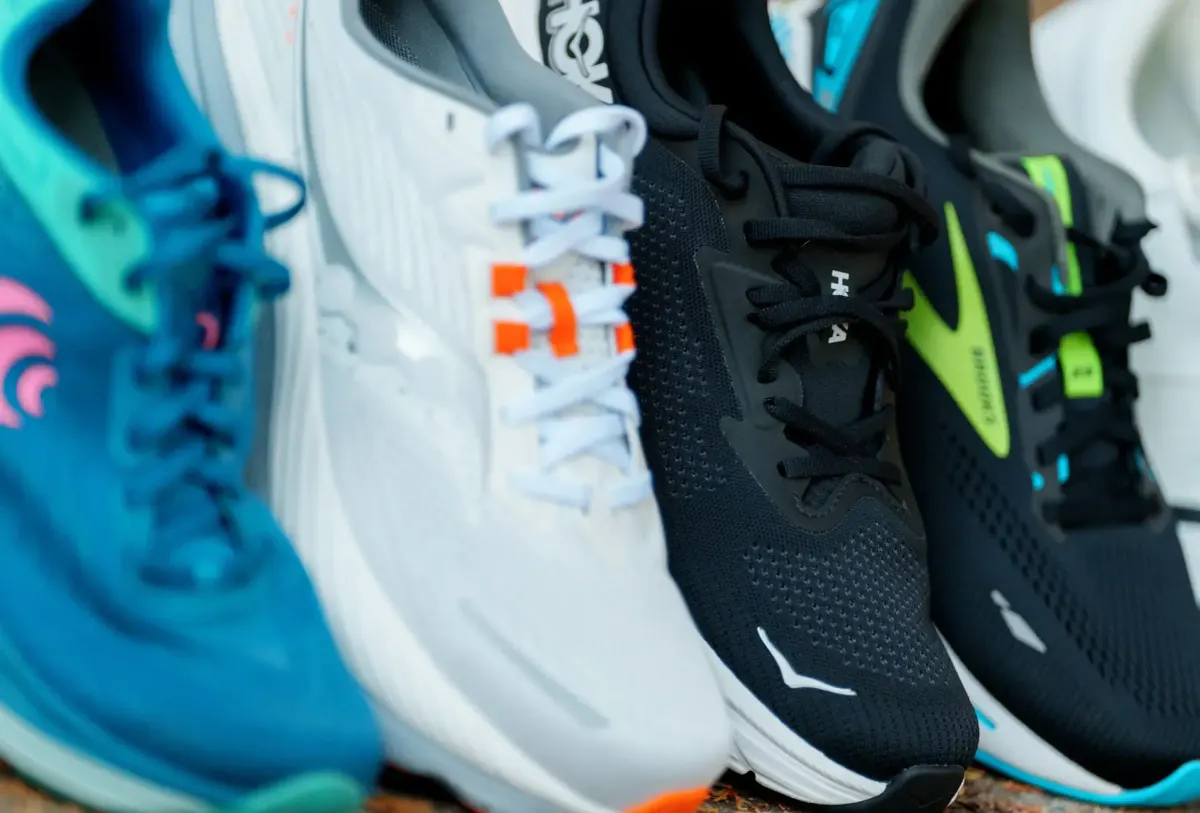
Ride feel: the Ghost is softer than you'd guess
Even with the shared foam, the two don't feel identical on the run.
The Ghost 18 surprised me by riding softer and lower-feeling than its spec sheet suggests. It's protective without ever feeling like a mattress, shock absorption through the heel is excellent, and the ride stays consistent deep into longer efforts.
The Adrenaline GTS 25 rides firm-to-neutral. It's dependable and predictable rather than energetic, and this version leans a touch softer at the heel and slightly more muted than the GTS 24 it replaced.
Neither will excite you, and neither is trying to. The Ghost is the marginally softer, more natural-feeling shoe of the two. The Adrenaline is the more structured, supportive one.
Fit differences that might decide it
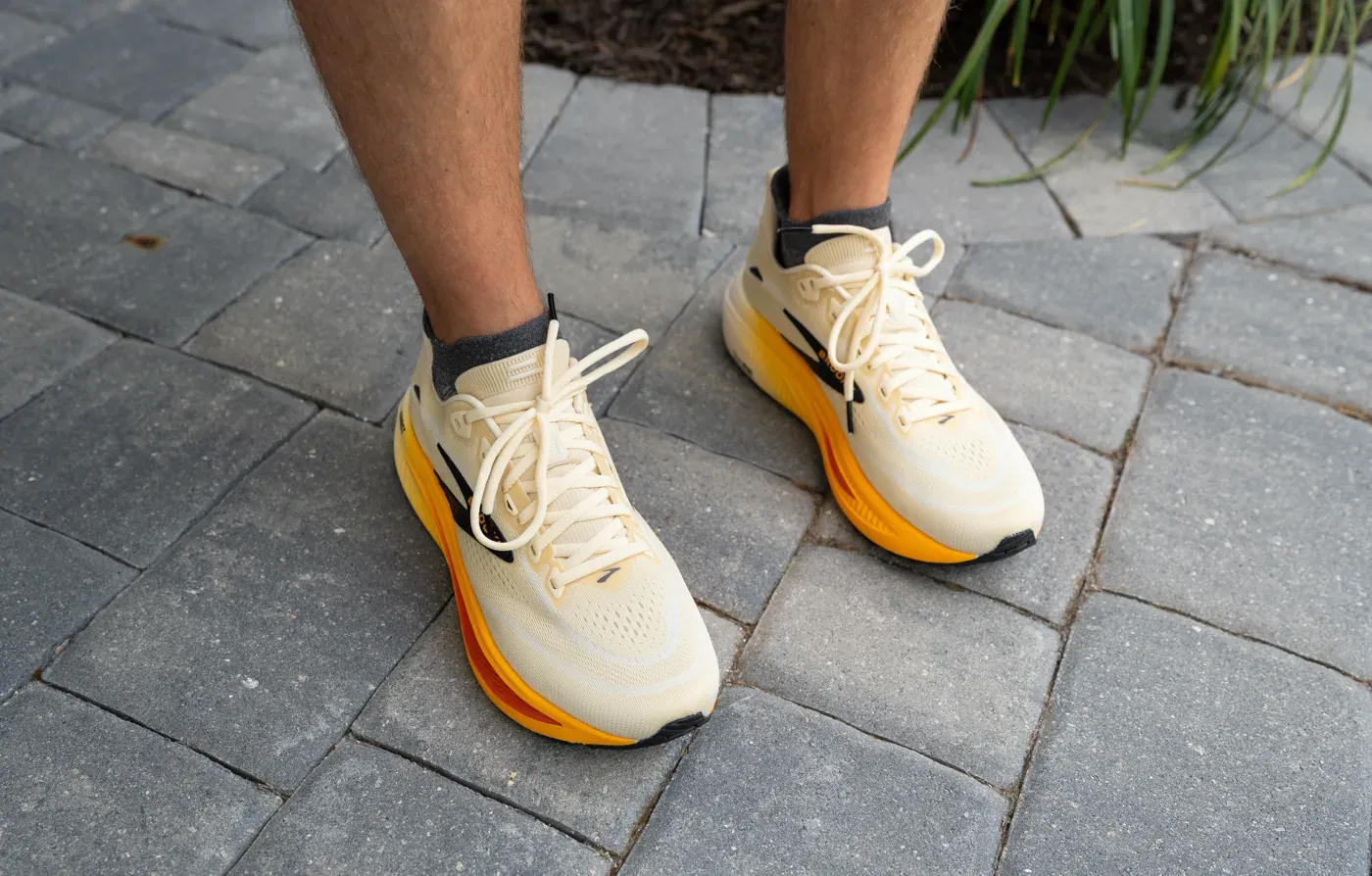
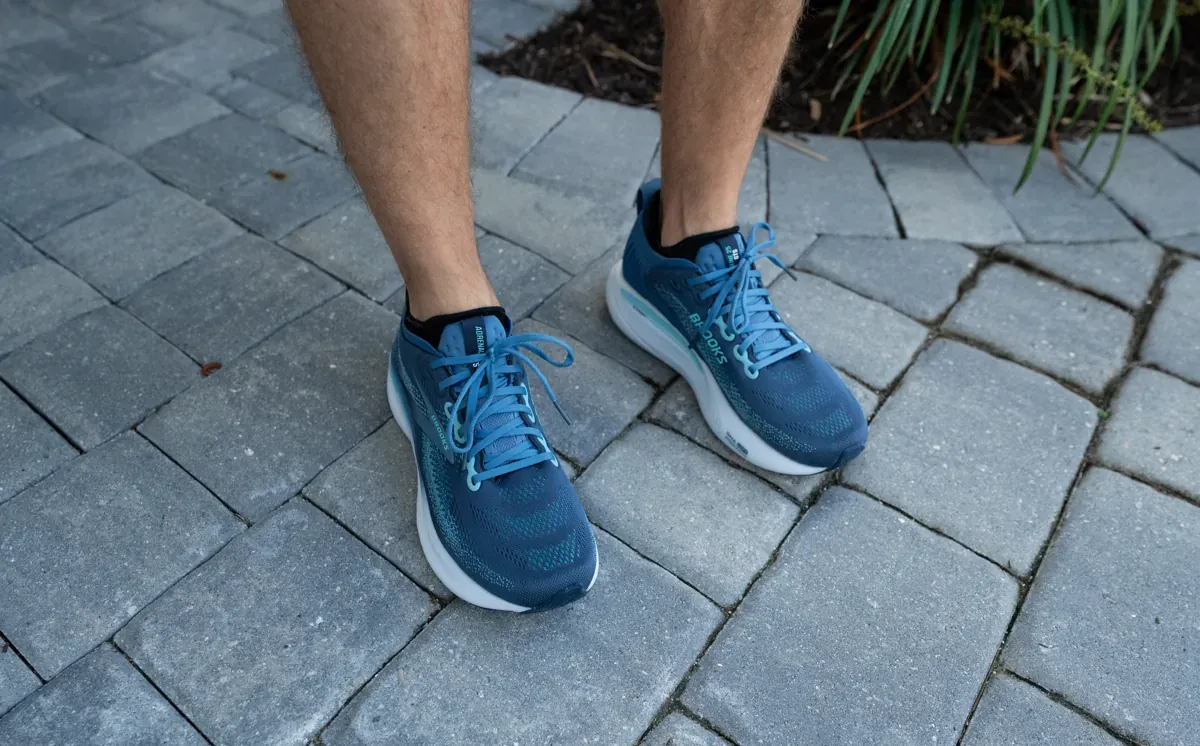
Both fit me true to size in US sizing, but their shapes pull in opposite directions.
The Ghost's forefoot runs a touch tapered, so wide or high-volume feet should look at its 2E and 4E options rather than the standard width. Its new engineered air mesh also breathes meaningfully better, which matters a lot if you run somewhere hot and humid like I do.
The Adrenaline is the opposite: a roomier toe box and a slightly looser midfoot out of the box, which makes it a natural pick for wide and high-volume feet, though narrow-footed runners may notice some sloppiness. The trade-off is that its padded build runs warmer on the run.
So there's a legitimate second path to this decision: hot-climate runners and narrow feet lean Ghost, higher volume feet lean Adrenaline.
Which one should you buy
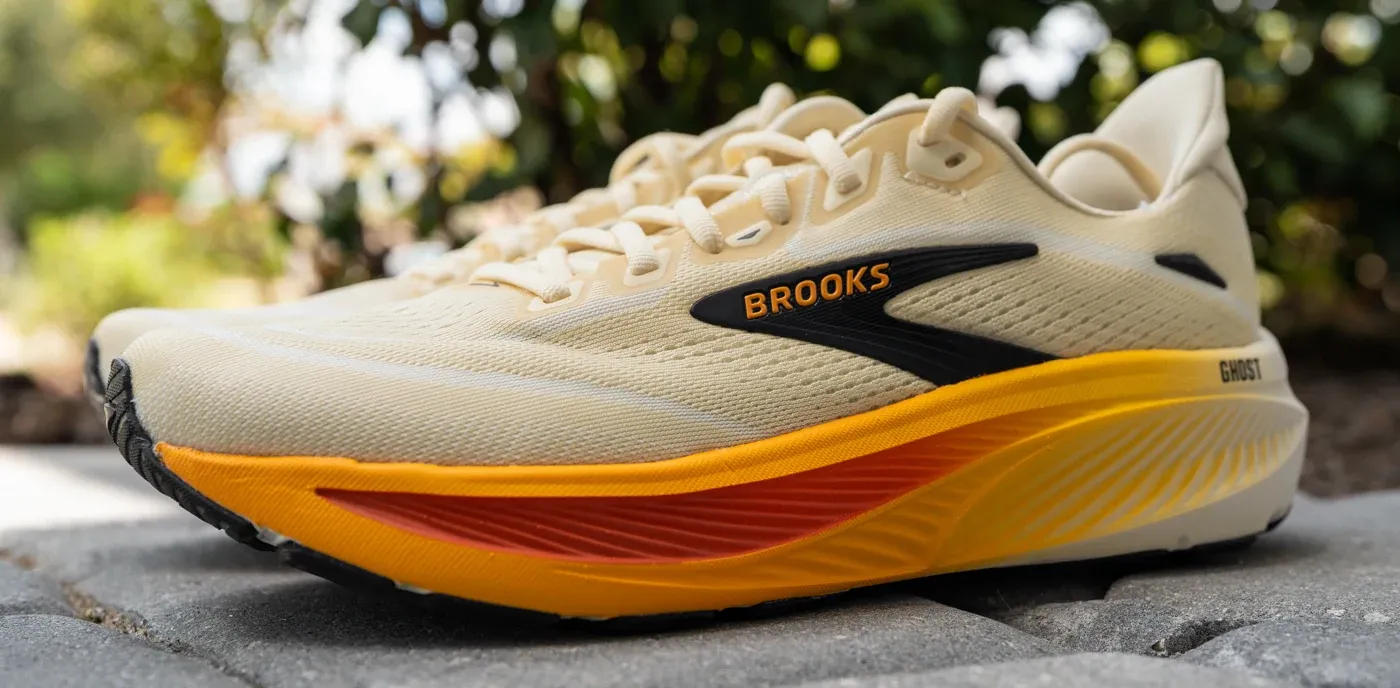
Buy the Ghost if:
- Your stride is neutral and you want the classic do-it-all daily trainer
- You run in heat and want the more breathable upper
- Your feet run standard to narrow, or you're happy sizing into its 2E/4E widths
- You want the softer, more natural-feeling ride of the two
Buy the Adrenaline if:
- You overpronate, or you've been pointed toward stability shoes
- You prefer a guided, structured, secure feel even with a neutral stride
- You have wide or high-volume feet and want the roomier standard fit
- You want one shoe that covers guided running and lots of walking
My verdict
Let your gait make this call. The shoes are so similar everywhere else that support is the only difference big enough to matter.
If you're new to running and genuinely unsure, the Ghost is the safer default, and the reassuring part is that neither choice punishes you badly: the Adrenaline's GuideRails stay out of the way enough that a neutral runner can still train happily in it.
If you're just starting out, either one will carry you comfortably through my couch to 5K training plan.
Couch To 5k Training Plan For Beginner Runners by Alastair
My beginner runner’s Couch to 5k Plan will guide you from no running to completing your first 5k within 8 weeks!
 Alastair Dixon
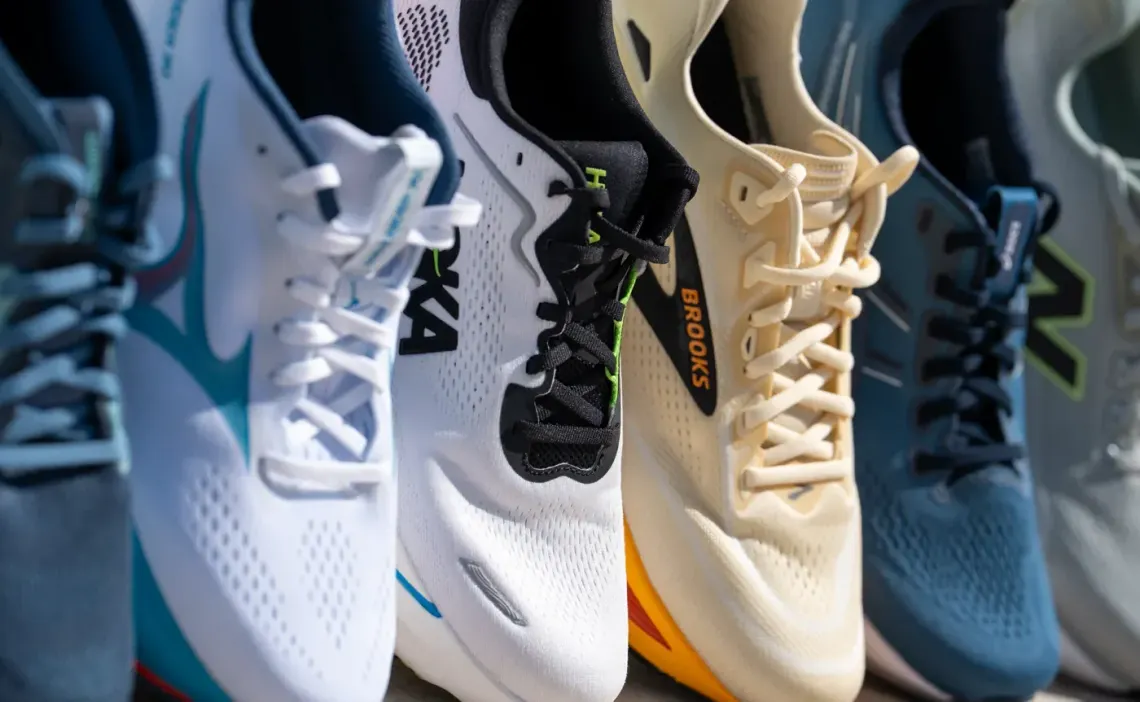
And if the real itch is more cushioning rather than more support, that's a different Brooks conversation entirely. My Brooks Ghost vs Glycerin guide covers that one, and my best running shoes roundup will help you build out the rest of the rotation around whichever Brooks you pick.
If you haven't already, signup for my free newsletter, and subscribe to my YouTube Channel for more content like this. 👉🏼 And for an inside look at what's comes into my studio with unboxings, lace up reels, and short form reviews, follow me on Instagram, and TikTok. -Alastair
Written by

Subscribe to new posts
reviews, training tips, and thoughtful stories for runners






Member discussion