
Hoka Arahi 9 review
I tested the Hoka Arahi 9; weighing in at 9.7 oz in a US 9, it has a cooler upper, slightly softer ride, and the Arahi 8's smooth roll left intact.

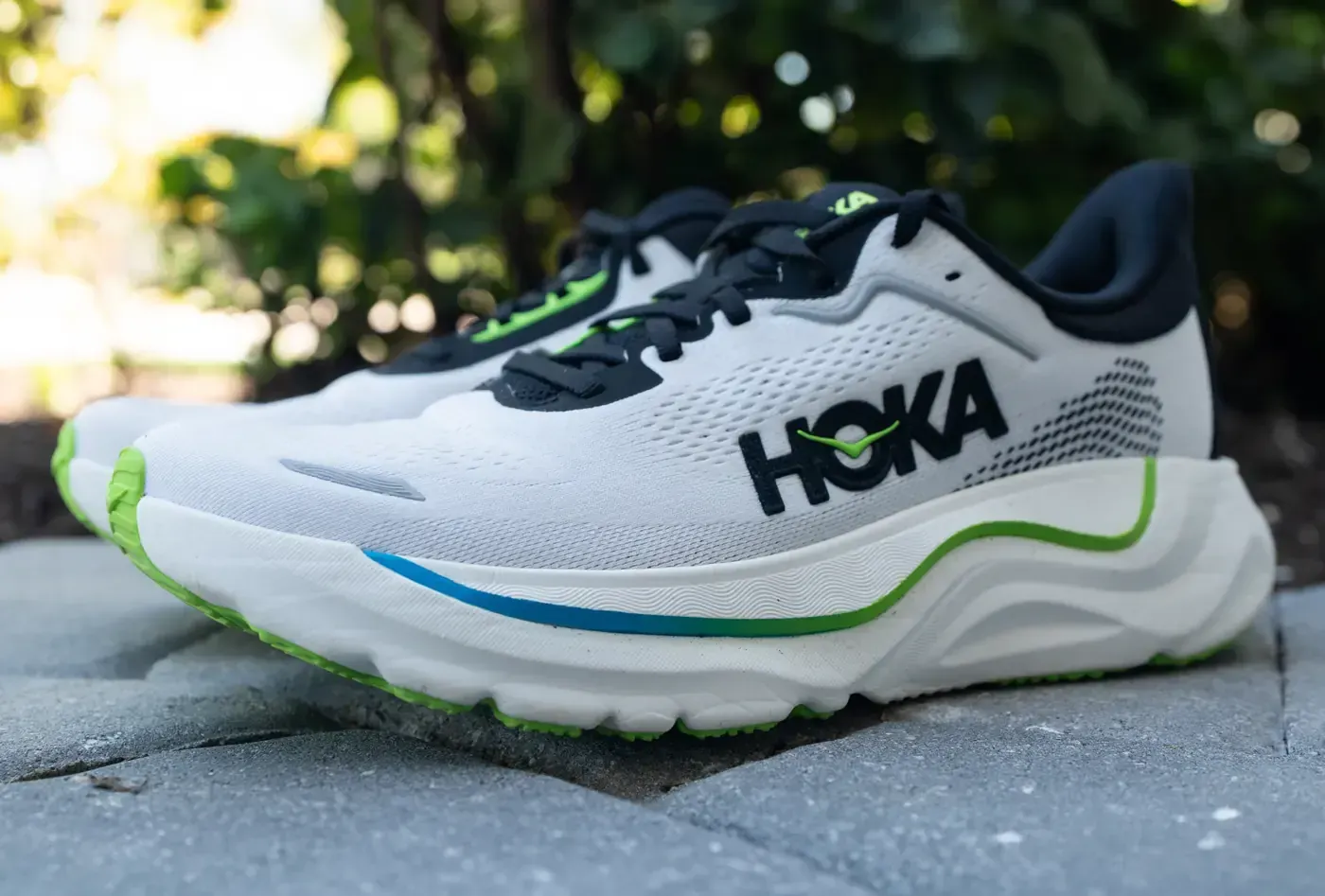
Some shoe updates arrive shouting, the Arahi 9 doesn't but that's the way I like it when a shoe already performs well.
The Arahi has always been the sensible one in Hoka's stability lineup: lighter than the Gaviota, smoother than most posted trainers, and happy to just get the miles done.
V9 keeps every bit of that identity and changes only what needed changing.
After putting the Hoka Arahi 9 to the test, my summary is short: it's very breathable, a little softer than the previous version, otherwise very similar. That's not a criticism; it is exactly what a good iterative update should look like, and it is worth understanding where those two changes actually show up in the ride.
If you loved the Arahi 8, you are going to feel at home here. The question is whether the refinements justify the swap, and that depends on where and how you run; let's get into it!
If you purchase gear through links in this article, I may earn a small affiliate commission. For my training tools, exclusive content, newsletter, and more perks become a member, (it's free!). -Alastair ✌🏼
Key specifications
- Price: $155 at REI
- Weight: 9.7 oz (275 g) in my US men's size 9.
- Drop and stack: 8mm drop, 39mm heel / 31mm forefoot
- Upper: Engineered mesh with a tighter medial weave, haptic prints, 3D silicone touchpoints, extended heel pull, redesigned collar, reflective details
- Midsole: Dual-density compression-molded EVA (CMEVA) with the enhanced H-Frame and Hoka's Meta-Rocker geometry
- Outsole: Durabrasion / super abrasion rubber in a podular layout, placed in the high-wear zones
- Extra attributes: Moderate stability for mild to moderate overpronation, standard (D) and wide (2E) widths, comfortable enough to double as an all-day walking shoe
The Best Running Shoe Finder 2026
Answer 5 quick questions and get matched to the best running shoe for your training style, ride preference, and foot shape. Updated to v5.5 May 2026
 Alastair Dixon
Sizing and fit
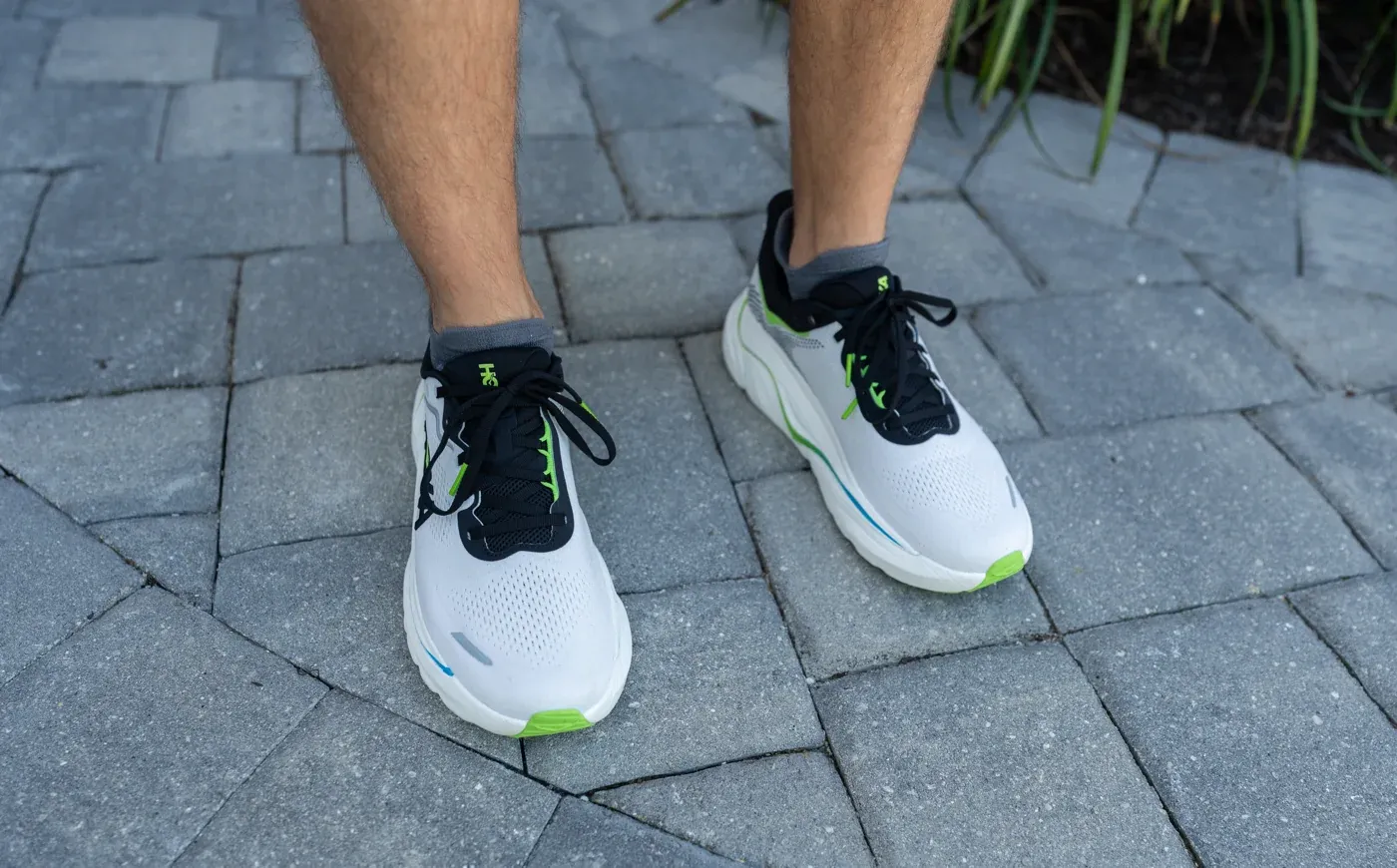
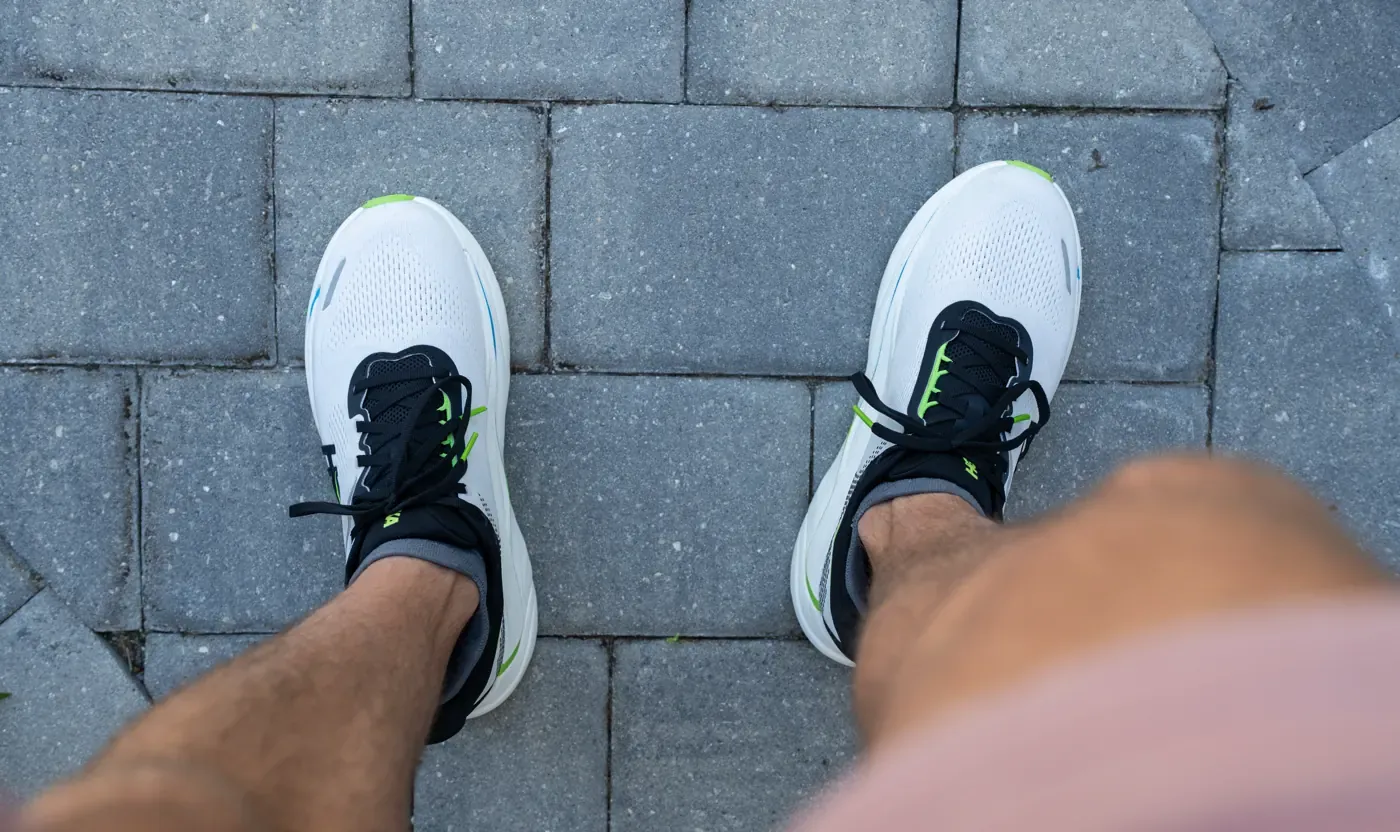
The Arahi 9 runs true to size for me in my usual US men's 9, with no length or volume surprises out of the box.
Toe-box volume and width still feels nicely accommodating and very similar to the Arahi 8, so if the Hoka Gaviota 6 felt snug across the forefoot, this is a friendlier fit.
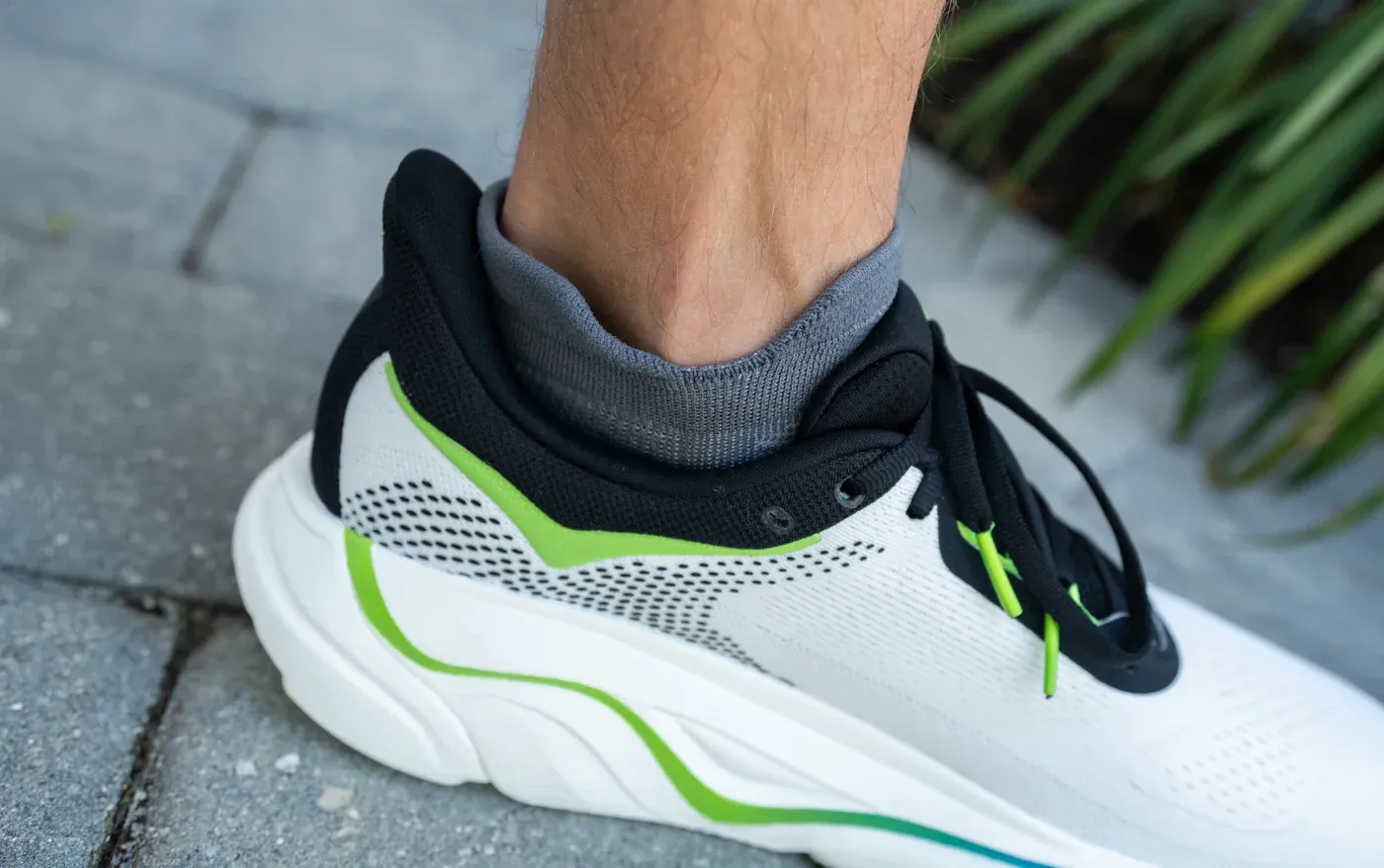
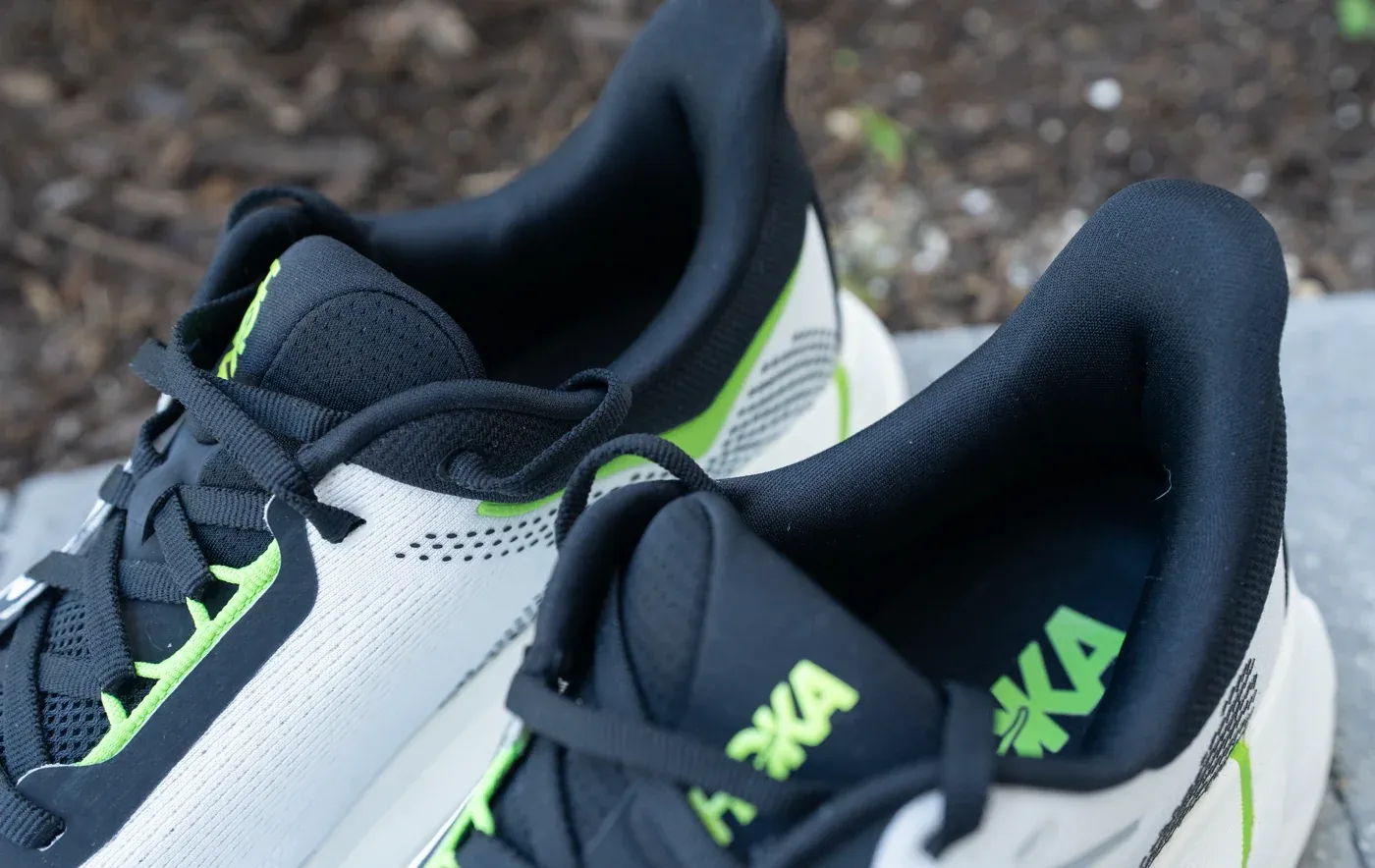
Midfoot and heel lockdown are secure thanks to the medial reinforcement and the reworked collar, and the 2E option is there if you need genuine extra width rather than just a little more room.
Performance review
The softer midsole is the change I felt first
The dual-density CMEVA still delivers balanced cushioning rather than maximal squish, but there is a clear step toward a softer ride compared with the Arahi 8, which coincidentally was firmer than the Arahi 7.
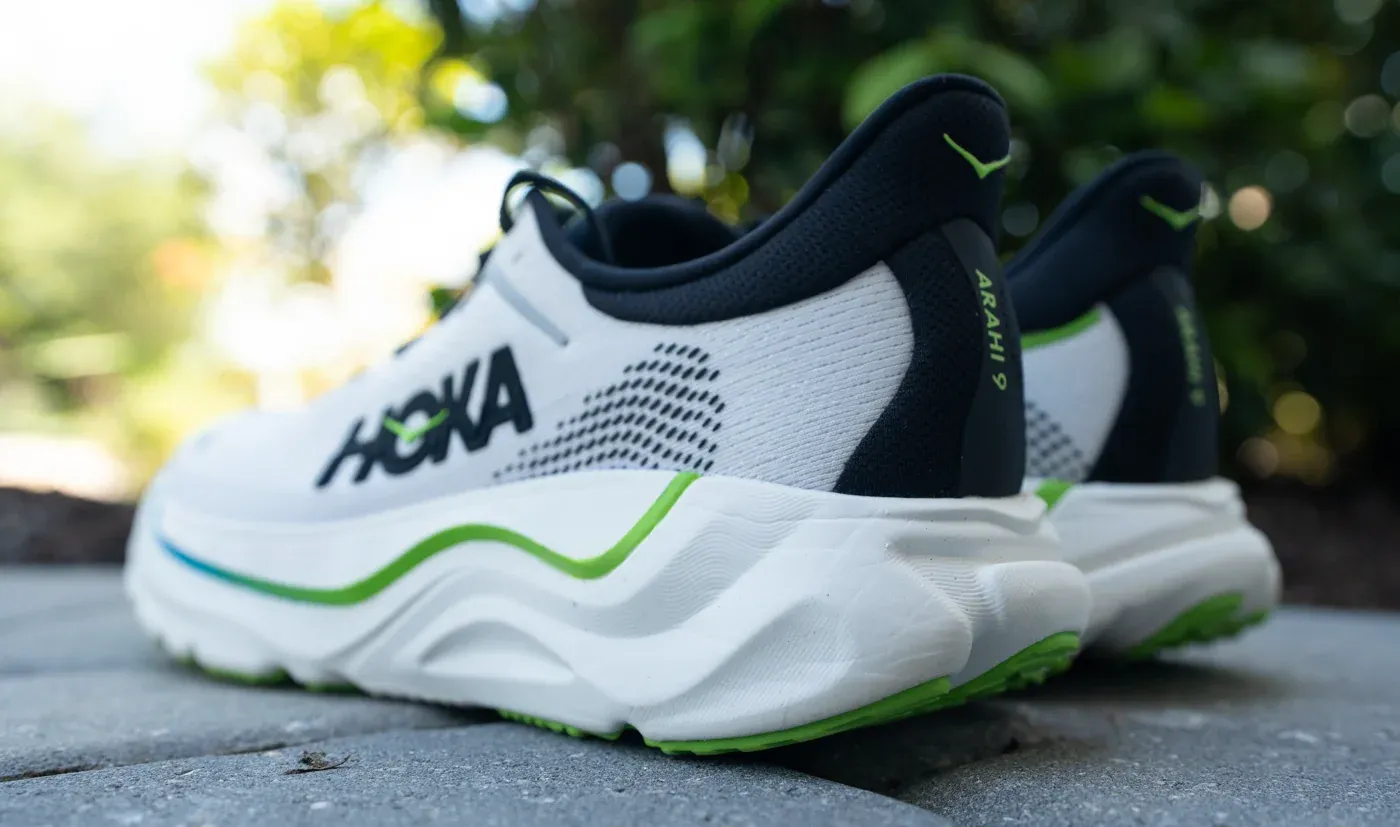
Landings feel a touch more forgiving, particularly at the heel, and the shoe absorbs impact well across a standard daily run.
Crucially, it has not gone soft in the bad way. There is no mushy, wallowing sensation and no loss of composure when you push the pace a little.
It is a small, well-judged shift in feel rather than a redesign of the platform.
What that softening buys you is late-run comfort. On the back half of longer efforts, the Arahi 9 feels a little kinder underfoot than its predecessor did, and that is where the update earns its keep for me.
The H-Frame guides without ever taking over
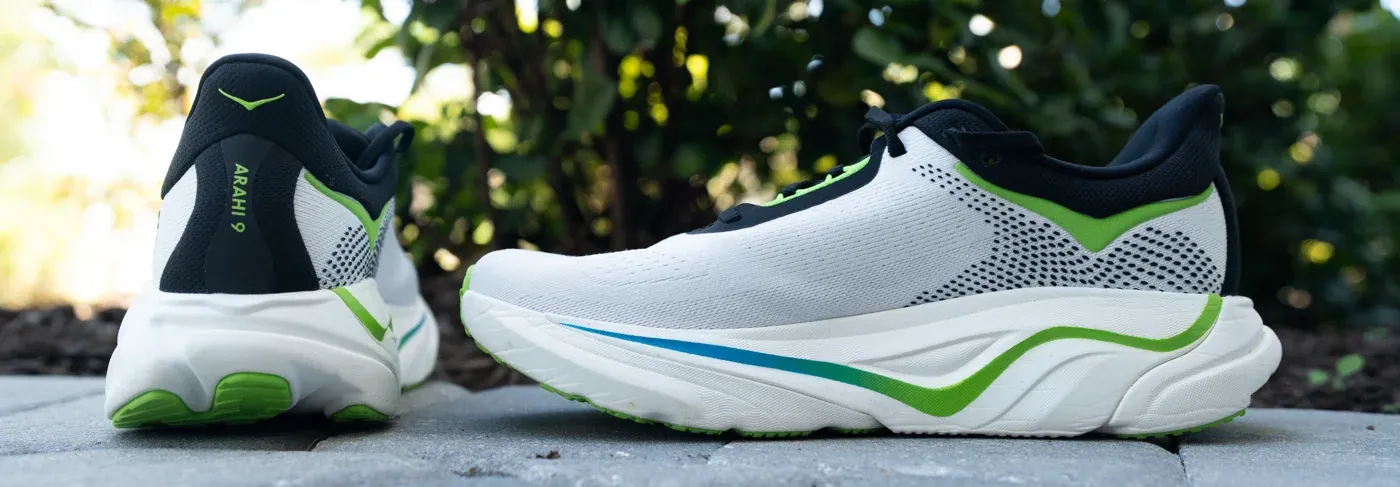
The enhanced H-Frame places firmer foam in an open H shape, supporting both the medial and lateral sides rather than jamming a post under the arch.
In practice, that means you get structure without ever feeling like your gait is being forced or overcorrected.
For mild to moderate overpronation, the guidance is effective and completely undramatic. This is exactly why the Arahi keeps earning its place in the moderate stability category on my best stability running shoes list.
The 11 Best Stability Running Shoes, Right Now
Supportive, cushioned running shoes built to keep your stride steady during daily runs, longer efforts, and recovery days.
 Alastair Dixon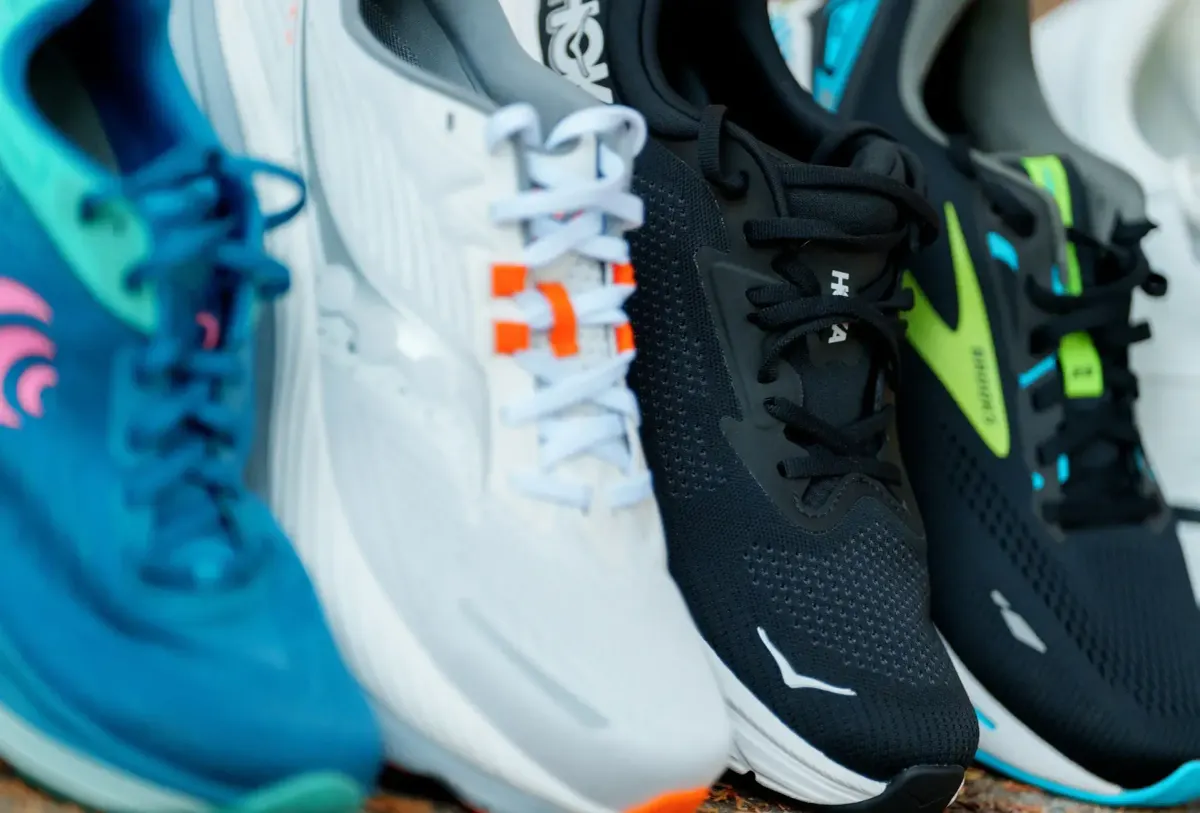
The support does feel slightly more structured than the Arahi 8, sitting a fraction more upright underfoot. It is subtle, and if you are a neutral runner curious about a bit of built-in stability, the wide base and Active Foot Frame geometry mean this still works without feeling corrective.
The Meta-Rocker keeps easy miles easy
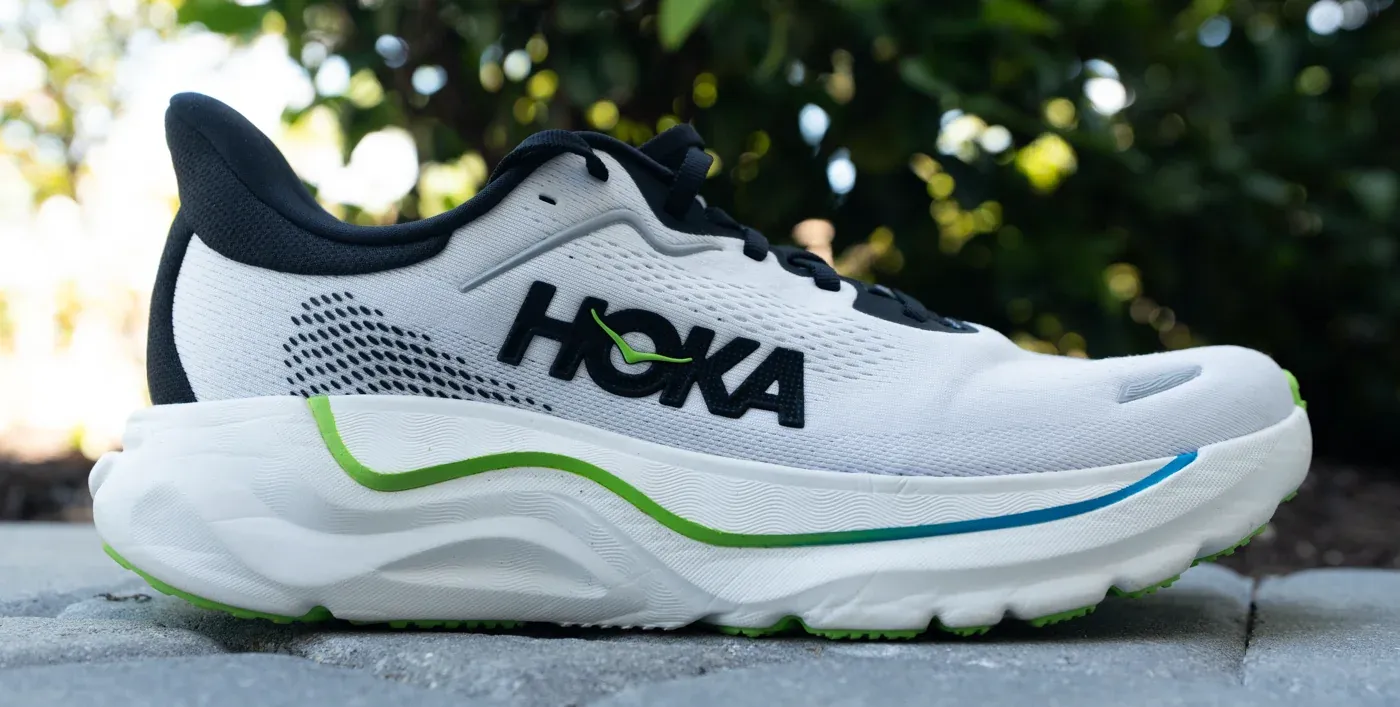
Foot roll is the defining characteristic of this shoe; the Meta-Rocker moves you from heel contact through toe-off in one continuous motion, and the podular outsole keeps the forefoot flexible enough that the transition never feels forced, or too stiff.
This is what makes the Arahi 9 so easy to reach for when on recovery run days. When your legs are flat, the geometry does a chunk of the work for you and the stride stays smooth rather than choppy.
You are not getting energy return or pop here, and the rocker is gentle rather than aggressive, but you get a smooth comfort first ride, which is the right call for a shoe built around daily mileage.
The new upper is the biggest real-world win
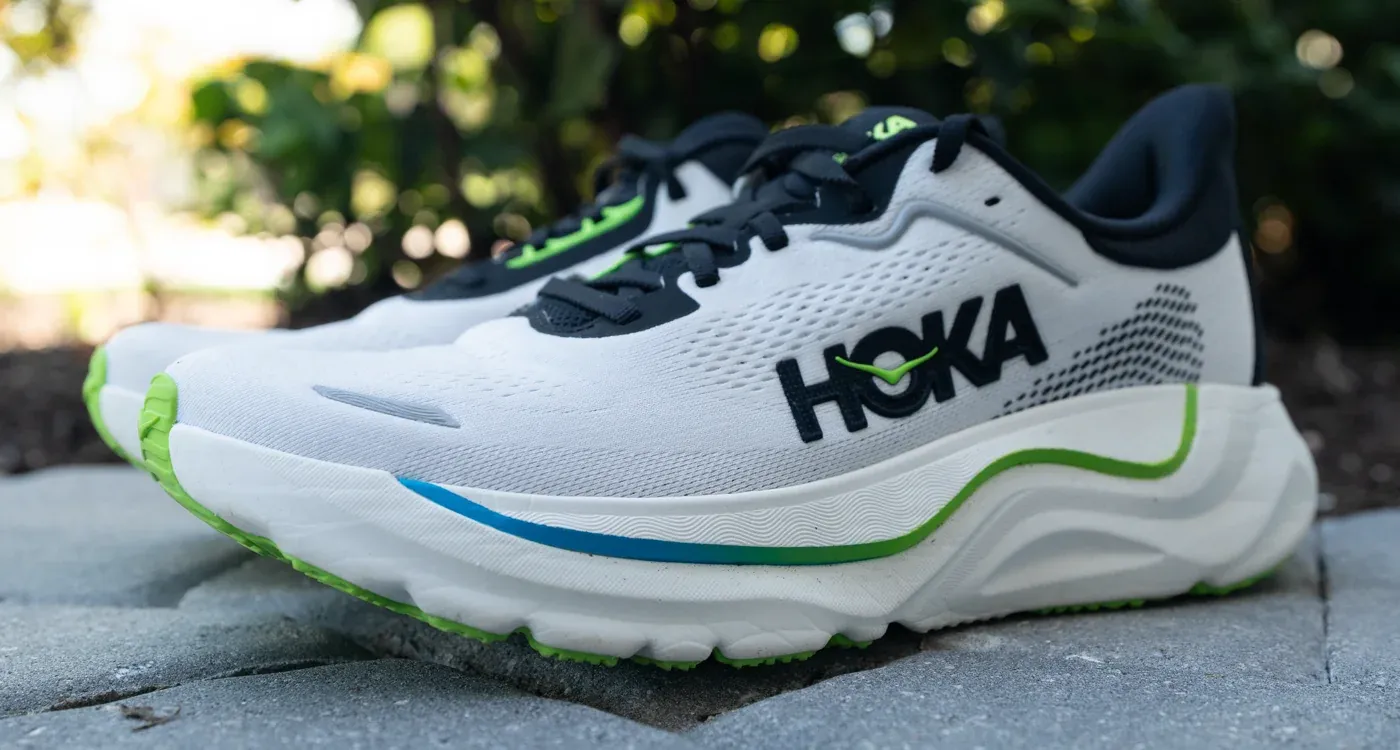
The engineered mesh is very breathable; running in Florida heat and humidity is a brutal test for any upper, and this one moves air well and does not sit there soaked and heavy the way a denser mesh does.
Structure comes from the tighter medial weave, the haptic prints, and the 3D silicone touchpoints, so you get hold without a stack of overlays pressing on your foot. The construction feels smooth against the foot, with no hot spots for me.
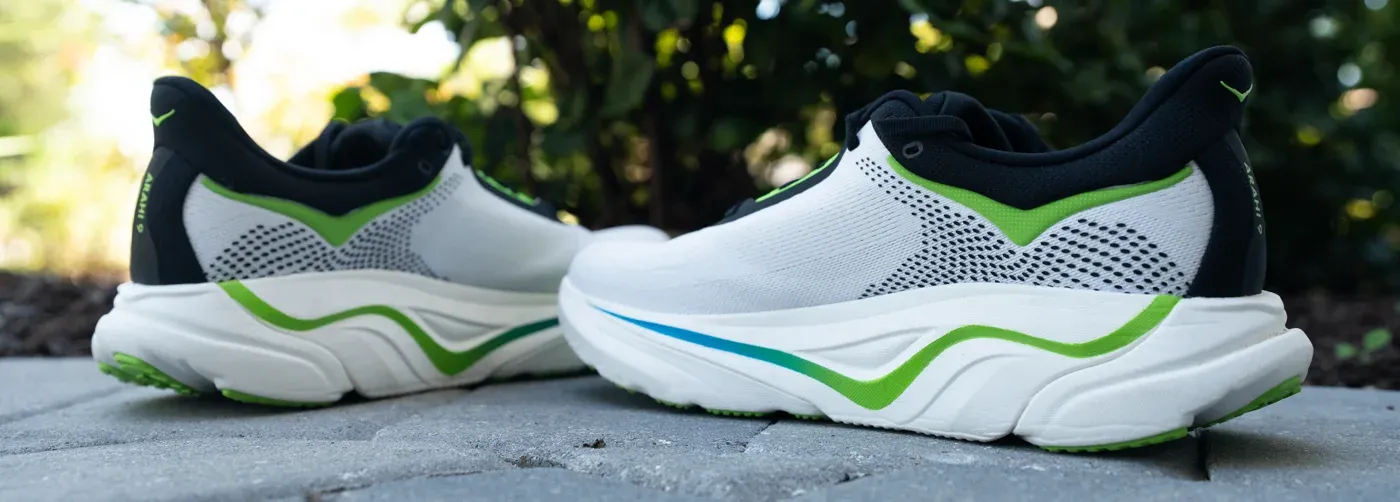
The extended heel counter and redesigned collar area are small quality-of-life wins that add up.
It is a daily trainer, and doesn't pretend otherwise
The Arahi 9 is at its best at easy to moderate paces, where the cushioning and rocker carry you along and there is nothing to fight.
Ask it to run fast and it feels willing but there are limits for sure - I found they capped me at around a 5 min/km pace.
There is no plate, no bouncy supercritical foam, and no urgency in the ride, so tempo days belong in something from my best tempo running shoes picks instead.
The 11 Best Tempo Running Shoes, Right Now
Firm, fast trainers and cushioned super-tempo options built for speed training, without sacrificing comfort.
 Alastair Dixon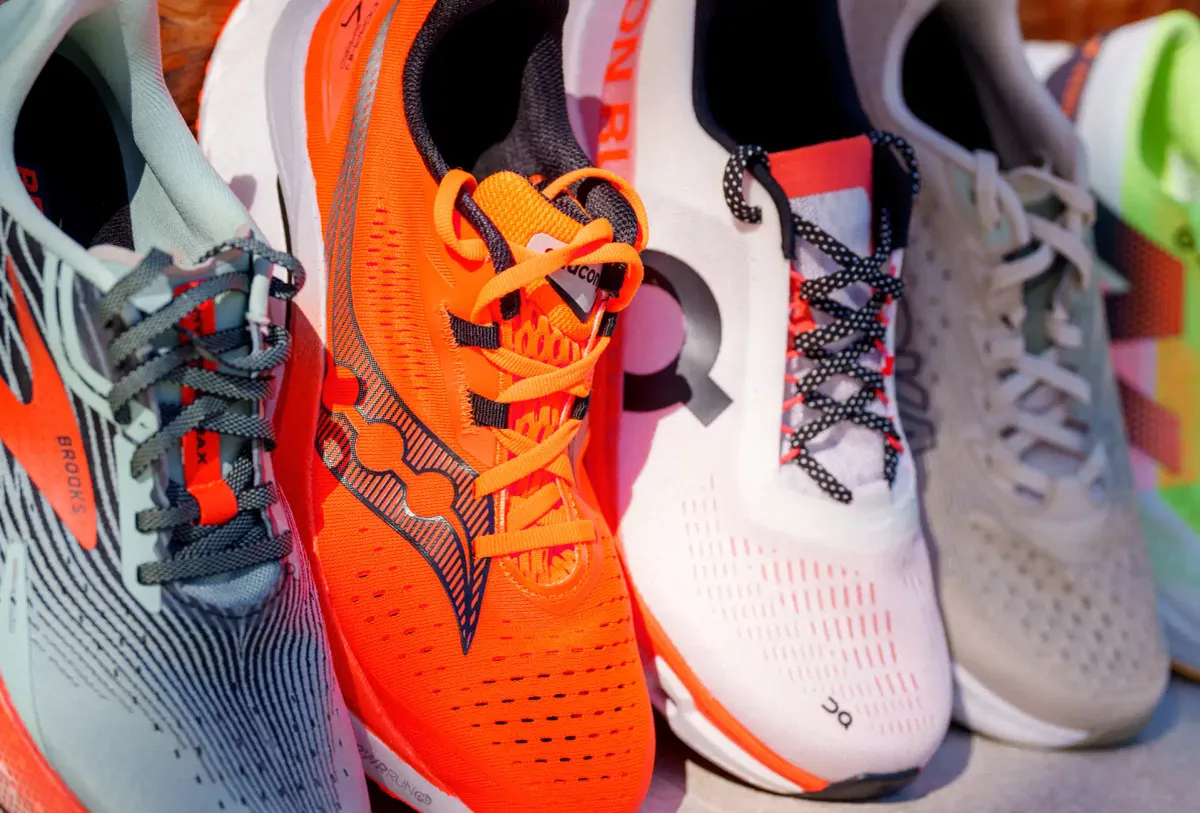
Slot it in as the easy-day and recovery-day shoe in your rotation and it makes complete sense. It also handles walking and long days on your feet better than almost anything else in Hoka's stability range.
Weight and durability are competitive for the category
At 9.7 oz (275 g) in a US 9, this is a fairly light shoe for a stability trainer with this much stack under it.
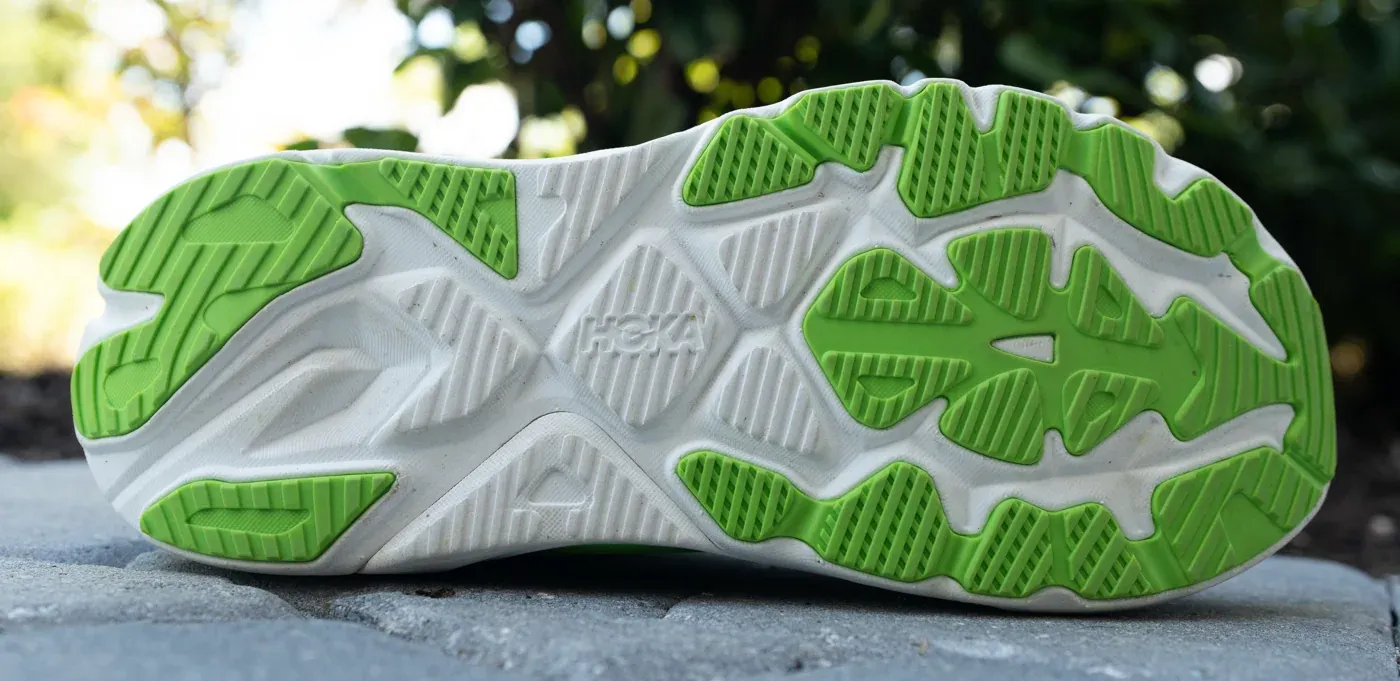
The podular outsole puts abrasion rubber where road running actually wears shoes down, in the heel strike zone and under the forefoot; you will however notice more wear in the midfoot zone where foam is exposed.
One thing worth flagging if you are coming from a lower, flatter trainer: the tall stack and pronounced rocker take some adjustment.
Give it a few easy runs before you judge the ride, and see how it stacks up against the rest of the range in my best Hoka running shoes roundup.
Best HOKA Running Shoes, Right Now
From daily miles to trail ultras, these are the HOKA shoes I trust and recommend after thousands of miles of real-world testing in 2026. The ultimate HOKA running shoe rotation!
 Alastair Dixon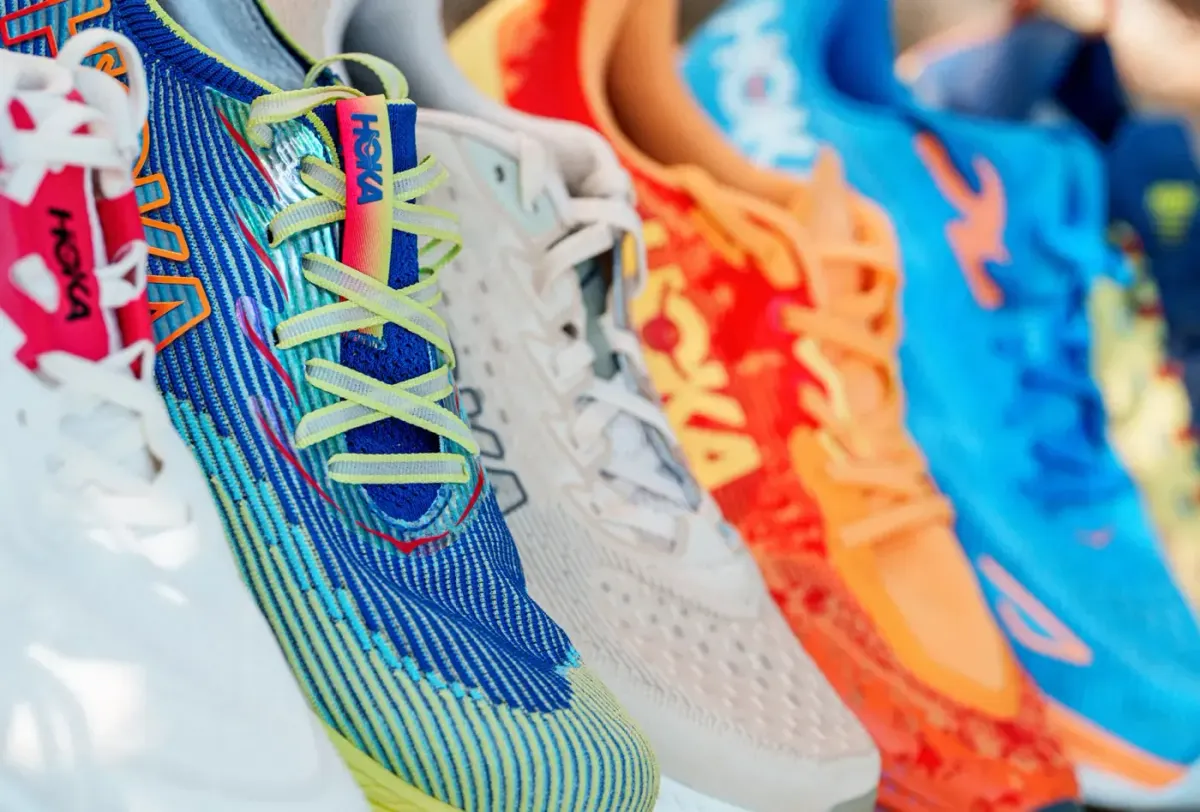
My verdict
The Hoka Arahi 9 is a good update that knows exactly what it is.
If you are shopping for a moderate stability daily trainer and you want guidance without a corrective feel, this belongs on your shortlist. It is a smooth, protective, easy-to-run-in shoe that also happens to be excellent for walking.
If you already own the Arahi 8 and it still has life in it, this is not an urgent upgrade. The character is close enough that you would be paying for refinement, not transformation.
Want the neutral version of this ride, the Hoka Clifton 11 is the shoe to compare it with.
Weighing it against Hoka's max-cushion cruiser instead? My Hoka Arahi vs Bondi comparison settles the support-or-cushion question.
Hoka Arahi vs Bondi: which one do you actually need?
Arahi 9 vs Bondi 9 compared after testing both. One guides your stride, one buries the road: how to pick between support and cushion.
 Alastair Dixon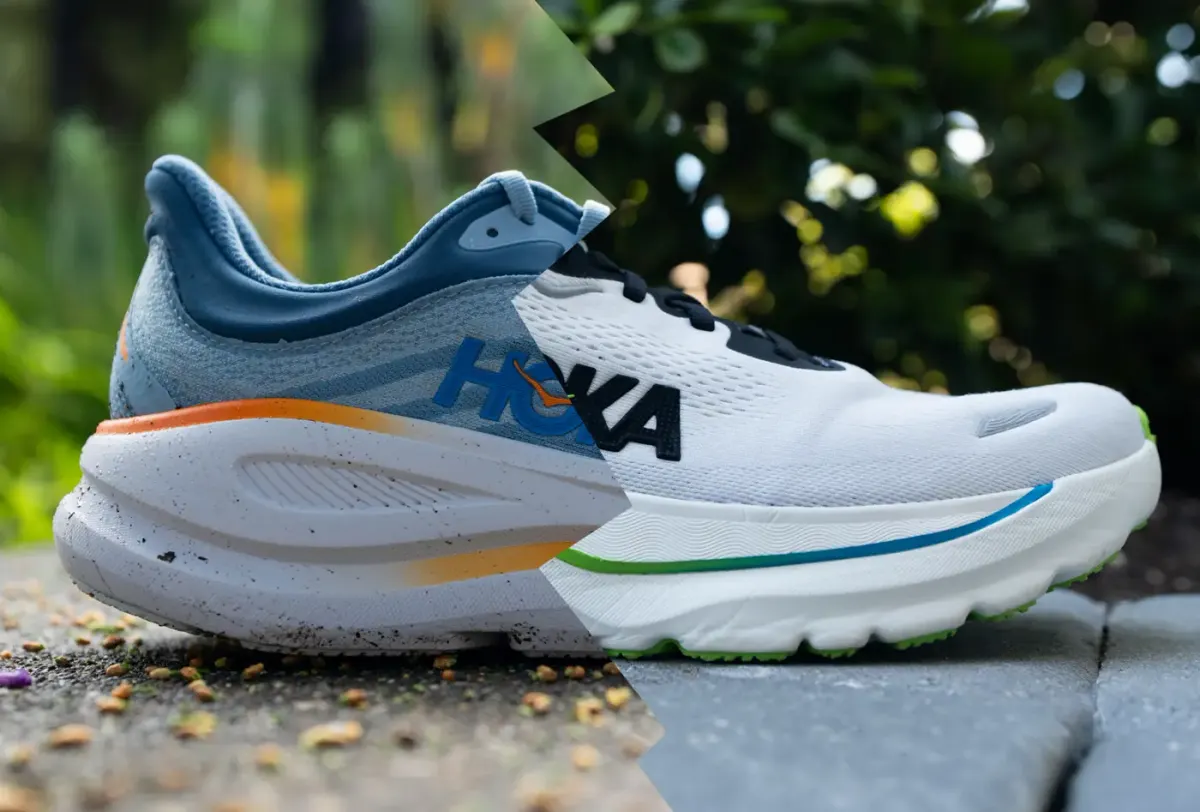
And if you're deciding between this and Hoka's neutral default, my Hoka Clifton vs Arahi comparison walks through the whole fork.
Hoka Clifton vs Arahi: which one do you actually need?
Hoka Clifton vs Arahi compared after testing both current versions. The one big difference, and which one will suit your stride best.
 Alastair Dixon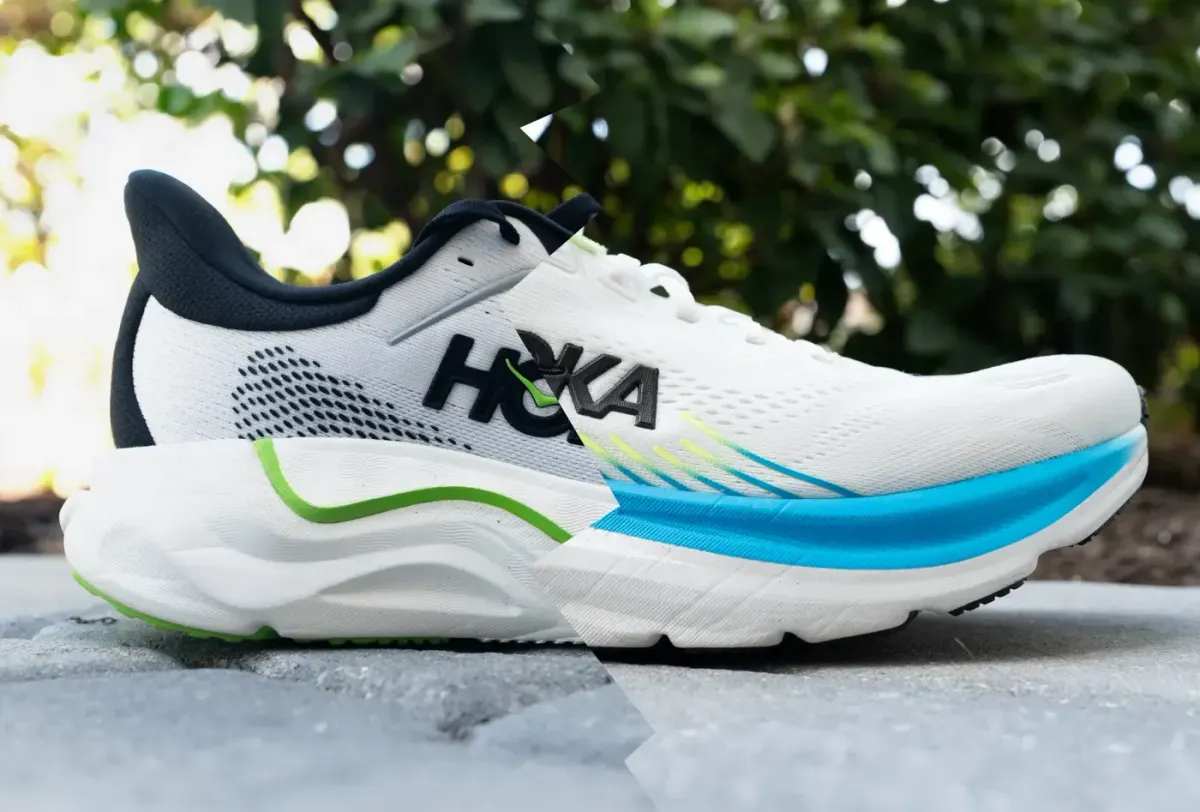
If you haven't already, signup for my free newsletter, and subscribe to my YouTube Channel for more content like this. 👉🏼 And for an inside look at what comes into my studio with unboxings, lace up reels, and short form reviews, follow me on Instagram, and TikTok. -Alastair
Written by

Subscribe to new posts
reviews, training tips, and thoughtful stories for runners








Member discussion