
Best Running Shoes for Flat Feet (2026): What Actually Matters, From a Runner Who Tests Everything
The best running shoes for flat feet, tried and tested. Flat feet aren't the same as overpronation; here's how to tell, plus 8 proven picks.

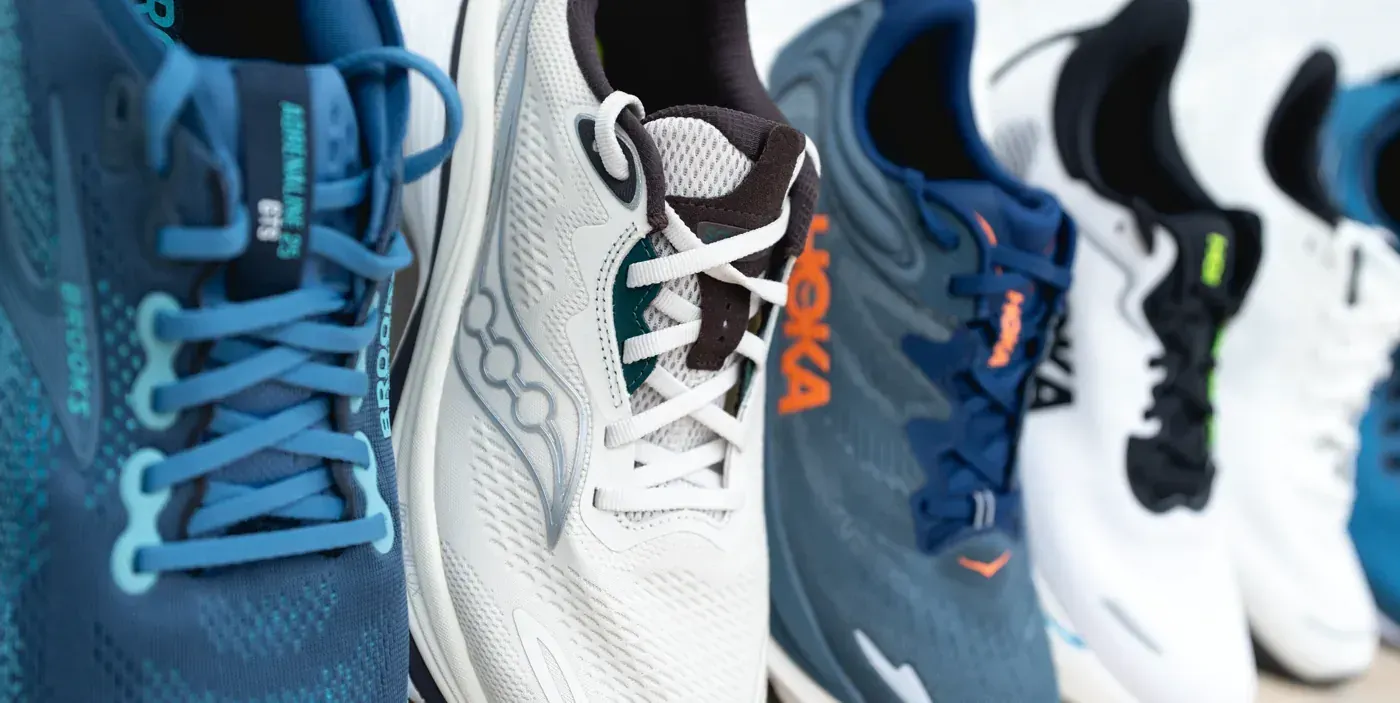
If you have flat feet and you've been told you need "arch support shoes," I'm going to tell you something up front that most lists won't: flat feet are not a defect, and they don't automatically mean you need a corrective shoe.
Some flat-footed runners overpronate and genuinely benefit from stability features. Others have flat arches and a perfectly neutral stride, and what they actually need is a wide, planted, well-cushioned platform with room for their foot to work.
This roundup covers both paths.
Every shoe here comes from my personal review library, tested on real runs, so I can tell you how they actually behave underfoot, not just what the spec sheet claims.
If you purchase gear through links in this article, I may earn a small affiliate commission. For my training tools, exclusive content, newsletter, and more perks become a member, (it's free!). -Alastair ✌🏼
The Best Running Shoe Finder 2026
Answer 5 quick questions and get matched to the best running shoe for your training style, ride preference, and foot shape. Updated to v5.5 May 2026
 Alastair Dixon
Flat feet and overpronation are not the same thing
This is the most important section on this roundup, so let's get it right.
- Your arch height is structure: how your foot is built when it's standing still.
- Pronation is motion: how your foot rolls when it loads during your stride.
They're related, and flat arches make excessive inward rolling more likely, but plenty of flat-footed runners land and roll perfectly normally.
There's also a difference between flexible flat feet (an arch appears when you sit or go up on your toes, then flattens under load) and rigid flat feet (no arch in any position).
Flexible flat feet are far more common, and they're the ones most likely to benefit from the guidance systems in modern stability shoes.
So here's how to use this roundup. If you know you overpronate, or long runs leave your arches and inner ankles aching, start with my supported picks below; my best stability running shoes roundup is the full deep-dive on that category.
The 11 Best Stability Running Shoes, Right Now
Supportive, cushioned running shoes built to keep your stride steady during daily runs, longer efforts, and recovery days.
 Alastair Dixon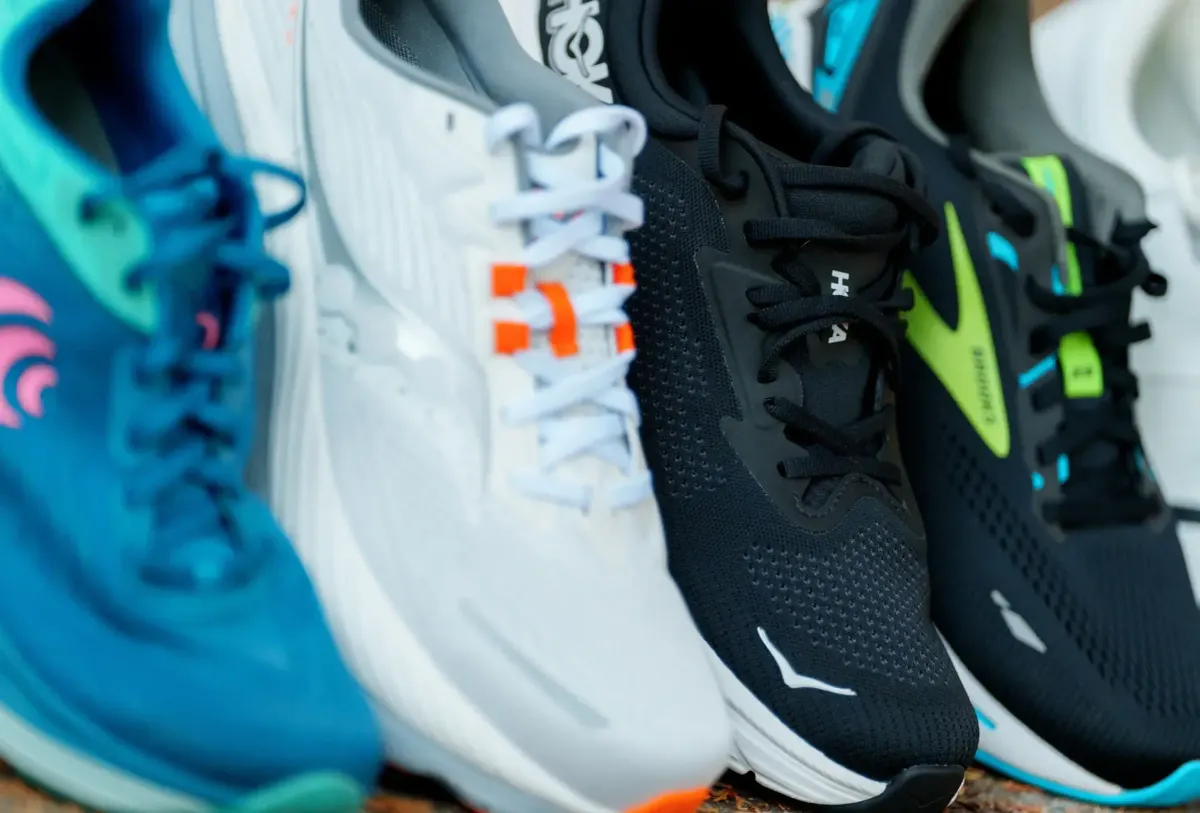
If you're flat-footed but neutral, skip to the wide-platform guidance further down. And if you're not sure, a gait analysis at a specialty running store settles it, or just describe your situation in the comments and I'll point you in the right direction.
Quick picks
- Best overall for flat feet: Saucony Hurricane 26, max cushion and secure support at only 9.3 oz
- Best max-cushion support (and walking): Hoka Gaviota 6, full-length H-Frame with a huge planted platform
- Best classic stability trainer: Brooks Adrenaline GTS 25, GuideRails and a 10mm drop, predictable as the sunrise
- Best premium pick: ASICS Gel-Kayano 32, adaptive 4D Guidance and the APMA Seal of Acceptance
- Best dedicated arch support: Mount To Coast P1, built around a 3D Arch Rail, designed with flat feet in mind
- Best gentle guidance: Saucony Guide 19, cradling CenterPath support that never overcorrects
Best Running Shoe Brands 2026: Ranked by 17 Category Wins
After testing every major running shoe brand this year, here are the brands making the best running shoes right now, ranked by category wins.
 Alastair Dixon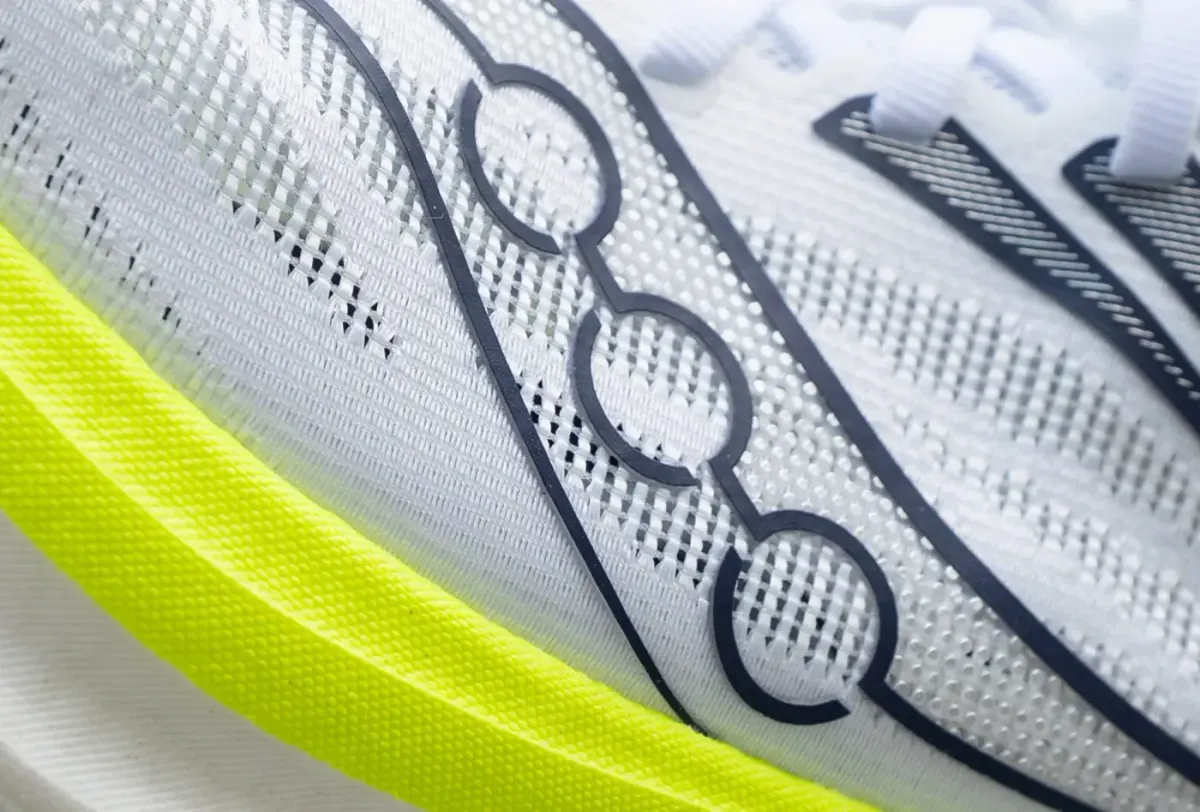
Curious which brand is winning overall? My best running shoe brands ranking tallies the podiums from all seventeen of my category roundups.
What actually makes a shoe flat-feet friendly
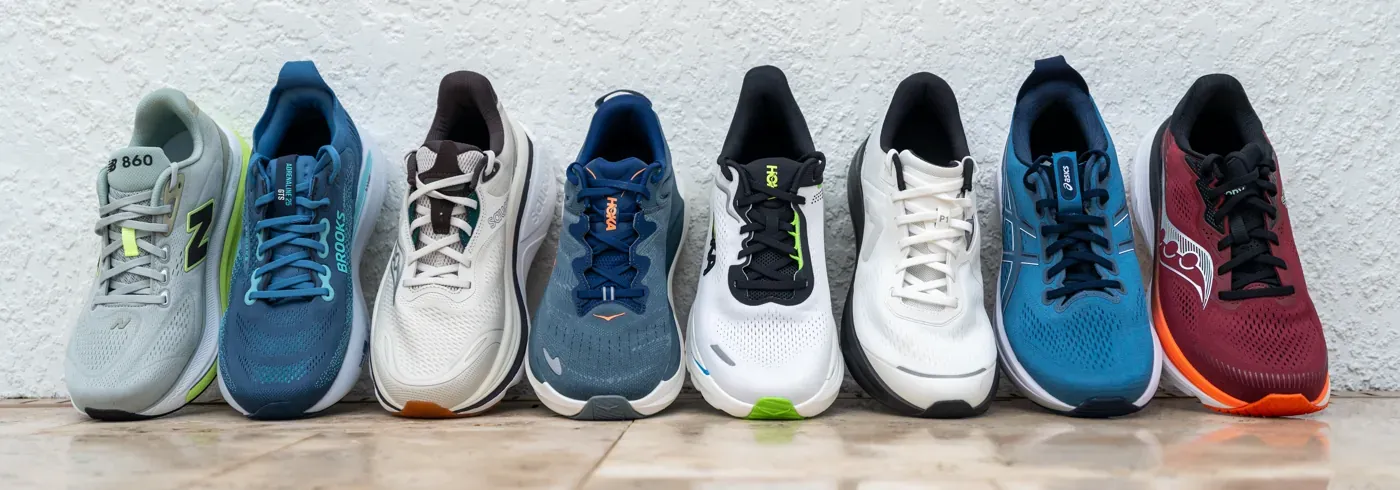
Before the picks, here's what I look for when I'm evaluating a shoe for flat arches.
- A wide, planted base. A flat foot spreads and loads across more of the platform, so a wider heel and a generous forefoot dramatically reduce the micro-wobble your lower leg otherwise has to control. This matters whether you overpronate or not.
- Guidance, not old-school posts. Modern systems like Brooks GuideRails, Hoka's H-Frame, Saucony's CenterPath, and ASICS' 4D Guidance steer your stride rather than jamming a hard block under your arch. If you've tried stability shoes years ago and hated the feeling, that era is over.
- Arch comfort, not arch pressure. A flat foot doesn't want a tall lump of material pushed into it. What works is broad support under the midfoot that your arch can rest onto, which is exactly how the better shoes here approach it.
- Torsional rigidity. Try to twist the shoe like a dishcloth. If it folds easily, your foot and lower leg do the stabilizing work instead, and flat feet feel that fatigue faster than most.
- Width options. Flat feet are frequently wider feet. Nearly every pick here comes in wide, and several in extra wide. If your toes feel cramped in standard widths, fix that first; a too-narrow shoe forces compensations no stability system can undo.
- Quality cushioning with a moderate drop. Flat-footed runners tend to load the medial side harder, so foam that recovers between strides beats a tall stack of cheap EVA, and a moderate drop keeps the calf chain from pulling harder on already-working feet.
All weights listed are for a US men's size 9, my pairs.
1. Saucony Hurricane 26 — Best Overall
Price: $170 at Saucony.com
Saucony Hurricane 26 review: lighter, softer, livelier
Lighter, softer, and more responsive thanks to new incrediLUX foam. Saucony’s max-cushion stability trainer gets its most enjoyable update in years.
 Alastair Dixon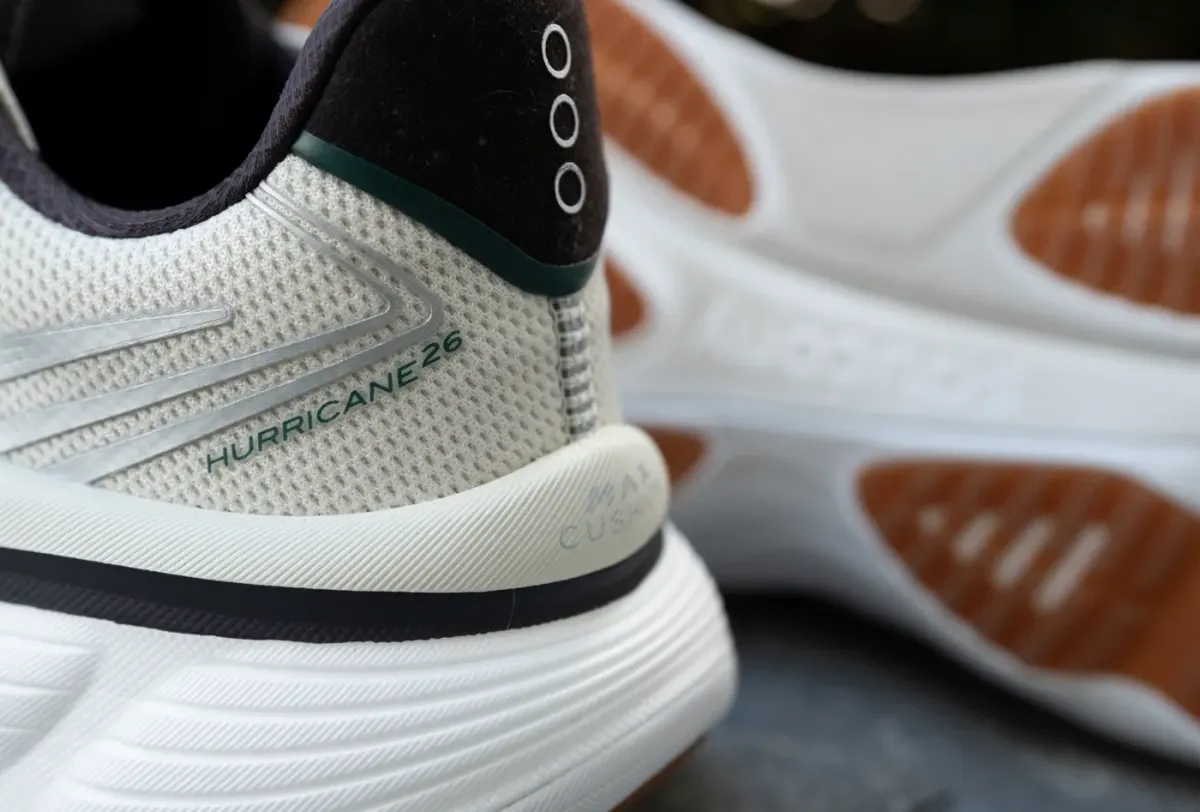
Stack: 41mm heel / 35mm forefoot · Drop: 6mm · Weight: 9.3 oz (264g) · Best for: Flat-footed runners who want max cushion and real support without a heavy shoe
The Hurricane 26 sits at the top of my stability roundup, and it's my best overall answer for flat feet too, because it solves the classic trade-off: serious support usually means serious weight, and this shoe refuses both.
At 9.3 oz with a 41mm heel of soft, lively incrediLUX foam, it cushions like a premium max-stack trainer while the supportive upper and wide platform keep flat arches organized through the stride. It's the pick I'd hand to most people who land on this page.
Buy them for: everyday miles, long runs, plush comfort with support. Skip them if: you want a firmer, more traditional stability feel.
2. Hoka Gaviota 6 — Best Max-Cushion Support (and Walking)
Price: $180 at REI.com
Hoka Gaviota 6 review: max cushioning with real stability support for daily miles
Bondi-like softness meets enhanced H-Frame guidance; ideal for runners and walkers who want plush comfort without sloppy landings.
 Alastair Dixon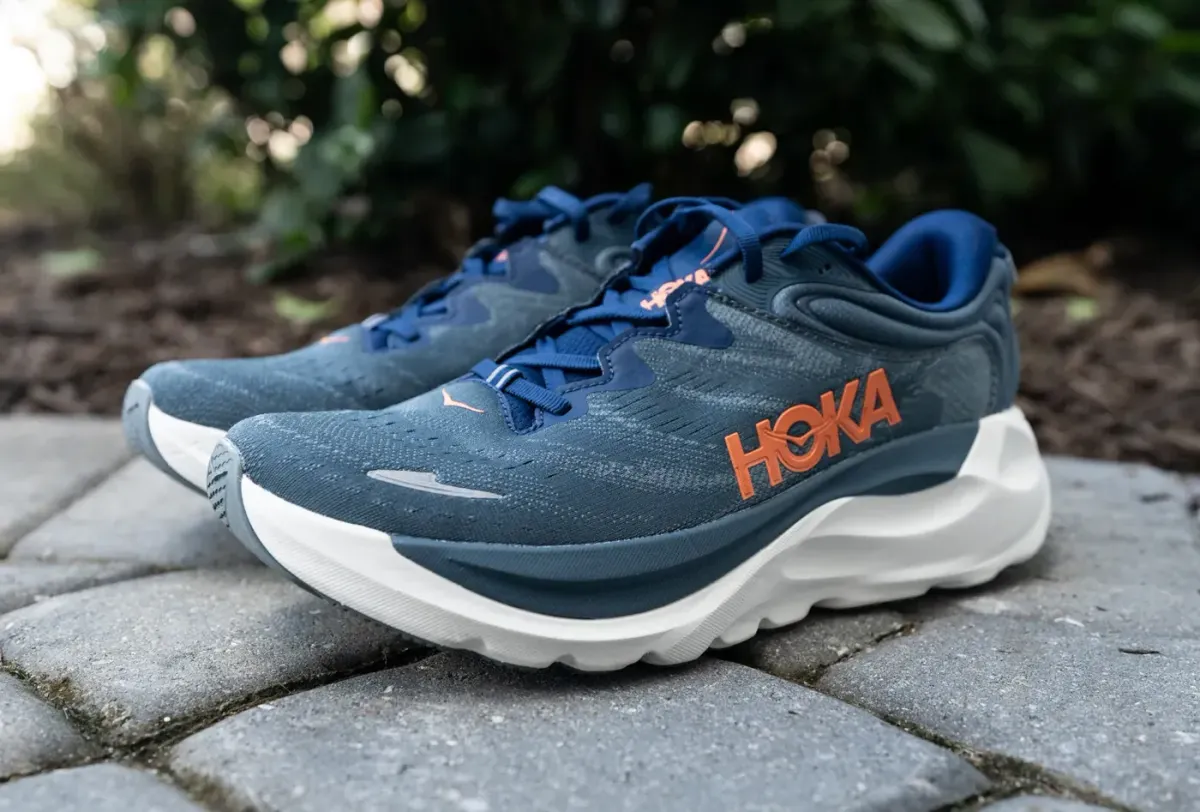
Stack: 39mm heel / 33mm forefoot · Drop: 6mm · Weight: 10 oz (283g) · Best for: Moderate to strong support needs, all-day comfort, wide feet
The Gaviota 6 runs like a max-cushioned trainer first and a stability shoe second, except the stability is absolutely there when you need it. The enhanced H-Frame cradles the heel and sets clear boundaries without feeling rigid, and the forefoot platform is enormous, so flat-footed landings feel properly planted.
It's also the best walking shoe on this list, with wide and extra-wide options, which matters because flat feet don't clock out when your run ends.
Buy them for: stronger support needs, long days on your feet, runners whose form gets messy when tired. Skip them if: you want a light or snappy ride.
3. Brooks Adrenaline GTS 25 — Best Classic Stability Trainer
Price: $155 at brooksrunning.com
Brooks Adrenaline GTS 25 review: softer cushioning, roomier fit, same reliable support
Comfort meets consistency but this one’s more of a side-step than a leap forward.
 Alastair Dixon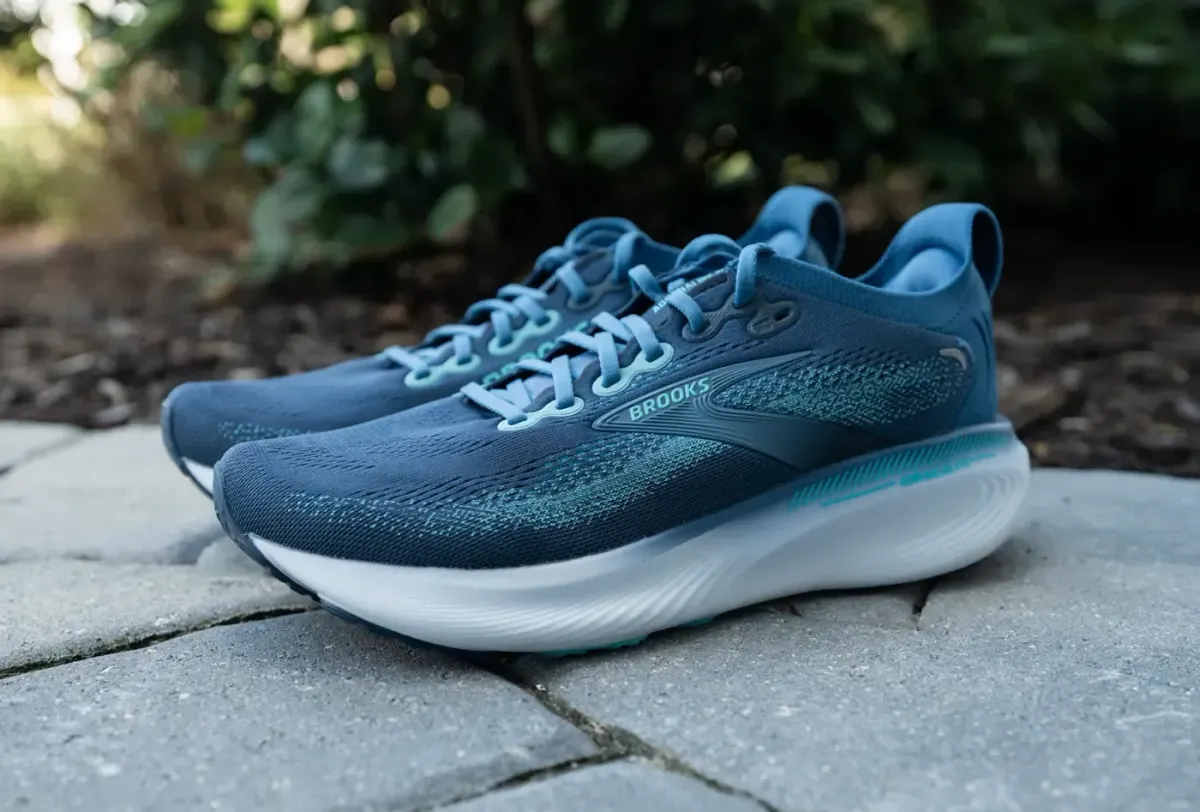
Stack: 37mm heel / 27mm forefoot · Drop: 10mm · Weight: 10.2 oz (289g) · Best for: Flat-footed overpronators who want the textbook answer
The Adrenaline has been the default first-stability-shoe recommendation at running stores for decades, and the GTS 25 keeps that streak alive with a softer heel and more foam than any previous version. GuideRails apply gentle pressure on either side of the foot that steers rather than corrects.
The roomier toe box and looser midfoot of this version are a genuine bonus for flat, wide, high-volume feet.
Buy them for: mild-to-moderate overpronation, guided daily miles, walking. Skip them if: you want a soft, bouncy, modern-feeling ride.
4. ASICS Gel-Kayano 32 — Best Premium Pick
Price: $165 at REI
ASICS Gel-Kayano 32 review: Smooth stability, plush comfort refined
ASICS’ flagship stability shoe evolves with a livelier ride, adaptive support, and max-cushioned comfort for long miles, recovery jogs, all day wear.
 Alastair Dixon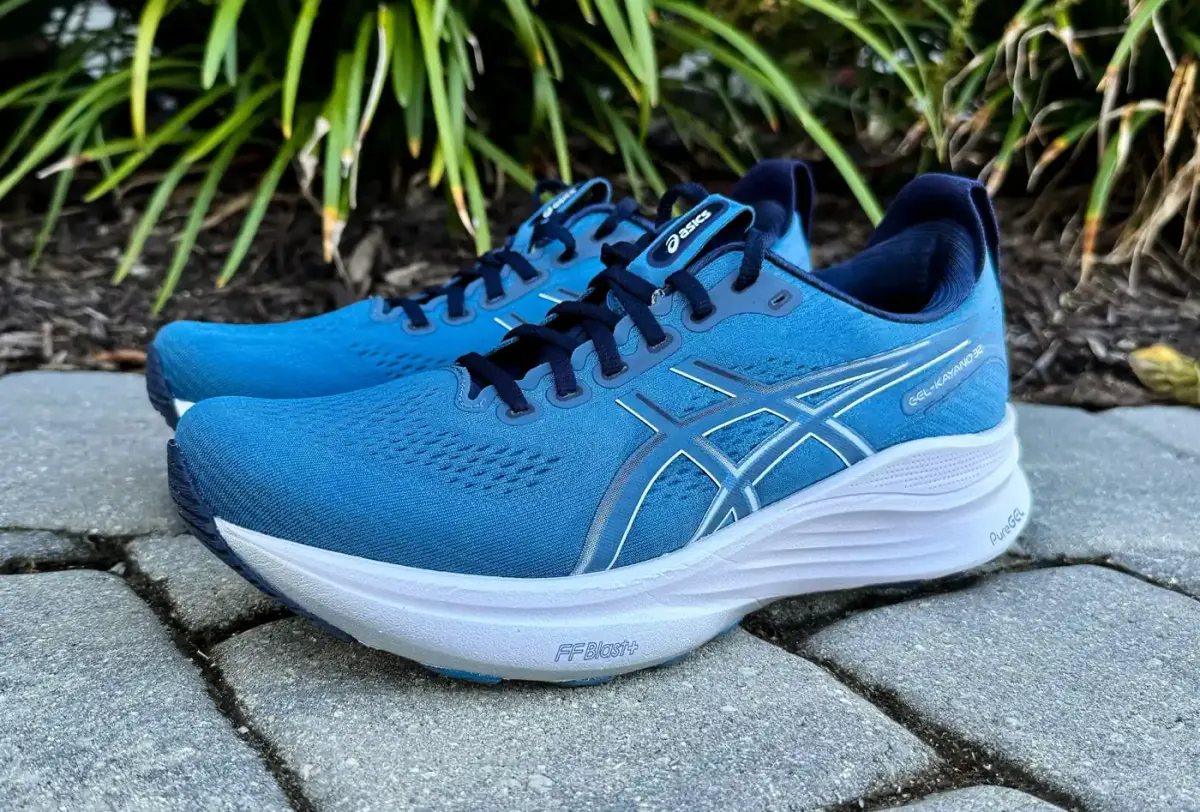
Stack: 40mm heel / 32mm forefoot · Drop: 8mm · Weight: 10.5 oz (298g) · Best for: Flat-footed runners who want premium max-cushion stability, heavier runners
The Kayano 32 is the most complete package here for flat feet with genuine overpronation. Its 4D Guidance System adapts to your stride in real time, torsional rigidity is excellent, and the whole shoe keeps your foot aligned without an aggressive medial post.
Two details worth knowing: it carries the American Podiatric Medical Association Seal of Acceptance, and the toe box runs snug on the lateral side, so flat, spreading feet should go straight for the wide or extra-wide widths. It also doubles as a genuinely good standing and walking shoe.
Buy them for: premium support, marathon training blocks, heavier runners, all-day wear. Skip them if: budget is tight or you want a light, responsive ride.
5. Mount To Coast P1 — Best Dedicated Arch Support
Price: $160 at Mount To Coast (Use code TRAIL10 for 10% off your order at Altra)
Drop: 10mm · Weight: 9.6 oz (272g) · Best for: Flat feet specifically, runners who want light support with real spring
The P1 is the one shoe on this list literally designed with flat feet front of mind. Its integrated 3D Arch Rail supports the midfoot broadly rather than poking at it, and the LightCell foam gives it a soft, springy ride that most stability shoes can't match at this weight.
Use code TRAIL10 for 10% off your order at Mount To Coast
Buy them for: flat arches, lighter-feeling support, daily training. Skip them if: you want maximum stack or a household-name brand your local store stocks.
6. Saucony Guide 19 — Best Gentle Guidance
Price: $150 at Saucony.com
Saucony Guide 19 boosts comfort with a softer foam and upgraded outsole durability
A smooth, steady daily trainer for runners who want guided support without the fuss.
 Alastair Dixon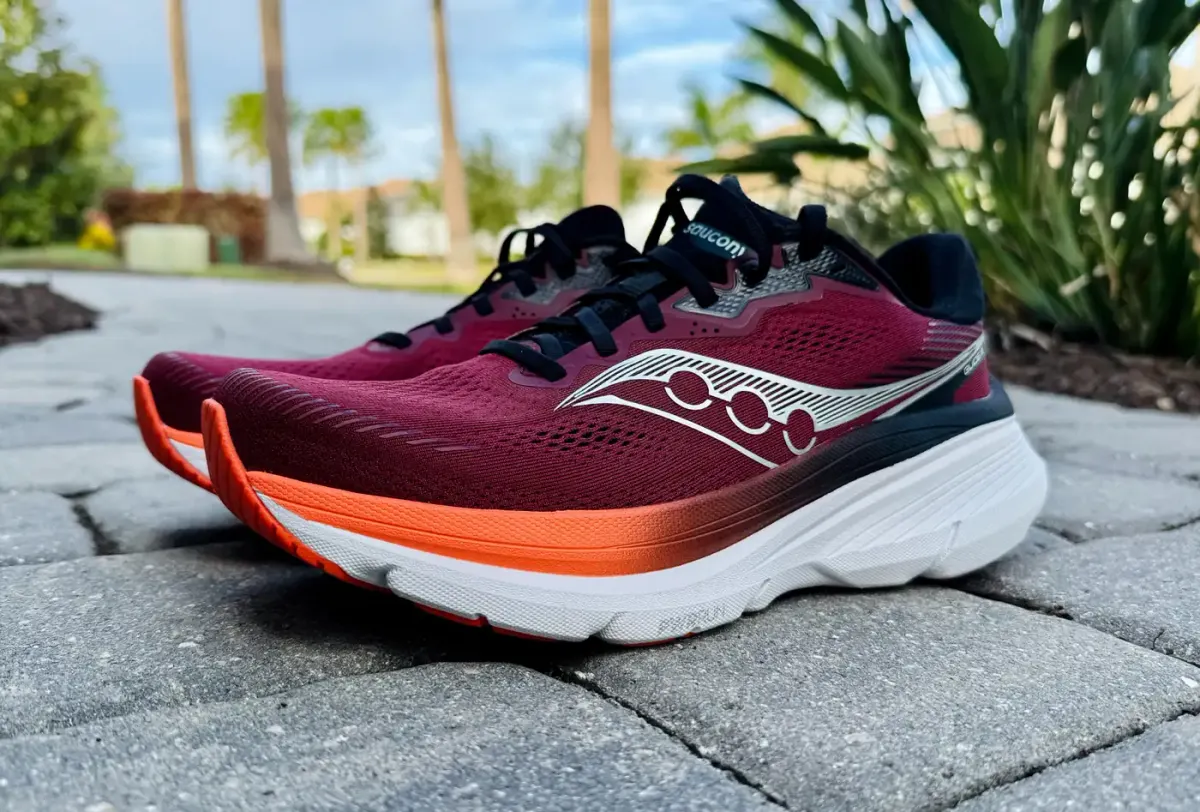
Stack: 35mm heel / 29mm forefoot · Drop: 6mm · Weight: 10.4 oz (295g) · Best for: Flexible flat feet, anyone unsure whether they need stability at all
The Guide 19 is the shoe I recommend to people who aren't sure which camp they're in, which describes a lot of flat-footed runners. CenterPath uses high sidewalls and a wide base to cradle the foot rather than push it, so neutral runners and mild overpronators both get something out of it, and nobody gets overcorrected.
The softer PWRRUN foam pushes it into max-cushion territory while the wider platform keeps it planted, and the toe box leaves room for natural splay and long-run swelling. If you turn out to need stronger pronation correction than this, that's Hurricane territory, which is exactly why the Hurricane sits at the top of this list.
Buy them for: gentle support, easy and recovery miles, wide toe box needs. Skip them if: you need firm correction for serious overpronation.
7. New Balance 860v15 — Best Plush Workhorse
Price: $150 at New Balance
New Balance Fresh Foam X 860v15 review: the plush stability daily trainer reinvented
More cushion, a refined Stability Plane, and a seriously comfortable ride but is the extra weight worth it for your training?
 Alastair Dixon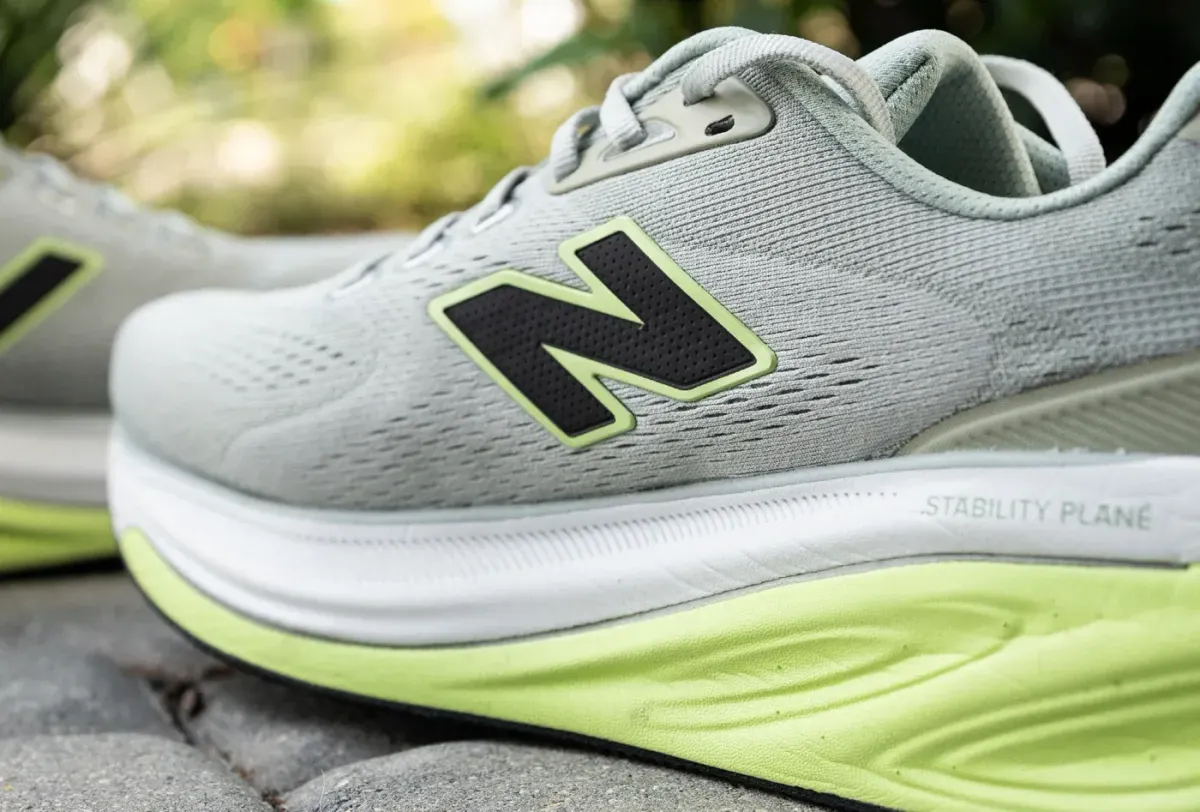
Stack: 43mm heel / 35mm forefoot · Drop: 8mm · Weight: 11.5 oz (326g, my 2E wide pair) · Best for: Big training weeks, runners who want their support shoe to feel like a max-cushion trainer
The 860v15 reinvented itself as a plush, max-cushioned stability trainer, with a dual-density Fresh Foam X setup and a refined Stability Plane that acts like a gentle guide rail rather than a blunt correction.
It rides like a cushioned daily trainer that happens to keep your gait true, and flat arches are literally part of its brief: it comes in Narrow, Standard, Wide, and X-Wide, with a roomy forefoot that lets a spreading foot splay naturally.
It's the heaviest shoe here, and it knows it: this is a steady-day workhorse and an excellent all-day walking shoe, not a speed option.
Buy them for: heavy mileage weeks, plush protected miles, walking double-duty. Skip them if: extra weight bothers you, you run in serious heat (the upper isn't very breathable), or you want any pace versatility.
8. Hoka Arahi 8 — Best Lightweight Support
Price: $150 at REI
HOKA Arahi 8 review: My favorite Arahi yet!
Lighter, wider, and more versatile than before; this is HOKA’s most refined stability trainer to date.
 Alastair Dixon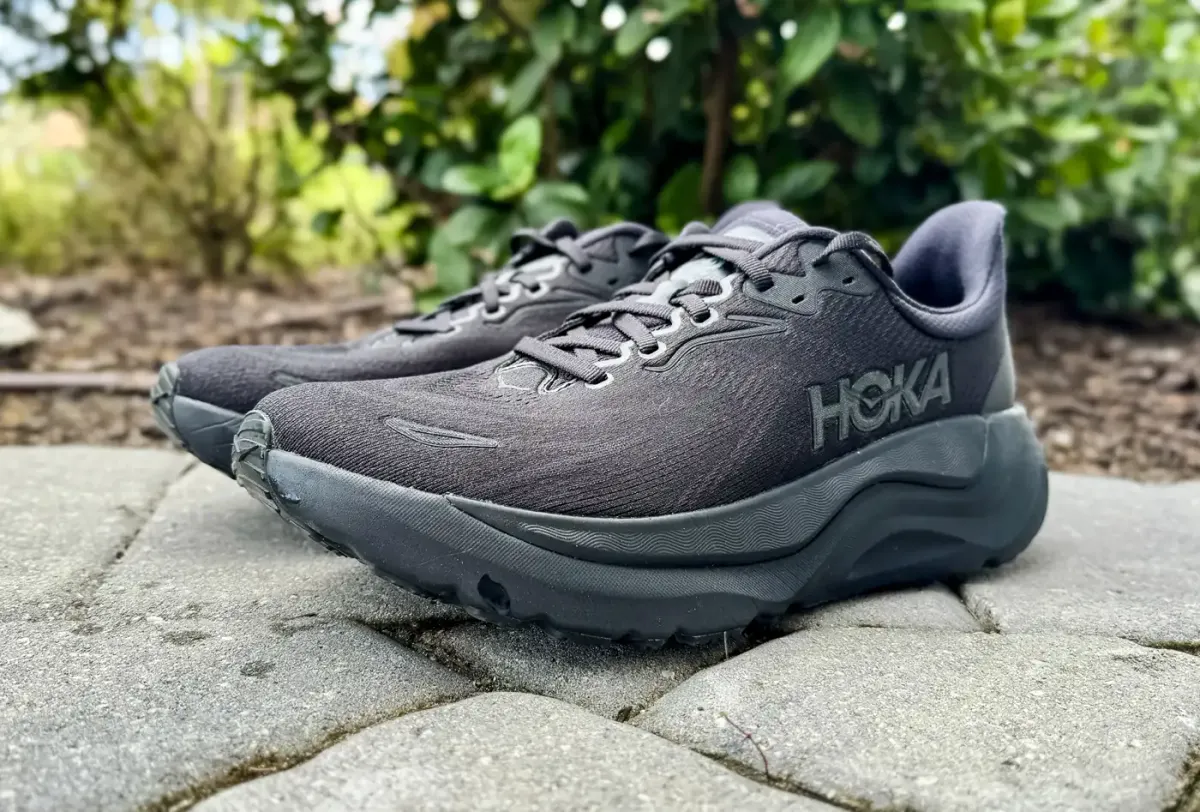
Drop: 8mm · Weight: 9.2 oz (261g) · Best for: Flat-footed runners who want their support shoe to handle some pace
The Arahi 8 is the nimblest stability shoe I've tested recently. The H-Frame keeps your stride aligned like a quiet support net, especially when fatigue sets in, and there's enough midsole response that picking up the pace doesn't feel out of place, which is rare in this category.
This version also added meaningful width and volume in the toe box, so it finally suits the wider feet that often come with flat arches.
Buy them for: daily miles with occasional uptempo work, lighter-feeling guidance. Skip them if: you run in serious heat (the upper traps warmth) or want max cushioning.
What if your flat feet don't overpronate?
Then you don't need a stability shoe at all, and forcing one can feel intrusive. What you want instead is a neutral daily trainer with a wide, planted platform, quality foam, and width options.
The Best Daily Trainer Running Shoes, Right Now
Reliable, cushioned, and neutral running shoes designed for everyday miles, easy runs, and all the training in between.
 Alastair Dixon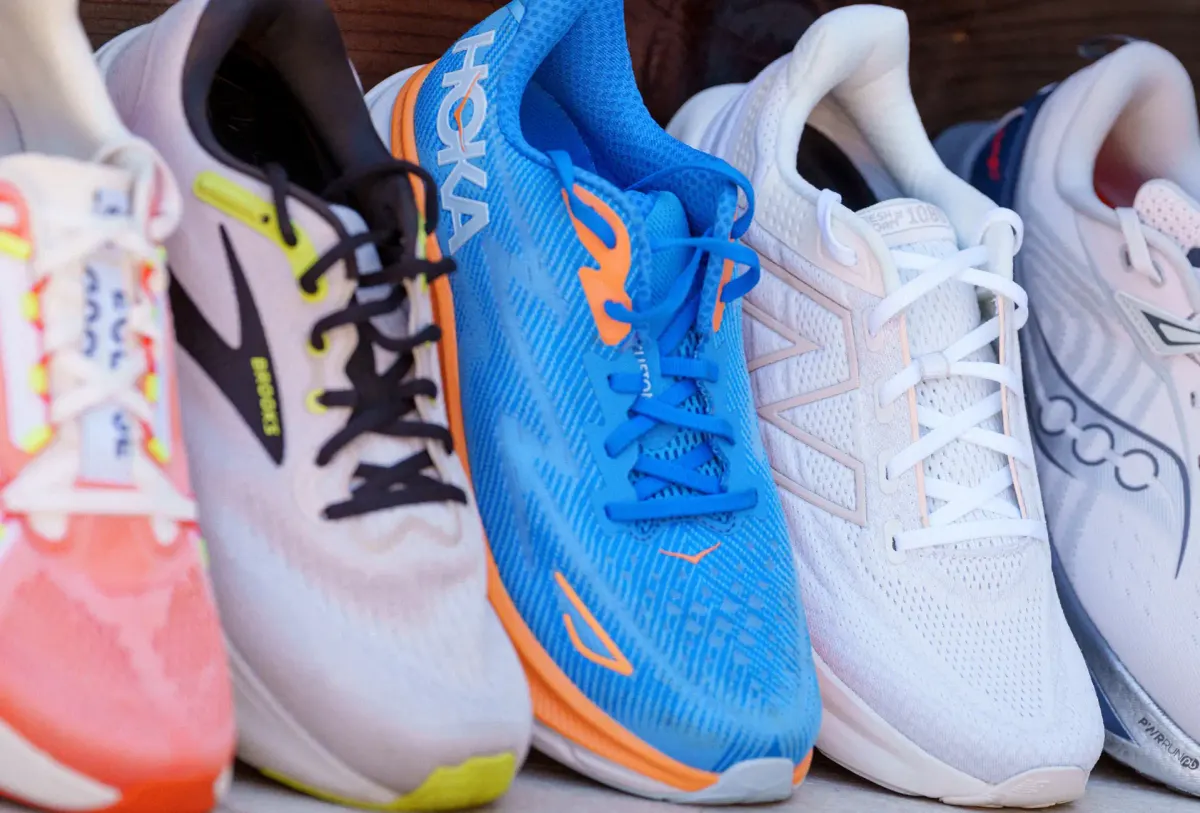
From my review library, the Brooks Glycerin 23 is the standout: a wide, calm, max-cushioned neutral cruiser available in multiple widths, with foam that stays consistent under load. The Brooks Ghost line is the more affordable neutral path, with the deepest width range in running (up to 4E).
If you sit right on the line, Brooks also makes GTS versions of both, which add GuideRails to those neutral platforms. Gentle guidance costs you very little if there's any chance you overpronate.
Best walking shoes for flat feet
A lot of people searching for flat feet shoes aren't running at all, and the criteria barely change: wide base, quality cushioning, support if you overpronate, and comfort that survives hours of standing.
The Gaviota 6 is my top pick for walking with flat feet (think of it as the support version of the Hoka Bondi), with the Kayano 32 as the premium alternative (that APMA seal exists for exactly this audience) and the 860v15 as the plush budget-friendlier workhorse. All three double happily between running and long days on your feet.
Shoes help, strength finishes the job
Same honesty I bring to every injury-adjacent roundup: the right shoe reduces strain and makes miles comfortable, but it doesn't change your foot.
If flat feet come with recurring aches, the highest-leverage work is upstream: calf raises, single-leg balance, short-foot exercises, and gradual training progression.
Strong feet tolerate flat arches remarkably well. And if your flat feet have already contributed to shin pain, my best running shoes for shin splints guide and its recovery roadmap are the next stop; heavier runners should also read my best running shoes for heavy runners roundup, since load and arch behavior compound.
Best running shoes for heavy runners in 2026 (tested)
Cushioned, stable, and durable picks for bigger runners, tested and reviewed by a runner who knows what actually matters underfoot.
 Alastair Dixon
How I picked these
I run in every shoe I review. For this list I started with platform width, guidance approach, torsional rigidity, arch comfort, and width availability, and only included shoes from my personal review library so I can speak to how they feel over real miles.
Notable absences: no carbon-plated racers (aggressive transitions are the opposite of what a hard-working flat foot needs for daily miles), and no minimalist or zero-drop options as first-line picks, because unsupported flat feet under sudden low-drop load is a classic injury recipe.
If you don't see your shoe here and want me to test something specific, drop me a line in the comments.
Frequently asked questions
Do flat feet always need stability shoes?
No. Flat arches plus overpronation benefit from stability features; flat arches with a neutral stride mostly need width, a planted platform, and good cushioning. A gait analysis tells you which one you are, and it's worth doing before you spend.
Are Hoka shoes good for flat feet?
Generally yes, because wide platforms are a Hoka signature. The Gaviota 6 and Arahi 8 are the supported picks; the Bondi line suits neutral flat feet. Their narrow-fitting speed models are the exception.
Do arch support insoles fix flat feet?
They don't fix anything, but they can help comfort if your current shoes have no support and you overpronate. A properly chosen shoe from this list usually does the job better, and if pain persists anyway, a podiatrist consult beats endlessly swapping insoles.
Can you fix flat feet with exercises?
You generally can't rebuild an arch, and you don't need to. Foot and calf strengthening improves how well flat feet tolerate load, which is what actually matters for comfortable running.
Is running bad for flat feet?
No, and poo poo anyone who tells you that! With appropriate shoes, sensible training progression, and some strength work, flat-footed runners train and race at every level. Flat feet change your shoe shortlist, not your potential.
If you haven't already, signup for my free newsletter, and subscribe to my YouTube Channel for more content like this. 👉🏼 And for an inside look at what's comes into my studio with unboxings, lace up reels, and short form reviews, follow me on Instagram, and TikTok. -Alastair
Written by

Subscribe to new posts
reviews, training tips, and thoughtful stories for runners






Member discussion