
Brooks Adrenaline vs Glycerin: which one is right for your running?
Brooks Adrenaline vs Glycerin compared after testing both. The performance, support and cushioning differences, and which to buy.

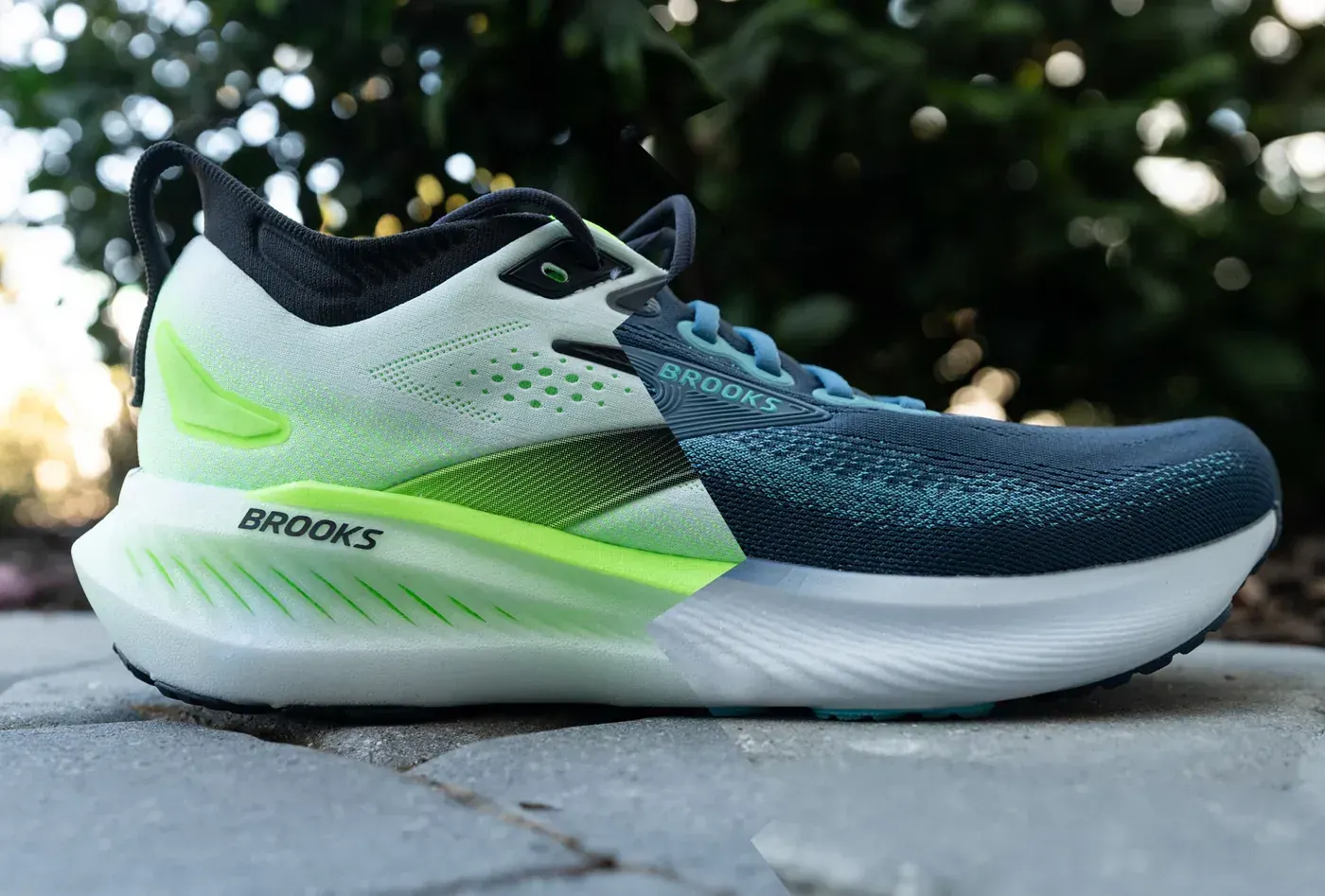
The Adrenaline vs Glycerin question trips people up because it isn't really a fair fight. These are two of Brooks’ most popular shoes, but they’re designed for different types of runners, and choosing between them becomes much easier once you know what you need from your daily trainer.
The Adrenaline is Brooks's most trusted stability trainer, built to guide your stride. The Glycerin is Brooks's premium neutral cruiser, built around soft protective cushioning.
I've been running the current versions of both, the Brooks Adrenaline GTS 25 and the Brooks Glycerin 23. Here's the breakdown, in about five minutes.
If you purchase gear through links in this article, I may earn a small affiliate commission. For my training tools, exclusive content, newsletter, and more perks become a member, (it's free!). -Alastair ✌🏼
The quick answer
If you overpronate, or you simply feel better in a shoe that keeps your stride aligned with genuine support, get the Adrenaline GTS. Its GuideRails support system is the whole reason the line exists, and it's $20 cheaper.
If you're a neutral runner who wants the plushest, most premium cruising feel Brooks offers in a standard trainer, get the Glycerin. It's the comfort-first choice for easy miles, long runs, and recovery days.
The one thing they both share is that neither is a particularly fast shoe. Both are comfort-and-protection trainers that feel their weight the moment you push the pace, so buy either one for the easy end of your week.
Side by side: my measured numbers
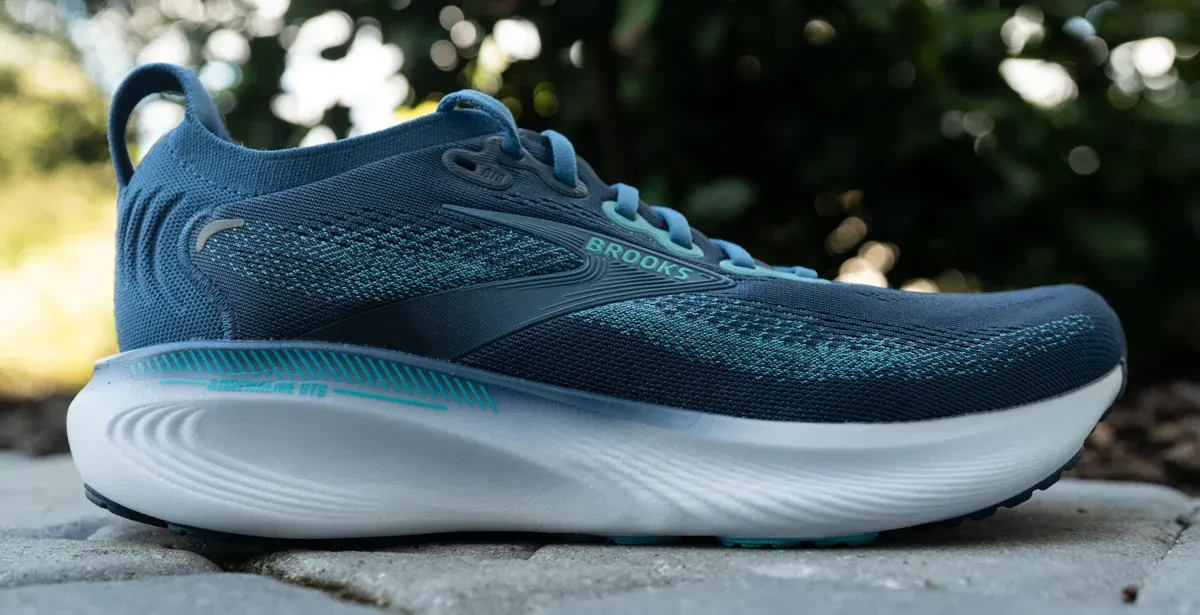
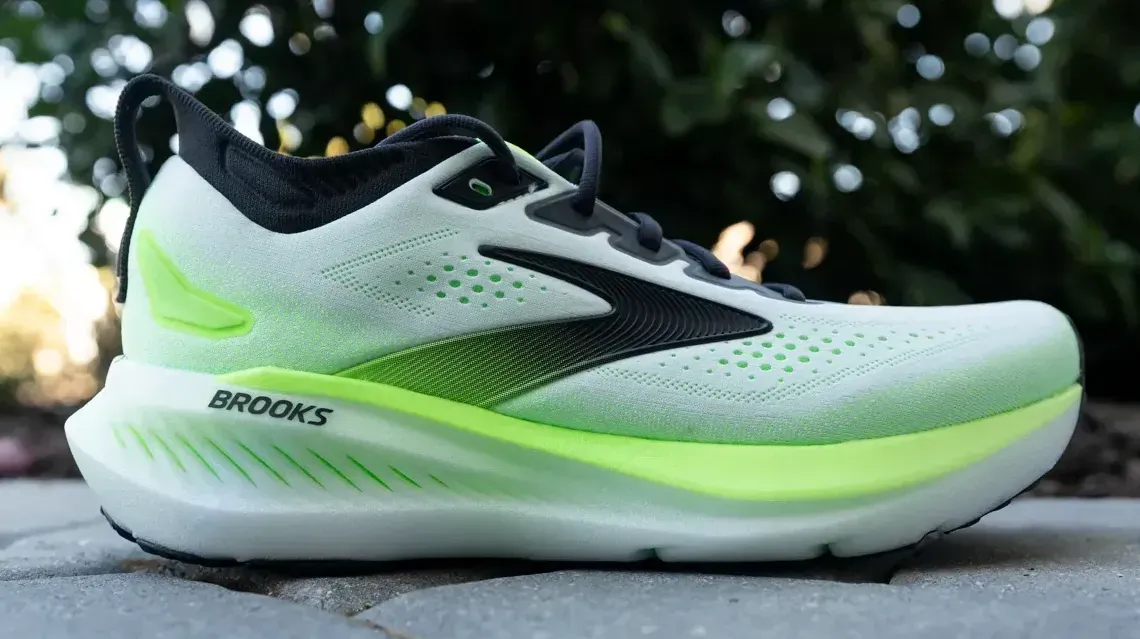
Adrenaline GTS 25 (left), Glycerin 23 (right)
| Adrenaline GTS 25 | Glycerin 23 | |
|---|---|---|
| Price | $155 | $175 |
| Weight (my pair, US M9) | 10.2 oz (289g) | 10.7 oz (303g) |
| Drop | 10mm | 8mm |
| Support | GuideRails stability | Neutral |
| Midsole | DNA Loft v3, nitrogen-infused | DNA Tuned, nitrogen-infused dual-cell |
| Ride character | Firm-to-neutral, predictable | Soft, heel-led, plush |
| Best for | Overpronators, guided daily miles, walking | Neutral cruising, long easy runs, recovery |
Brooks Adrenaline GTS 25 review: softer cushioning, roomier fit, same reliable support
Comfort meets consistency but this one’s more of a side-step than a leap forward.
 Alastair Dixon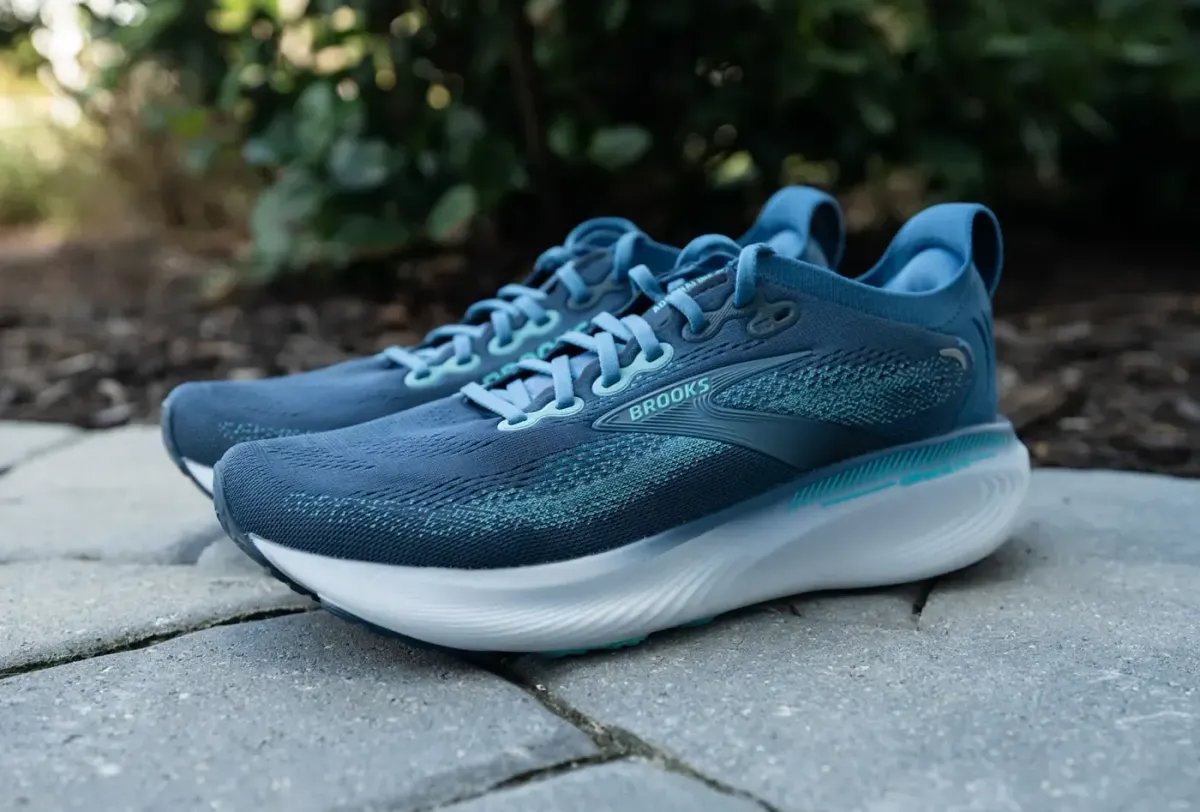
Brooks Glycerin 23 review: a more forgiving forefoot, same heel-led cruise feel
The ride feels more refined and more forgiving up front, but it remains a heel-led, cruise-focused trainer for new runners.
 Alastair Dixon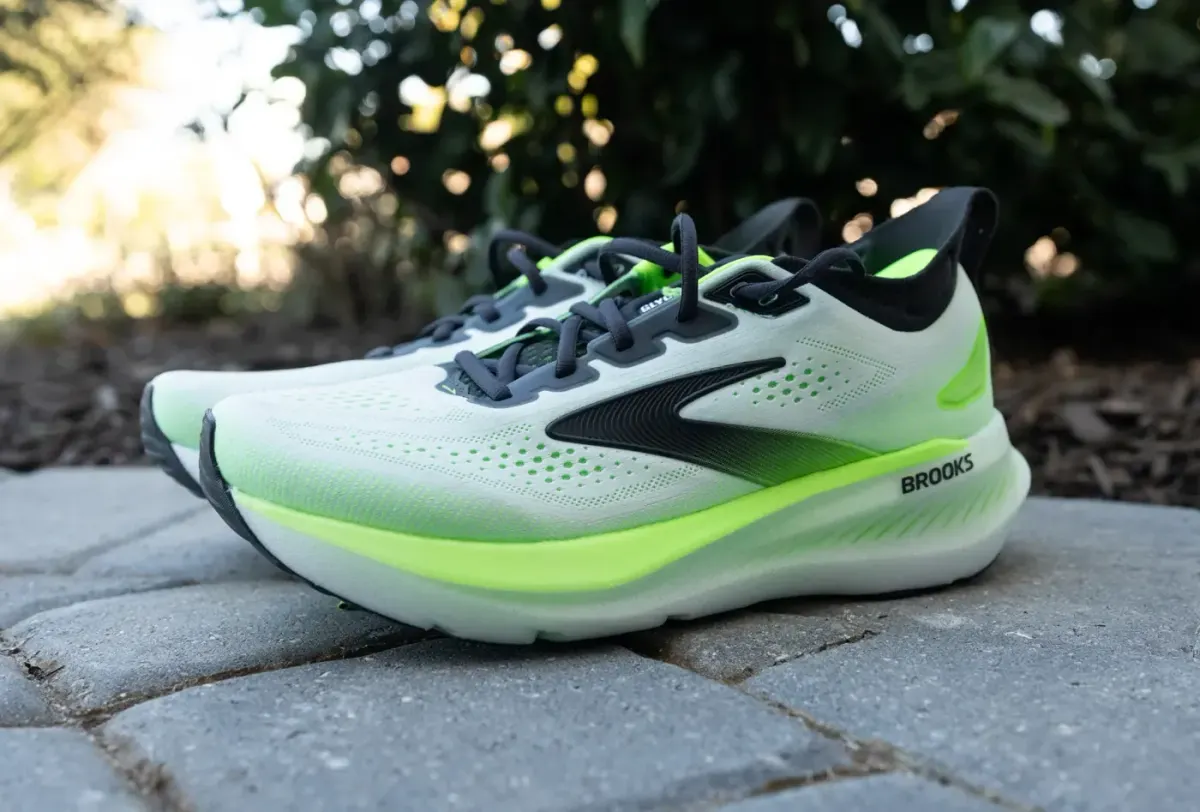
The real difference: support vs plushness
Every other difference between these two flows from one design decision. The Adrenaline is a support shoe. The Glycerin is a cushion shoe.
The Adrenaline's GuideRails system adds stability through the medial side and heel, and it does its job quietly. It guides your gait gently into alignment without intruding on natural motion, which is why it works both for runners who overpronate and for anyone who just prefers a secure, guided stride.
The Glycerin has no support system at all in its standard form. What it does have is an inherently calm, relatively stable feel for a neutral max-cushion trainer, thanks to its predictable, well-balanced platform. That's stability by design, not by correction.
If you're not sure whether you overpronate, my best stability running shoes roundup explains the signs to look for before you spend either amount.
The 11 Best Stability Running Shoes, Right Now
Supportive, cushioned running shoes built to keep your stride steady during daily runs, longer efforts, and recovery days.
 Alastair Dixon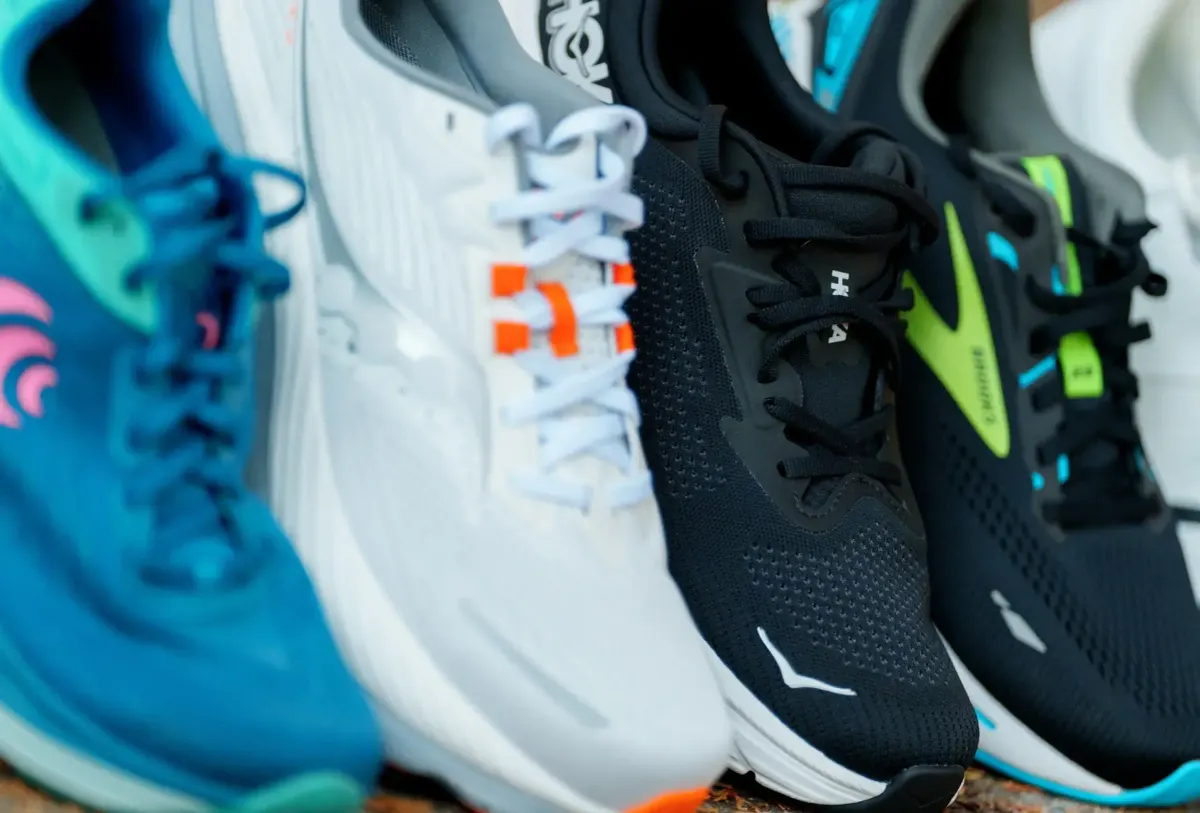
Ride feel: dependable vs plush
Underfoot, these are two clearly different personalities.
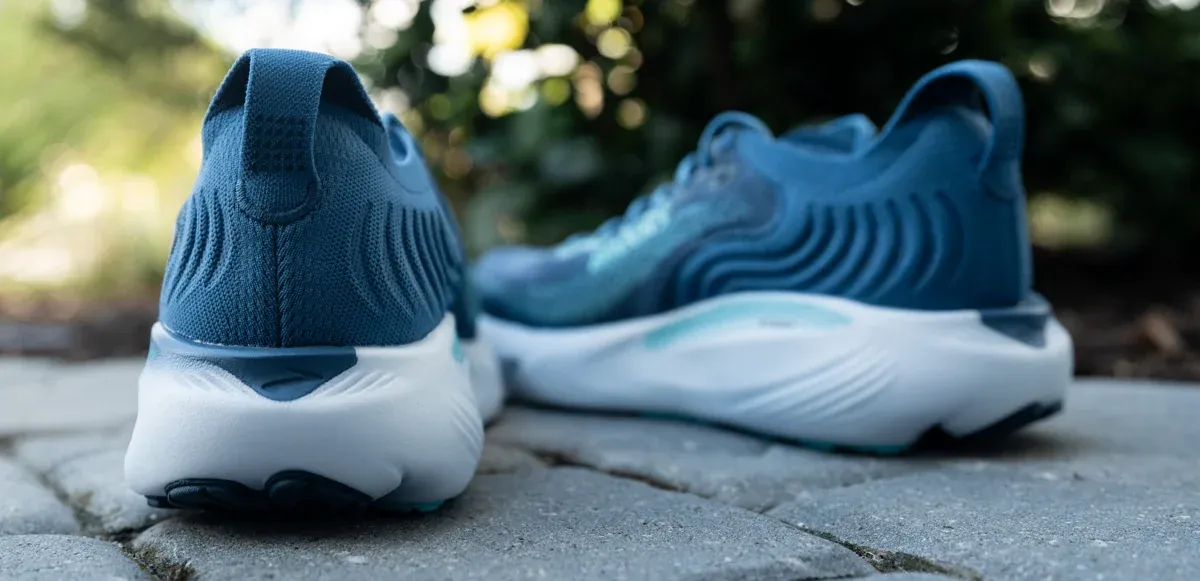
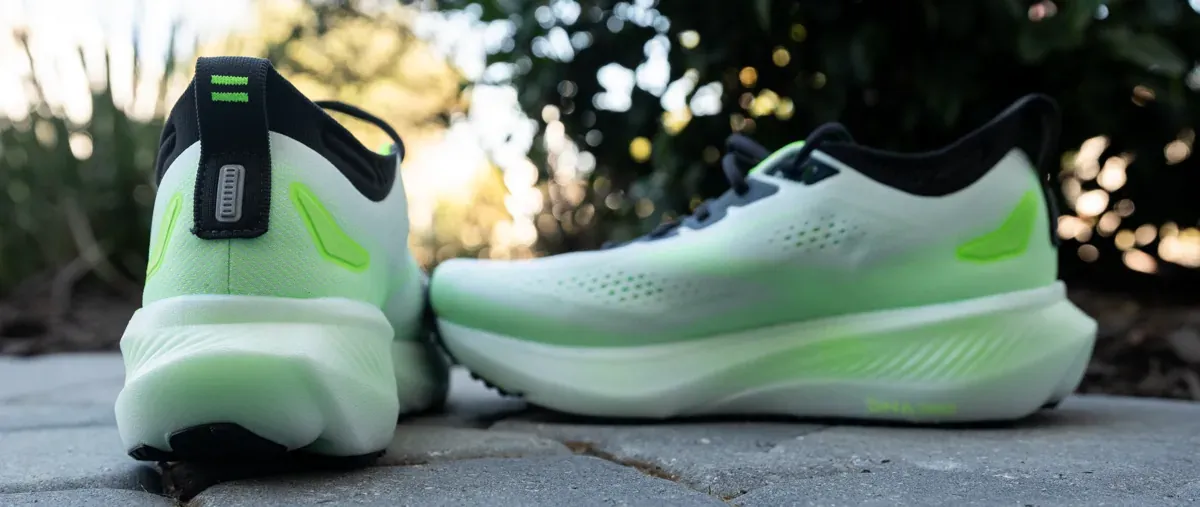
The Adrenaline's DNA Loft v3 is firm-to-neutral. It's not marshmallow soft, it doesn't bottom out over long distances, and it isn't particularly energetic either.
It's a steady, predictable ride that disappears underfoot, which is exactly what the shoe's loyal following buys it for.
The Glycerin's DNA Tuned foam is the softer, plusher setup, with larger heel cells for impact absorption and smaller forefoot cells for a slightly bouncier toe-off. The ride is distinctly heel-led and rear-loaded, and to that point, it encourages a heel landing.
So the honest framing is this: heel strikers who want their landing cushioned will love the Glycerin's approach. Runners who want a flatter, more connected, more guided feel will be happier in the Adrenaline.
Fit, weight, and drop
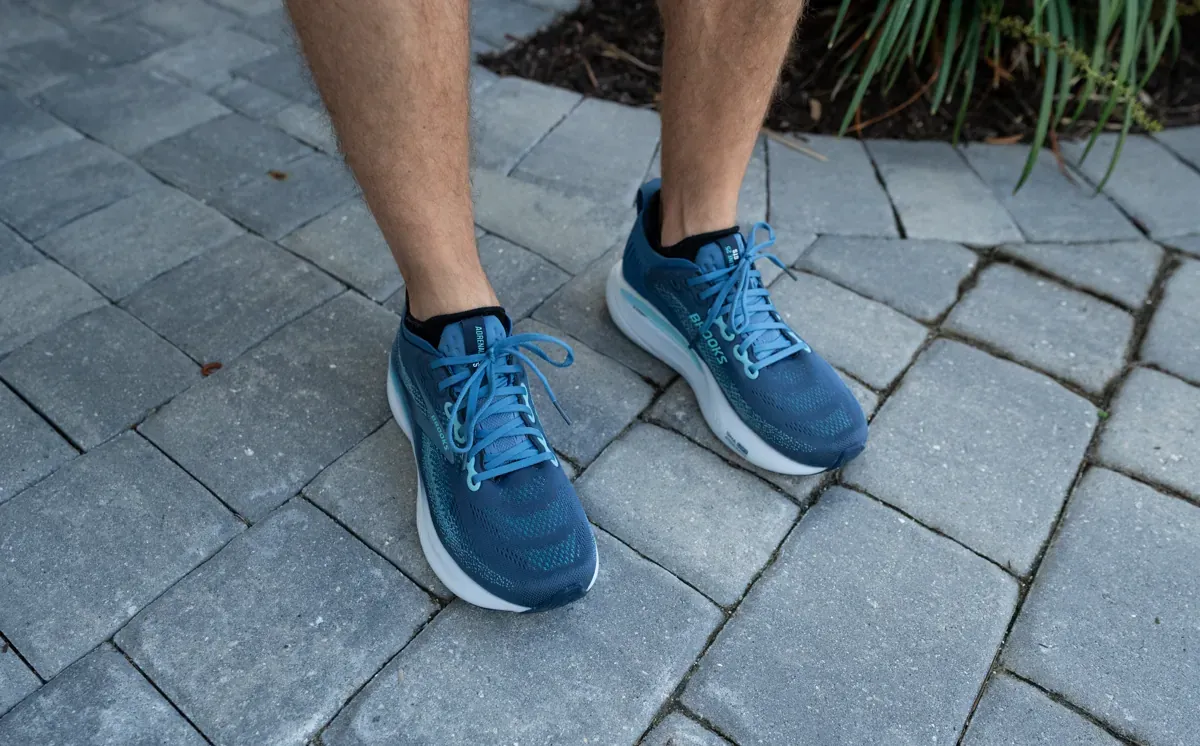
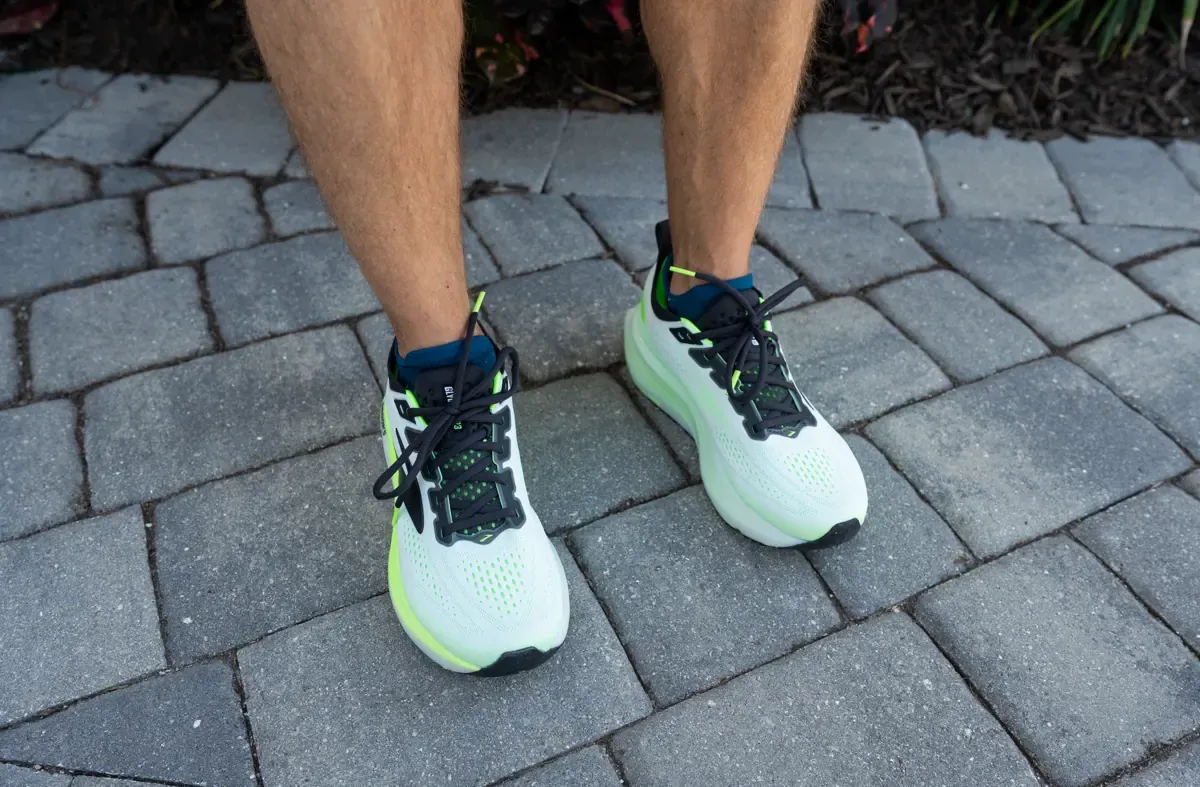
Both shoes fit me true to size, and both come in wide options. The differences are in the details.
The Adrenaline has the roomier toe box and a slightly looser midfoot, which makes it a great pick for wide or high-volume feet, though narrow-footed runners may notice a touch too much room.
The Glycerin counters with the plusher step-in feel; the collar and tongue padding make it dreamy to slip on, and heel lockdown is easy to dial in.
On the scale, my Adrenaline pair is 10.2 oz to the Glycerin's 10.7 oz. Neither is light, and both reinforce the easy-miles brief.
Drops are 10mm and 8mm respectively, and both shoes run on the warm side. Neither upper breathes brilliantly, which is worth knowing if most of your running happens in summer heat.
What about the Adrenaline GTS vs Glycerin GTS?
This question deserves its own answer, because Brooks also makes a Glycerin GTS, which puts the same GuideRails support under the Glycerin's plush platform.
That makes the real Brooks stability choice a two-step decision.
- 1: do you need support?
- 2: do you want it in a firmer, more affordable package (Adrenaline GTS) or a softer, premium one (Glycerin GTS)?
The Adrenaline is the everyday workhorse answer, and at $155 it's the more accessible of the two. The Glycerin GTS is for the runner who wants maximum cushioning and guidance in the same shoe, and is happy to pay the premium for it.
Which one should you buy
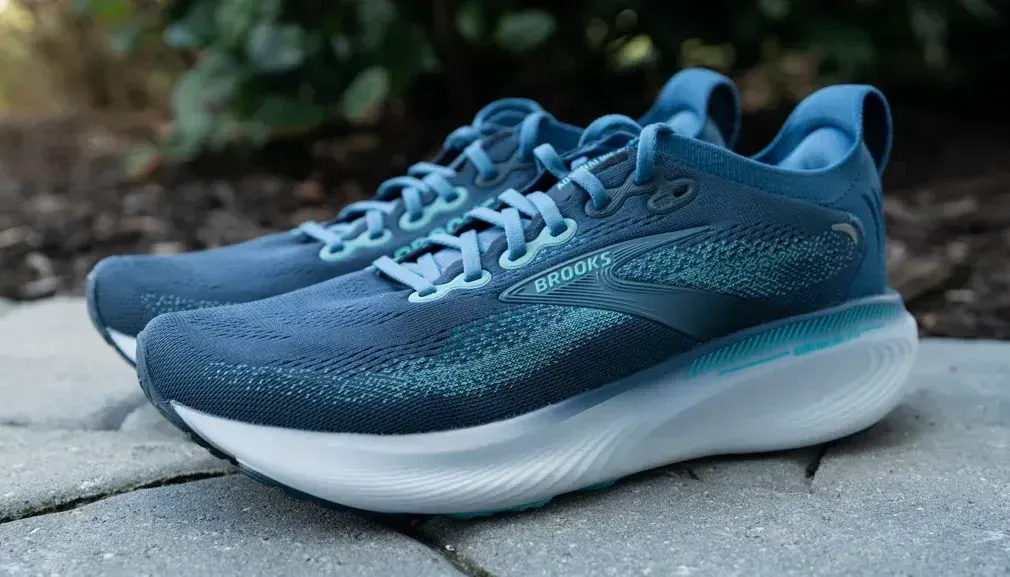
- You overpronate, or a professional has pointed you toward stability shoes
- You want a predictable, structured daily trainer for running and walking
- You have wide or high-volume feet and want the roomier fit
- You want to spend $155, not $175
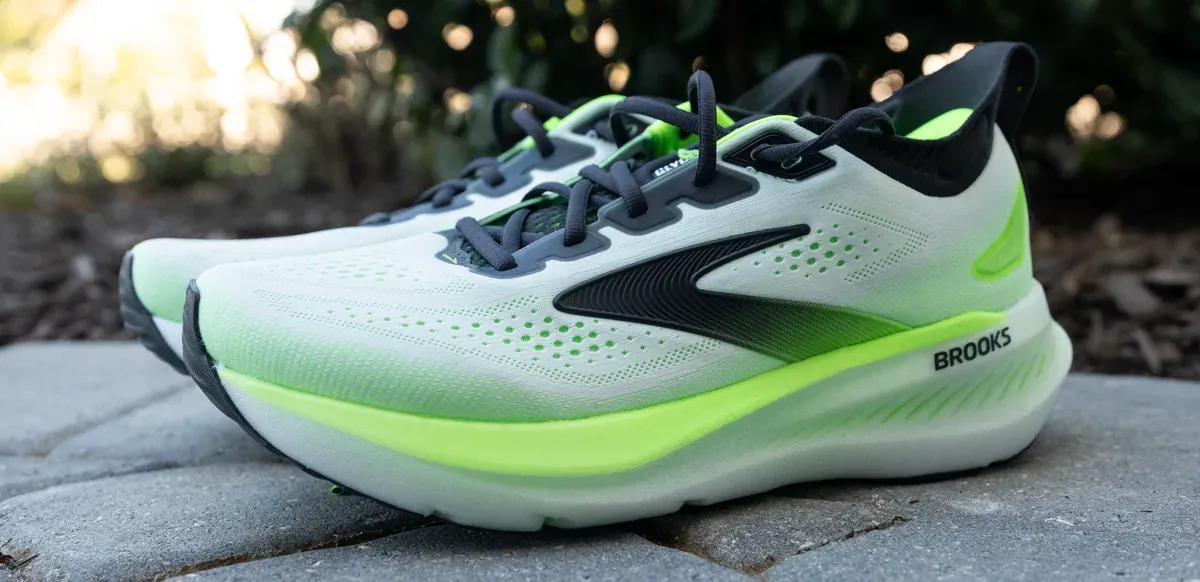
Buy the Glycerin if:
- You're a neutral runner and plush comfort is the priority
- You're a heel striker who wants your landing pattern cushioned
- Long easy runs and recovery days are where this shoe will live
- You want the more premium upper and step-in feel
My verdict
Pick based on your gait first and your comfort preference second, because support is the difference that actually matters most here.
If you need guidance, the Adrenaline GTS is one of the most proven ways to get it, and its predictable, protective ride is why it also earns such a high spot in my best running shoes for shin splints guide.
Best Running Shoes For Shin Splints (2026): 6 Tested Picks
Shoes don’t fix shin splints, but the wrong ones make it worse. My six tested picks for runners dealing with MTSS, plus what actually helps recovery
 Alastair Dixon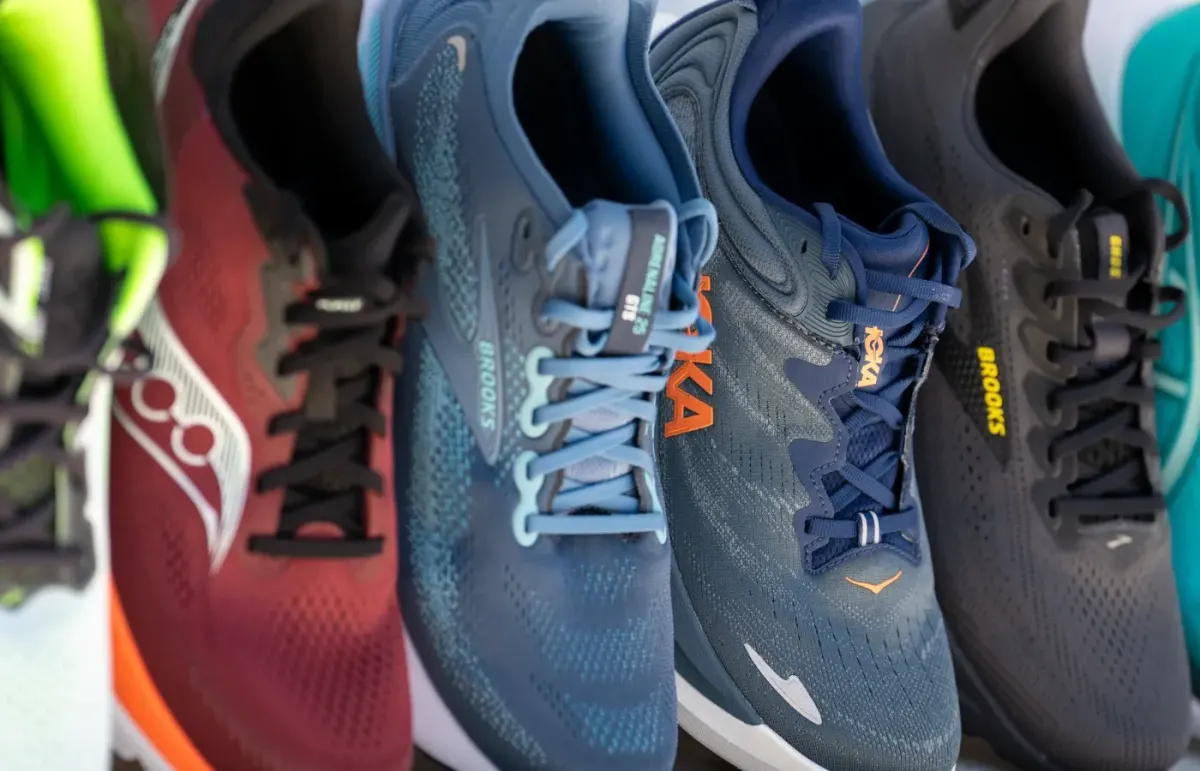
If you don't need guidance, the Glycerin is the more luxurious easy-day shoe, and the extra $20 buys a genuinely plusher experience.
And if you're a neutral runner but the Glycerin's heel-led softness doesn't sound like your thing, the lighter, more balanced Ghost is the shoe to look at instead. My Brooks Ghost vs Glycerin guide covers that decision in full.
Brooks Ghost vs Glycerin: which line is right for you?
Brooks Ghost vs Glycerin compared line by line. Cushioning, weight, drop, price, and ride differences explained, with a clear pick for your running.
 Alastair Dixon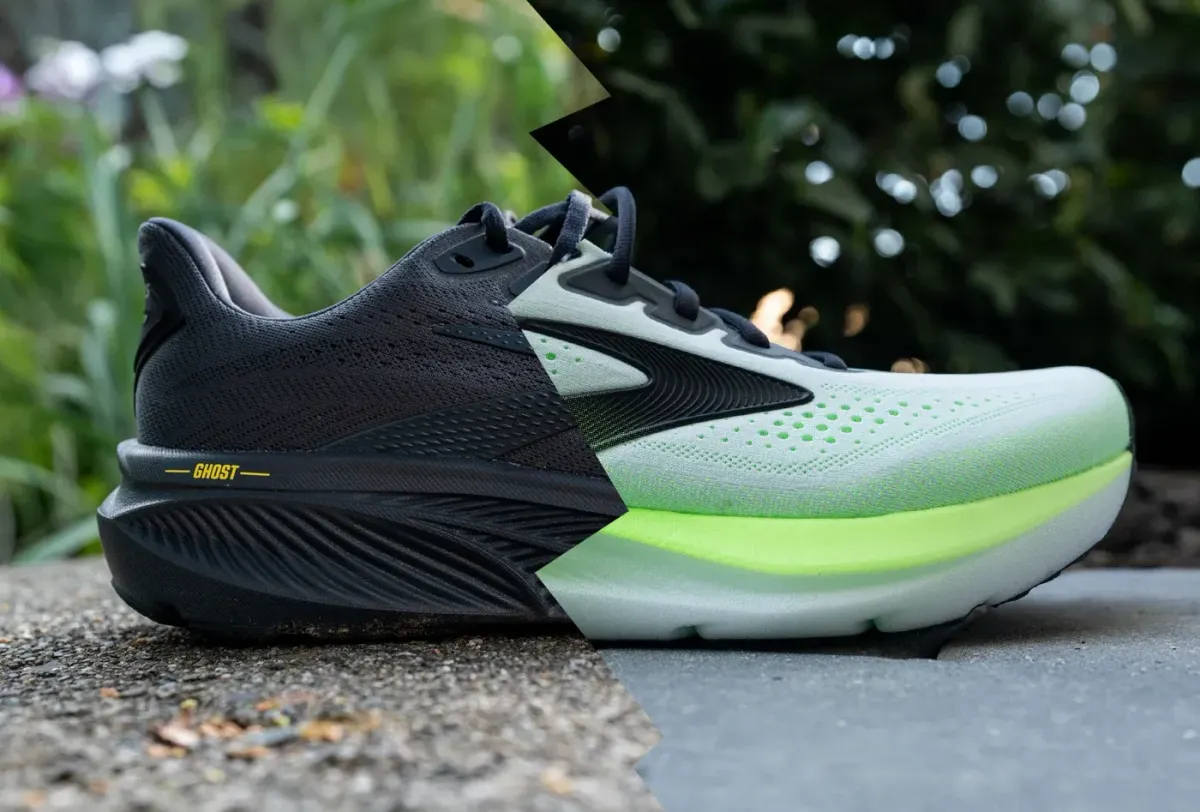
Whichever way you land, keep both of these at easy paces, pair them with a faster shoe for quality days, and they'll each do their one job very well. For the bigger rotation picture, my best running shoes roundup is the place to start.
If you haven't already, signup for my free newsletter, and subscribe to my YouTube Channel for more content like this. 👉🏼 And for an inside look at what's comes into my studio with unboxings, lace up reels, and short form reviews, follow me on Instagram, and TikTok. -Alastair
Written by

Subscribe to new posts
reviews, training tips, and thoughtful stories for runners






Member discussion