
Hoka vs On Cloud Running Shoes: Which Is Best for You?
Hoka vs On Cloud compared by a runner who has tested every current model from both. Category-by-category picks, walking and nurse advice, and a clear verdict.

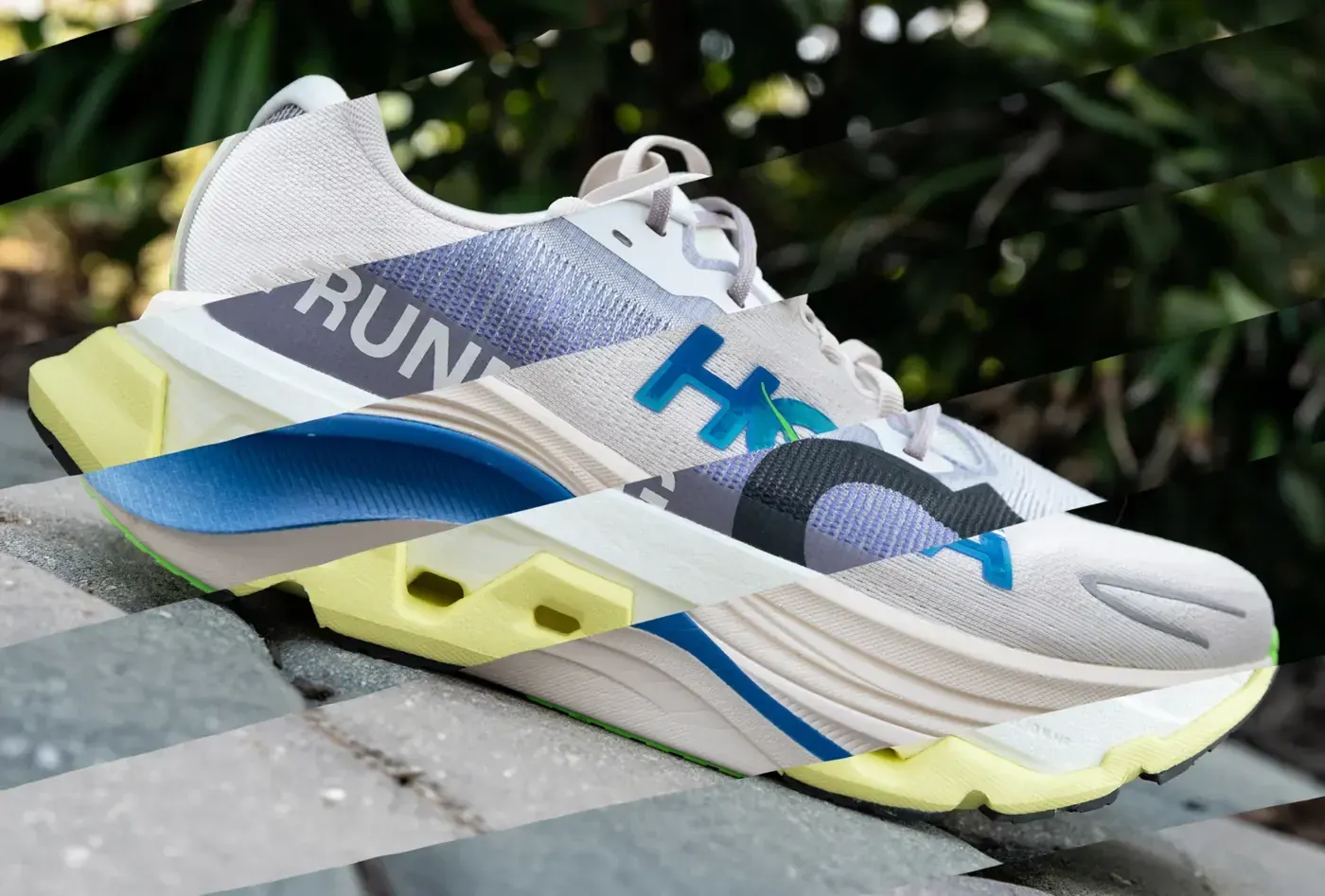
Hoka and On are the two brands everyone asks me about, and for good reason; both make shoes so comfortable that people who've never cared about running shoes suddenly have opinions about them.
I've tested every current model from both brands, I rotate shoes from both in my own training, and this guide gets updated whenever the lineups change.
Quick spoiler: there's no single winner here, but there is a clear winner for you, depending on what your feet and your week actually need. Let's settle this argument, once and for all.
If you haven't already, signup for my free newsletter, and subscribe to my YouTube Channel for all the latest running shoe reviews. 👉🏼 And for an inside look at what comes into my studio with unboxings, lace up reels, and short form reviews, follow me on Instagram, and TikTok. -Alastair
More Hoka and On buying guides:
If you purchase gear through links in this article, I may earn a small affiliate commission. For my training tools, exclusive content, newsletter, and more perks become a member, (it's free!). -Alastair ✌🏼
The quick answer
If you want maximum cushioning, the strongest stability lineup in running, the best trail grip, and shoes that feel like cheating on long runs or long shifts, go Hoka.
If you want a firmer, more propulsive ride, sleek everyday styling that doesn't scream "running shoe," and that unique CloudTec sensation, go On.
And if you're a nurse, teacher, or anyone on your feet 10+ hours; Hoka for pure comfort, On for looks-plus-comfort. More on that below, because it's one of the most common reasons people land on this page.
What are the main differences between Hoka and On?
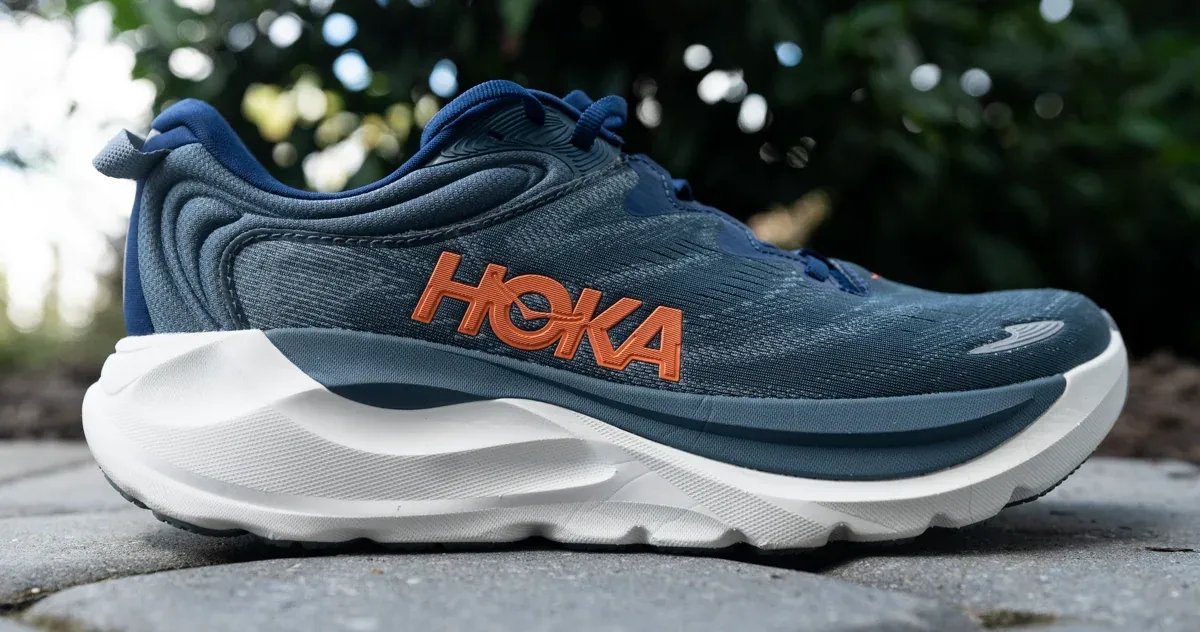
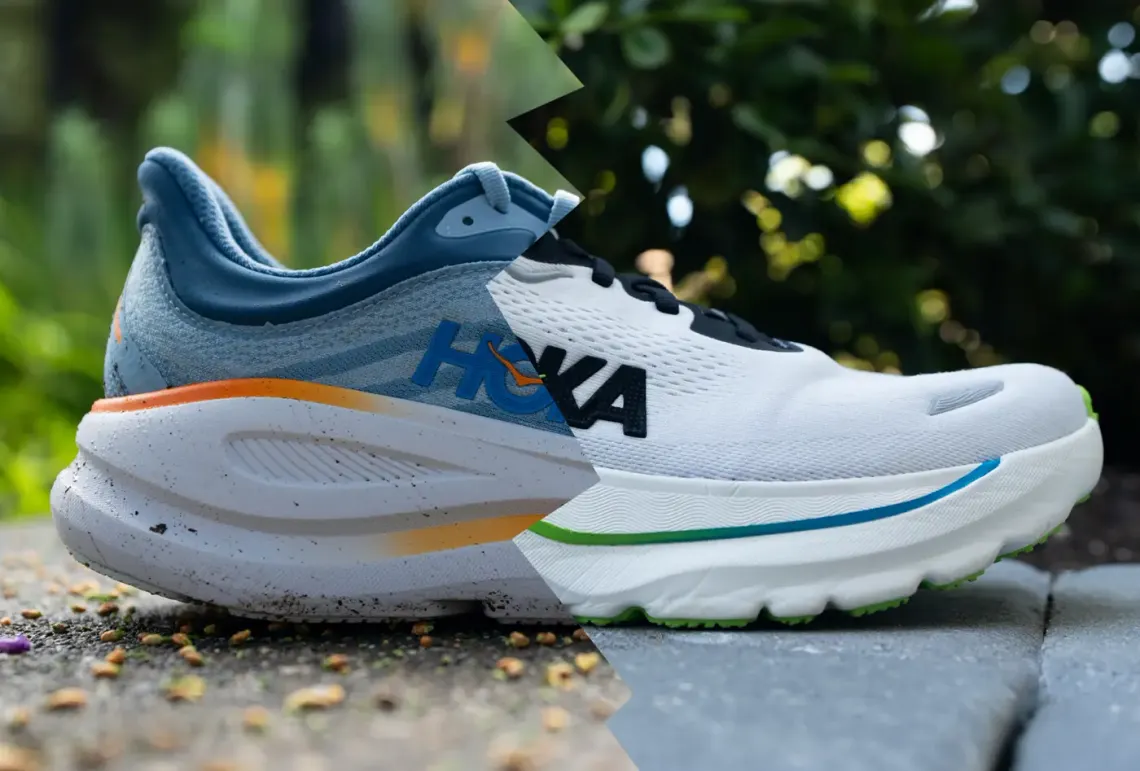
Hoka owns the maximalist formula it invented which means tall, soft, rockered platforms that absorb impact and roll you forward.
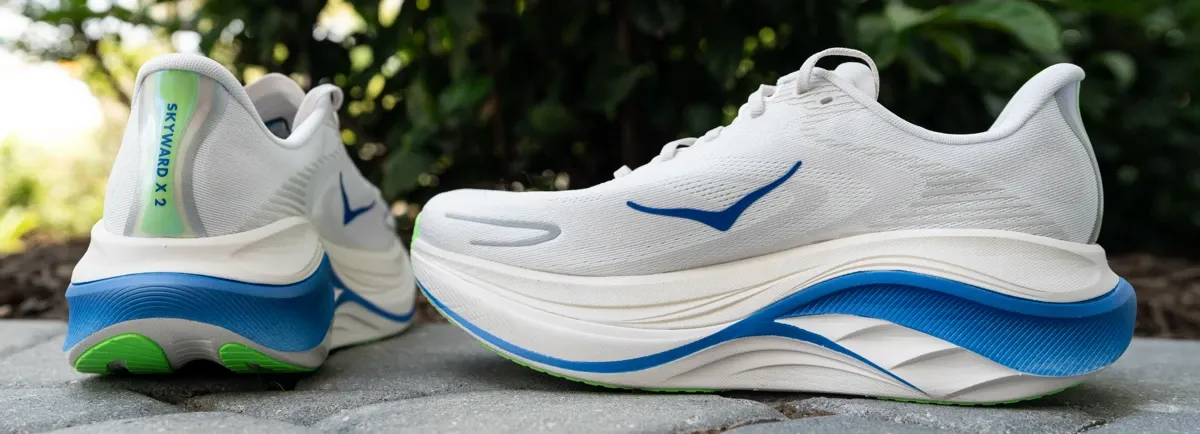
The look says "cushion for days" because that's exactly what you get, and the brand's lineup depth is unmatched, with genuine specialists for stability, trail, racing, and recovery.
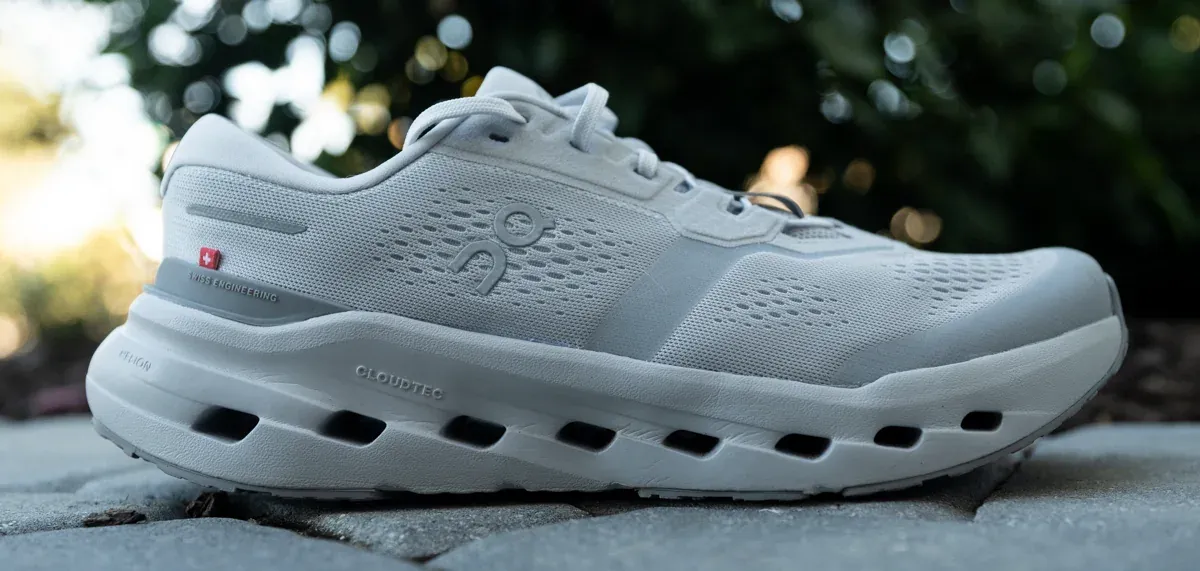
On is instantly recognizable by its CloudTec pods, the hollow "clouds" in the sole that compress on landing and spring you forward (although that's starting to evolve again).
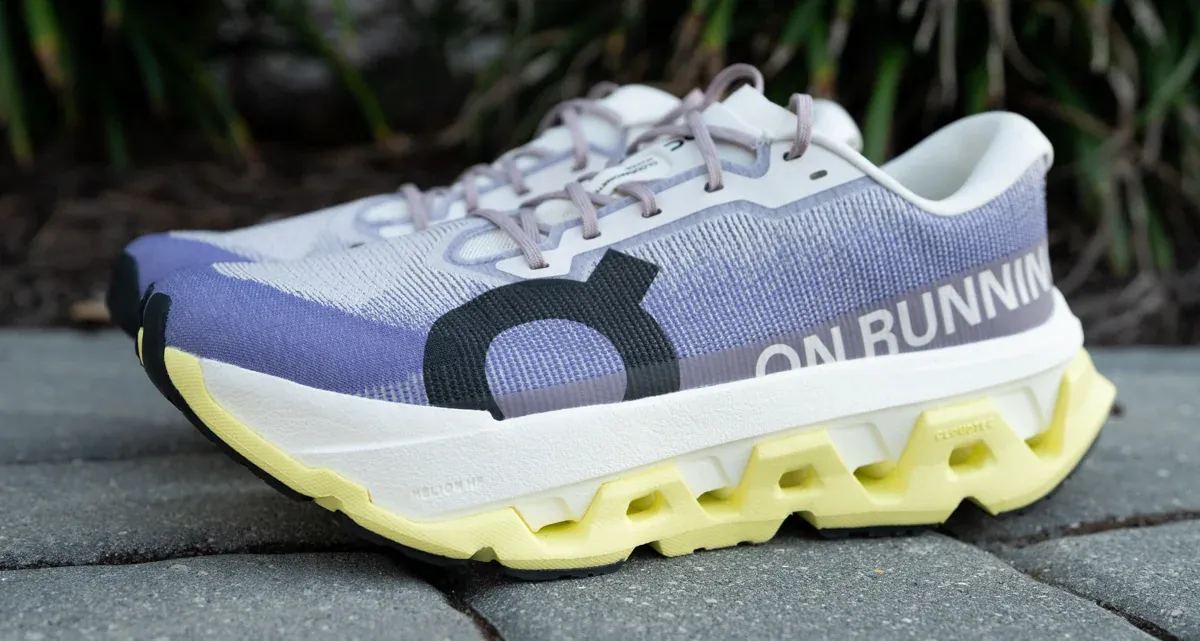
The modern lineup pairs those pods with Helion superfoam and embedded Speedboards, and the result is a firmer, more connected, more propulsive family of shoes with the best Swiss-flair lifestyle crossover appeal in running.
Both brands now make genuinely lightweight, cushioned, responsive shoes, and the gap has narrowed. But the core personalities hold where Hoka leans soft and protective, and On leans firm, snappy and stylish.
How do fit and feel compare?
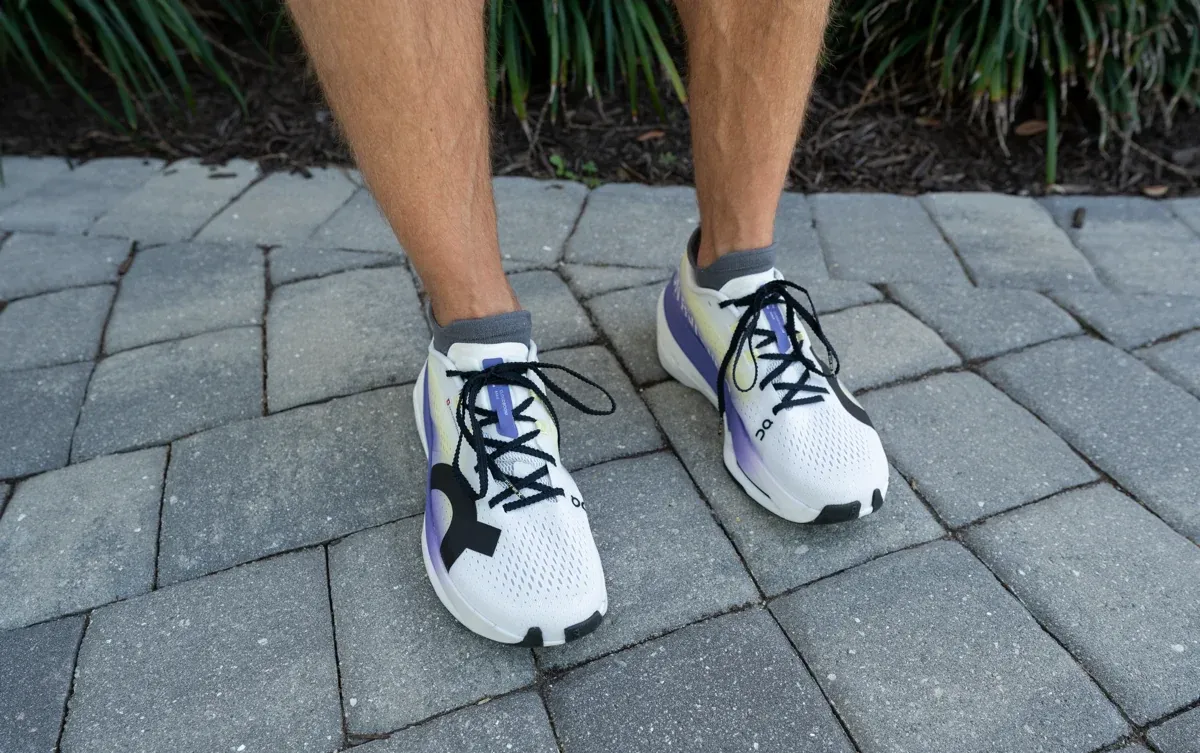
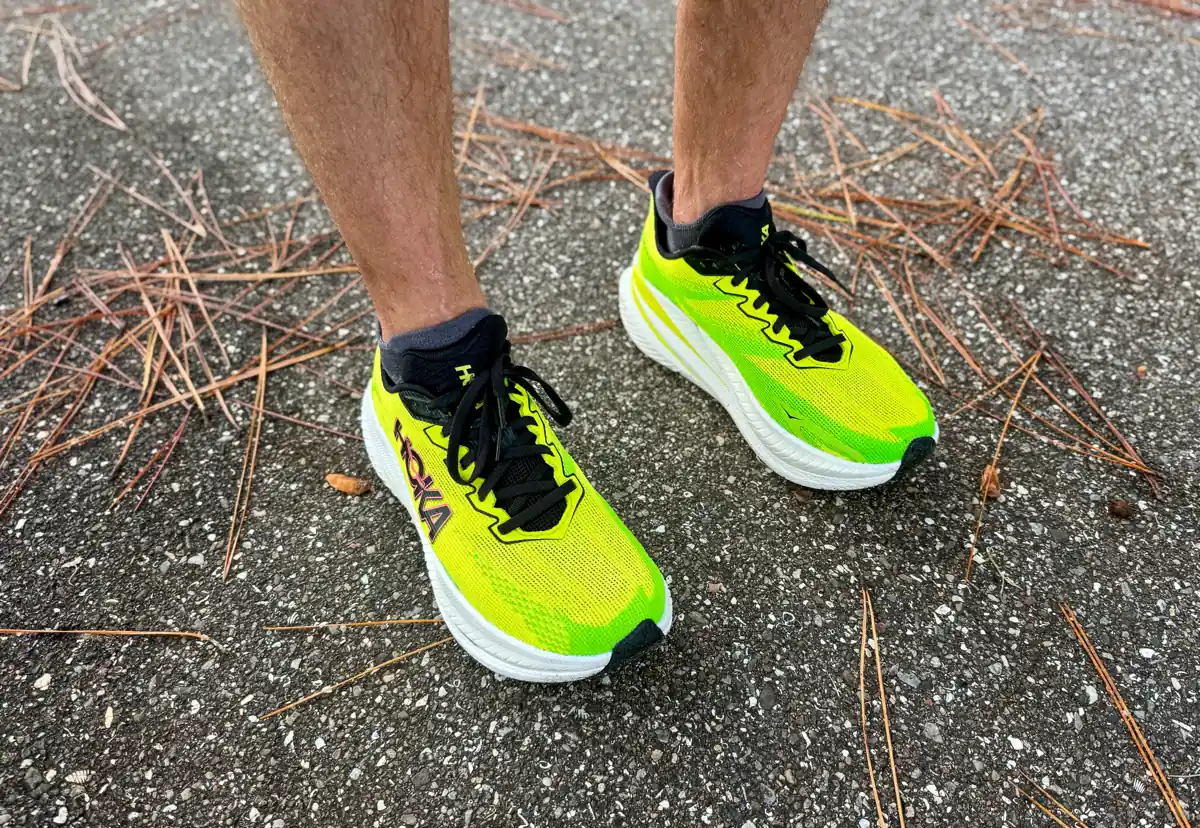
Both brands build primarily neutral, medium-width shoes that feel excellent from the first step, and most models from both fit true to size.
The meaningful differences are that Hoka offers far more width options across its lineup (many core models come in wide and extra-wide), while On runs a touch narrower and more tailored overall, which is part of why it looks so good off the run.
If you have wide or high-volume feet, Hoka is generally the safer default; if your feet are narrow to medium, both fit beautifully.
Cushioning character is the other split. Hoka still edges it for pure softness, especially on long runs and long days standing. On's Helion-era midsoles have closed the comfort gap massively while keeping that quicker, more grounded feel underfoot.
Hoka vs On: my top picks for every type of run
Everyday daily training
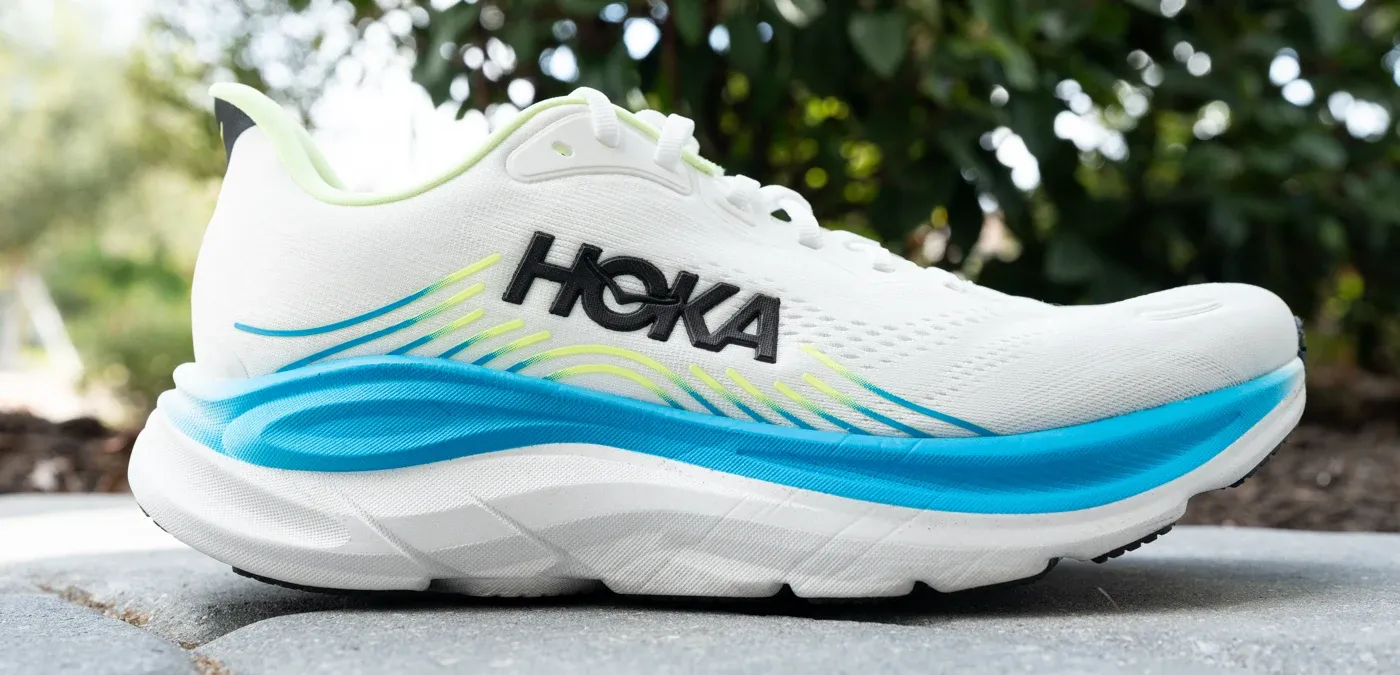
- Hoka pick: the Hoka Clifton 11, $150. Still the king of effortless daily miles: soft, light, breathable, and the definitive default daily Hoka.
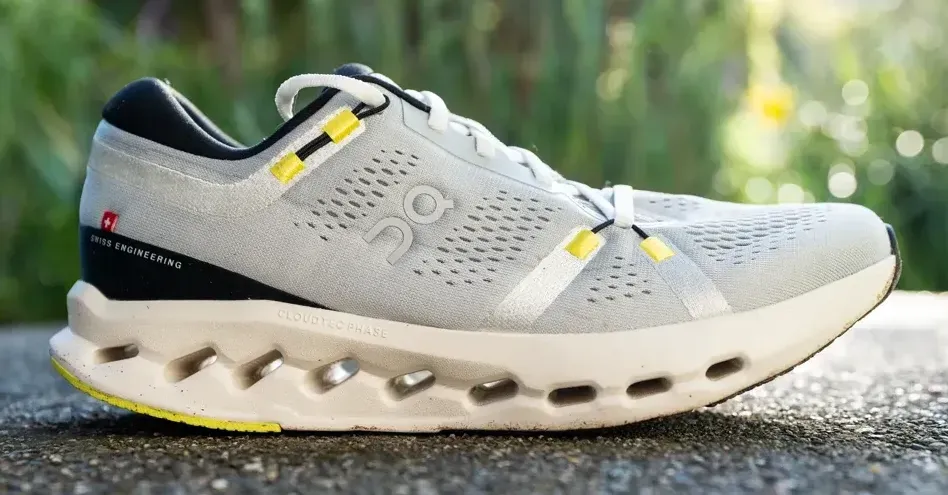
- On pick: the On Cloudsurfer 2, around $160. My go-to lightweight On daily, with a smooth, rolling CloudTec Phase ride.
Edge: Hoka, narrowly, for the softer ride and wide sizing, though the Cloudsurfer is the better-looking shoe off the run.
Stability (this is where the brands really separate)
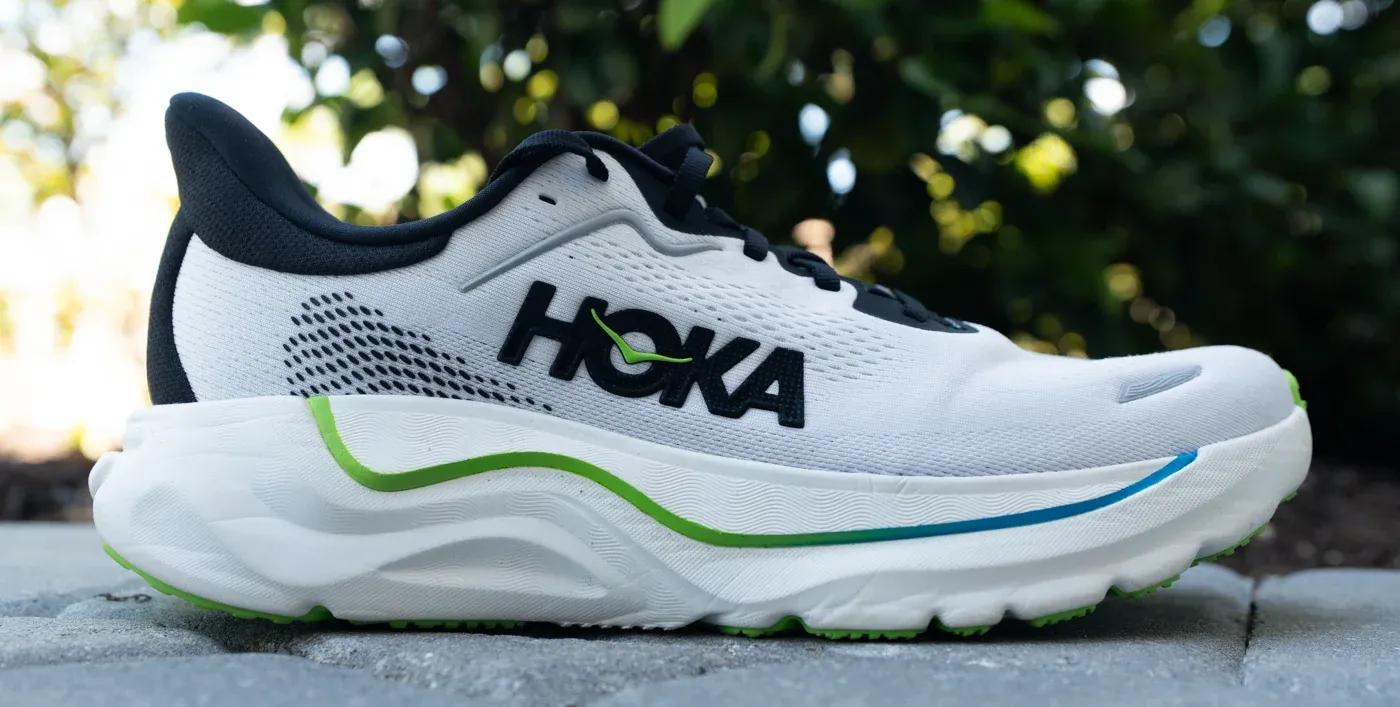
Left to right: Arahi 9, Gaviota 6, Cloudrunner 3
- Hoka picks: the Hoka Arahi 9, $155, for light, breathable H-Frame guidance, and the Hoka Gaviota 6, $180, for max-cushion support when overpronation is more pronounced.
- On pick: the On Cloudrunner 3, $160, a calm, geometry-based stability daily that guides without correcting.
Best Stability Running Shoes 2026: 10 Tested Picks
The 10 best stability running shoes of 2026, tested over real miles. Modern guidance that steers without correcting, ranked by how they run.
 Alastair Dixon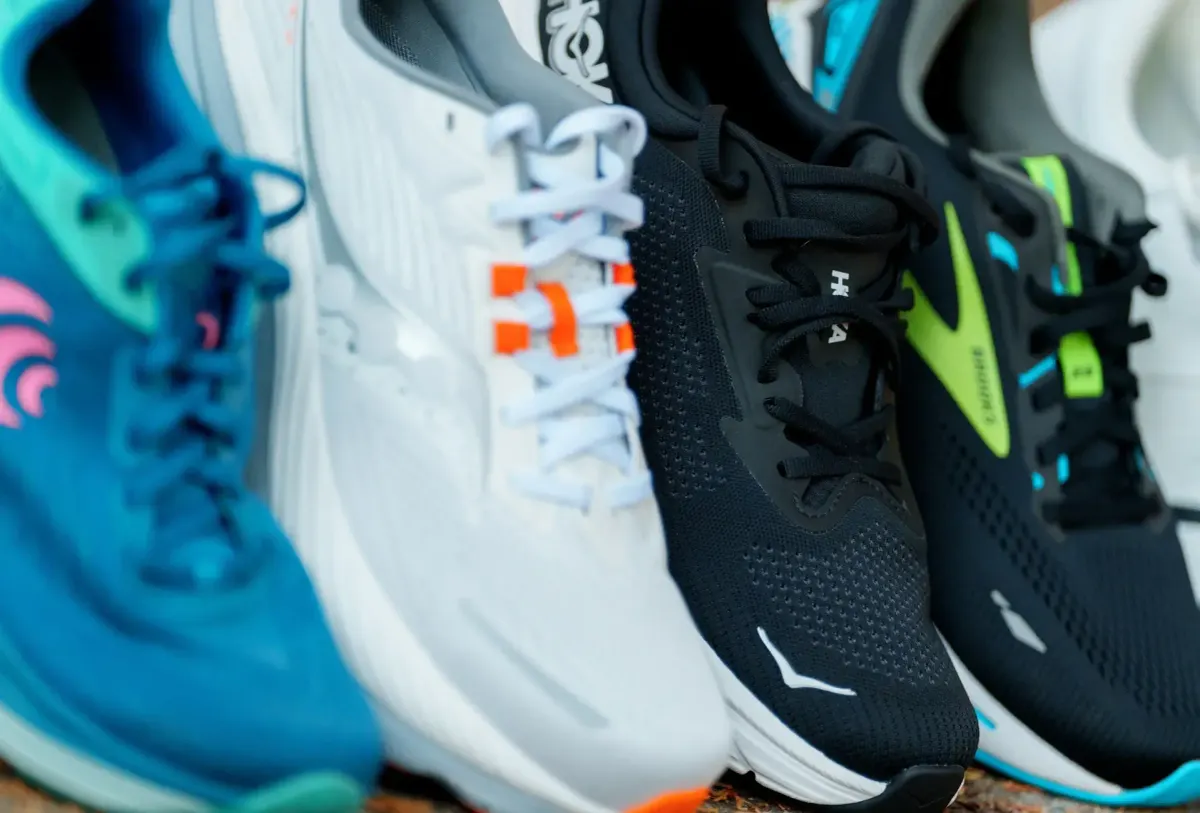
Edge: Hoka, clearly. On has exactly one stability answer; Hoka has a whole family, and both of its picks rank in my best stability running shoes roundup. If you overpronate, this category alone probably decides your brand.
Marathon training and long runs
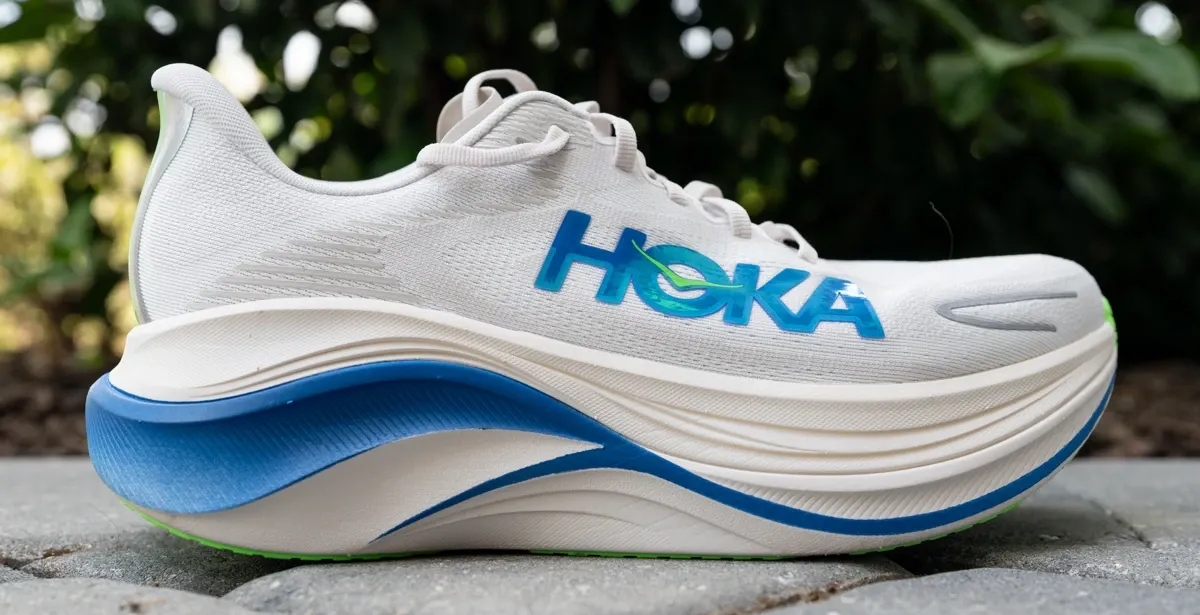
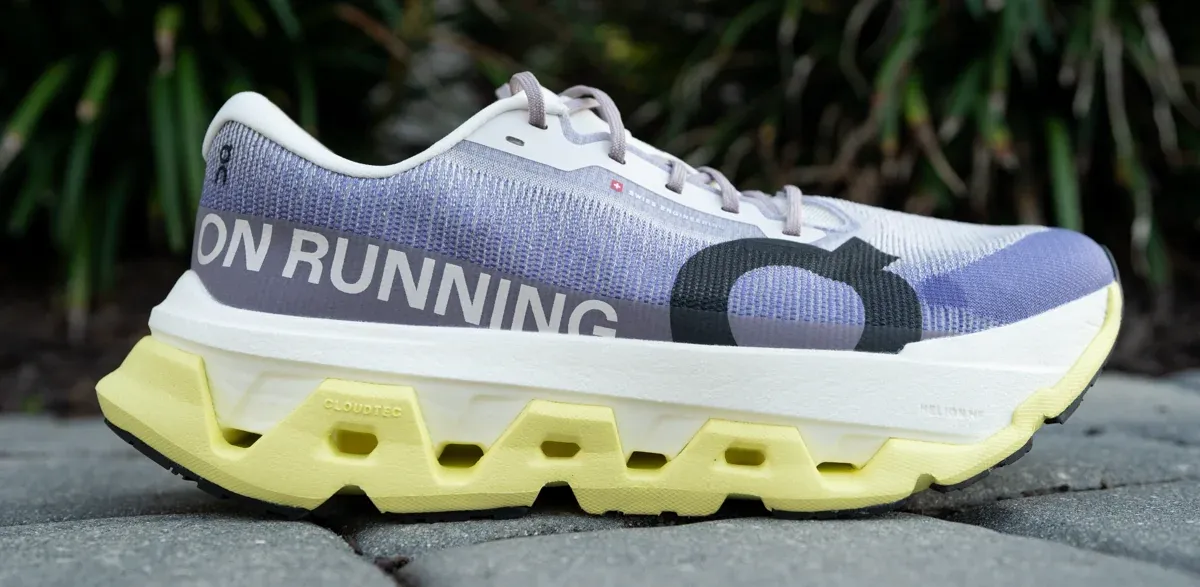
Skyward X 2 (left), Cloudmonster 3 Hyper (right)
- Hoka pick: the Hoka Skyward X 2, Hoka's max-stack plated super trainer, or the Hoka Bondi 9, $175, for maximum unplated protection with its lively supercritical foam.
- On pick: the On Cloudmonster 3 Hyper, the long-run super trainer to beat in my testing; legs genuinely feel fresher the day after big sessions in it.
The Best Super Trainers, Right Now
The max-cushioned, high-stack, yet responsive daily trainers, that actually make you want to run longer AND faster.
 Alastair Dixon
Edge: On, and it's the Hyper that wins it, one of my favorite shoes from either brand right now.
Racing
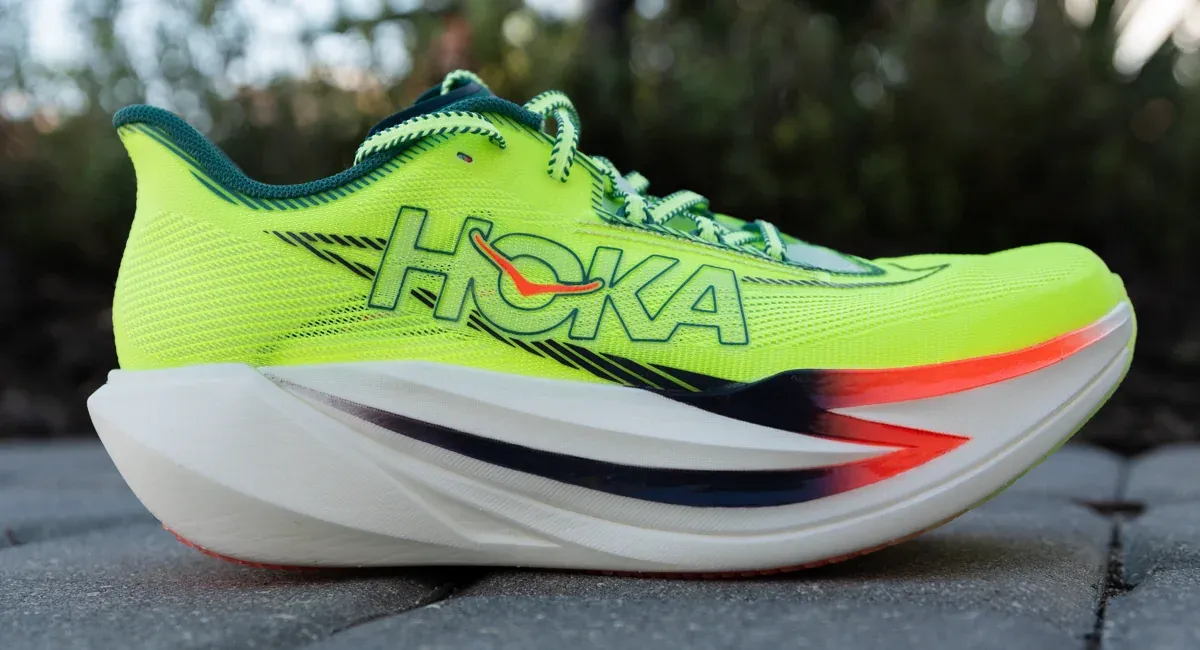
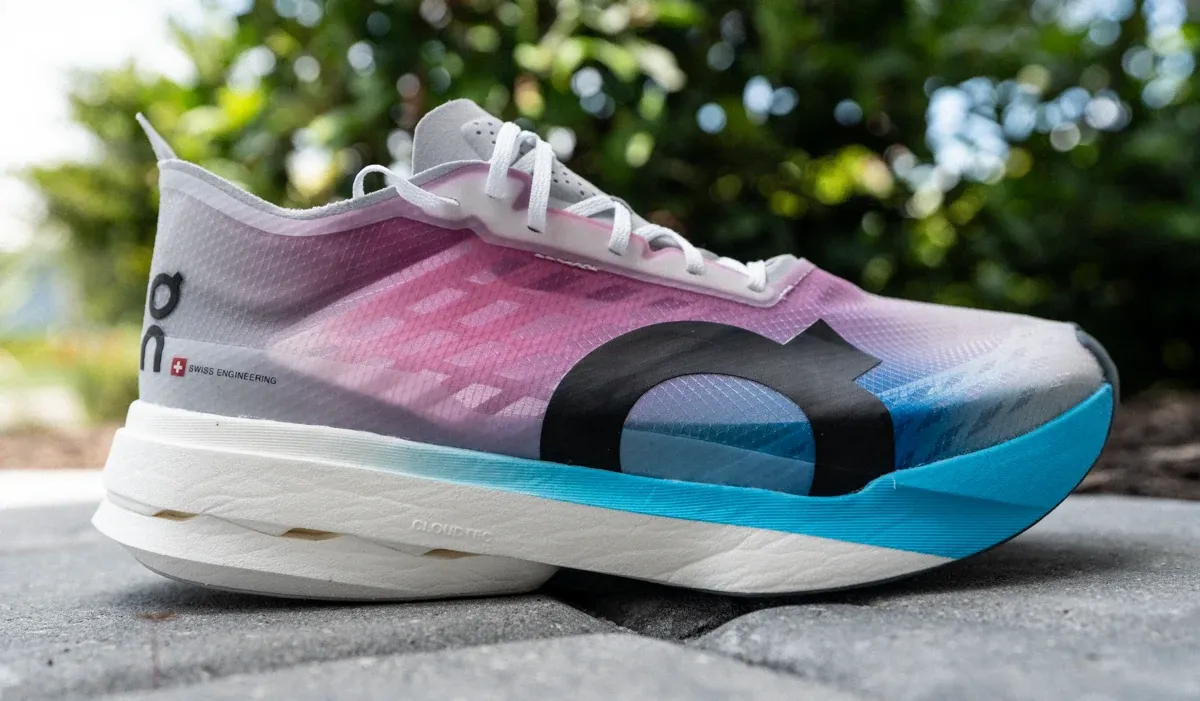
Cielo X1 3.0 (left), Cloudboom Strike (right)
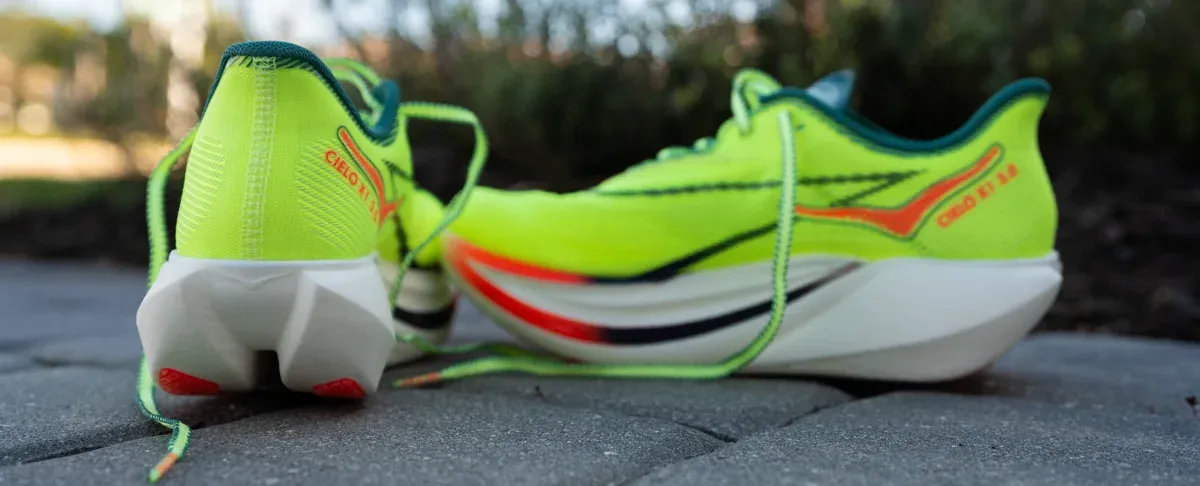
- Hoka pick: the Hoka Cielo X1 3.0, the race-day weapon I set my most recent PR in; see where it sits in my best Hoka running shoes guide.
- On picks: the On Cloudboom Strike, $280, On's fastest super shoe, and the On Cloudboom Max, $230, the smarter pick for 4:00-and-over marathoners who want plated propulsion with maximum protection and class-leading stability.
Edge: tie. The Cielo is the faster feeling of the bunch, but the Cloudboom Max serves the runner most race-shoe lineups ignore, and it's On's best everyday-runner racing product yet.
Easy days, recovery, and all-day comfort
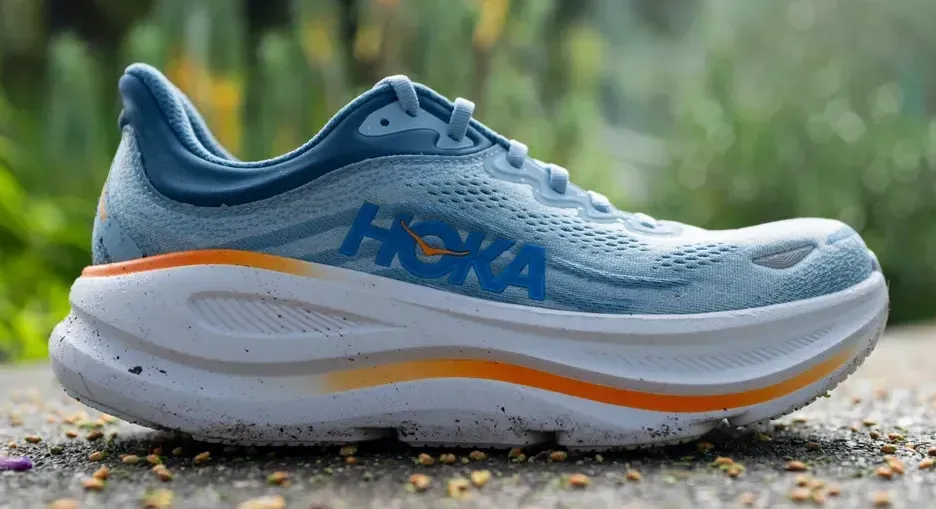
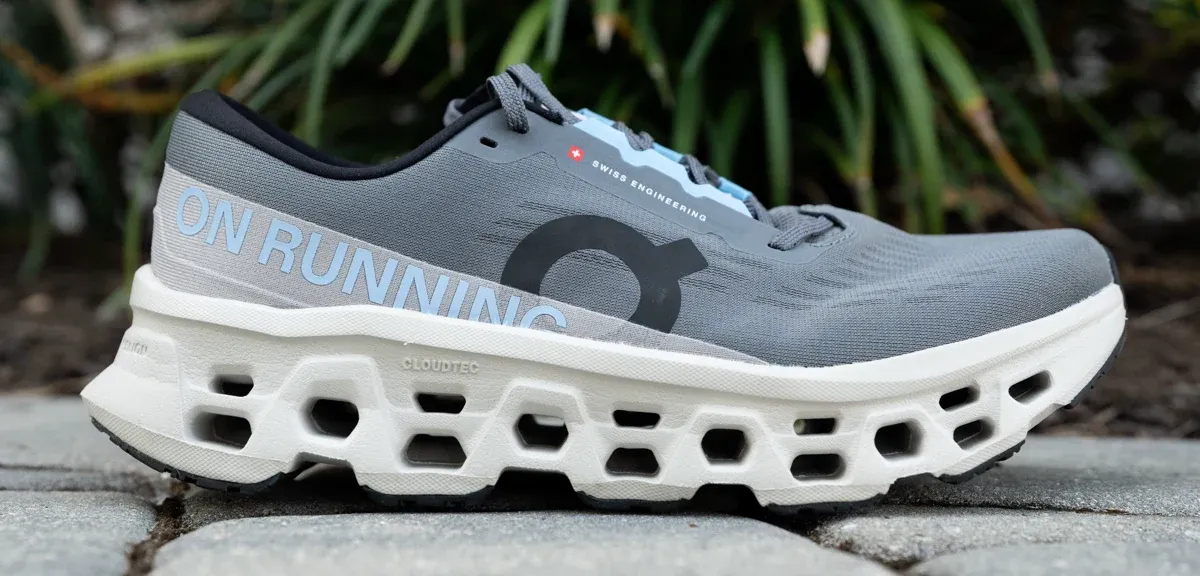
Bondi 9 (left), Cloundmonster 3 (right)
- Hoka pick: the Hoka Bondi 9, the recovery-day and standing-all-day benchmark.
- On pick: the On Cloudmonster 3, $190, firm, planted, forward-rolling, and polished; dependable rather than exciting, which is exactly what some legs want.
Edge: Hoka if you want soft, On if you want structured. This one is genuinely preference.
Trail running
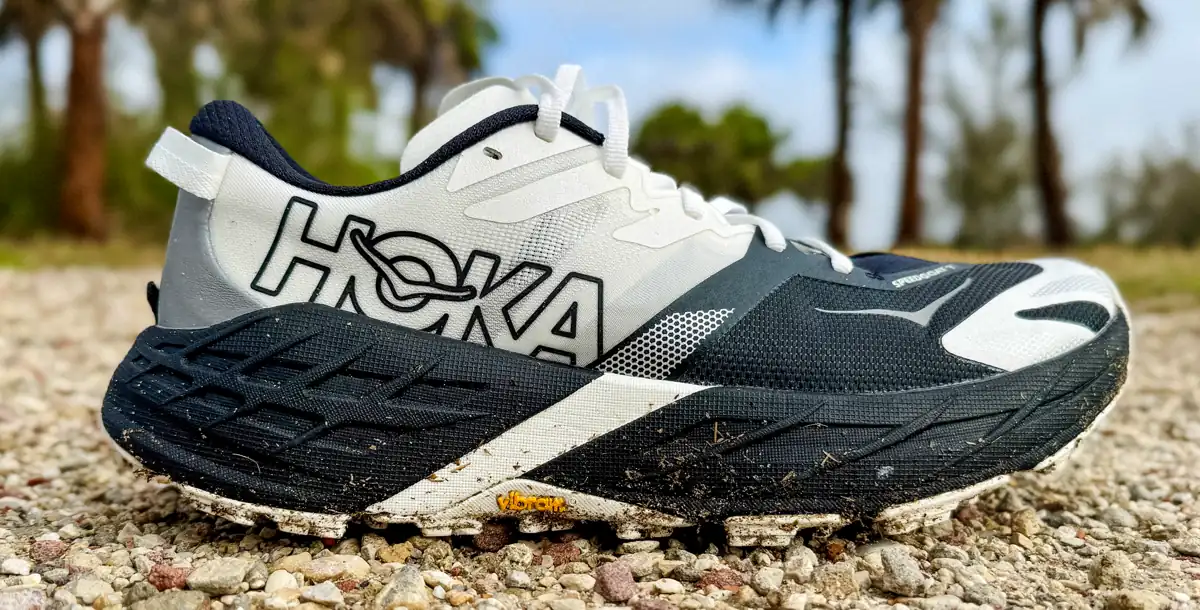
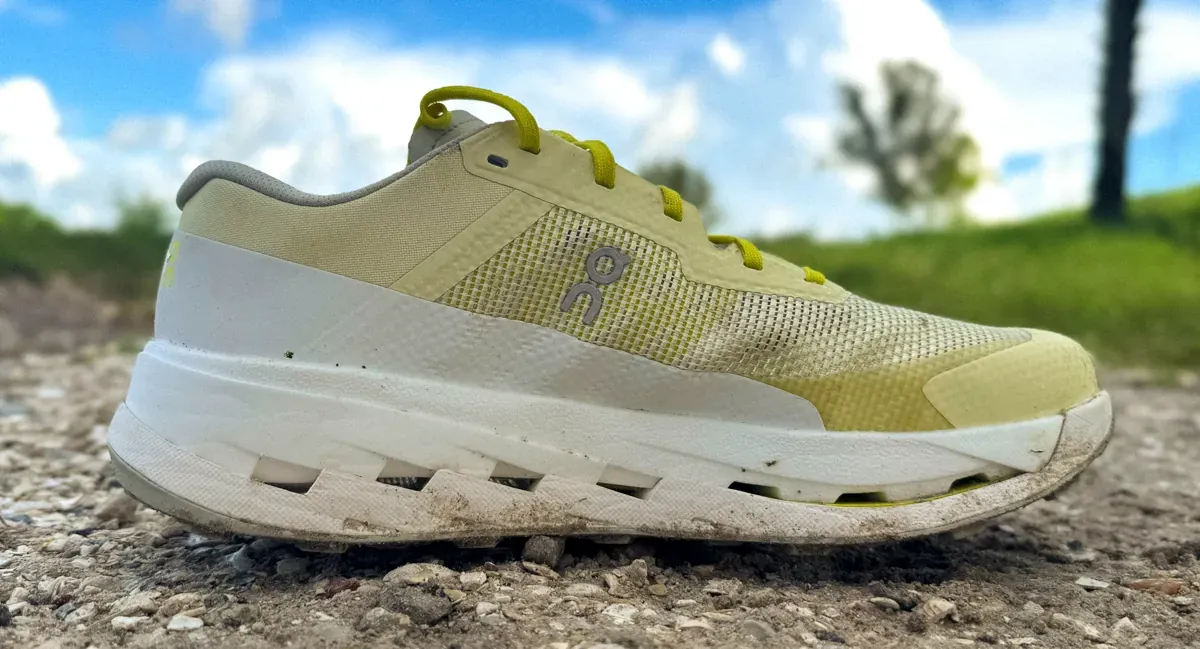
Speedgoat 7 (left), Cloudultra 3 (right)
- Hoka pick: the Hoka Speedgoat 7, the technical-terrain benchmark, with supercritical foam and Vibram Megagrip.
- On pick: the On Cloudultra 3, a capable all-mountain performer, with the Cloudultra Pro above it for long ultras.
Edge: Hoka. On's trail range is improving fast, but Vibram Megagrip plus Hoka's trail heritage still wins on technical ground.
My trail-specific coverage lives at Trail & Kale's best trail running shoes guide.
Best Trail Running Shoes 2026: Tested & Ranked
My personal picks across all-mountain, road-to-trail, ultra, and trail racing — every shoe tested firsthand, no filler.
 Alastair Dixon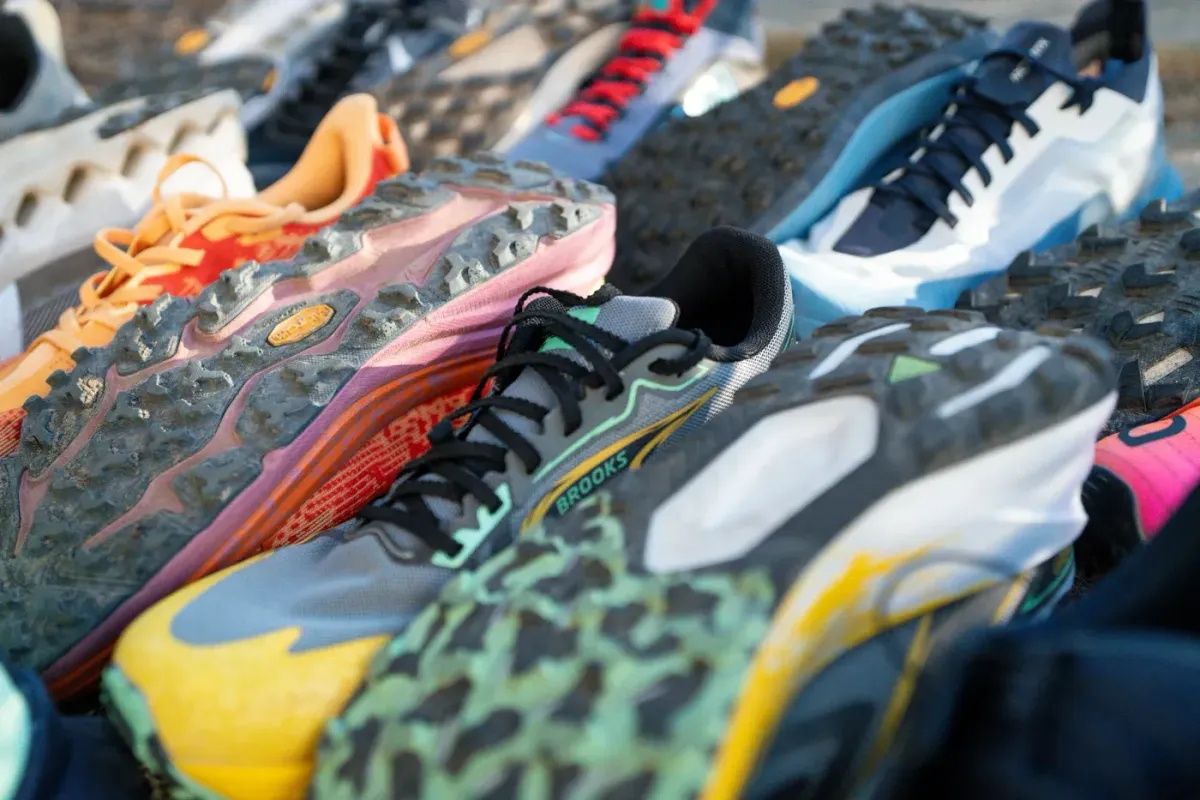
Hoka vs On for walking, standing all day, and nurses
One of the most common reasons people compare these brands, and the answer has two halves.
Hoka usually wins on pure comfort. For nurses, teachers, and healthcare workers on their feet 10+ hours, the Bondi 9 or Clifton 11 deliver that standing-on-clouds shock absorption that makes a double shift survivable, and both come in wide widths.
On wins on style-plus-comfort. The Cloud 6 and Cloudsurfer look good with scrubs or street clothes while still cushioning well, and plenty of shift workers choose them precisely because they don't look like running shoes.
If heel pain is part of your story, Hoka takes it outright: the Bondi 9 headlines my best running shoes for plantar fasciitis guide, and flat-footed walkers should start with my best running shoes for flat feet roundup.
The tech, quickly (nerdy but useful)
Rockers: both brands lean on rocker geometry to roll you through the stride efficiently; Hoka calls it Meta-Rocker, On just calls it a rocker. Functionally this is a tie.
Midsoles: Hoka runs proven CMEVA in everyday models like the Clifton, ProFly dual-density in performance models, ProFlyX with plates in the racing "X" line, and is rolling supercritical EVA across more of the lineup (Bondi 9, Speedgoat) for better energy return without losing plushness. On pairs CloudTec pods with Helion superfoam, and its premium models add Helion HF, the PEBA-class foam in the Cloudboom line. Hoka for soft protection; On for firm propulsion.
Plates: Hoka spreads plates across more models; On's Speedboard appears everywhere from the flexible nylon boards in trainers to full carbon in the Cloudbooms. Slight edge to Hoka for variety.
Outsoles: Hoka's Vibram Megagrip partnership rules technical trail. On's MissionGrip is solid on road and light trail but doesn't match Vibram when things get steep and wet. Road durability is a wash, with both brands leaving some exposed foam on lighter models.
Price comparison
Both brands live in the same $140–$180 core zone, with racing flagships above it.
- Hoka: Clifton 11 $150, Arahi 9 $155, Bondi 9 $175, Gaviota 6 $180, racers up to ~$275
- On: Cloudsurfer 2 ~$160, Cloudrunner 3 $160, Cloudmonster 3 $190, Cloudboom Max $230, Cloudboom Strike $280
Dollar for dollar, Hoka gives you slightly more versatility, especially once stability, wide sizing, and trail enter the picture. On charges a small premium for design and that distinctive ride, and its fans consider it money well spent.
My final verdict: Hoka or On?
Choose Hoka if you want maximum cushioning, any degree of stability support, wide-foot options, serious trail capability, or the most protective shoes for long shifts on hard floors. It's the more complete brand, and the safer blind buy.
Choose On if you love a firmer, snappier, more connected ride, you want your running shoes to double as your everyday shoes, or the Cloudmonster 3 Hyper's long-run magic speaks to your training. Nothing else feels quite like CloudTec, and that's the point.
Or do what I do and run in both: a Clifton or Bondi for the soft days, a Hyper or Cloudboom for the fast-and-long ones.
Best Running Shoes 2026: 10 Picks I Actually Train In
The 10 best running shoes of 2026, every one tested over real miles by me. Daily trainers, race-day picks, stability, and trail shoes that earn it.
 Alastair Dixon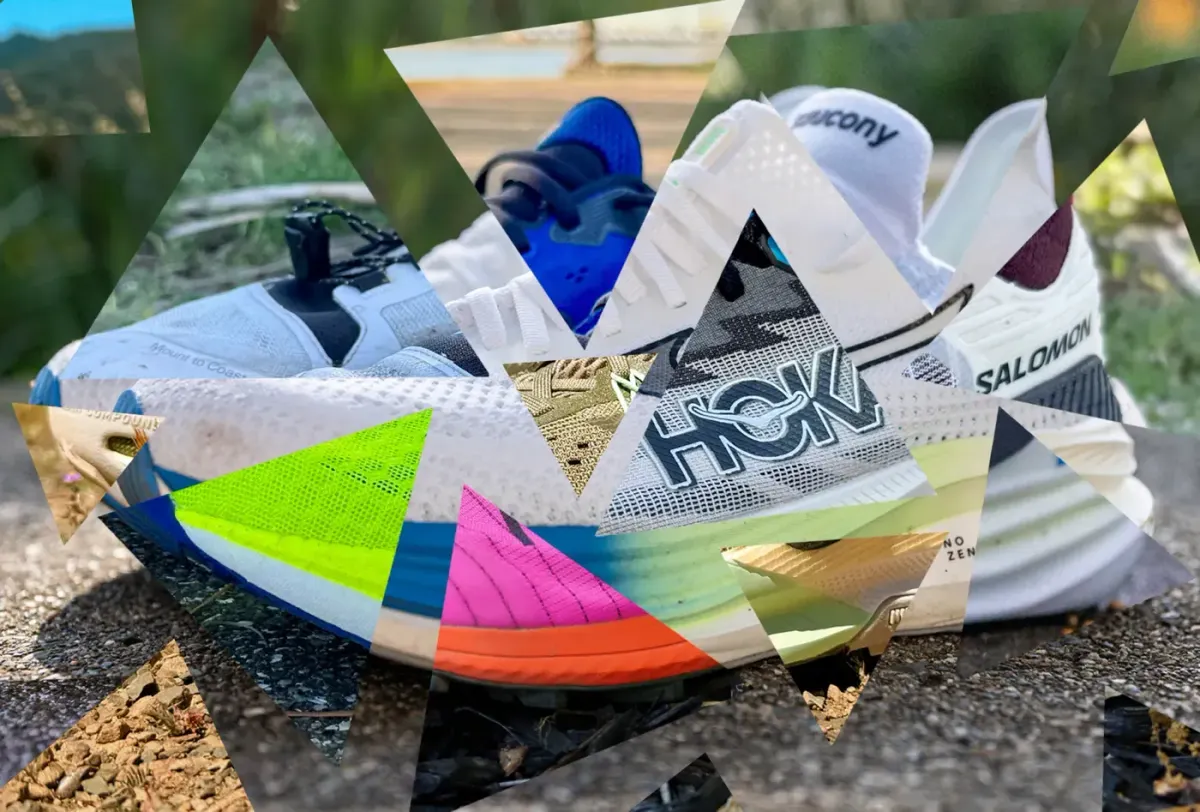
My best running shoes roundup shows how picks from both brands (and others) fit into one rotation.
For the other big brand fork, see my Hoka Clifton vs Brooks Ghost comparison.
Hoka Clifton vs Brooks Ghost: which one should you buy?
Clifton 11 vs Ghost 18 compared after testing both. Rocker or flat ride, 8mm or 10mm drop, and which suits your stride.
 Alastair Dixon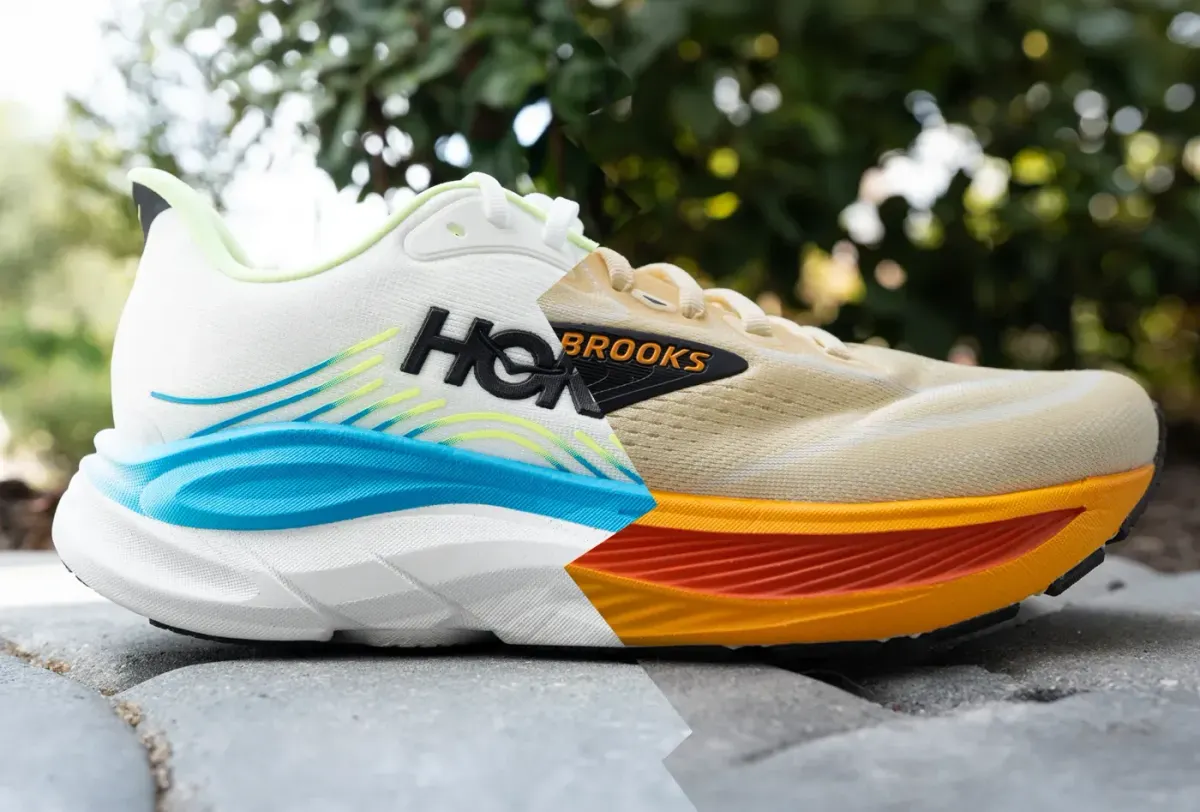
Frequently asked questions
Is Hoka or On better for walking and standing all day? Hoka for pure comfort and shock absorption (Bondi 9, Clifton 11, both in wide widths); On for all-day comfort that looks like a lifestyle shoe (Cloud 6, Cloudsurfer). Nurses and healthcare workers tend to land on Hoka once shifts pass the 10-hour mark.
Is Hoka or On better for plantar fasciitis? Hoka, in most cases. The higher stacks, softer heel landings, and rocker geometry take more strain off the heel, and the Bondi 9 is the shoe podiatrists name most. On's CloudTec absorbs impact well, but Hoka's lineup is built for exactly this problem.
Do On Cloud shoes work for actual running? Absolutely, as long as you buy from the performance side of the lineup (Cloudsurfer, Cloudmonster, Cloudboom families). The lifestyle models like the Cloud 6 are built for walking and everyday wear, not training.
Which brand's shoes last longer? Broadly similar, with the same caveat: both brands expose midsole foam on lighter models to save weight. Hoka's Vibram-equipped trail shoes are the durability standouts of either lineup, and On's road outsoles hold up well but its exposed CloudTec channels can collect pebbles on gravel.
Do Hoka and On fit the same? Both run true to size, but Hoka offers far more width options while On runs slightly narrower and more tailored. Wide feet should default to Hoka; narrow-to-medium feet fit both.
Written by

Subscribe to new posts
reviews, training tips, and thoughtful stories for runners








Member discussion