
IT Band Syndrome recovery roadmap: What that awful pain on the side of your knee is, and how to fix it
The exact strength-first plan that got me back to pain-free miles after two stubborn rounds; no filler, just the information that actually works

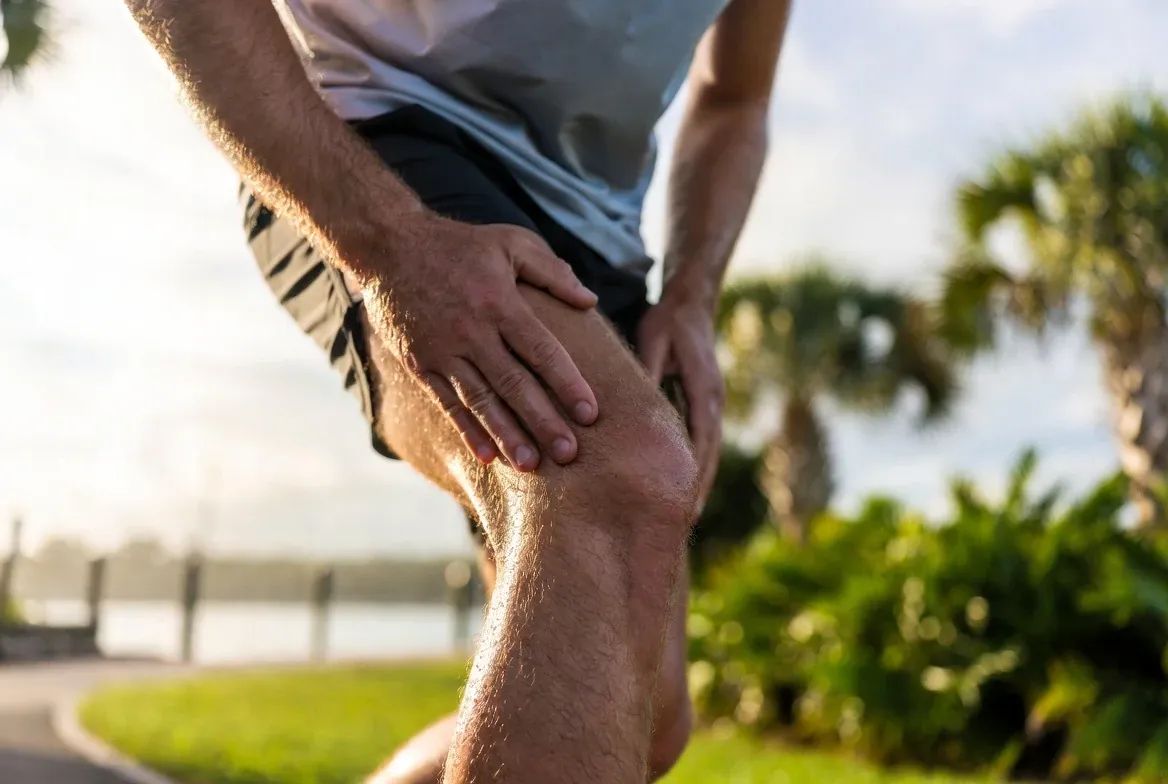
If you're reading this now, you likely know that feeling of being three or four miles into what was supposed to be an easy run, legs feeling fresh, and then, BAM!, a sharp, burning ache lights up the outside of your knee.
It might ease off if you stop and walk for a bit, but the second you pick up the pace again it’s right back. Sound familiar?
That’s iliotibial band syndrome (or IT band syndrome / ITBS / it band pain) in a nutshell, and if you’re a runner it’s probably shown up in your training log more times than you’d like to admit.
I’ve been there, twice actually, once during my first ever half marathon training block, many years ago, and again the next year when I got a little too excited about back-to-back long trail runs.
The good news is that it doesn't have to be game over for your running. In fact, with the right approach most runners are back to pain-free miles in roughly 4–8 weeks.
The 10 Biggest Mistakes New Runners Make (and How to Avoid Them)
Beginner runner traps that kill your momentum: Fix them fast and hit the ground running (literally)
 Alastair Dixon
I’m going to walk you through exactly what’s happening, why it happens to runners like us, and the exact roadmap I used to fix it for good. No fluff, just the stuff that actually works in the real world, and no, I haven't had it since.
What Is Iliotibial Band Syndrome Anyway?
If you're going to fix ITBs, it helps to understand exactly what it is, and what causes it.
The iliotibial band (or IT band) isn’t a muscle, it’s a thick strip of fascia that runs down the outside of your thigh from your hip (specifically the tensor fasciae latae and glute max) all the way to just below your knee on the tibia.
Its job is to help stabilise your knee and hip during movement, especially when you’re running and your knee bends and straightens over and over.
IT band syndrome happens when that band gets irritated from rubbing over a bony bump on the outside of your knee (the lateral femoral epicondyle if you want to get fancy) around the 30-degree flexion point, exactly where it happens thousands of times per mile.
It’s not usually the band itself being “inflamed” in the classic sense; it’s more like compression and friction on the tissues underneath, often because your hip muscles aren’t controlling things quite right.
It accounts for roughly 12–14% of running injuries, and yeah, it hits women a bit more often (wider pelvis = more potential for that inward knee collapse). But I’ve heard of it happening in every type of runner from road, trail, ultra, beginner, and elite.
How IT Band Pain Actually Feels (The Symptoms Runners Notice)
- Sharp or burning pain right on the outside of the knee, usually 3–7 miles in.
- Pain that gets worse with downhill running, stairs, or longer efforts.
- Sometimes a clicking or snapping sensation as the band flicks over the bone.
- Can creep up into the outer hip or thigh, especially if you’ve been ignoring it.
- Usually no visible swelling (that’s one way to tell it apart from a meniscus issue).
- The pain often calms down with rest or walking, but comes roaring back the moment you try to run again.
If you’re nodding along right now… welcome to the club.
Why Do Runners Keep Getting This?
The big culprits I see (and have felt myself):
- Sudden mileage or intensity jumps — classic “too much too soon”.
- Weak glutes / hip abductors (glute medius especially) — this lets your knee cave inward and puts extra stress on the IT band.
- Running lots of downhill or cambered surfaces.
- Worn-out shoes that no longer control pronation.
- Tight hip flexors or TFL that tug on the band.
- Poor running form (overstriding, crossover gait). If this sounds like you, read my guide to running with proper form.
It’s rarely just a “tight IT band”, that’s the symptom, not the cause. The real fix is almost always upstream at the hips.
Quick Self-Check: The Ober Test (Do This at Home)
Lie on your side (affected leg on top), bottom knee bent for stability. Let the top leg hang off the edge of the bed or couch so it can drop toward the floor, simulating that inward rolling leg.
If your top leg stays up in the air instead of dropping down comfortably, or if you feel that familiar outer-knee pull… bingo.
Pro tip: get a physio or coach to check it properly if you’re unsure, better safe than six weeks sidelined.
My Step-by-Step Roadmap to IT Band Recovery
Here’s exactly what worked for me. I break it into three phases so you don’t have to guess.
Phase 1: Calm It Down (1–2 weeks or until pain-free walking)
Goal: Stop poking the bear, and set your body up for the recovery phase.
- Relative rest — no running that aggravates it. Cross-train with cycling (keep knee fairly straight), pool running, or easy elliptical.
- Ice the outside of the knee 10–15 mins a couple times a day.
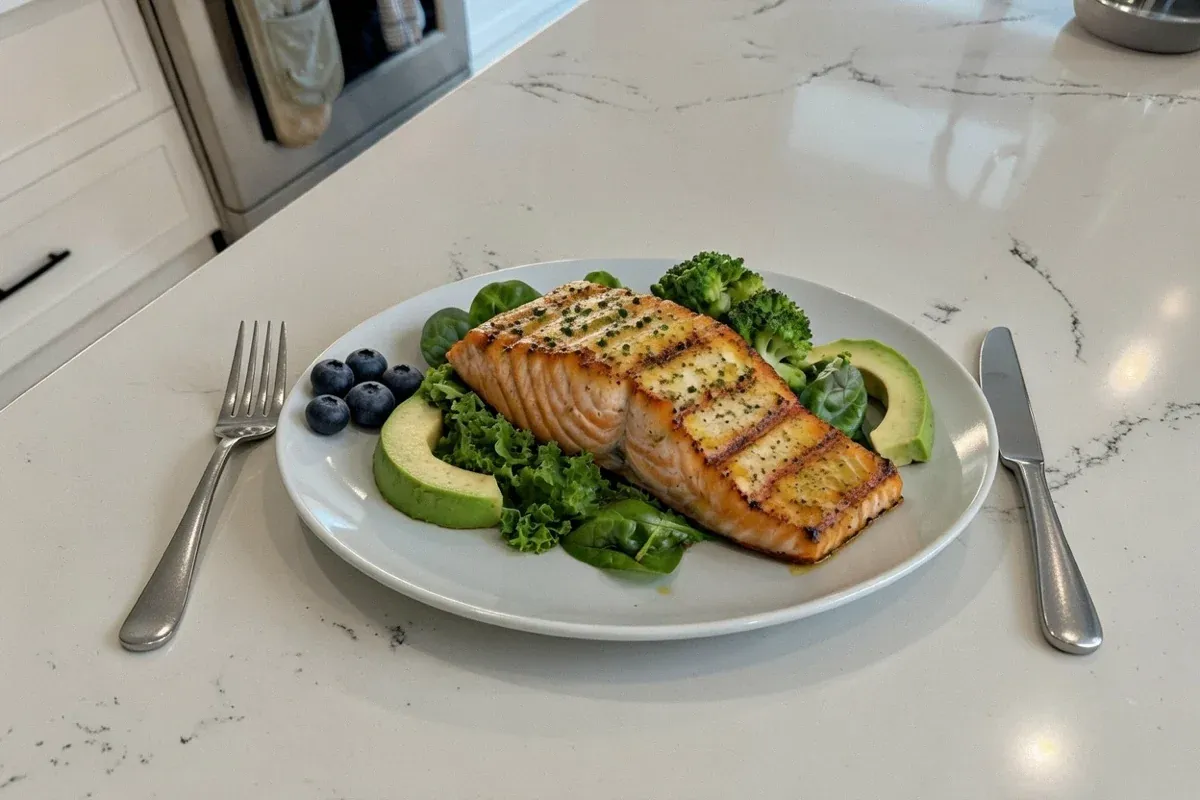
- Short-term Nonsteroidal Anti-Inflammatory Drugs (NSAIDs) if your doc is ok with it, personally I prefer to go the natural route, where possible, like eating as many anti inflammatory foods as possible like blueberries, fatty fish (salmon), turmeric, and extra virgin olive oil. I also recommend exploring red light therapy, infrared sauna, and cold plunge therapies.
- Foam rolling — but here’s the key: do NOT roll directly over the painful spot on your knee. That can actually make it worse. Roll your TFL (front-outer hip), glutes, quads, and calves instead. Gentle pressure, breathe through it.
- Sleep with a pillow between your knees if side-sleeper.
Most runners feel noticeably better within a week if they actually rest.
The Runner’s Diet: Essential Guidelines That I Now Follow
Clean, whole-food nutrition for runners: practical tips for lasting diet habits, a sample daily meal plan, and science-based supplement insights.
 Alastair Dixon
Phase 2: Rebuild Strength & Control (Weeks 2–6)
This is where the magic happens. Focus on hip and glute strengthening 3–4x per week. Do 2–3 sets of 10–15 reps. Start bodyweight, add bands or weights when it feels easy.
My go-to exercises (the ones that actually got me back on the trails):
- Side-lying hip abduction: Lie on your side, bottom knee bent. Lift top leg straight up (lead with heel). Slow and controlled — feel the side of your glute burn.
- Banded side steps / monster walks: Band just above knees. Slight squat, step sideways 10 steps each way. Keeps glutes firing the whole time.
- Clamshells (with band if you have one): Side-lying, knees bent, lift top knee while keeping feet together. Hits the glute med perfectly.
- Single-leg glute bridge: Lie on your back, one foot planted, drive through heel, hold at top for 2–3 seconds.
- Side plank with hip abduction: Side plank + lift top leg. Brutal but gold for runners.
- Step-downs or rear-foot elevated split squats: (once pain is gone) Slow eccentric movement (3 seconds down) to build control in that exact running position.
Do these consistently and you’ll feel your hips “wake up” within a couple of weeks, and that inward knee collapse should disappear.
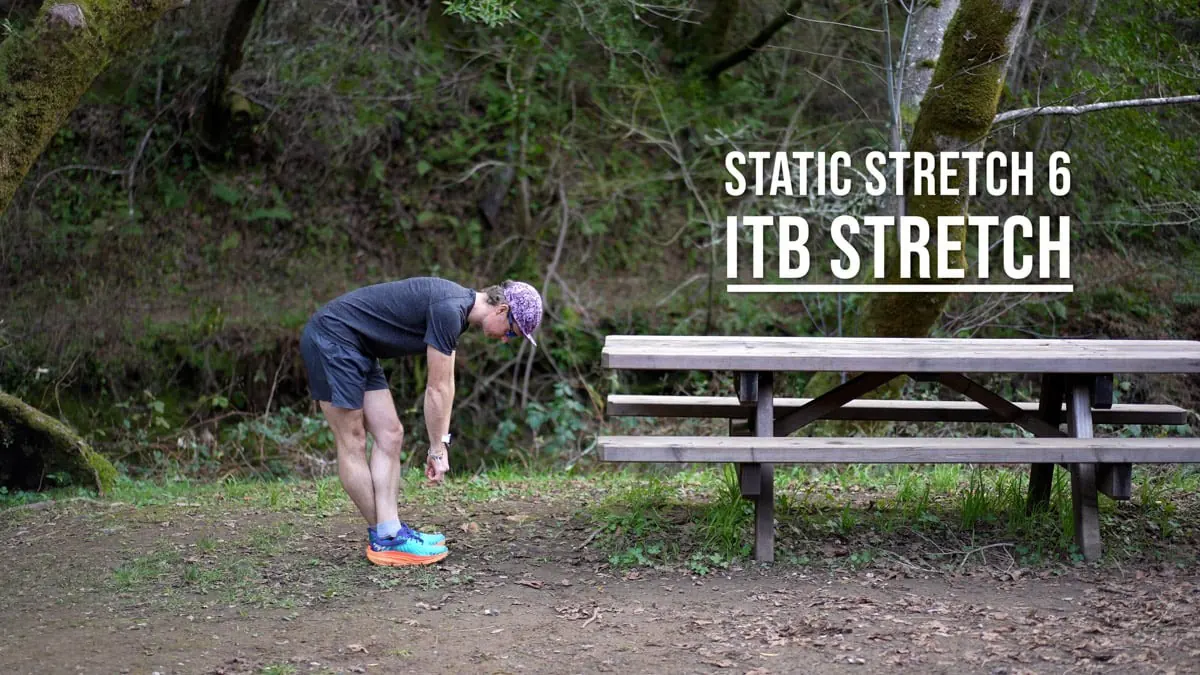
Add gentle IT band stretches daily (figure-4 stretch, standing cross-leg lean forward, hip flexor stretch) but don’t force them; they’re support players, not the main event.
How to master your running cadence (and why it matters)
Your running cadence affects more than you think—here’s how to measure it, adjust it, and use it to run stronger and with fewer injuries.
 Alastair Dixon
Phase 3: Return to Running (Start when you can walk briskly pain-free)
- Begin with 1–2 min run / 1 min walk intervals on flat ground.
- Follow the '10% volume increase' rule religiously to avoid overdoing it too soon.
- Keep doing strength work 2–3x/week, never skip it.
- Get a gait analysis if it keeps coming back (many running stores do this free now).
- Add hills and speed only after 3–4 weeks of easy miles feel solid.
I had 3–4 weeks of this phase before I was back at full volume. Patience here saves months of frustration later.
Prevention So You Never Deal With This Again
- Strength train hips and glutes year-round (even when you’re healthy).
- Warm up properly. 10–15 min easy jog + dynamic drills, finishing with static stretches.
- Replace shoes every 300–500 miles to avoid dead foam that no longer support your gait.
- Be more aware when running on cambered surfaces.
- Listen to your body, and if you notice that first twinge, then address it immediately.
The Bottom Line (My Verdict After Multiple Rounds)
IT band syndrome sucks, but it’s one of the most fixable running injuries out there if you treat the root cause (usually weak or sleepy glutes) instead of just resting and hoping.
I used to think “I’ll just foam roll it out and push through”. That amateur mindset kept me injured. Switching to the strength-first approach above got me back stronger both times it happened.
I'm a much stronger well rounded runner these days, and I always listen to my body, and as such have been grateful to not had a running injury for years.
If you’re in the thick of it right now, know this: you WILL run pain-free again! Give the roadmap a solid 4–6 weeks and you’ll be back out there wondering why you didn’t do it sooner.
If your pain is in the shin rather than the outer knee, that's likely shin splints instead — I cover recovery for that in my shin splints recovery roadmap, and the best running shoes for shin splints in a separate gear guide.
Got questions on any of the exercises or where you are in the process? Drop them in the comments or hit reply on the newsletter, I always read and answer them.
Keep the miles coming (smartly), and thank you for supporting my work by becoming a paid member.
-Alastair ✌🏼
Written by

Subscribe to new posts
reviews, training tips, and thoughtful stories for runners








Member discussion