
Hoka Gaviota vs Bondi: which max-cushion Hoka do you need?
Hoka Gaviota vs Bondi compared after testing both current versions. The one real difference, a surprising cushioning twist, and which fits your stride.

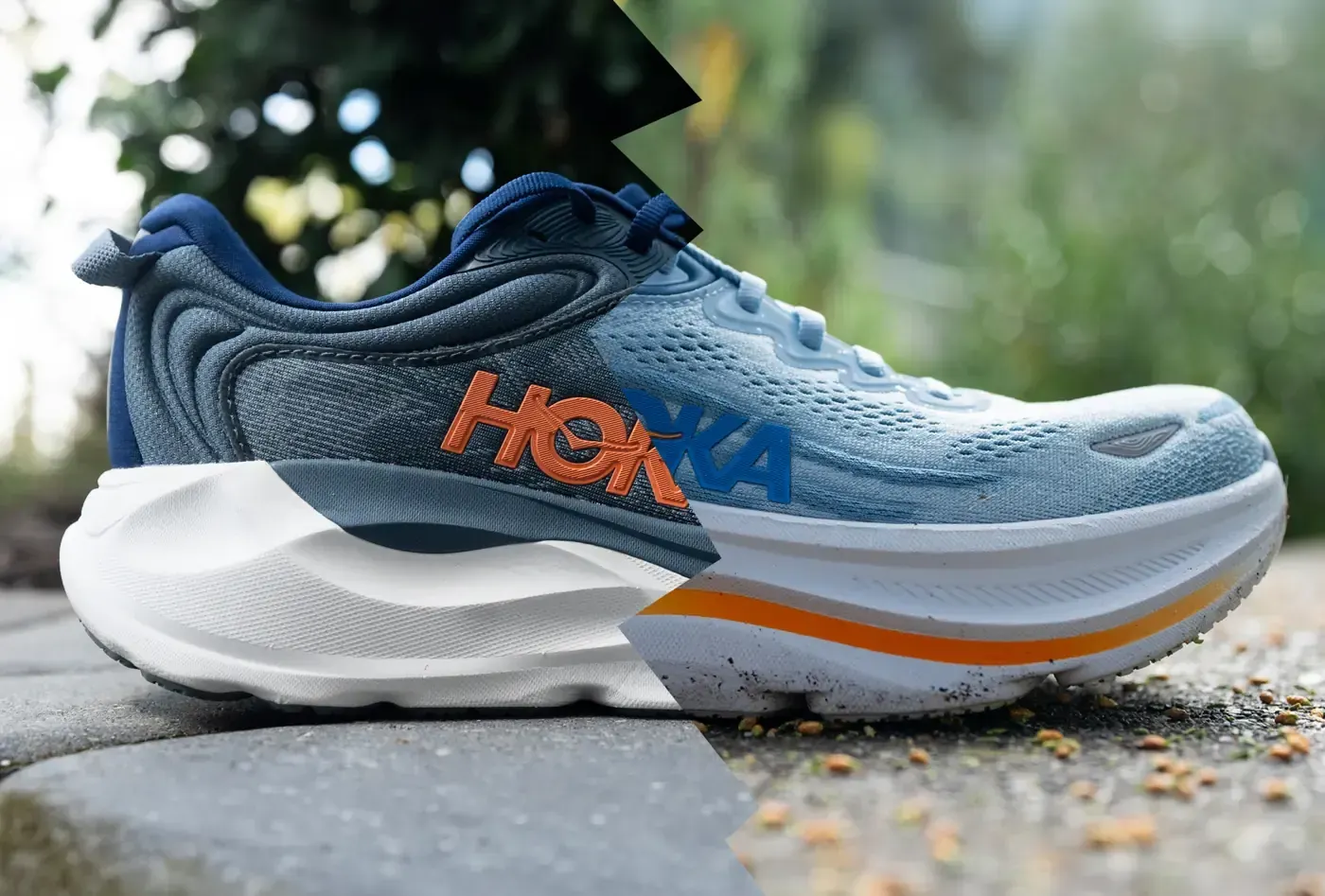
The Gaviota vs Bondi question is the max-cushion version of Hoka's classic fork: both are plush, protective, walk-all-day flagships priced $5 apart, so the decision comes down to one thing, whether you need guidance built into all that foam.
But there's a twist worth knowing before you assume the stability shoe is the bulkier one, because with these two, it's the opposite.
I've tested the current versions of both, the Hoka Gaviota 6 and the Hoka Bondi 9, across daily miles, recovery runs, and plenty of time on my feet. Here's how to pick, in about five minutes.
If you purchase gear through links in this article, I may earn a small affiliate commission. For my training tools, exclusive content, newsletter, and more perks become a member, (it's free!). -Alastair ✌🏼
The quick answer
If you're a neutral runner who wants maximum cushioning for easy miles, recovery days, and long hours standing, get the Bondi 9. It's the taller, softer shoe, and its new supercritical foam is the livelier of the two midsoles.
If you overpronate, or your stride gets sloppy and wobbly when fatigue creeps in, get the Gaviota 6. Its full-length H-Frame delivers real guidance, more corrective than anything else in Hoka's lineup, wrapped in genuinely plush comfort.
At $175 vs $180, price is irrelevant here; your stride, and how much structure it needs, makes this call.
Key specs compared
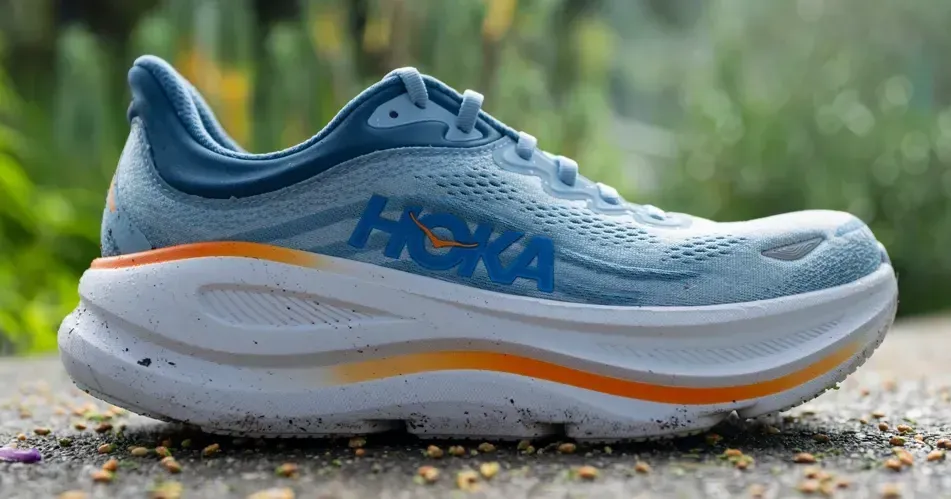
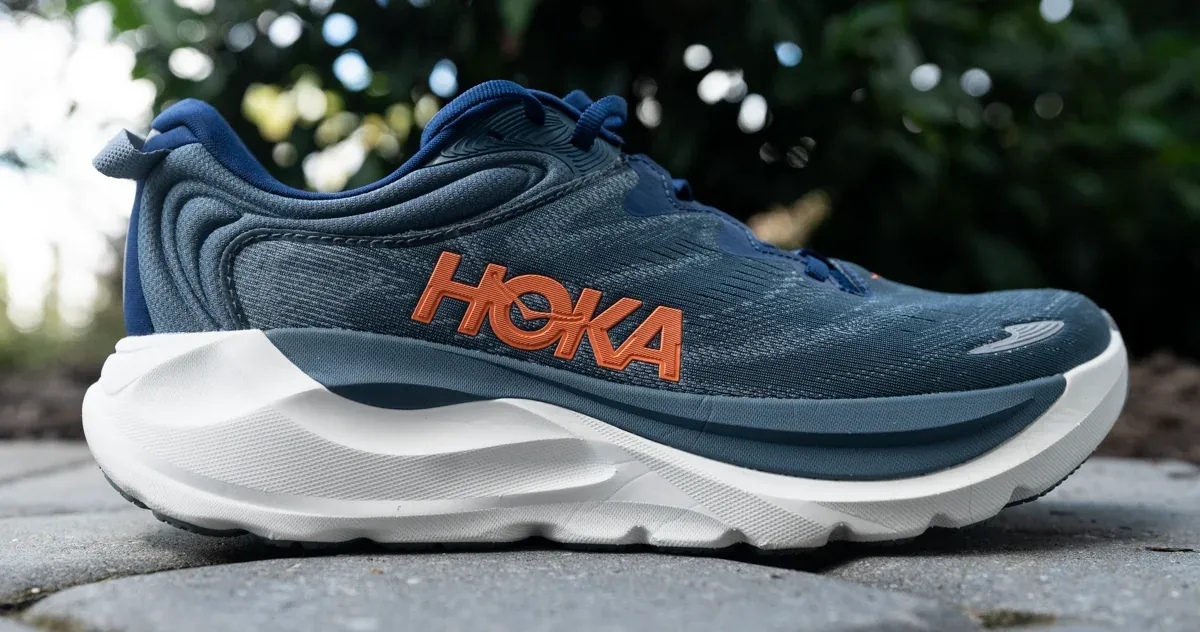
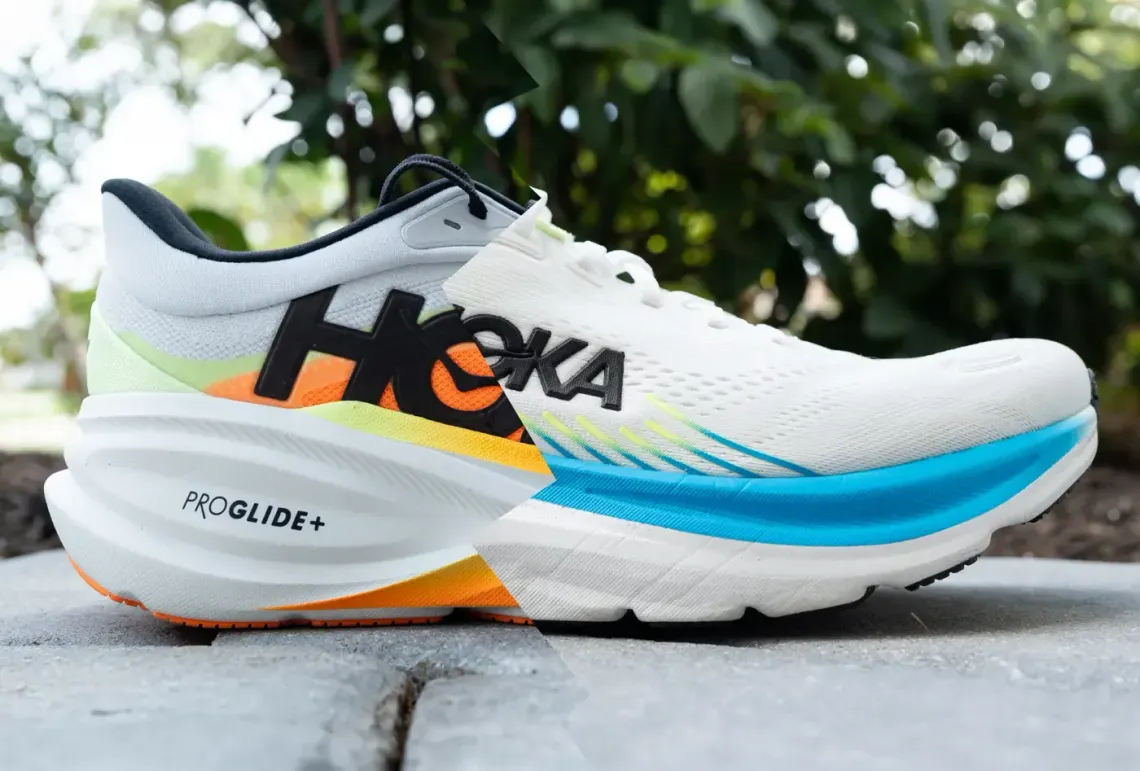
Bondi 9 (left), Gaviota 6 (right)
| Bondi 9 | Gaviota 6 | |
|---|---|---|
| Price | $175 | $180 |
| Weight (US M9) | 10.9 oz (309g) | 10 oz (283g) |
| Drop | 5mm | 6mm |
| Stack height | 43mm / 38mm | 39mm / 33mm |
| Support | Neutral, Active Foot Frame + raised sidewalls | Full-length enhanced H-Frame stability |
| Midsole | Supercritical EVA | Dual-density CMEVA |
| Widths | Standard and wide | Standard, wide, and extra-wide |
| Best for | Neutral max-cushion miles, standing all day | Guided max-cushion miles, tired-legs support |
Hoka Bondi 9 Review 2026: The Max-Cushion King, Tested
A runner’s take on the Hoka Bondi 9; how the supercritical EVA performs on recovery runs and where it fits in a training rotation.
 Alastair Dixon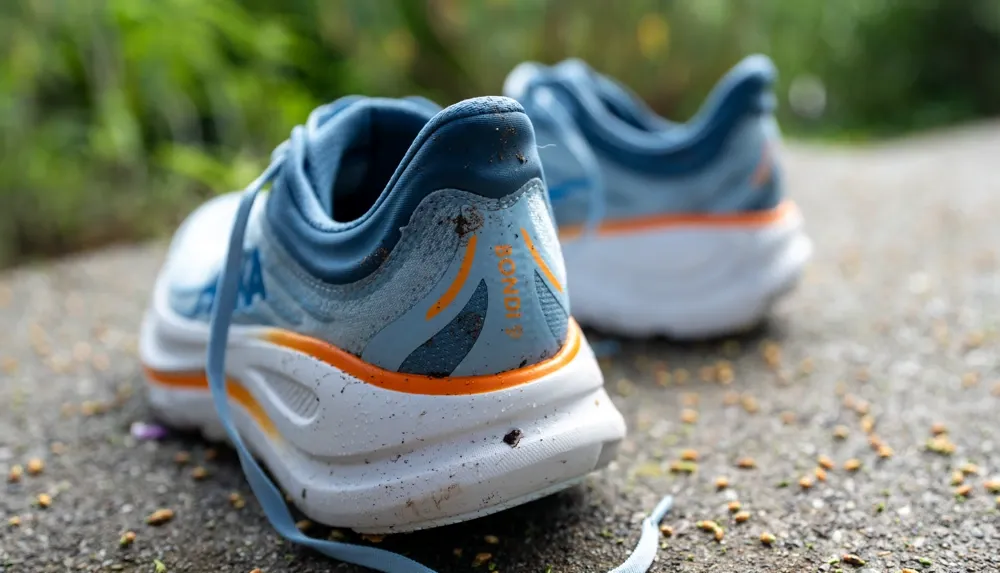
Hoka Gaviota 6 review: max cushioning with real stability support for daily miles
Bondi-like softness meets enhanced H-Frame guidance; ideal for runners and walkers who want plush comfort without sloppy landings.
 Alastair Dixon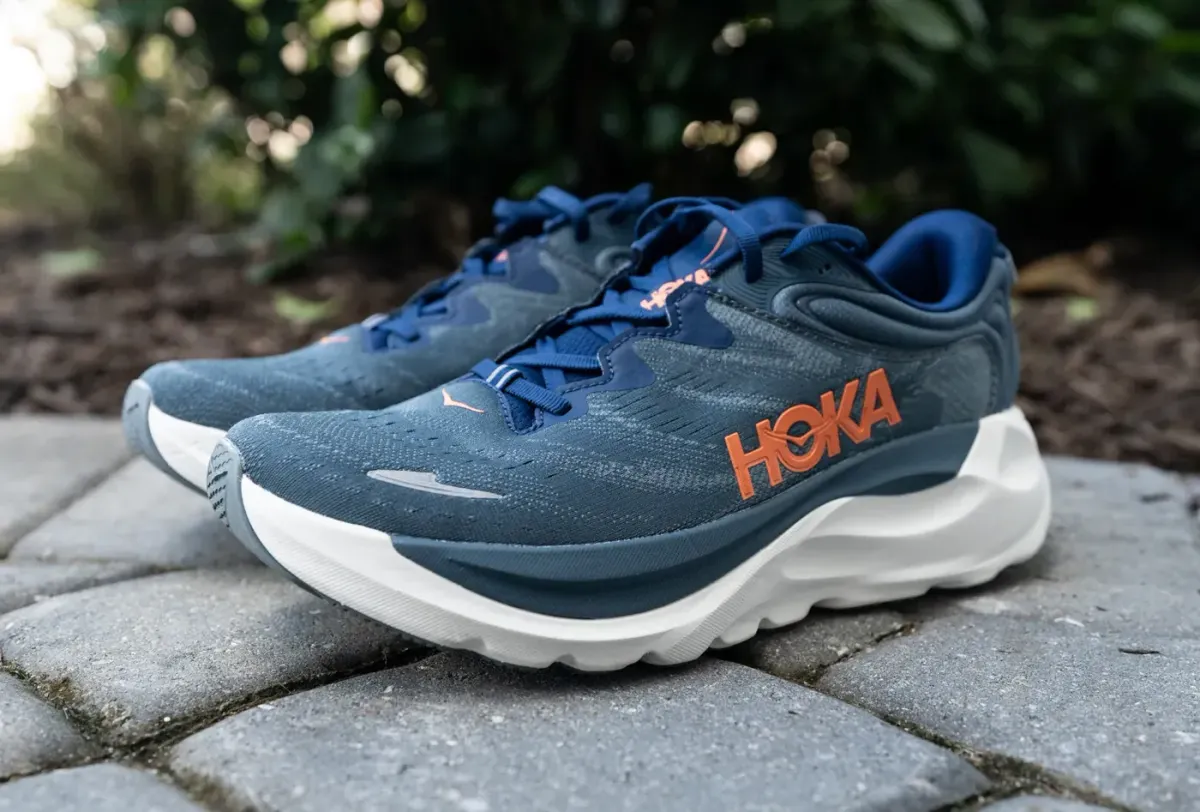
The one consequential difference is the H-Frame
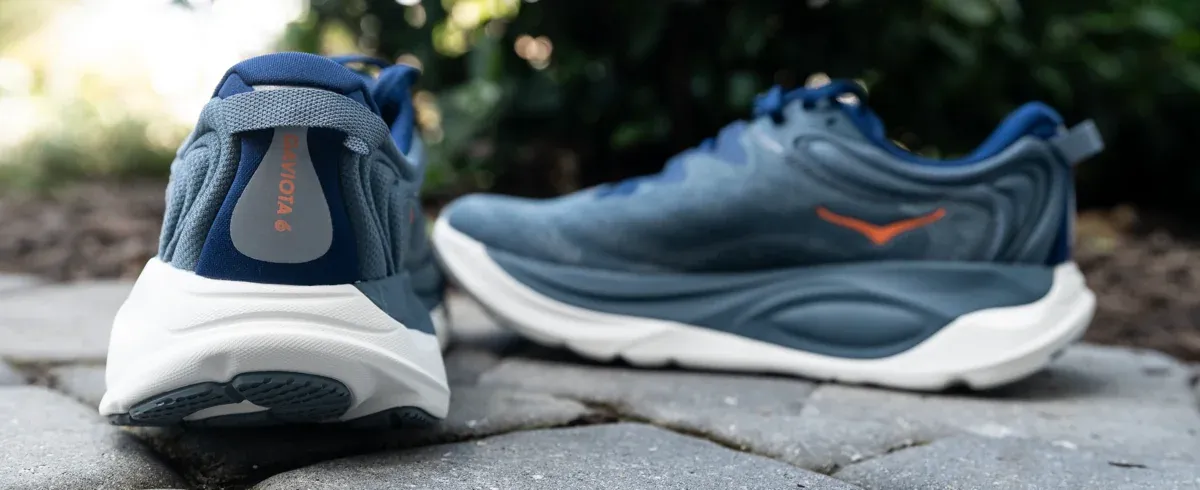
The Gaviota 6's enhanced H-Frame runs the full length of the shoe, embedding a firmer foam into the softer midsole to cradle your heel and set clear boundaries for your stride without ever feeling rigid or harsh.
It's the most corrective shoe Hoka makes, the one I point runners toward for moderate to severe stability needs, and it even helps with the subtle lateral wobble some runners feel when they drift toward supination.
The Bondi 9 is neutral, but it's not unstable, and that nuance matters for this comparison.
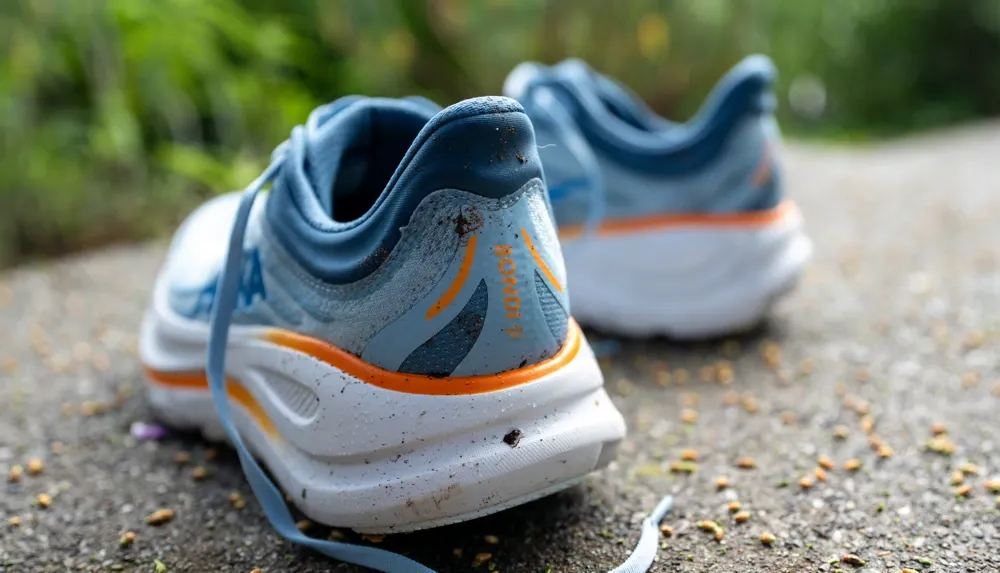
Its Active Foot Frame seats your heel down into the midsole, raised sidewalls cradle the foot under load, and the wide, flared platform keeps that towering stack planted. For a neutral runner, or one whose "stability need" is really just wanting calm, controlled landings, the Bondi's inherent steadiness is often enough.
So the honest sorting rule is; genuine overpronation, or form that visibly collapses when you're tired, points to the Gaviota. Everything milder is happily served by the Bondi.
If you're one tier down in cushioning, the same fork exists between the Clifton and Arahi, and my Hoka Clifton vs Arahi comparison covers that version of this decision.
Hoka Clifton vs Arahi: which one do you actually need?
Hoka Clifton vs Arahi compared after testing both current versions. The one big difference, and which one will suit your stride best.
 Alastair Dixon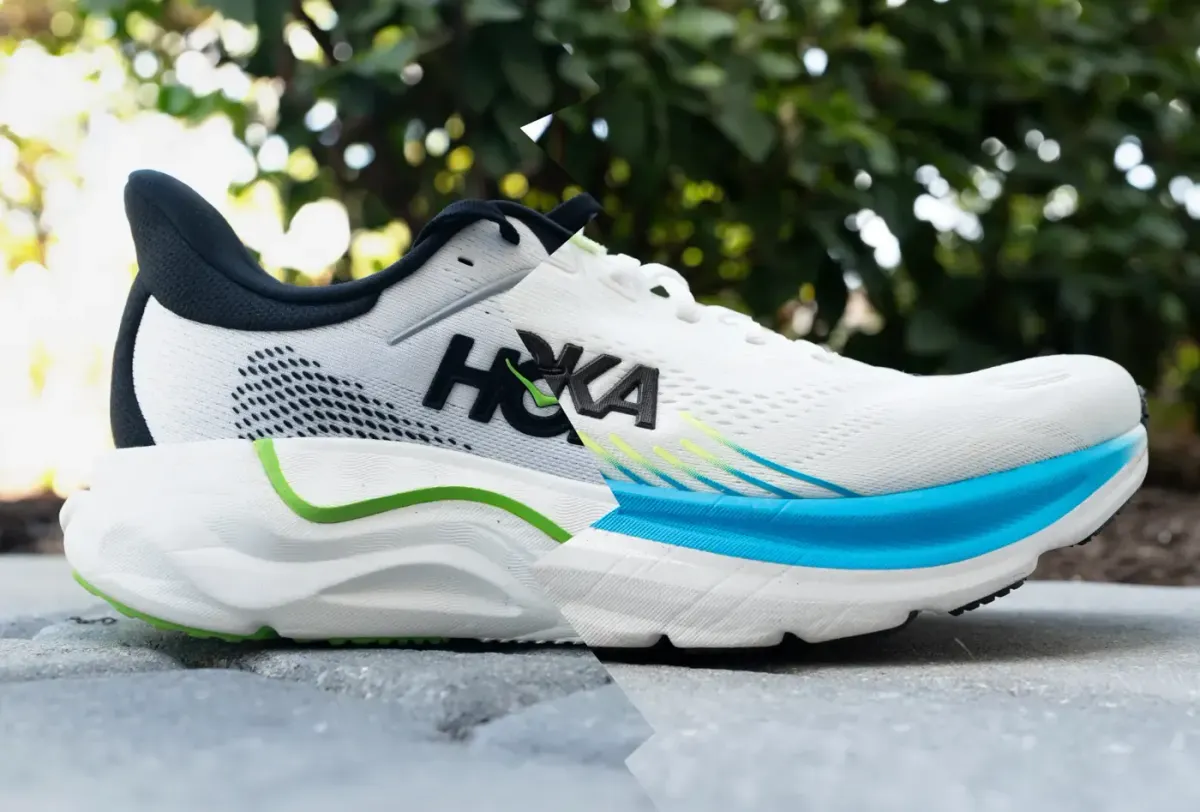
Cushioning: the neutral shoe is the bigger one
Here's the inversion that surprises people.
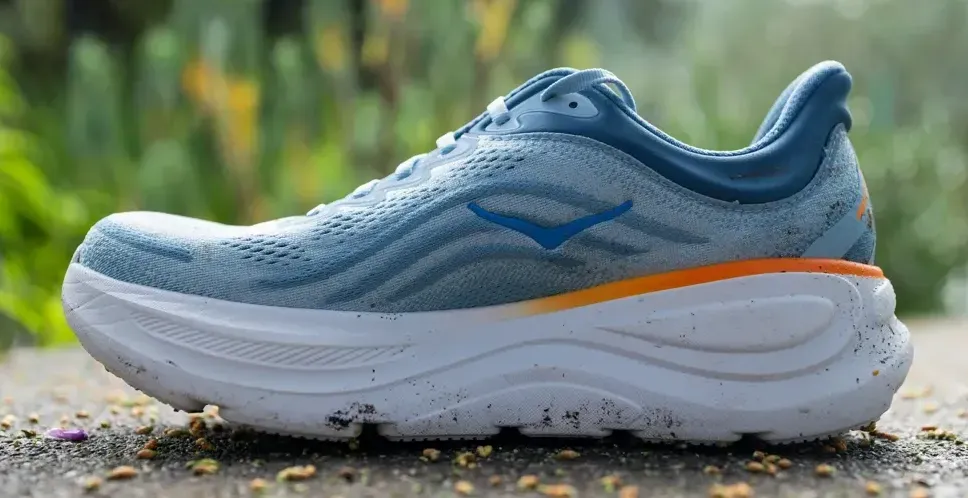
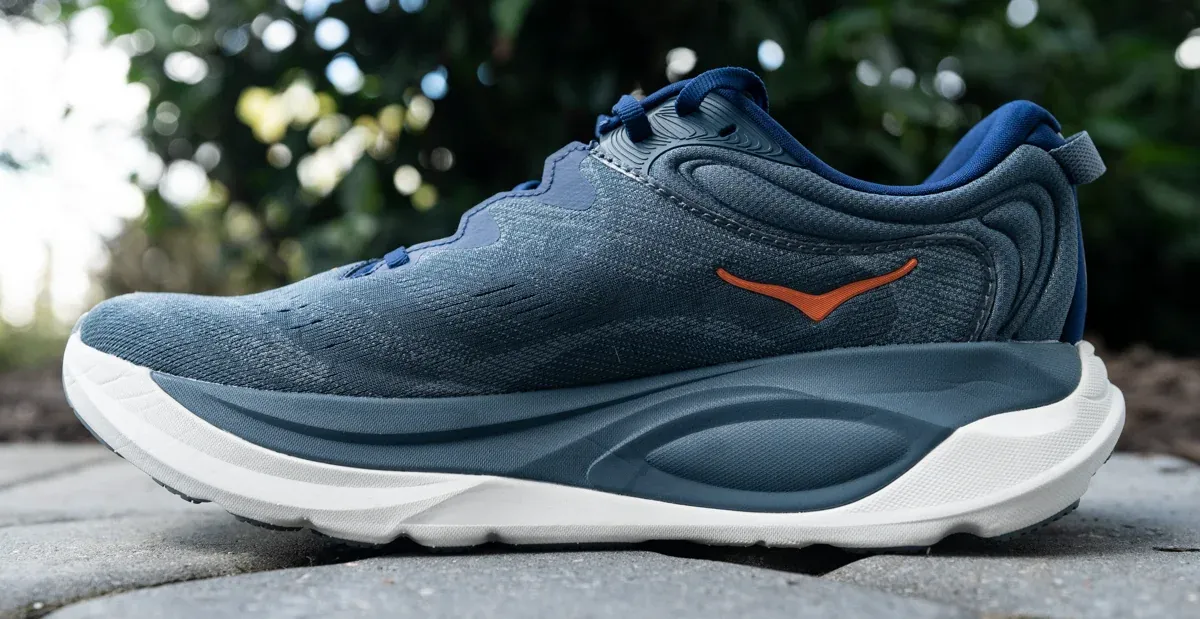
The Bondi is the taller shoe by a full 4-5mm at both ends (43/38mm vs 39/33mm), and the heavier one by nearly an ounce, while the stability shoe is the lighter, lower, slightly nimbler of the pair.
The foam story favors the Bondi too. Its new supercritical EVA lands soft and recovers quickly, giving it a livelier, more resilient character than any Bondi before it.
The Gaviota's dual-density CMEVA is consistent and protective, with soft landings and a quick enough rebound that it never turns mushy miles in, but it's the more traditional-feeling foam of the two, and you don't buy it for pep.
Both use Hoka's Meta-Rocker to roll you smoothly through the stride, and both are firmly easy-day shoes; neither wants to go fast, and that's the brief.
Fit, widths, and life beyond running
Both fit true to size.
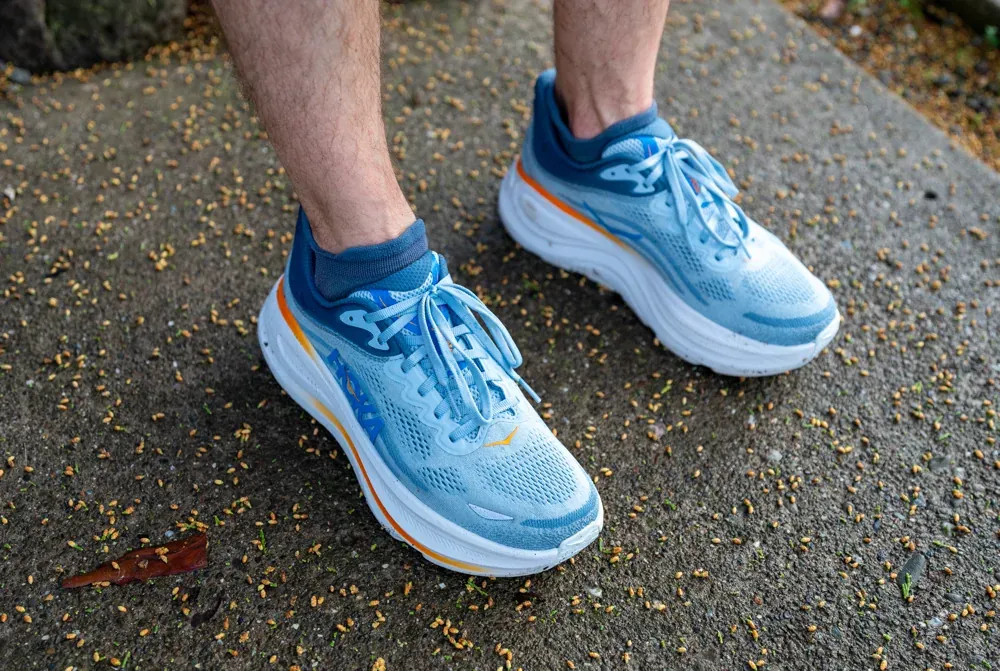
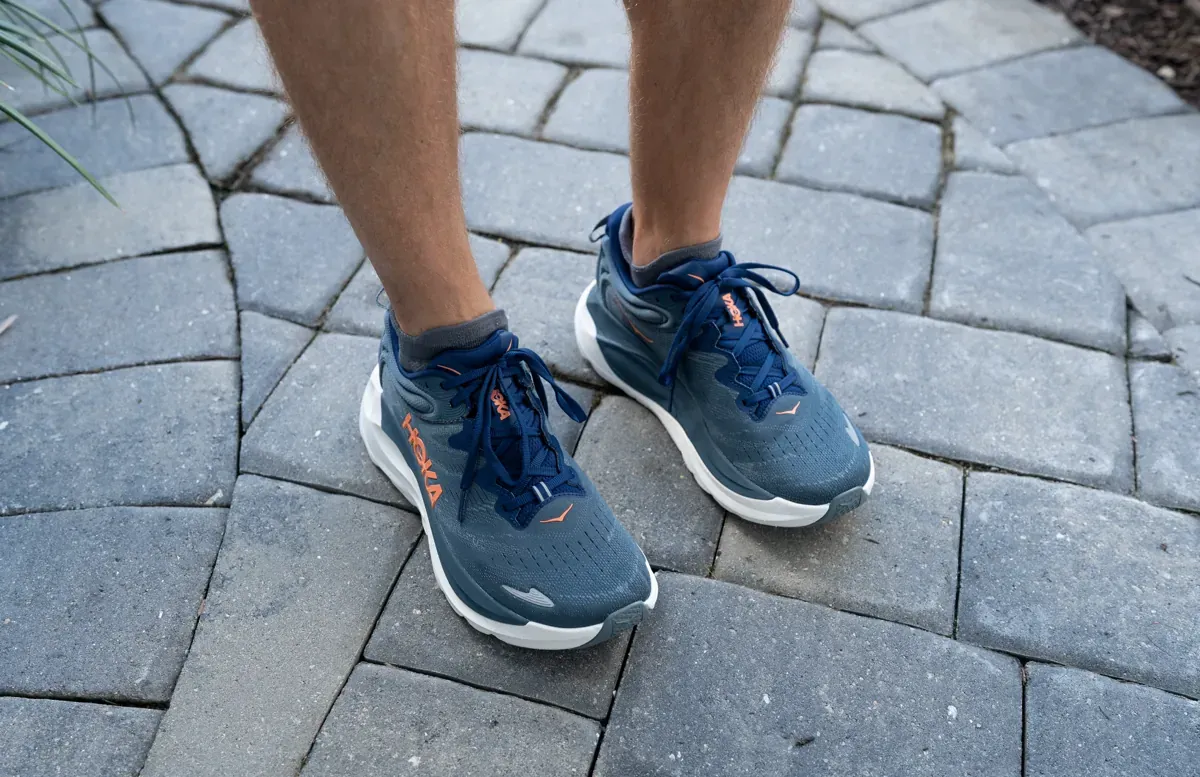
The Bondi has a generous toe box and a plush 3D molded collar, with the one note that some runners need the racer's loop lacing to fully lock the heel down; I didn't need it for these, personally.
The Gaviota's forefoot runs roomier than most Hokas, and it's the width champion here, offered in standard, wide, and extra-wide.
Both are excellent walking and standing shoes also, which matters because half the people comparing these two aren't primarily runners.
The Bondi's full rubber coverage in its high-wear zones makes it the durability pick for daily-wear duty and the default for neutral feet, while the Gaviota is the answer when long shifts come with overpronation or flat arches that want support; it headlines my best running shoes for plantar fasciitis guide on exactly that logic, where the Bondi is the neutral pick for the same problem.
Best Running Shoes For Plantar Fasciitis (2026): 8 Tested Picks
Shoes don’t cure plantar fasciitis but the wrong ones keep you stuck in this injury cycle. My 8 tested picks for heel pain, from the Kayano 32 to the Bondi 9, plus what actually helps recovery.
 Alastair Dixon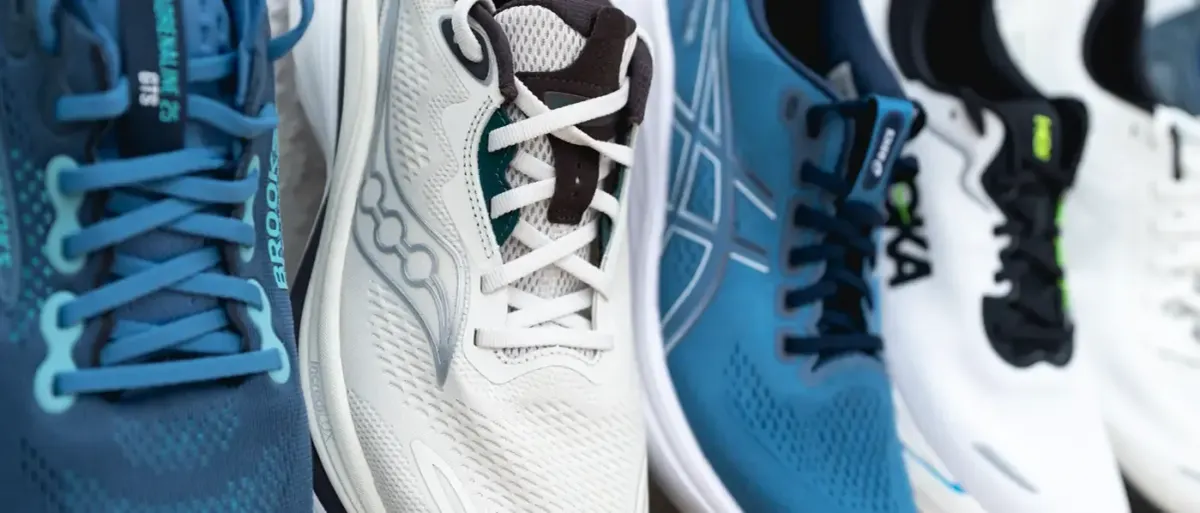
Which one should you buy
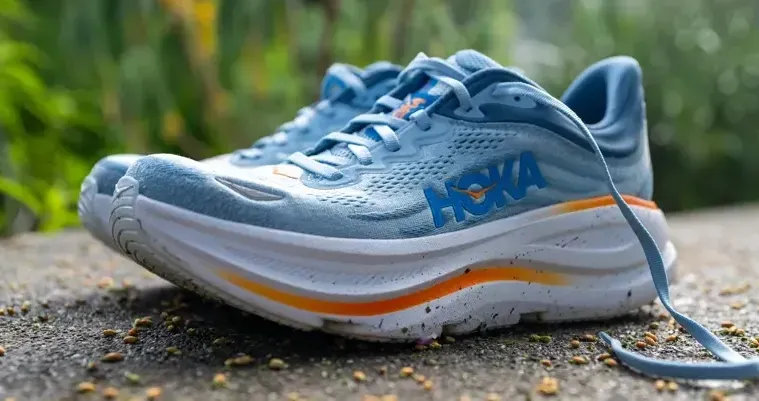
Buy the Bondi 9 if:
- Your stride is neutral, or your only stability need is a calm, planted landing
- You want the maximum cushioning of the two, with the livelier more durable midsole foam
- Standing and walking durability matter as much as running
- You want the definitive neutral max-cushion Hoka
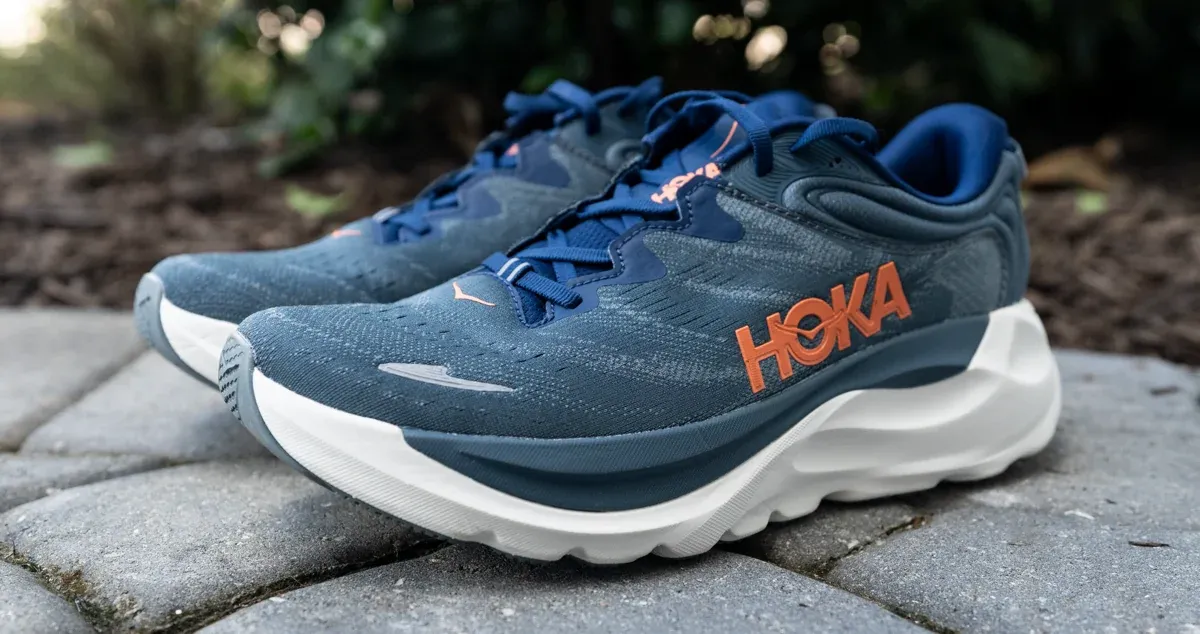
Buy the Gaviota 6 if:
- You overpronate, moderately or more
- Your form gets messy late in runs or long days, and you want a shoe that catches it
- You need wide or extra-wide fits
- You want max-cushion comfort that comes with boundaries built in
My verdict
Let your stride decide, because Hoka has made everything else about this choice easy.
Neutral runners should take the Bondi 9 without hesitation; it's the more cushioned shoe, the more modern and responsive foam, and the better pure cruiser.
Runners who genuinely need support should take the Gaviota 6 just as confidently, because no other max-cushion shoe I've tested combines this much plushness with this much real guidance, and it holds a top spot in my best stability running shoes roundup for that reason.
Best Stability Running Shoes 2026: 10 Tested Picks
The 10 best stability running shoes of 2026, tested over real miles. Modern guidance that steers without correcting, ranked by how they run.
 Alastair Dixon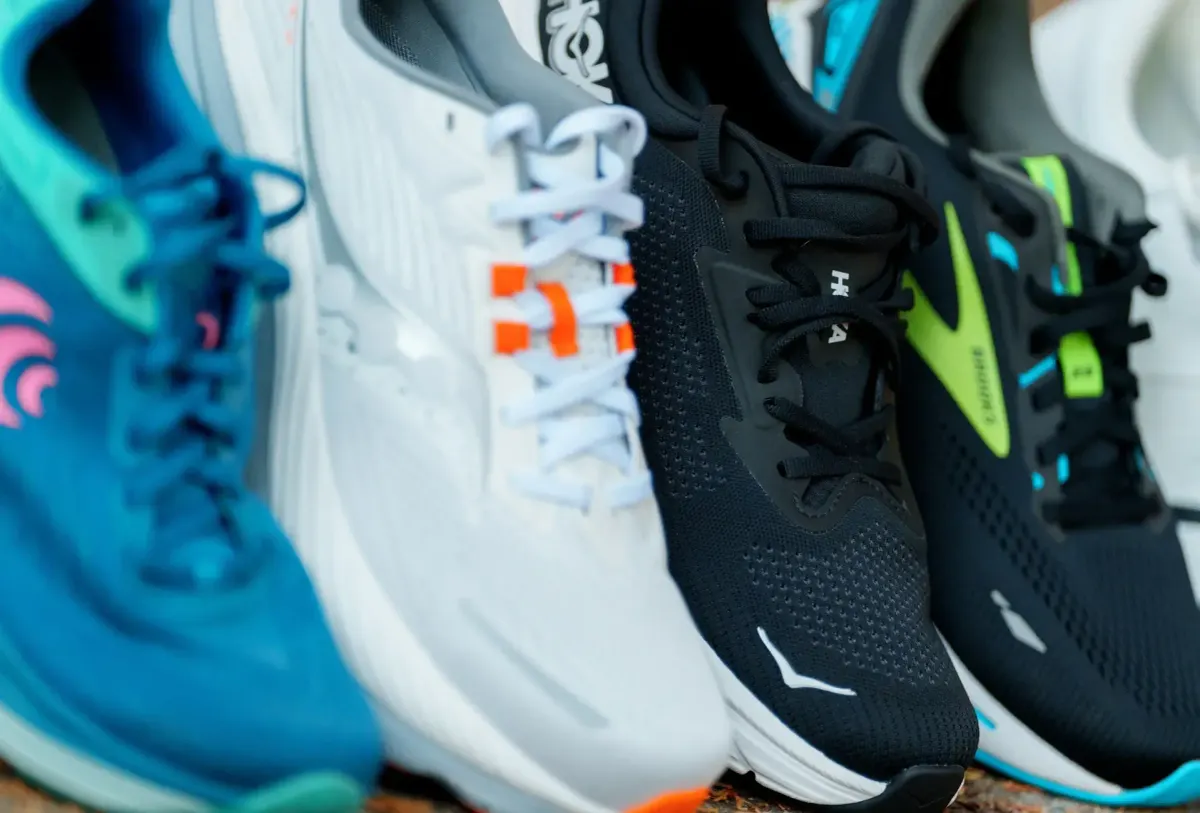
And if you're stuck in the middle, a neutral-ish runner with tired-leg wobbles, try the Bondi first; its inherent steadiness solves more of those cases than people expect, and you keep the softer ride.
If the Gaviota feels like more support than you need, my Hoka Arahi vs Bondi comparison covers the lighter-guidance version of this same decision.
My best Hoka running shoes guide shows where both sit in the full lineup, and my best running shoes roundup covers the rest of the rotation.
Best Running Shoes 2026: 10 Picks I Actually Train In
The 10 best running shoes of 2026, every one tested over real miles by me. Daily trainers, race-day picks, stability, and trail shoes that earn it.
 Alastair Dixon
If you haven't already, signup for my free newsletter, and subscribe to my YouTube Channel for all the latest running shoe reviews. 👉🏼 And for an inside look at what comes into my studio with unboxings, lace up reels, and short form reviews, follow me on Instagram, and TikTok. -Alastair
Written by

Subscribe to new posts
reviews, training tips, and thoughtful stories for runners








Member discussion