
Saucony Endorphin range, explained: Azura vs Trainer vs Speed 6 vs Pro 5 vs Elite 3
A straightforward guide to what each Endorphin is for, how they feel on the run, and which one fits your training.


If you’ve ever stared at Saucony’s Endorphin lineup online, and thought, “Cool… but which one do I actually need?”, you’re probably not alone.
Here’s the simplest way to think about the current road lineup: one Endorphin for daily miles, one for training with a plate, one for workouts, and two for race day.
Saucony keeps the feel “in the family” with SPEEDROLL geometry across the range (that forward-rolling shape that helps keep you moving through toe-off).
Below, I’ll break down what each shoe is for, the trade-offs, and exactly which runner/run type each one suits best.
👋
If you purchase gear through links in this review, I may earn a small affiliate commission. If you enjoyed this review, become a member of my site, (it's free!). -Alastair ✌🏼
Quick picks (if you want the answer fast)
If you're in a hurry (I'm looking at you, 'Hasty Harry'), here's my over-simplified take on each one:
- Best daily trainer for most run types (and most runners): Endorphin Azura
- Best plated trainer for steady endurance: Endorphin Trainer
- Best for workouts and fast long runs: Endorphin Speed 6
- Best race shoe for most marathoners: Endorphin Pro 5
- Best “max rebound” race-day feel: Endorphin Elite 3
Saucony Endorphin Speed vs Azura: which one do you need?
Endorphin Speed 6 vs Azura compared after testing both. The plate is the whole decision; which one fits your training week.
 Alastair Dixon
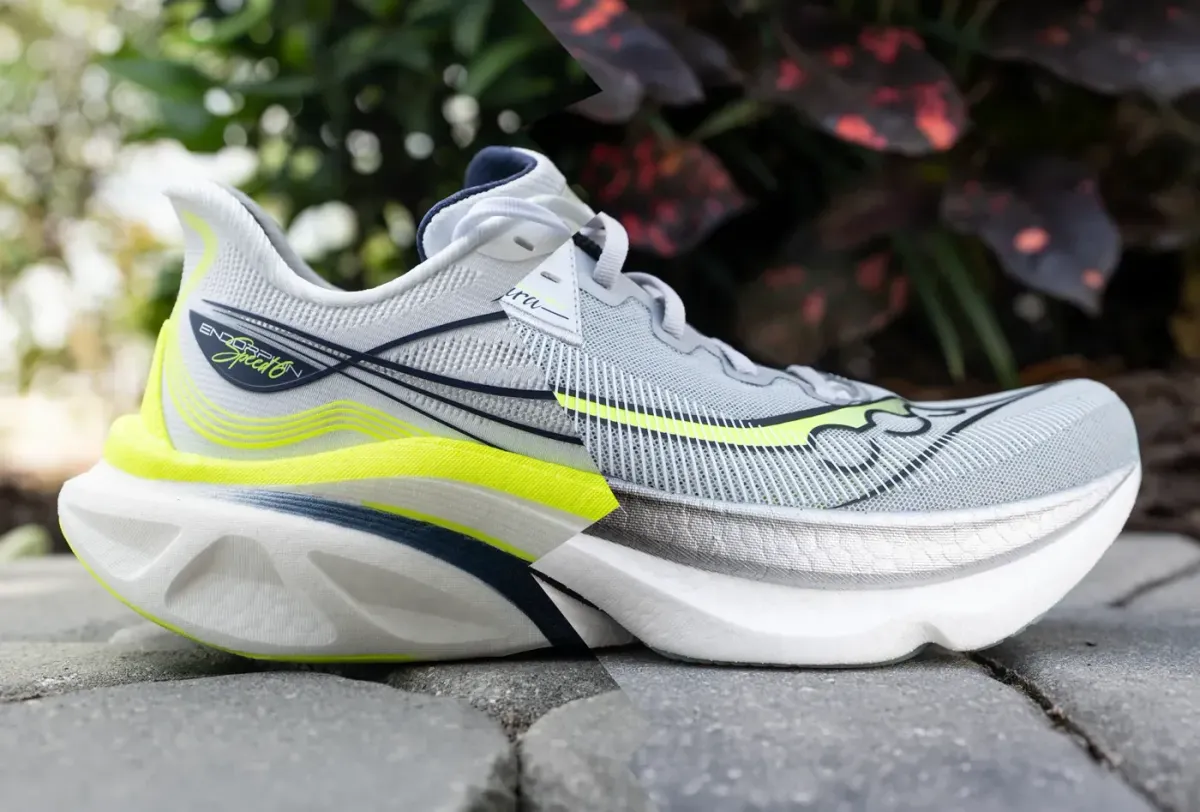
Deciding between the two trainers specifically? My Endorphin Speed vs Azura comparison is the head-to-head.
Compare the key stats
Weights below are for men’s US 9 (my pairs). Prices are MSRP and can vary.
| Endorphin | Weight | Stack | Drop | Midsole | Price |
|---|---|---|---|---|---|
| Azura | 8.5oz (240g) | 40 / 32mm | 8mm | PWRRUN PB (no plate) | $150 |
| Trainer | 10.1oz (286g) | 42 / 34mm | 8mm | IncrediRUN + PWRRUN + 3/4 carbon plate | $180 |
| Speed 6 | 8.0oz (227g) | 38 / 30mm | 8mm | PWRRUN PBX + redesigned nylon plate | $175 |
| Pro 5 | 7.5oz (213g) | 39.5 / 31.5mm | 8mm | PWRRUN HG + slotted carbon plate | $225 |
| Elite 3 | 7.5oz (213g) | 39.5 / 31.5mm | 8mm | IncrediRUN + slotted carbon plate | $290 |
The “why” behind the range (plates + foam, without the jargon)
Most of the difference comes down to two things: (1) the plate (or no plate), and (2) the foam recipe.
- No plate (Azura): means more natural flex, and speed comes from foam + geometry.
- Nylon plate (Speed 6): a springy, semi-rigid assist that's less rigid than carbon, so it stays a speed trainer rather than a race-day-only tool.
- Carbon plate (Trainer / Pro 5 / Elite 3): more stiffness and leverage, but the feel depends on foam softness and where the rocker “tips” you forward.
Foam-wise, the lineup splits pretty neatly:
- 'PWRRUN PB' in Endorphin Azura, and the new springier 'PWRRUN PBX' in Endorphin Speed 6
- 'IncrediRUN' + 'PWRRUN' layering in Endorphin Trainer
- 'PWRRUN HG' highly responsive racing foam in Endorphin Pro 5, and ultra-soft, ridiculously bouncy 'IncrediRUN' in Endorphin Elite 3
Shoe-by-shoe: what each Endorphin is for (plus the honest trade-offs)
Endorphin Azura
Saucony Endorphin Azura review: meet the new super trainer to beat
Move over Megablast, there’s a new king, in town. The Azura is a high-stack, non-plated PWRRUN PB trainer built for consistent mileage, and fast sessions, for those who want one shoe to do nearly everything.
 Alastair Dixon

What it’s for: a super trainer for daily miles, easy/recovery runs, tempo runs, cruising marathon race day, and steady runs where you want a lively feel without a plate.
What I notice on the run: It’s the Endorphin feel without the plate stiffness. You get that smooth roll and energetic foam, but the shoe still flexes naturally, allowing your toes to do more of the work, without the struggle of having to flex the plate.
That makes it easy to pick for most runs rather than saving it for “sessions only”. It feels surprisingly stable for a 40mm stack, which matters when you’re tired or running on less-than-perfect pavement.
Watch-outs:
- That high stack can feel noticeable at first if you’re coming from lower shoes
- No plate means it’s not as aggressive for pure speedwork as Speed/Pro/Elite
Best for which runner: newer runners building consistency, or anyone who wants one daily shoe to do most of your runs, that still feels fun and bouncy.
Endorphin Trainer
Saucony Endorphin Trainer Review: When More Is Less...
A high-stack daily trainer with a carbon plate and responsive foam, but its weight and clunky design hinder power, efficiency, and versatility.
 Alastair

What it’s for: a plated super trainer long aerobic work, big mileage weeks, and steady endurance where protection matters more than quickness.
What I notice on the run: This shoe is built like a training tool: high stack, stable platform, and a more structured feel underfoot.
The top layer feels soft and protective, but the overall package doesn’t disappear on-foot. If you’re trying to float through faster work, the weight and “bulk” are hard to ignore. For steady long runs, though, it can make a lot of sense.
Watch-outs:
- Heavier feel can make it feel clunky when you try to lift the pace
- Not the shoe I’d pick for wet-grip confidence or snappy sessions
- The ride can feel a bit awkward for some heel strikers, especially if you’re sensitive to rearfoot transitions
Best for which runner: marathon builds where you want a plated trainer to absorb a lot of boring miles.
Endorphin Speed 6
Saucony Endorphin Speed 6 Review: The Tempo GOAT, More Snap
New PWRRUN PBX foam, 2mm more stack, and a redesigned nylon plate make the Speed springier, lighter, and quicker onto the forefoot. Same easy yes for speed days.
 Alastair Dixon
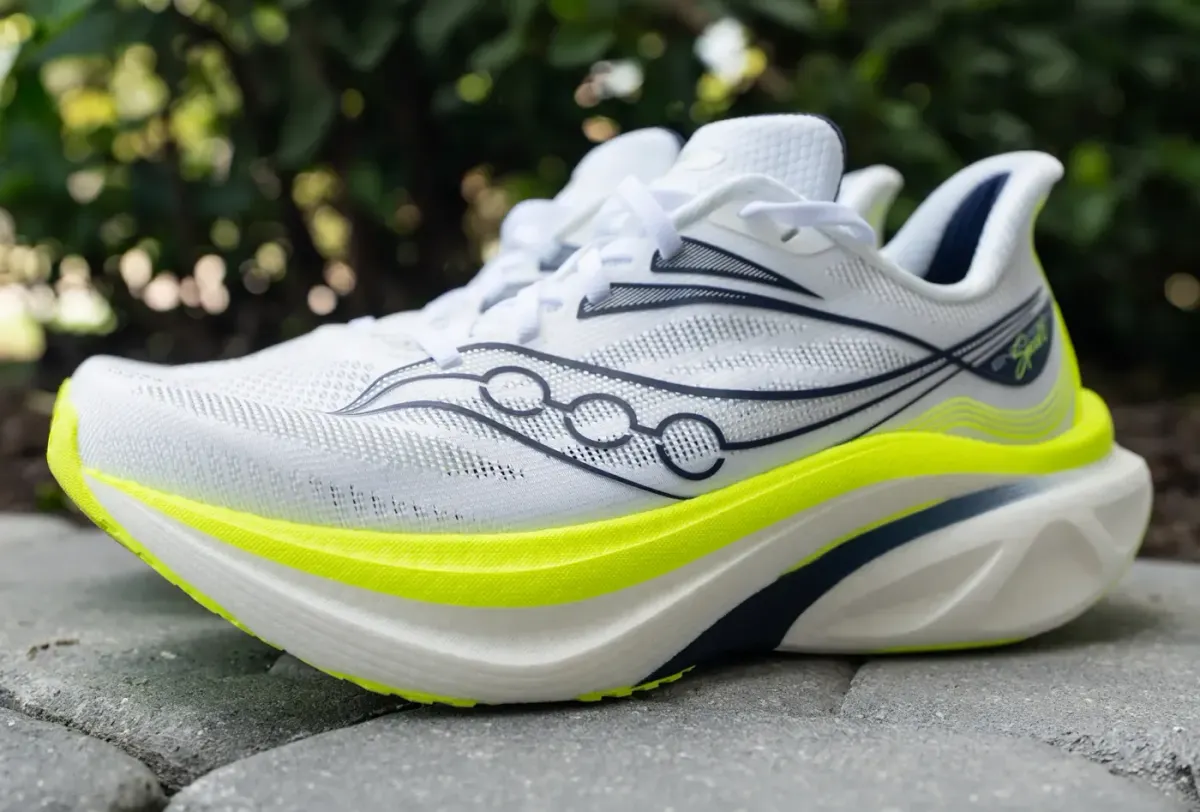
What it’s for: speed training shoe for tempo runs, intervals, progression runs, long runs with pickups, and “one shoe that can train and race” for a lot of runners.
What I notice on the run: This is still the Endorphin that makes the most sense for most people, myself included, and the Speed 6 turns it up.
The new PWRRUN PBX foam is springier and more responsive than the Speed 5's, there's 2mm more stack for depth on longer efforts, and the redesigned semi-rigid nylon plate rolls you onto the forefoot faster, all in a lighter package. It wakes up the moment you push. The trade-off is that it's a little less grounded than the Speed 5 when you back off the pace.
Watch-outs:
- Rubber coverage is limited at the heel, so heel strikers logging big mileage should keep an eye on wear
- It's more insistent about being run fast than the Speed 5, so buy it as a speed-day shoe first and an all-rounder second
Best for which runner: the runner who wants one performance shoe for every kind of speed day.
If you’re choosing between Speed 6 and Pro 5: Speed is the better weekly tool; Pro is the better race tool.
And for how the Speed stacks up against its closest cross-brand rival, see my Hoka Mach vs Saucony Endorphin Speed comparison.
Best Shoes for Hyrox (2026): A Shoe Tester’s Honest Picks
What Hyrox actually demands from a shoe, and the five tested picks from my review library that fit. Grip, stability, and 8km of responsive cushioning.
 Alastair Dixon
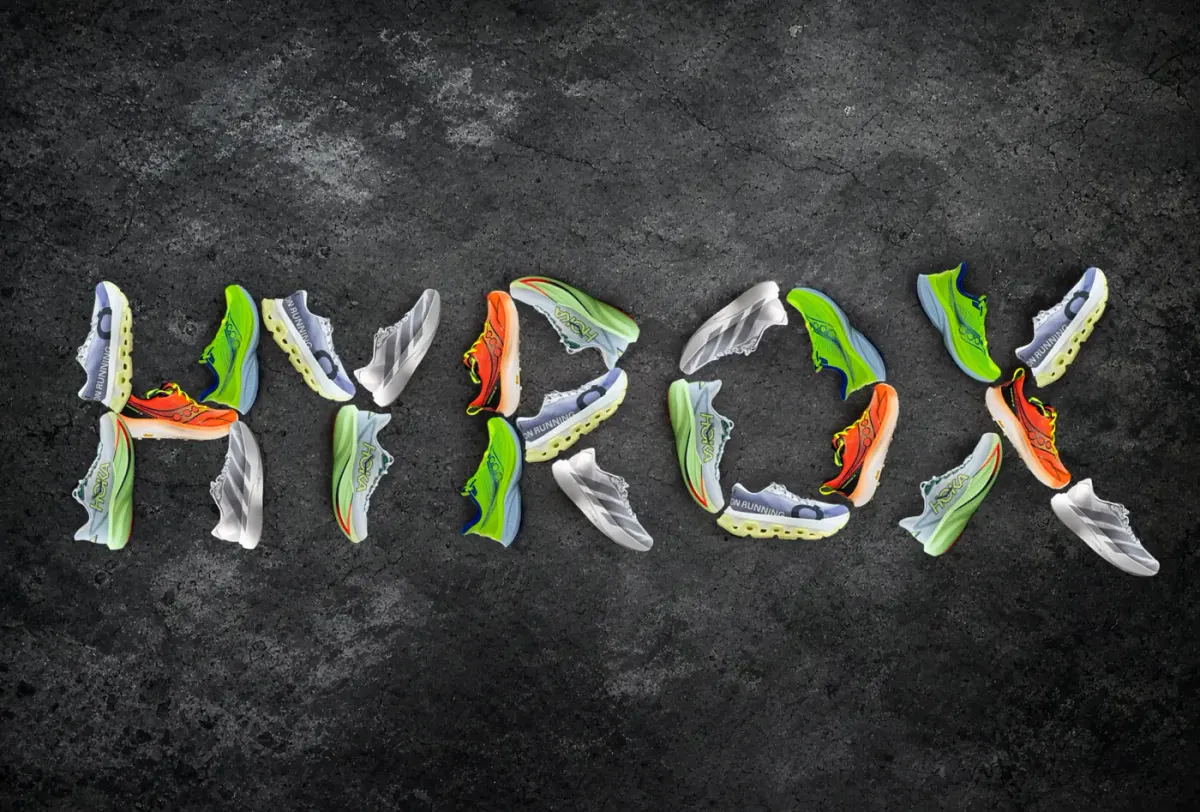
The Speed is also my standing recommendation for Hyrox racing, for reasons I break down in my best shoes for Hyrox guide.
Endorphin Pro 5
Saucony Endorphin Pro 5 review: familiar speed with some smart upgrades
Saucony sharpens its popular carbon racer with a snappier plate and grippier PWRTRAC outsole.
 Alastair Dixon

What it’s for: a carbon plated racer for race day (10K to marathon), plus the “key workout shoe” slot if you want one plated option that can handle real training too.
What I notice on the run: Pro 5 sits in a really useful middle ground. It feels efficient and fast, but it isn’t so soft that it gets unpredictable.
The big win is how stable it feels for a carbon racer, especially when your form starts to drift late in a half or marathon. If you’re a real-world marathoner chasing a PB, that matters more than tiny lab differences.
Watch-outs:
- Some runners may notice heel/Achilles rubbing (socks and lacing can make or break it)
- Grip can still feel limited on shiny surfaces or badly cambered roads
Best for which runner: experienced runners who want a race shoe that still feels controllable when fatigue hits.
Endorphin Elite 3
Saucony Endorphin Elite 3 Review: Smoother, More Planted, So Much Fun
Is the Saucony Endorphin Elite 3 the super shoe that finally fixes its only real flaws? Here's my honest take on Saucony's fastest, most refined carbon racer yet.
 Alastair Dixon
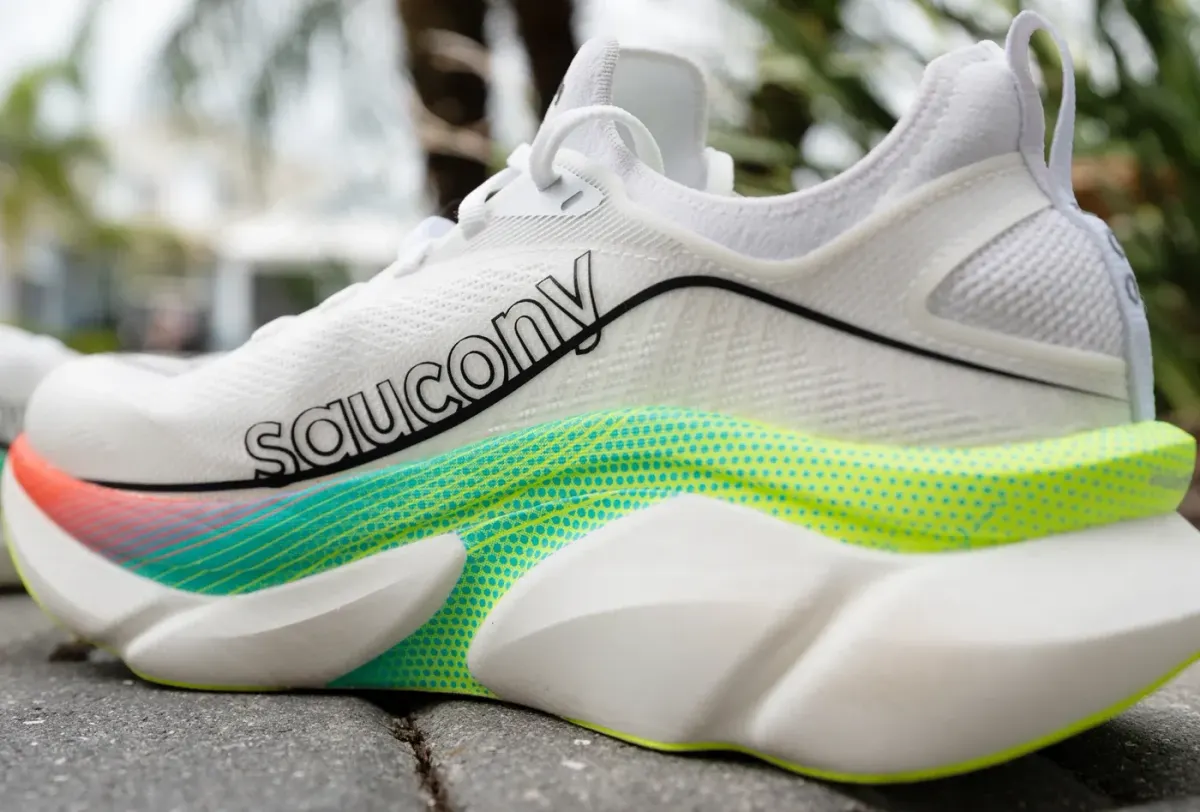
What it’s for: a bouncy, high stack carbon plated racer for race day when you want maximum rebound.
What I notice on the run: Elite 3 is still the most “unique” ride in the lineup. The ultra-soft, ridiculously bouncy IncrediRUN midsole rides like nothing else on the super shoe market right now.
Updated geometry and a new slotted carbon plate give it a smoother rollover and a more planted feel than the outgoing Elite 2, while keeping the lively, fatigue-saving ride that makes long race day efforts genuinely fun.
Watch-outs:
- It's still the softest, most specialised ride in the range, so it suits some strides far better than others
Best for which runner: neutral mid to forefoot strikers who want marathon-distance comfort paired with serious propulsion.
Which Endorphin should you use for… (runs + runners)
Choose by the run:
- Easy / recovery / everyday mileage capable of a wide pace range: Endorphin Azura
- Long steady endurance (especially high mileage): Endorphin Trainer
- Tempo, intervals, fartlek, progression: Endorphin Speed 6
- Race day for most runners (10K–marathon): Endorphin Pro 5
- Max rebound marathon race day (stride-dependent): Endorphin Elite 3
Choose by the runner:
- Newer runner / building consistency: start with Endorphin Azura, then add Endorphin Speed 6 if you want a workout shoe.
- Intermediate runner doing one workout a week: Endorphin Speed 6 is the simplest “one shoe does most things” pick.
- Marathon-focused, higher mileage: Endorphin Azura for volume + Endorphin Pro 5 for key sessions and race day.
- You already know you like super-soft supershoes: Endorphin Elite 3, which is more planted than the Elite 2 was.
Simple rotation suggestions (so you don’t overthink it)
Two-shoe rotation (most runners):
- Endorphin Azura for daily miles
- Endorphin Speed 6 for workouts + faster long runs
Three-shoe marathon rotation:
- Endorphin Azura for long steady mileage
- Endorphin Speed 6 for tempo runs, interval training
- Endorphin Pro 5 for race day (and the occasional tune-up)
Bottom line
If you want the Endorphin “experience” in the least complicated way, pick Endorphin Speed 6 - It’s the best balance of fast and usable, and my favorite Saucony road shoe right now.
If you want a daily trainer that still feels lively, Endorphin Azura - is the easy recommendation for anyone wanting a fun zippy ride, while maintaining protection underfoot.
And if you’re racing: Endorphin Pro 5 is the sensible race shoe for most runners, while the Endorphin Elite 3 is the high-reward option for neutral mid to forefoot strikers.
If you want, share your current weekly structure (easy days, long run, workouts) and what you race (5K, half, marathon), and I’ll tell you which two or three Endorphins make the most sense for your rotation.
Oh and if you need a training plan to follow, check mine out here.
Happy running! -Alastair
Written by

Subscribe to new posts
reviews, training tips, and thoughtful stories for runners








Member discussion