Plantar Fasciitis Recovery Roadmap: How to Get Rid of That Stabbing Heel Pain, For Good
The exact recovery protocol that got me back to pain-free running after a stubborn plantar fasciitis flare up; no filler, just what actually works for runners.

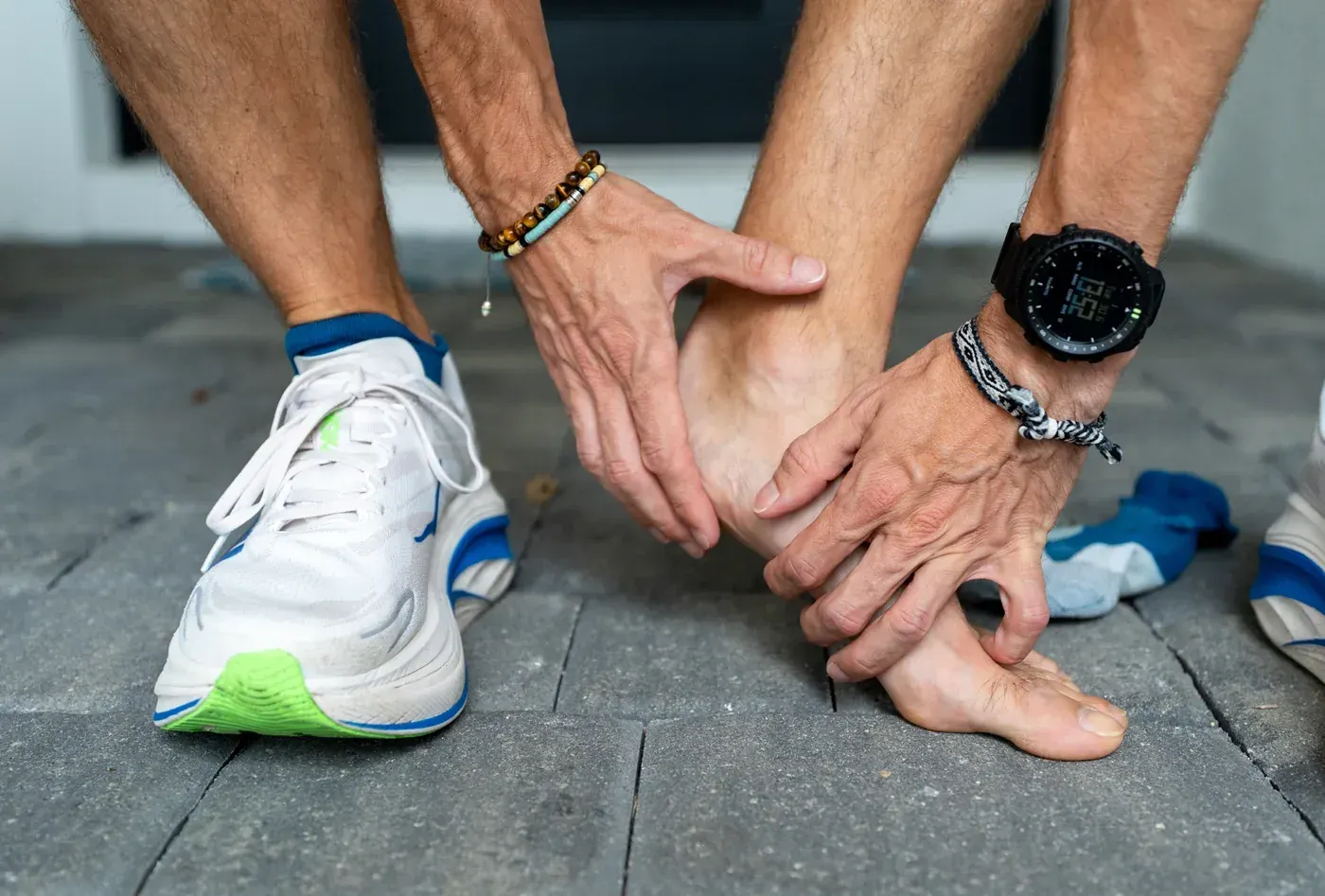
If you've ever taken your first steps out of bed in the morning and felt like someone had driven a hot spike into your heel… yeah, I know exactly what that feels like.
It's one of the most disorienting running injuries. The pain is worst when you first wake up, or you're barely moving; like those first few limping steps to the bathroom in the morning; and it can ease off enough during a run that you convince yourself you're fine, only for it to ambush you again the moment you stop.
That cycle, the morning agony, the false hope mid-run, the post-run punish, is the signature of plantar fasciitis. And if you've been caught in it, you know how grinding it becomes.
The good news: most runners recover fully, and faster than you'd think, if they actually do the right things. The bad news: most runners don't.
They either rest passively and wait for it to go away on its own (it won't, not sustainably), or they keep running through it while doing nothing else (which turns a 4-week problem into a 4-month one).
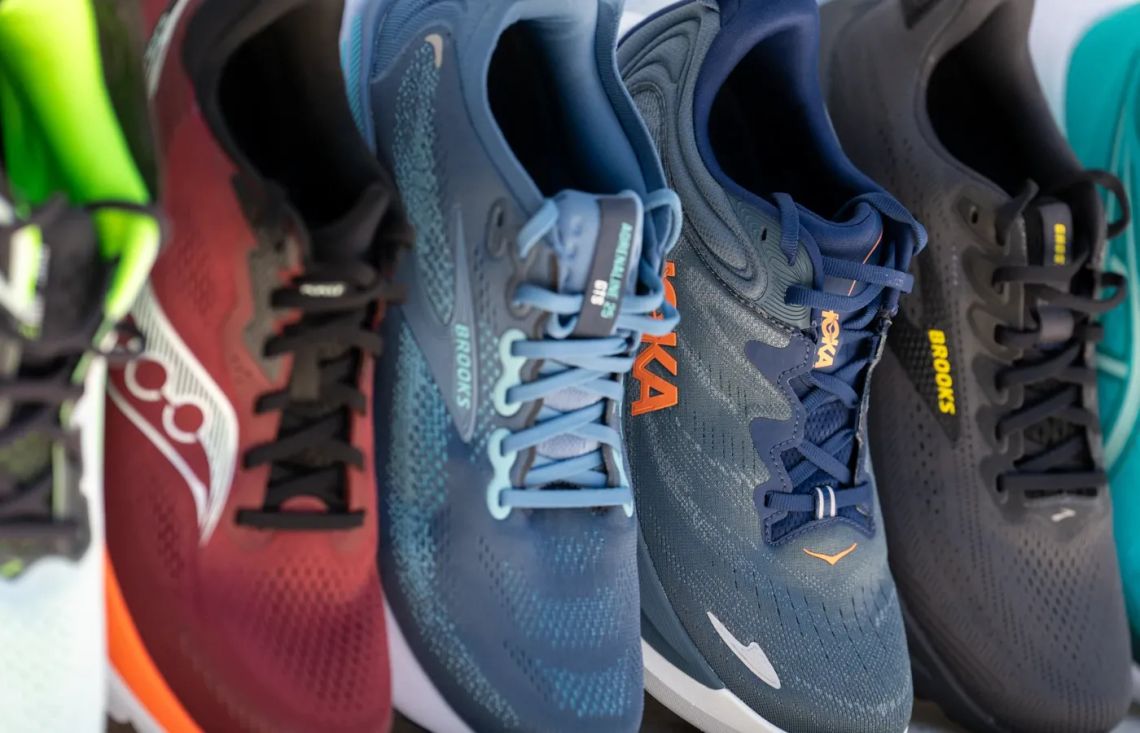
This roadmap is the thing I wish I'd had when my heel started going the first time. .-It's built around what sports physiotherapists and podiatrists actually agree on, combined with what genuinely worked for me as a runner who needed to stay active. I've also written a companion roundup on the best running shoes for plantar fasciitis if you want to pair this with a gear decision.
Let's get into it.
What is plantar fasciitis? (And what's actually happening in your foot)
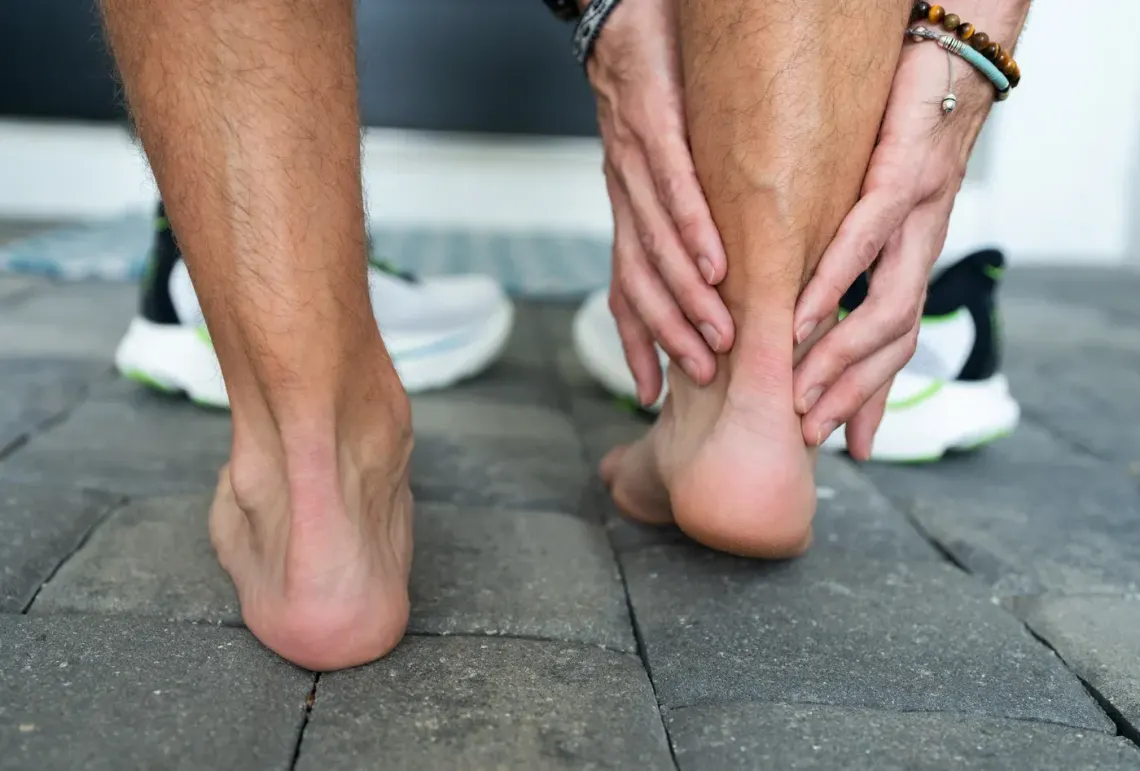
The plantar fascia is a thick band of connective tissue; think of it like a bowstring, that runs along the bottom of your foot from your heel bone to the base of your toes. Its job is to support your arch and absorb the load of every step you take.
When it's healthy, it handles that job without complaint. When it's overloaded, usually because of a spike in mileage, weak supporting muscles, tight calves, or footwear that's not doing its job; small tears develop at the point where it attaches to the heel bone.
Those micro-tears trigger inflammation. The tissue thickens. And you get the pain that defines plantar fasciitis: that deep, stabbing discomfort at the heel, worst first thing in the morning or after sitting for a while, because the fascia tightens when it's unloaded and then gets yanked hard with your first steps.
It's an overuse injury. Which means the path out of it is about load management and tissue rehabilitation; not about finding the magic stretch or the magic shoe, (though both of those things help, in context.)
What plantar fasciitis feels like
The symptoms are distinctive enough that most runners know what they're dealing with, but let me be precise:
- A sharp, stabbing, or bruise-like pain at the bottom of your heel, specifically at the front of the heel pad
- Pain that's worst with your first steps in the morning or after long periods of sitting or standing
- Pain that often eases after 5–10 minutes of walking as the tissue warms up
- Pain that returns hard after a long run or the following morning
- Tenderness when you press directly on the heel and along the inner arch
- Sometimes an aching in the arch that extends toward the midfoot
It typically affects one foot, though bilateral cases exist, especially in runners who've built up mileage too quickly, on the road.
What it's not
If your pain is on the back of the heel or up into the Achilles, that's a different injury: Achilles tendinitis.
If the pain is acute and single-point on the bone rather than spread across the heel pad, and especially if it wakes you up at night or gets worse with activity rather than warming up: that's a red flag for a stress fracture. Stop running and get it imaged.
Please don't use this roadmap as a substitute for that conversation. And whilst I have you, I'm not a Doctor; I just have plenty of my own first hand experience with this injury, so exercise common sense and be smart about your recovery.
For everyone else with the classic first-step stabbing, bruise-like heel pain, you're in the right place.
Why runners get plantar fasciitis
Understanding why helps you fix it and, more importantly, stop it coming back.
Too much load, too fast
This is the number-one driver. A sudden mileage jump, adding speedwork before your base is ready, jumping straight into marathon training after a long break; the plantar fascia can only adapt so quickly, and when you outpace that adaptation, it fails.
Running training plan generator — road & trail, 5K to 100M
Build a personalized running training plan around your actual race date, current mileage, and experience level. Road and trail, any distance.
 Alastair Dixon
Tight calves and Achilles
The calf, the Achilles, and the plantar fascia are mechanically linked through the heel bone. Tight calves increase the tension on the fascia with every step. This is why calf stretching is the single most consistent recommendation across all the research on plantar fasciitis treatment.
Weak foot and arch muscles
The intrinsic foot muscles help support the arch alongside the fascia. When they're weak, which is common in runners who spend most of their time in supportive shoes, the fascia bears a disproportionate share of the load.
Inappropriate Footwear
Worn-out midsoles that no longer absorb impact properly, or shoes with too little arch support for your foot type, increase the strain on the fascia. This is also why switching abruptly to very low-drop or zero-drop shoes is a common trigger; it dramatically increases the stretch on the calf-Achilles-fascia chain before those tissues have adapted.
Body weight and running surface
Higher body weight increases load through the heel. Lots of running on hard, unforgiving surfaces (concrete) compounds it. Neither is a cause on its own, but both are contributing factors when the other conditions are already pushing you toward the edge.
Gait factors
Excessive pronation changes how load distributes across the arch. A shorter, wider foot sometimes struggles more with fascia tension. These are worth a conversation with a physio or podiatrist if you've had recurrent episodes, as gait retraining or orthotics sometimes make a real difference.
The recovery roadmap: a phase-by-phase plan
This is the structure that works. It's not about passively resting for weeks; it's about active recovery that systematically reduces pain, rebuilds tissue strength, and returns you to full running in a way that doesn't just bring the injury back.
I've seen this framed differently in different places, but the underlying logic is always the same: calm the tissue, then strengthen it, then gradually reload it. The phases below correspond to those three stages.
Phase 1: Calm the tissue (Week 1–2)
Your goal here is simple: reduce the inflammatory load so the fascia can start healing. This doesn't mean complete rest. It means removing the things that are aggravating it and replacing them with things that don't...
This post is for subscribers only
Subscribe to continue reading
Written by