


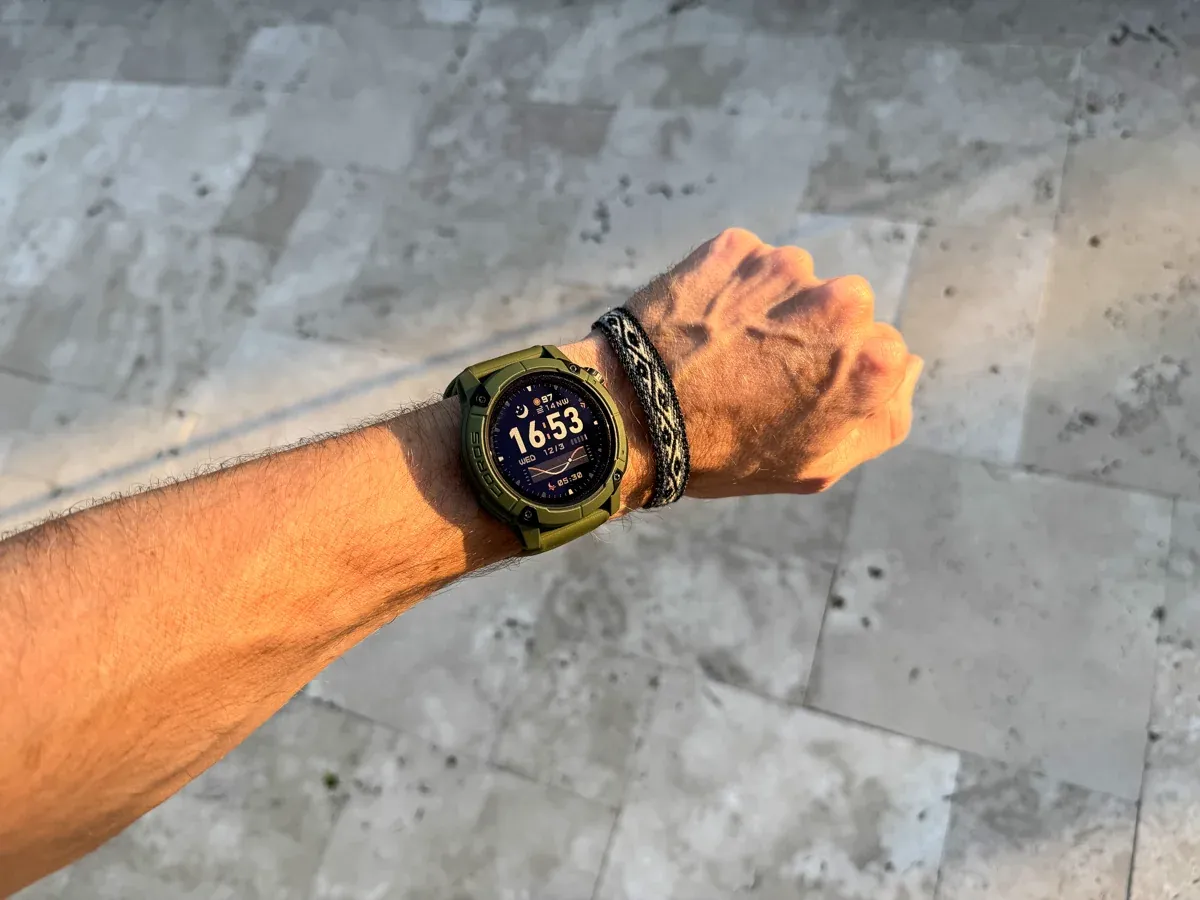
The COROS NOMAD is the watch I wear when my running involves maps, dodgy trail forks, long battery demands, and the kind of days where you don’t want your wrist tech to be the thing that falls apart first.
COROS positions it as an “adventure” watch that sits somewhere between a rugged, no-frills option (think Garmin Instinct vibes) and a full mapping watch, but at a price that undercuts most of the competition.
And rather than being a “tested it for a month then moved on” situation, it’s actually become my default for trail running.
I gave my COROS APEX 4 (reviewed here) to Helen, and the NOMAD has just… stayed on my wrist for trail adventures.
If you want long battery + proper offline maps without paying premium-watch money, this one delivers, and I also love how it looks on wrist.
But if you’re expecting smartwatch polish, a bright AMOLED experience, or lots of lifestyle extras, it can feel a bit utilitarian.
Key specifications (runner-relevant stuff first)
Quick snapshot: rugged 47mm adventure watch, MIP display, big battery, full offline maps, and a few niche outdoor tools.
- Price: $349 at coros.com
- Size / weight: 47mm case; ~49g (nylon band) / ~61g (silicone band)
- Battery (real-world ranges): ~50 hrs “All Systems” GPS, ~34 hrs Dual-Frequency, ~20–25 days as a daily watch with sensible settings
- Display: 1.3" color MIP (260×260), hardened mineral glass
- Build: polymer case + aluminum bezel, 5 ATM
- Storage / maps: 32GB; offline topo + streets + POIs; turn-by-turn; Back-to-Start
- GPS & sensors: All Systems GNSS + optional Dual-Frequency, barometric altimeter, optical HR (Gen 3), HRV, SpO2, wrist temp
- “Adventure” extras: voice pins + adventure journal (with 3D flyovers), fishing modes (tide/moon/catch logs)
- Smart stuff: notifications + call/text alerts (no speaker), camera control, find phone, offline MP3 (no streaming, no NFC)
- Charging: proprietary dongle (not backwards compatible with older COROS); ~80% in ~1 hour
How I set it up
To come degree, this watch lives or dies on setup. A few tweaks early on make it feel much more “set and forget”.
1) Pick the right GPS mode
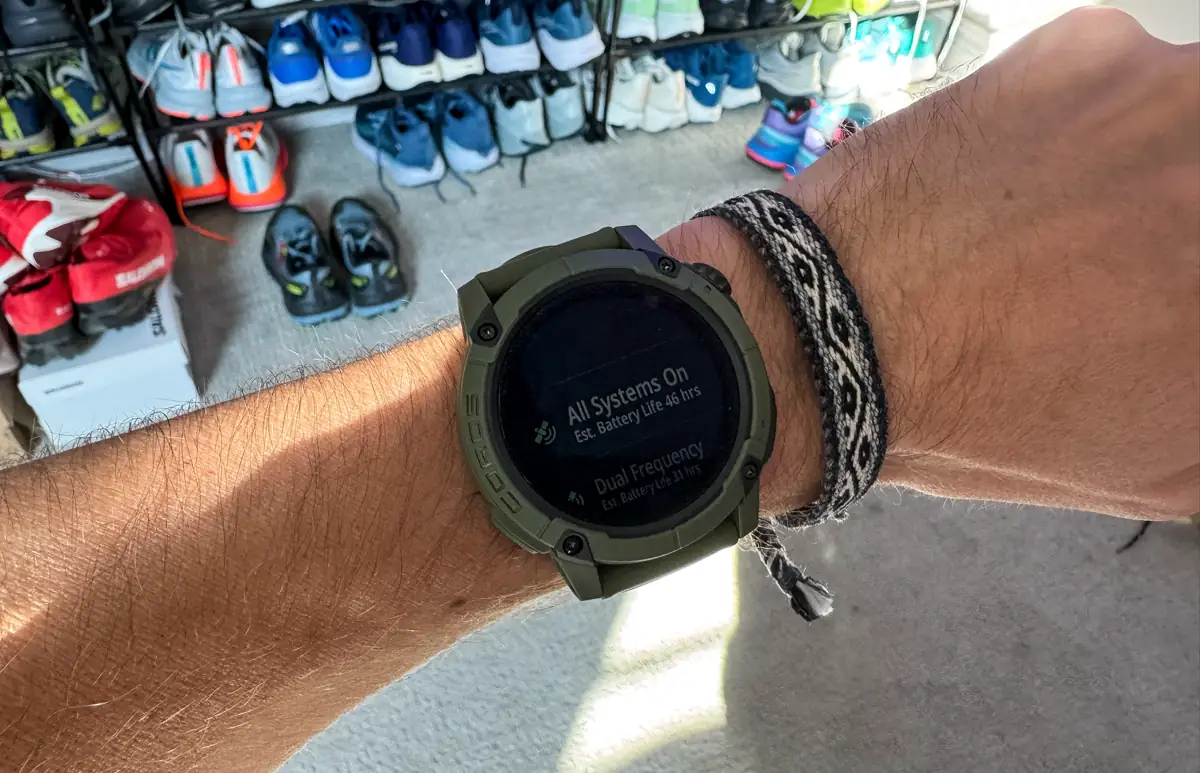
- All Systems = consider using this option for long ultras or multi day /stage race tracking.
- Dual-Frequency = the more accurate option, this is what I use for most runs, and races up to 50k, tricky tree cover, canyon-y trails, or navigation-heavy days—but expect the battery hit.
2) Calibrate the altimeter (if you care about vert)
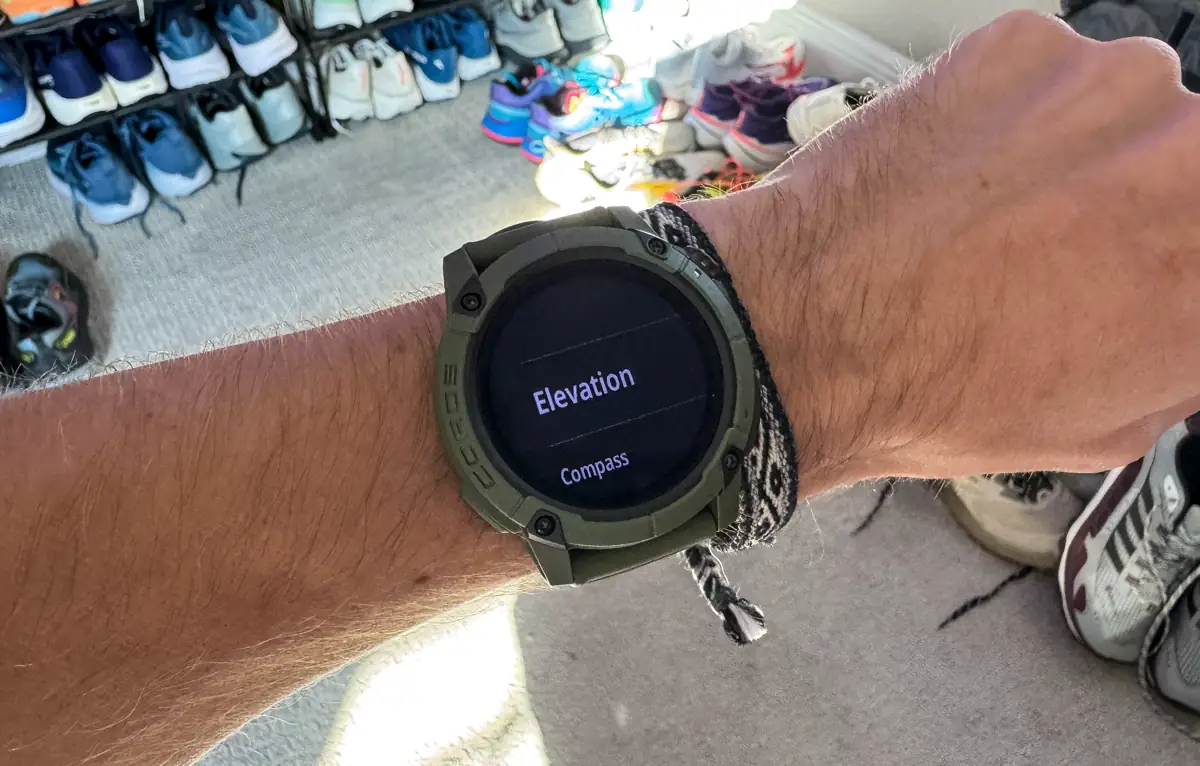
If you’re using this in real hills or mountains, a quick calibration before bigger days keeps elevation gain more believable.
3) Adjust health tracking to protect battery
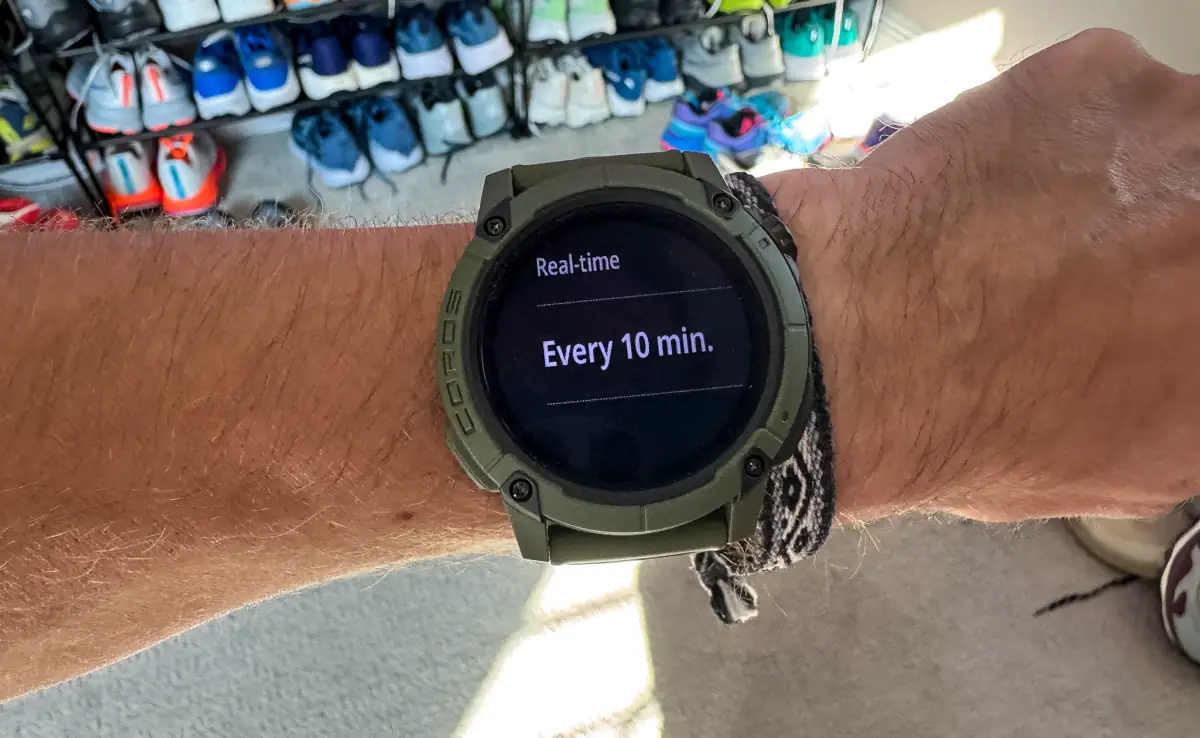
If you want those multi-week “daily wear” numbers:
- set HR sampling to every 10 minutes to max out the battery but real-time gives you more accurate HR data when not in activity mode.
- keep HRV/SpO2 on overnight if you actually use those trends
And for harder sessions (intervals, cold weather), where wrist based HR monitoring is less accurate, pairing with a strap still makes sense.
The COROS Heart Rate Monitor is the easy “clean up the data” move.
4) Load maps and turn on the safety nets
Maps download as tiles over Wi-Fi in the app and it’s straightforward.
Once maps are on, I’d enable:
- turn-by-turn prompts
- route deviation alerts
- Back-to-Start
That combo is the difference between “I hope this route works” and “I’m fine even if I mess it up”.
5) Backlight and early starts
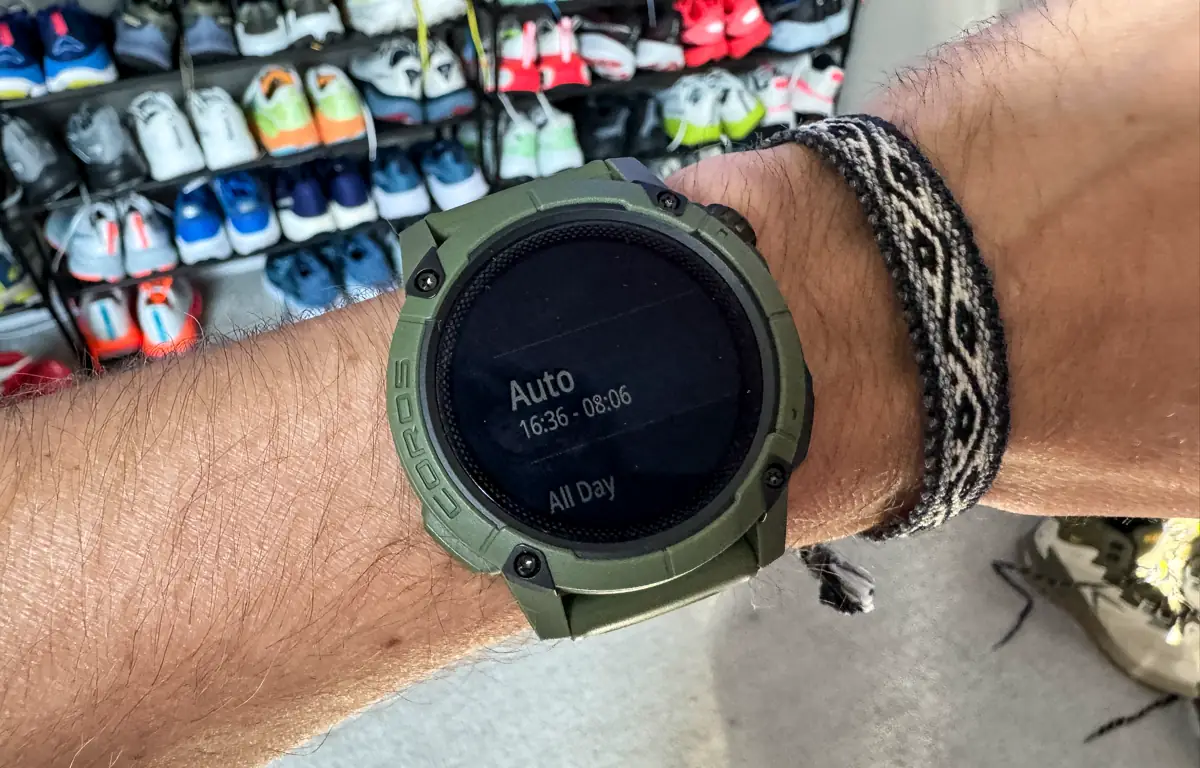
Auto-brightness + gesture works well for battery and daytime readability.
The one annoyance: you can’t force always-on backlight during activities, so dawn runs can be a bit hit-and-miss depending on wrist raise timing.
Performance review
Design, build, and comfort on the run
It looks like an outdoor tool first, not a lifestyle watch.
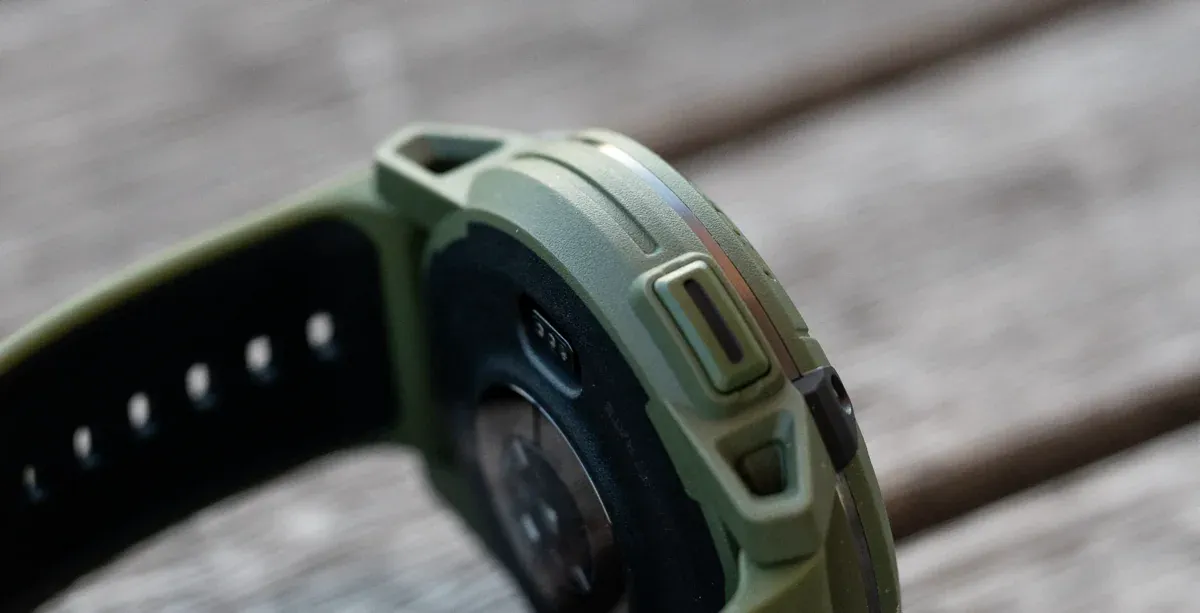
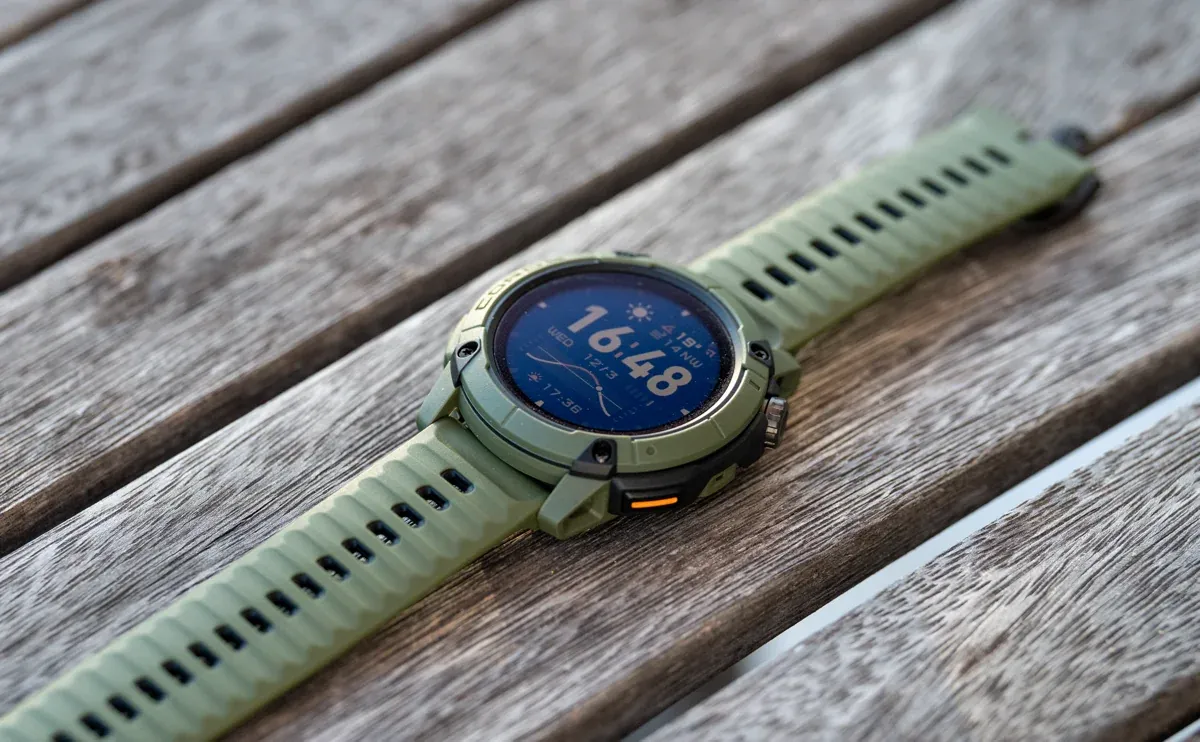
Chunky, slightly tactical, and very “fine to bash around”.
Despite the 47mm size, the polymer build keeps it lighter than it looks, and I find it comfortable once it’s snug on the wrist.
If you’ve got smaller wrists, it may still feel big, especially if you’re used to sleeker road-running watches like the PACE 4.
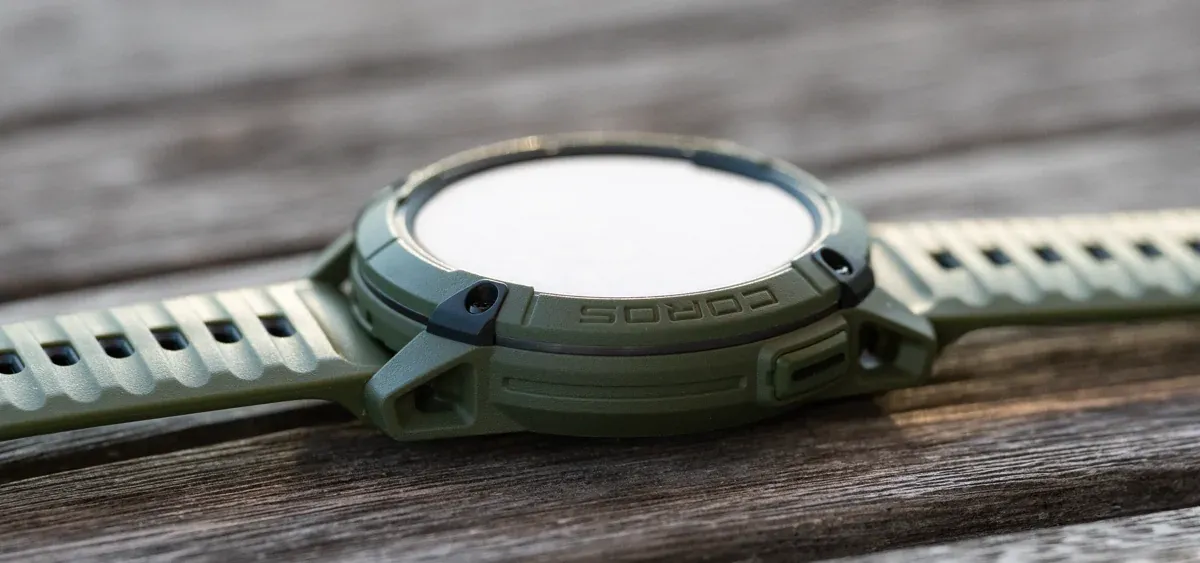
Mineral glass is part of the price trade. It’s not sapphire like you'll find on the APEX 4, and scratches are more plausible long-term if you’re hard on your gear.
 Alastair Dixon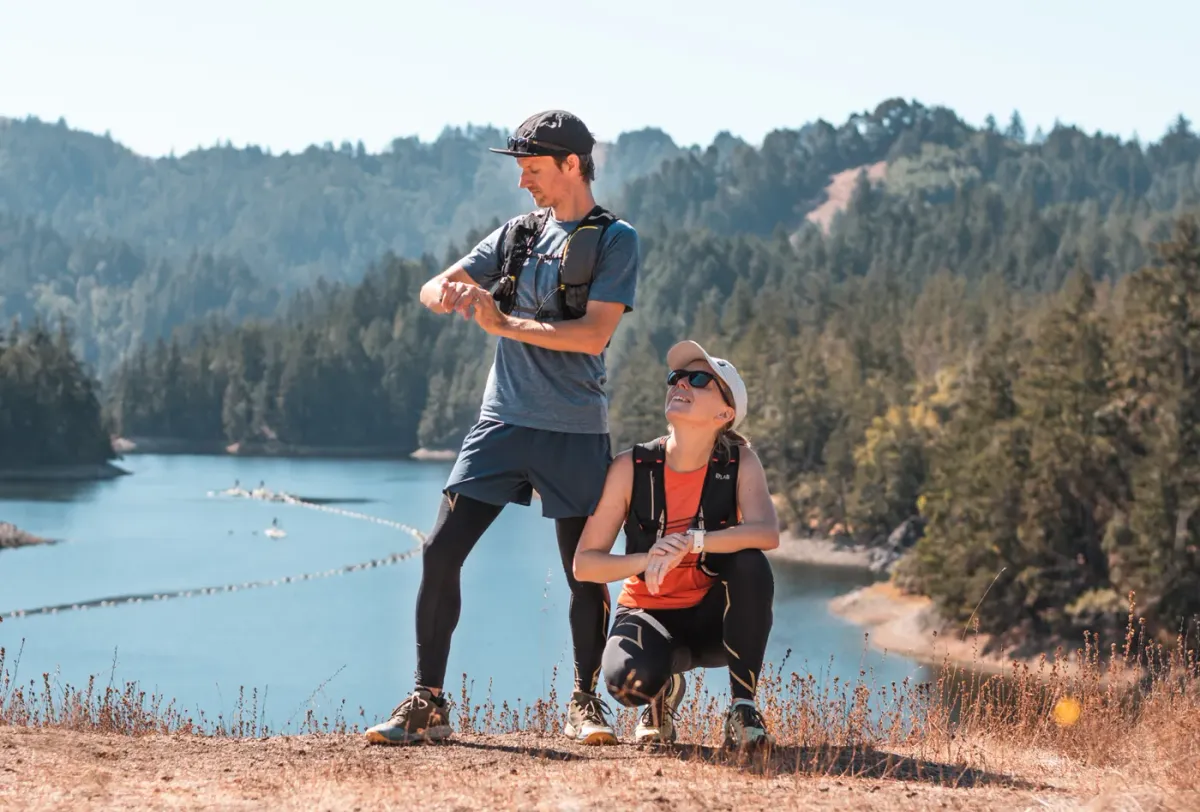
Battery life: the whole point of owning it
Battery is the core reason this watch makes sense.
It’s the kind of watch where you stop thinking about charging all the time, especially if you’re coming from a more traditional smartwatch, like the Apple Watch Ultra 3.
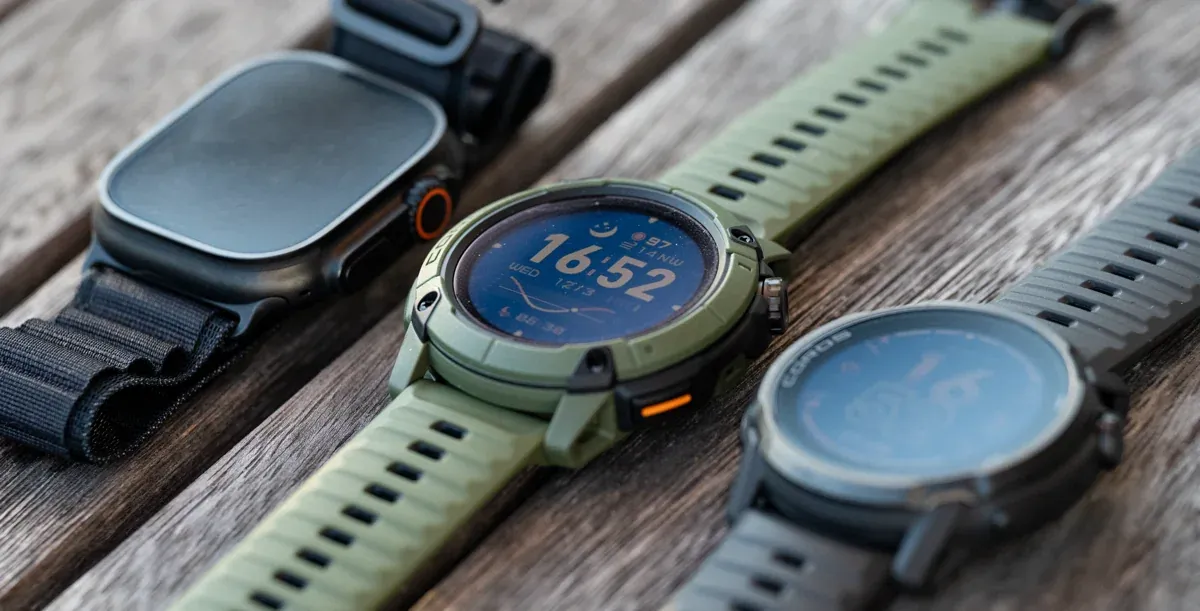
For runners, that matters in a few very real scenarios:
- long run + drive home + errands… still plenty left
- back-to-back training days without topping up
- ultras / long trail days where “battery anxiety” ruins the vibe
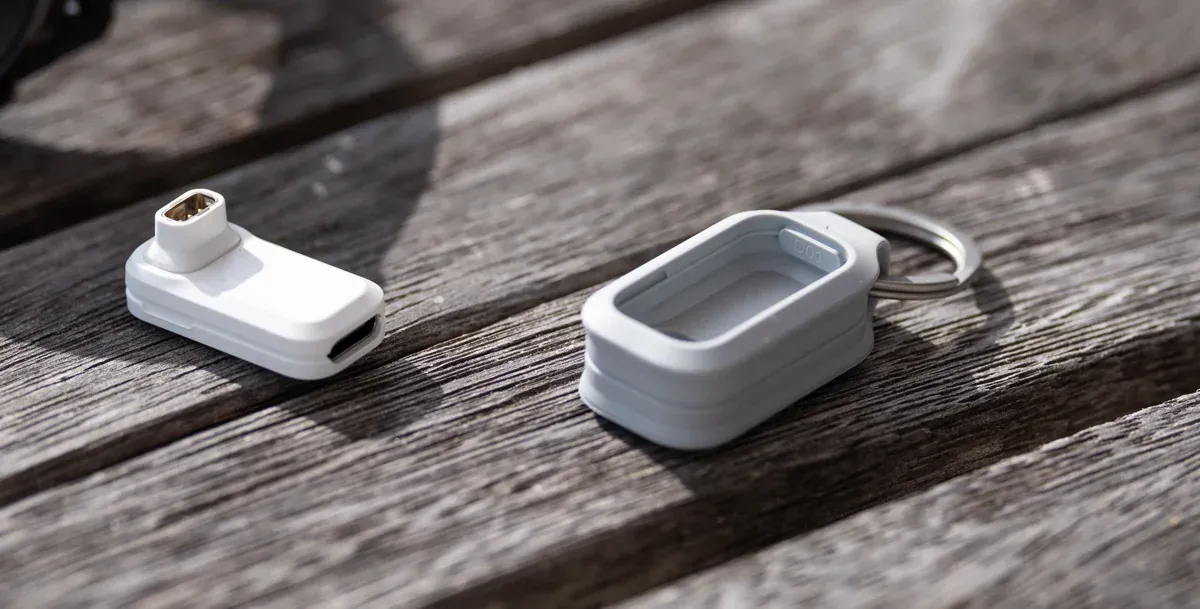
The proprietary dongle is a smart move, and charging speed is decent enough that breakfast or post-run desk time can meaningfully top it up.
 Alastair Dixon
GPS, pace, and altitude
Tracking has been reliably strong with All Systems GNSS, and even better with Dual-Frequency when you want to tighten things up.
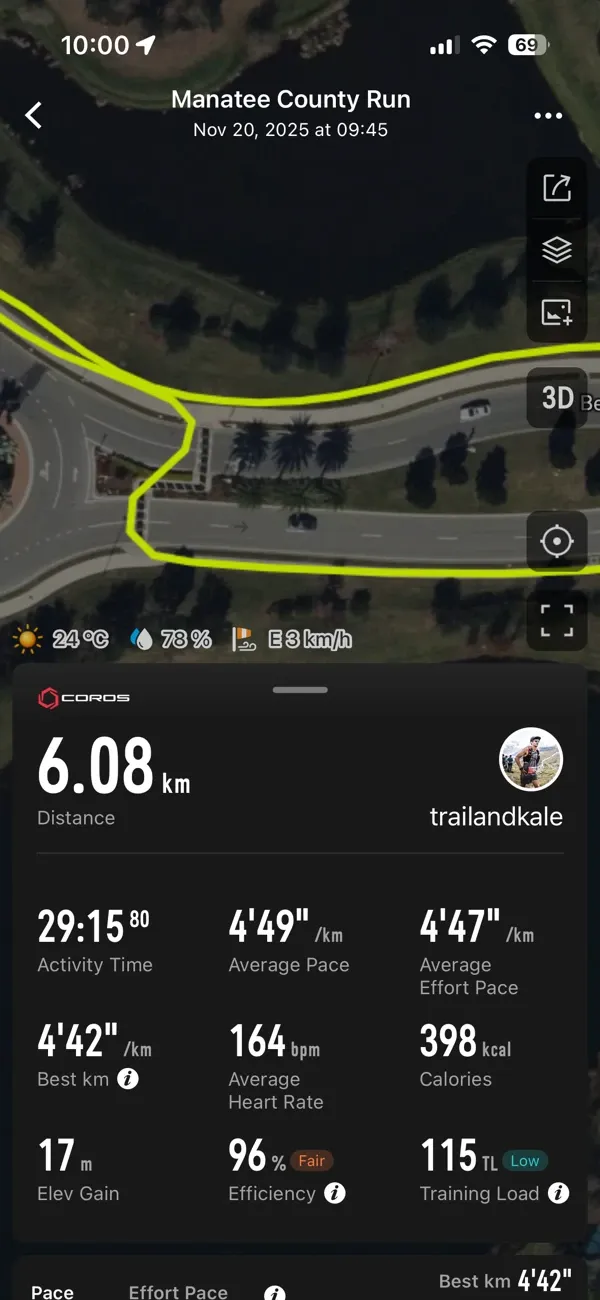
The big win is consistency. Clean tracks, minimal weird blow-outs, and elevation that lines up well once the barometer’s calibrated.
Maps and navigation: where it separates itself
This is the most runner-useful part of the watch. 32GB of offline maps at this price changes how often you’ll actually use navigation.
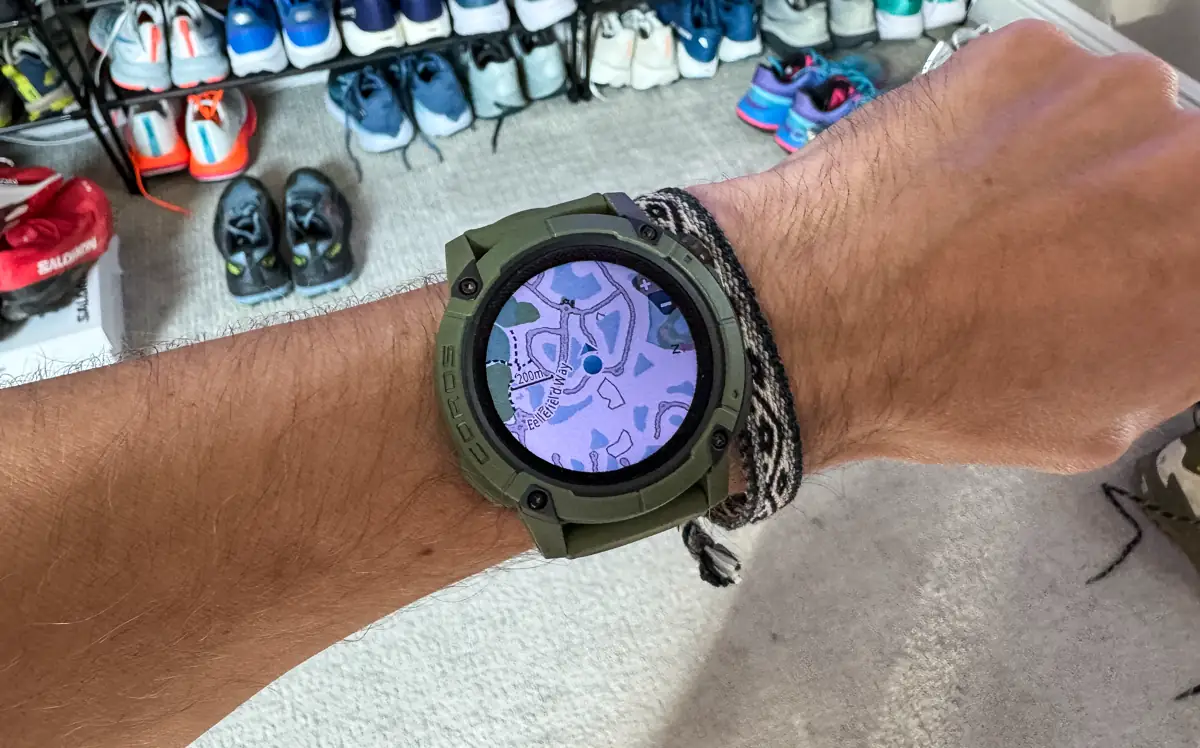
On-run, I like that:
- zoom/pan is smooth via the crown
- deviation alerts keep you honest
- breadcrumb + map combo gives confidence without constantly checking your phone
You don’t get some of the higher-end “coaching” navigation features (like detailed climb breakdown tools you might be used to on premium watches), but for most runners using maps to explore routes or stay on course in the dark, it covers what matters.
Training, recovery, and day-to-day metrics
The watch uses the same COROS ecosystem as the other models: training load/status, HRV trends, sleep, SpO2, readiness-style cues.
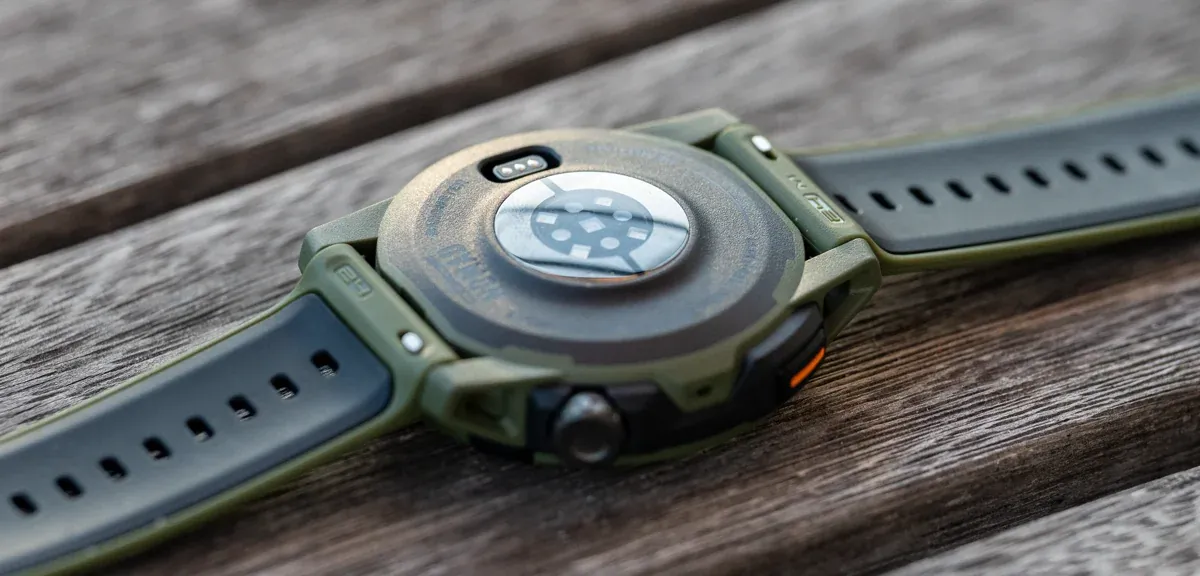
It’s more “here’s the data” than “here’s what to do.” I like that, because it doesn’t try to babysit your decisions.
Optical HR is solid for steady efforts, and like most wrist sensors it can wobble when intensity spikes or temps drop, and you don't wear it tightly enough.
That’s where the HR Monitor strap pairing earns its keep.
The adventure extras (and whether runners should care)
Fishing modes, tides/moon forecasts, drift alerts, catch logs… niche, obviously.
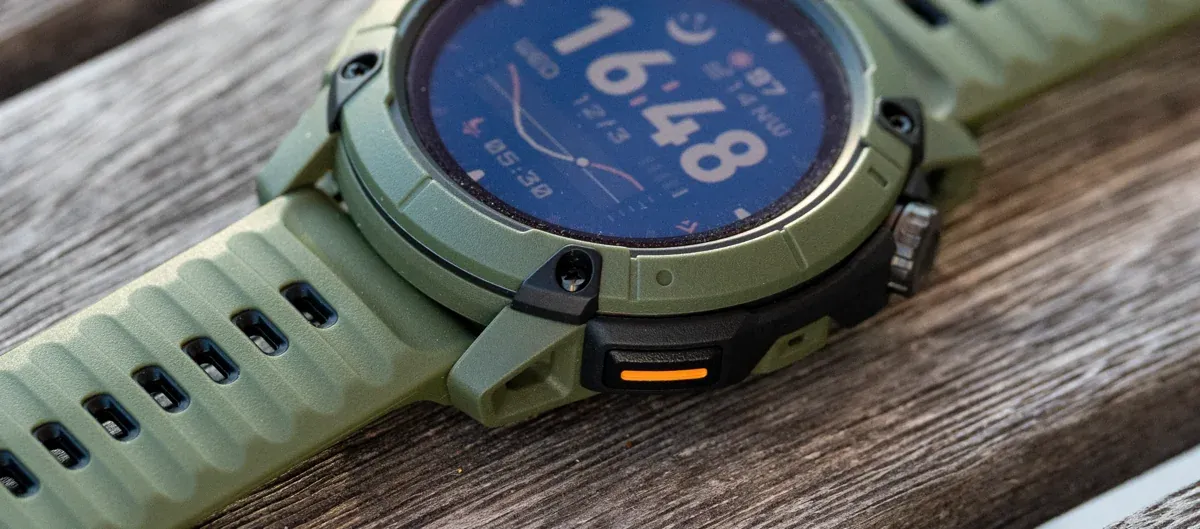
The more interesting one for runners is voice pins + the journal.
Dropping a quick geotagged note mid-run (trailhead, water stop, sketchy turn, “great sunrise spot”) is surprisingly useful if you explore a lot and don’t want to pull out your phone.
If you never hike, never explore, and never care to document routes or places, you’ll ignore most of this.
Smart features are where it stops short
This is where you’ll either shrug or bounce:
- no NFC payments
- no music streaming
- no app store
- MIP screen looks great outside, flatter indoors
- no built-in flashlight
It’s a tool-first watch, not a smartwatch replacement. If you want “smartwatch stuff”, go with an Apple Watch.
My verdict
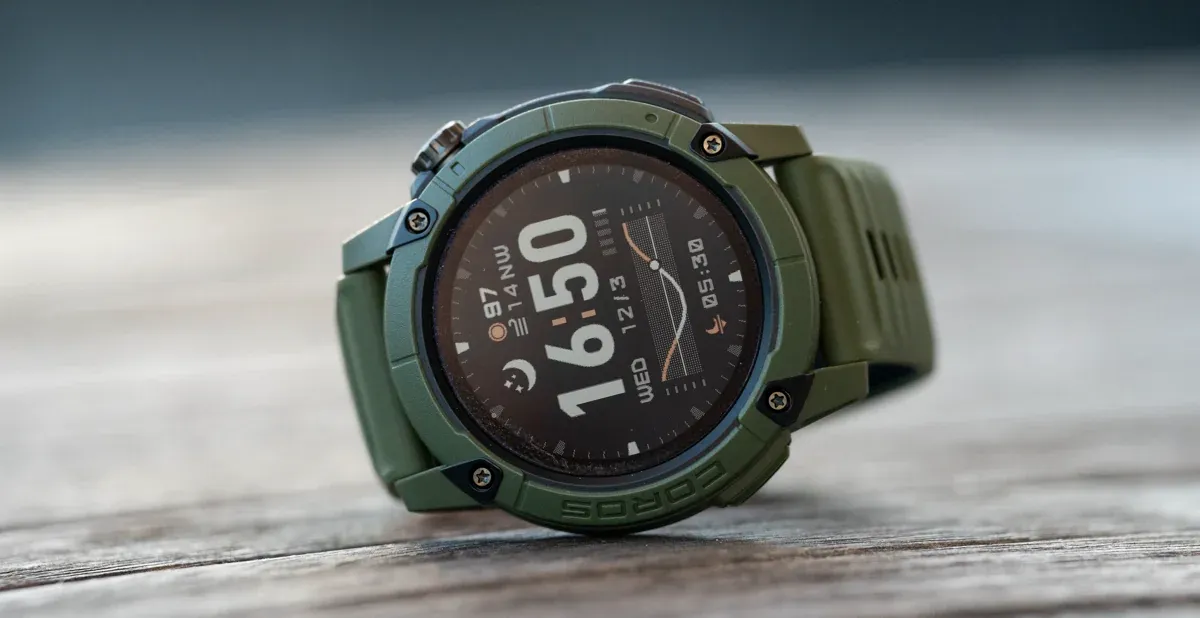
If your running week includes long routes, new trails, travel routes, or big days where maps + battery life matter most, the NOMAD watch makes a lot of sense.
Along with the APEX 4, it's my favorite trail runnign watch right now, and the price makes it super easy for me to recommend.
If your life is mostly short road runs and you want smartwatch convenience above everything, you’ll probably feel like you’re carrying extra watch for no real benefit.


