Zero drop vs low drop running shoes: which is right for you
What heel drop actually changes, why Altra added a 4mm line, and which side fits your running.

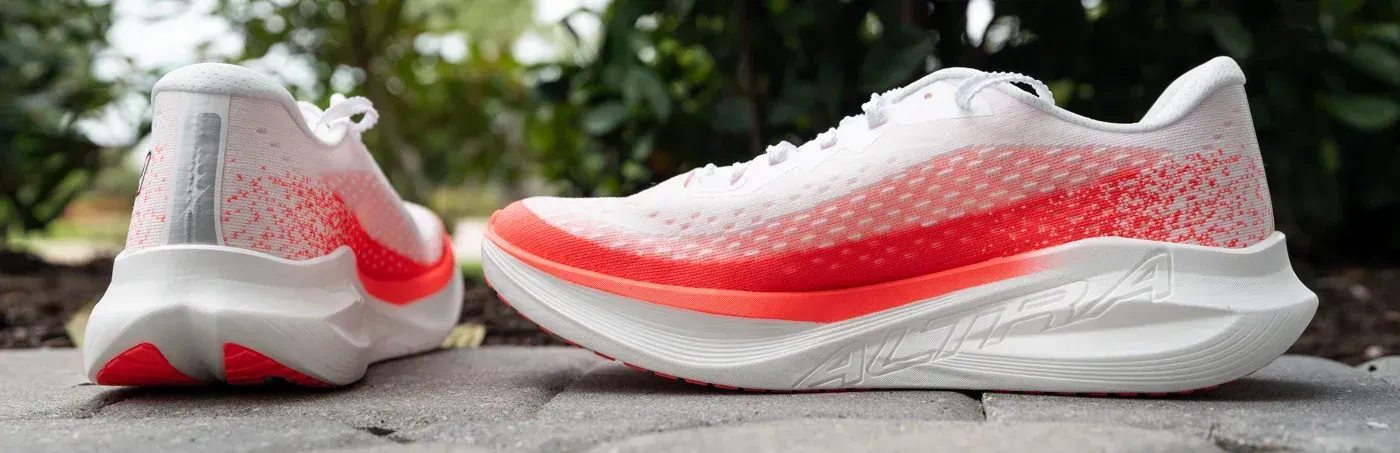
Zero drop used to be a simple pitch: your heel and forefoot sit at the same height, the way your foot stands barefoot.
Then Altra, the brand that built its whole identity on 0mm, started making 4mm shoes, and suddenly "low drop" and "zero drop" stopped meaning the same thing.
I've run in both camps for years, and the entire current 4mm Altra lineup has been through my regular testing rotation. This guide covers what the difference actually feels like, and which side you should buy.
The quick answer
Most runners coming from traditional 8 to 12mm shoes should start with low drop (around 4mm), not true zero. You keep the natural, flat-feeling ride with a gentler ask on your calves and Achilles.
True zero drop still makes sense if you already run comfortably in flat shoes, want maximum ground feel, or you've fully adapted and don't want to go back.
My tested 4mm picks are below, led by the Altra Experience Flow 3 for the road (use code TRAIL10 for 10% off your order at Altra).
Altra Experience Flow 3 review: the daily trainer to beat
Smooth, stable, and comfortable for easy miles and long runs, with a roomy toe box, naturally low drop, and an Achilles-friendly heel that disappears on the run.
 Alastair Dixon
What heel-to-toe drop actually is
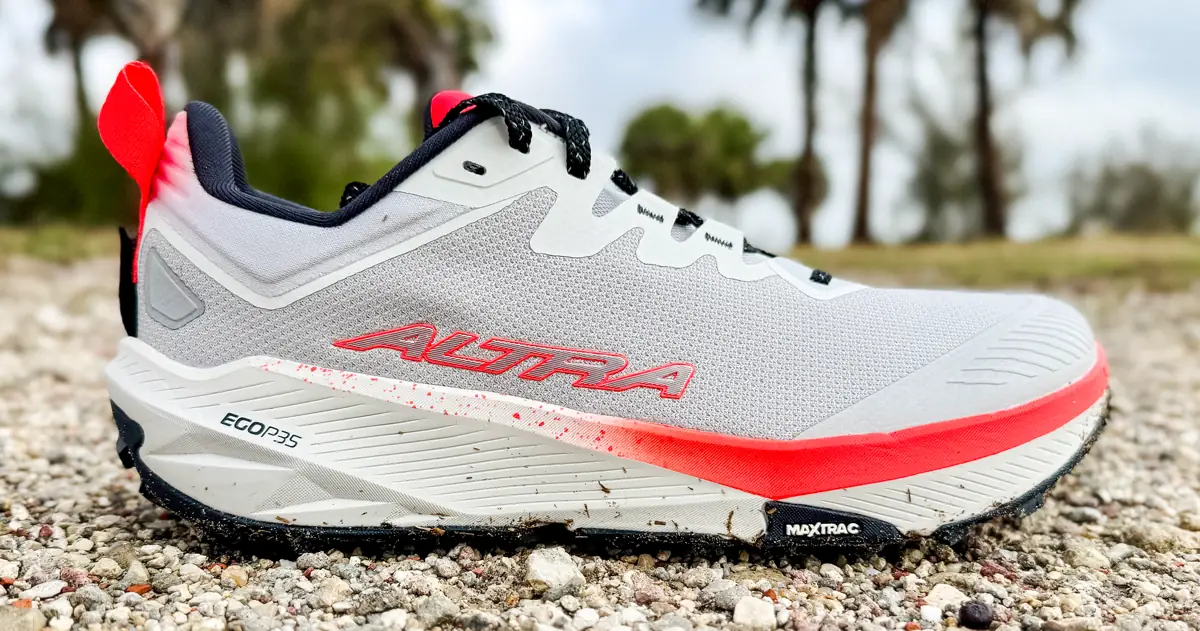
Drop is the height difference between the shoe's heel and forefoot. A 38mm heel over a 30mm forefoot is an 8mm drop; a zero drop shoe stacks both ends the same.
I cover the full spectrum, from high drop down, in running shoe drops, explained. This article settles the specific fork at the flat end of that scale.
Running Shoe Drops And Stack Heights Explained
This is how heel-to-toe differential and stack height can impact your running performance and comfort.
 Alastair Dixon
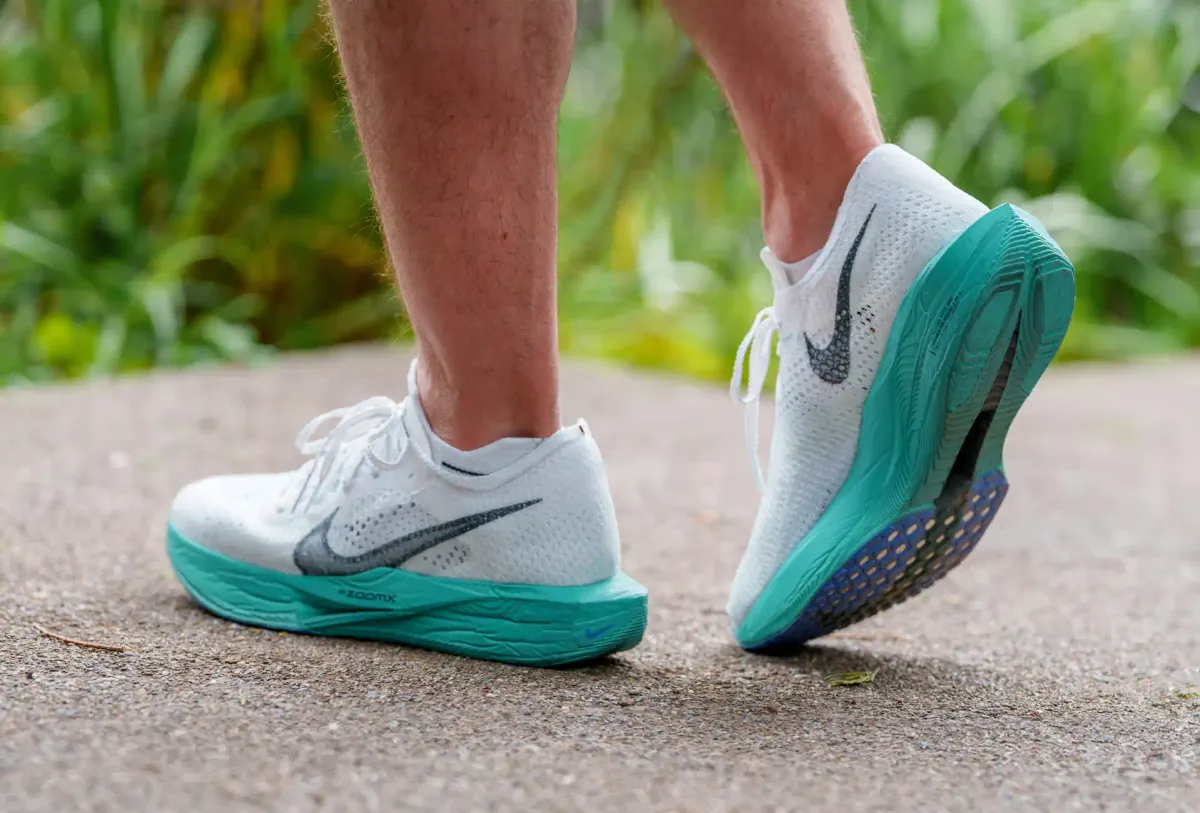
Drop says nothing about how much cushioning a shoe has. A zero drop shoe can be maximal or minimal underfoot, which is why "zero drop" and "barefoot" aren't the same conversation.
What zero drop means
Zero drop means 0mm of offset: heel and forefoot at the same height, a level platform that matches how your foot sits barefoot. Altra's classic lines (think Escalante, Torin, and Lone Peak) are built on it.
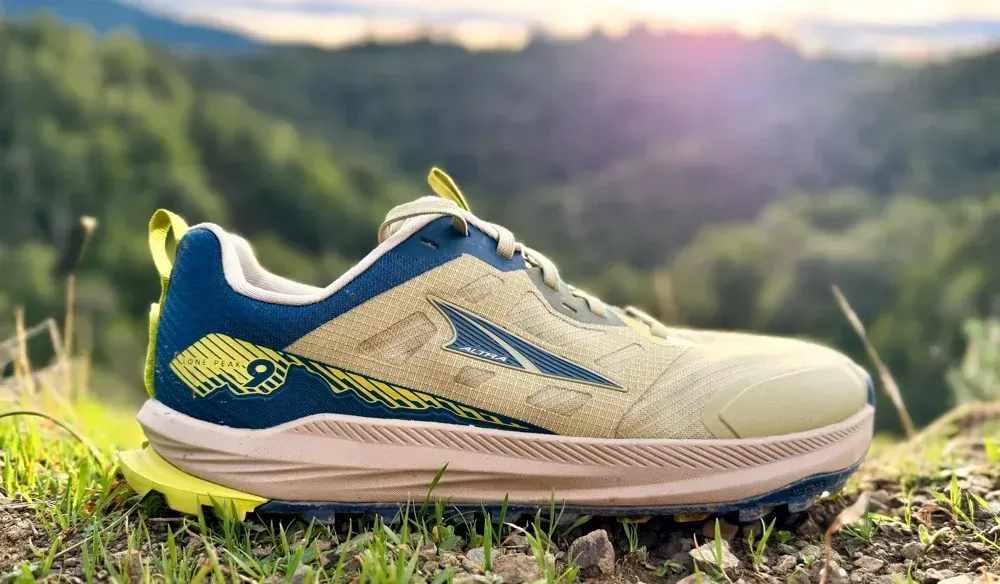
The case for it is positioning and posture: a level platform encourages a more natural strike and recruits your feet and lower legs the way flat ground does.
The cost is that it asks the most of your calves and Achilles. Lower drop shifts load down the chain, and 0mm is the far end of that scale.

What low drop means, and why Altra added a 4mm line
Low drop generally means somewhere between 1 and 6mm. It keeps the flat, natural character of zero drop while giving your lower legs a small break at the end of each stride.
That's exactly why Altra, after years of 0mm only, launched its first 4mm shoes and then built whole lines on that geometry.
The Experience series, the FWD VIA, and now even its race-day Vanish models. The brand's bet is that most runners want Altra's natural feel and roomy FootShape fit without the full commitment of zero drop.
Having tested that 4mm lineup top to bottom, I think the bet is right for most people.
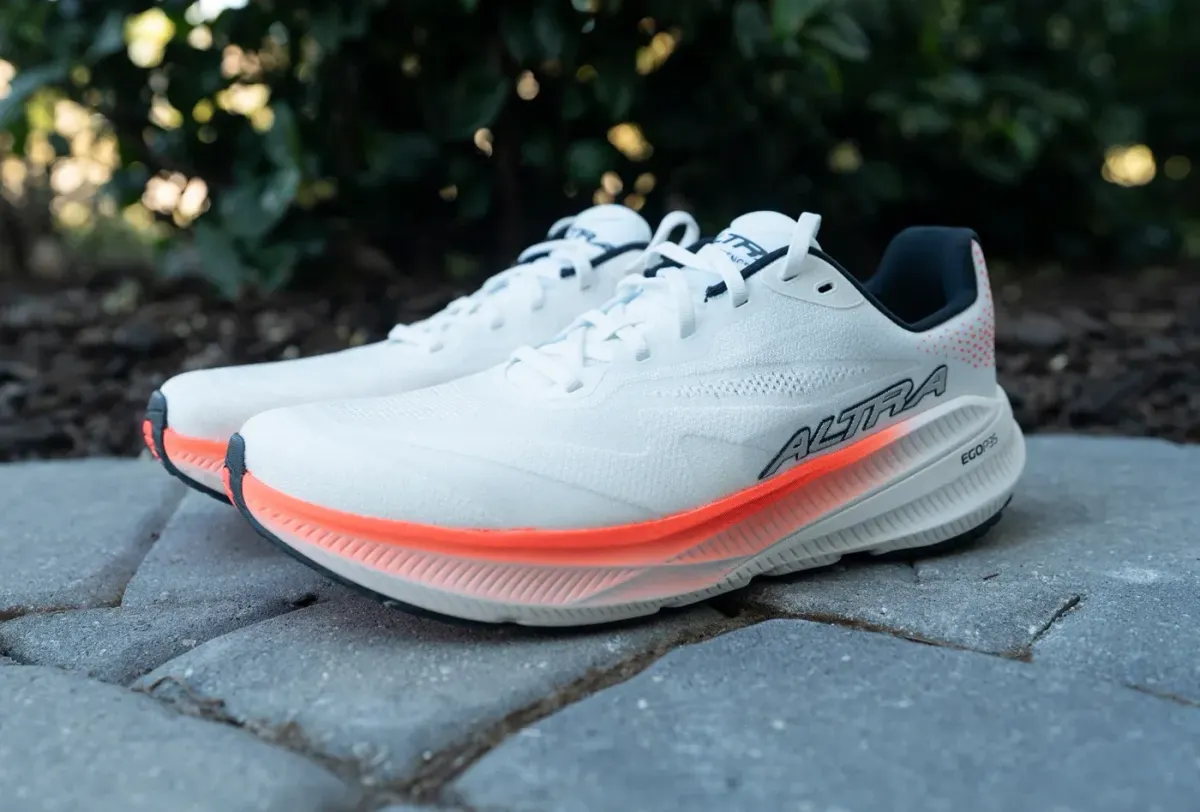
My Altra Experience Wild 3 review sums it up best; the 4mm drop keeps the natural Altra feel while avoiding the full commitment of a zero drop shoe.
The difference you'll actually feel
On the run, 4mm versus 0mm is subtle but real. In my testing of the Altra Vanish Tempo 2, the 4mm platform still runs a little more like a flatter zero-drop Altra, so the family resemblance is strong.
Where you notice the gap is late in long or hard runs, in your calves and Achilles.
Even at 4mm, runners with sensitive calves or Achilles can struggle on long hard days, which is exactly who I flag in my Altra Vanish Carbon 3 review. At 0mm that load is higher again.
The practical read is that drop is a dial for how much work your lower legs do. Each step down the scale (12mm to 8mm, 8mm to 4mm, 4mm to 0mm) hands more of the job to your calves, feet, and Achilles.
Which should you choose?
Choose low drop (around 4mm) if:
- You're coming from traditional 8 to 12mm trainers and want a more natural ride without a long adaptation period
- You've had calf or Achilles grumbles before and want a margin of safety
- You want modern cushioning, plates, and race-day options (the 4mm Altra lineup now covers all of it)
Choose zero drop (0mm) if:
- You already run comfortably in flat or minimal shoes
- You want the most natural foot position possible and are willing to adapt for it
- You've built the calf and Achilles capacity over months, not weeks
Still torn? Start at 4mm. You can always go flatter later, and the adaptation you build at 4mm transfers down.
My tested low drop picks
Every shoe here is a current 4mm Altra I've tested in my usual US men's size 9, with a full review on the site. Use code TRAIL10 for 10% off your order at Altra.
Road daily trainer: the Altra Experience Flow 3 ($145 at Altra) is the shoe I trust for the quiet, steady miles that build fitness. Full thoughts in my Experience Flow 3 review.
Altra Experience Flow 3 review: the daily trainer to beat
Smooth, stable, and comfortable for easy miles and long runs, with a roomy toe box, naturally low drop, and an Achilles-friendly heel that disappears on the run.
 Alastair Dixon
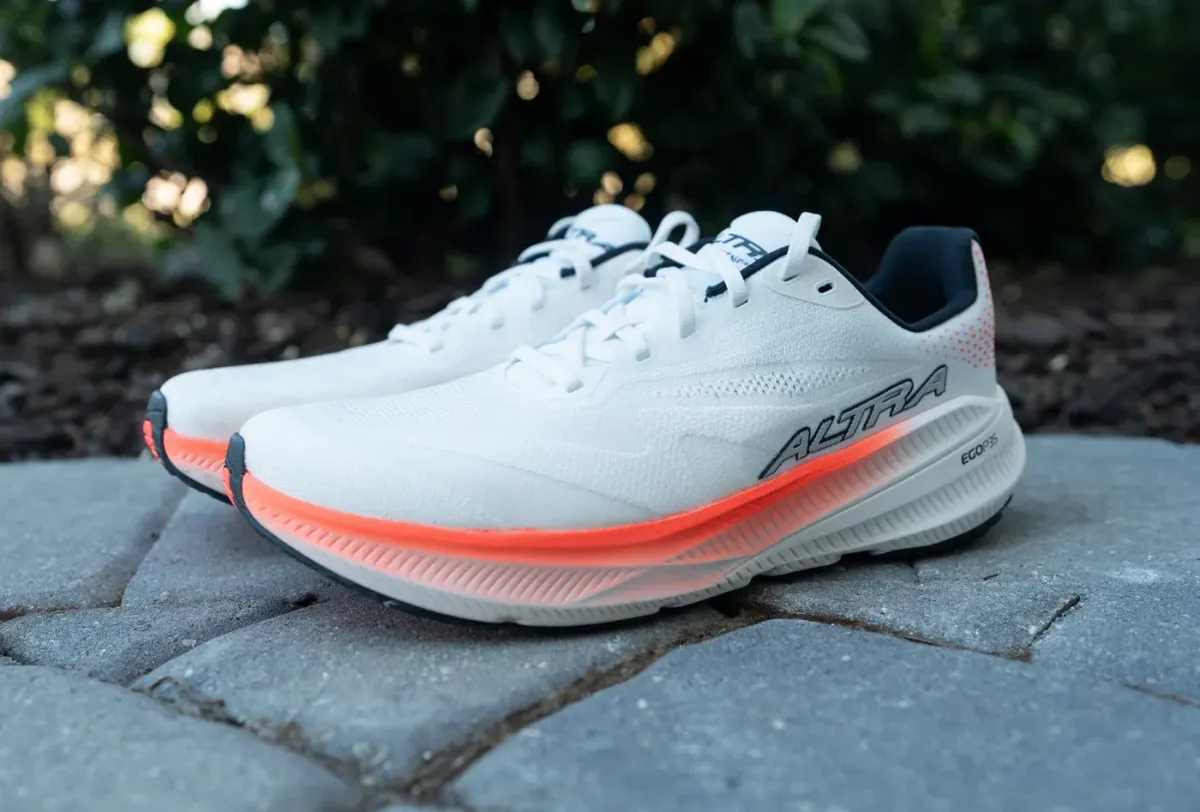
Cushioned cruiser: the Altra FWD VIA 2 ($165 at Altra) layers soft, stable EGO P35 foam under Altra's roomiest toe box. Here's my FWD VIA 2 review.
Altra FWD VIA 2 review: max comfort with a FootShape fit
A max-cushioned road shoe with smooth EGO P35 foam for daily miles, recovery runs, and marathon training comfort.
 Alastair Dixon
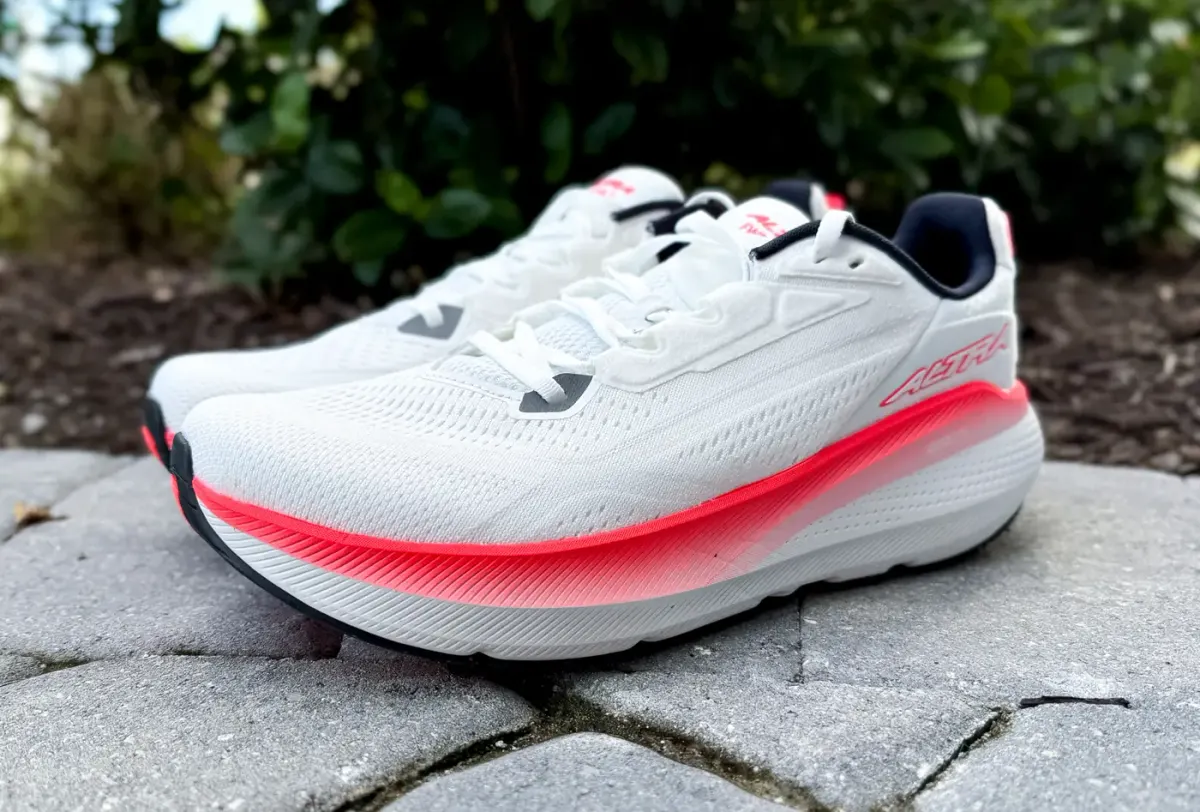
Trail: the Altra Experience Wild 3 ($150 at Altra) carries the same geometry onto light trails, ideal for road runners heading off-road. My Experience Wild 3 review has the terrain limits.
Altra Experience Wild 3 review: a smarter road-to-trail shoe upgrade
More lively than before, still brilliantly versatile, the Experience Wild 3 builds on everything that made this Altra hybrid so easy to recommend.
 Alastair Dixon
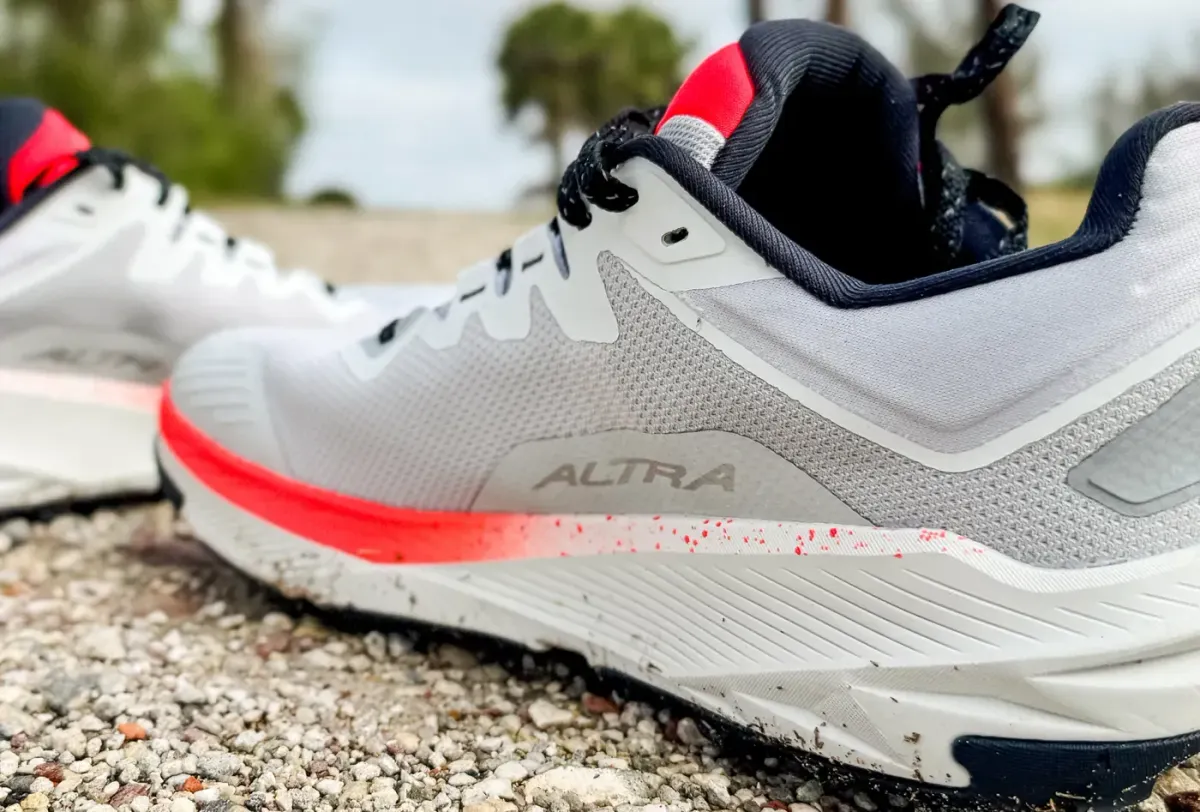
Tempo days: the Altra Vanish Tempo 2 ($200 at Altra) is the chill, flatter-feeling tempo option. Details in my Vanish Tempo 2 review.
Altra Vanish Tempo 2 Review: Chill Tempo, Not Race Fit
Dual supercritical foam and a split PEBAX plate promise propulsion. On my feet it's a comfortable, flat cruiser that makes you supply the speed, rather than the other way around.
 Alastair Dixon
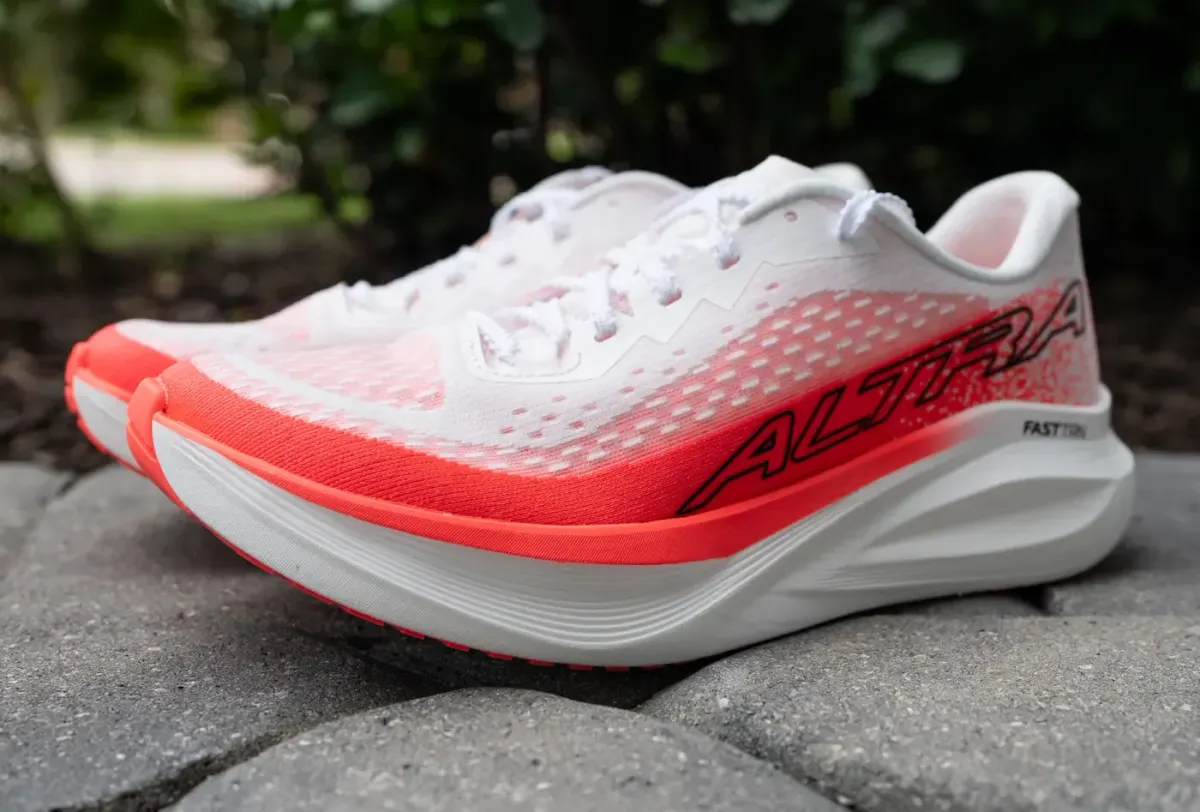
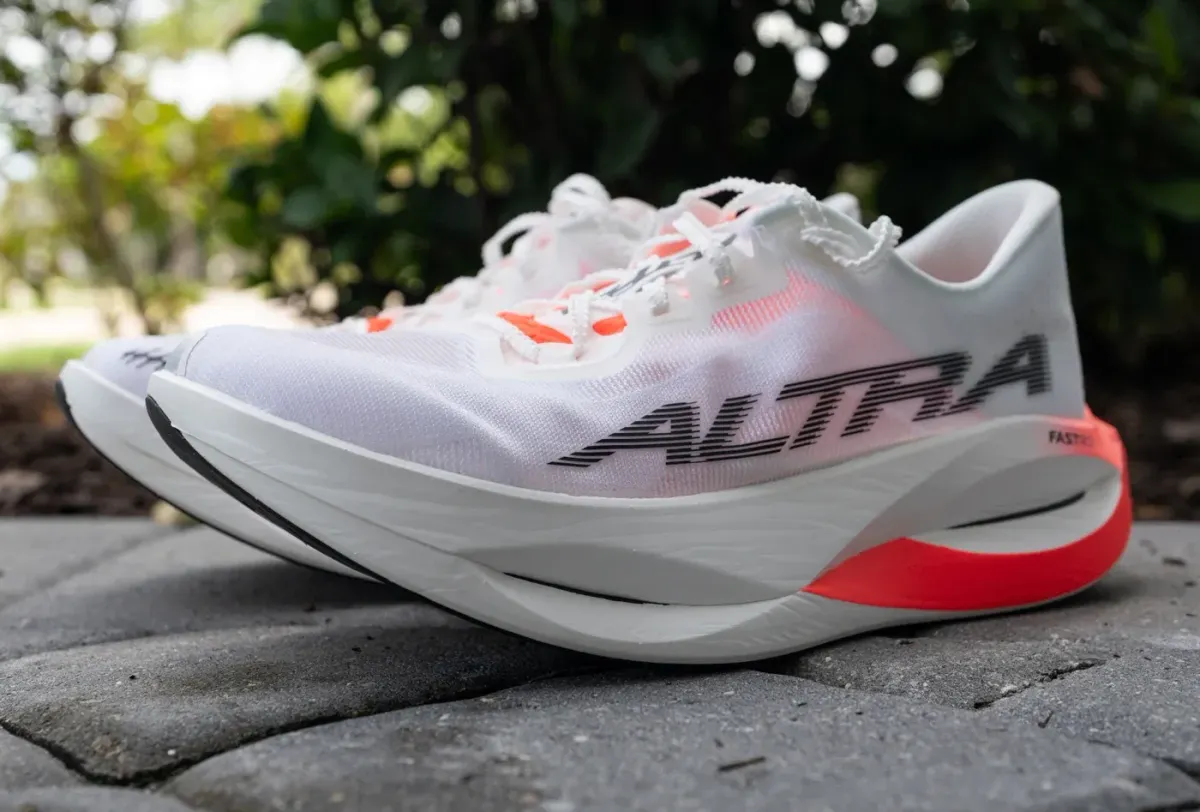
Race day: the Altra Vanish Carbon 3 ($240 at Altra) is the most stable racing shoe I've tested in a long time, and the brand's first non-zero-drop carbon racer. My Vanish Carbon 3 review covers who it suits.
Altra Vanish Carbon 3 Review: The Most Stable Super Shoe?
Classic Altra fit meets full PEBA and a split-toe carbon plate. The result is the most planted 40mm racer I've tested, and one of my easiest race day recommendations this year.
 Alastair Dixon
How to make the switch safely
Whichever side you pick, drop down gradually. Rotate the new shoe in for a couple of easy runs a week at first, and let your calves tell you when to add more.
Expect your lower legs to feel worked early on. That's adaptation, not injury, but soreness that sharpens or lingers is your cue to back off the volume in the flatter shoe.
Frequently asked questions
What is zero drop in running shoes?
Zero drop means the heel and forefoot sit at the same height, with 0mm of offset. It mimics how your foot sits on flat ground, and it's independent of how much cushioning the shoe has.
Are all Altra shoes zero drop?
Not anymore. Altra's classic models stay at 0mm, but the Experience line, the FWD VIA, and the current Vanish tempo and race shoes all run a 4mm drop.
Is zero drop better for running?
Neither side is better, they just load your body differently. Lower drop shifts work toward your calves, feet, and Achilles; higher drop shifts it up toward your knees and hips. The best drop is the one your body is adapted to.
How long does it take to adjust to a lower drop?
Give it weeks, not days, and longer if you're going all the way to 0mm. Ease the shoe in on short, easy runs first, and build volume as the calf soreness fades.
If you haven't already, signup for my free newsletter, and subscribe to my YouTube Channel for more content like this. 👉🏼 And for an inside look at what comes into my studio with unboxings, lace up reels, and short form reviews, follow me on Instagram, Facebook, and TikTok. -Alastair
Written by

Subscribe to new posts
reviews, training tips, and thoughtful stories for runners








Member discussion