
The North Face Summit Series VECTIV Pro 3 review
TNF's $290 flagship gets a dual-plate upgrade, more cushion, and a propulsive ride built for the long miles. Here's how it holds up where it counts.

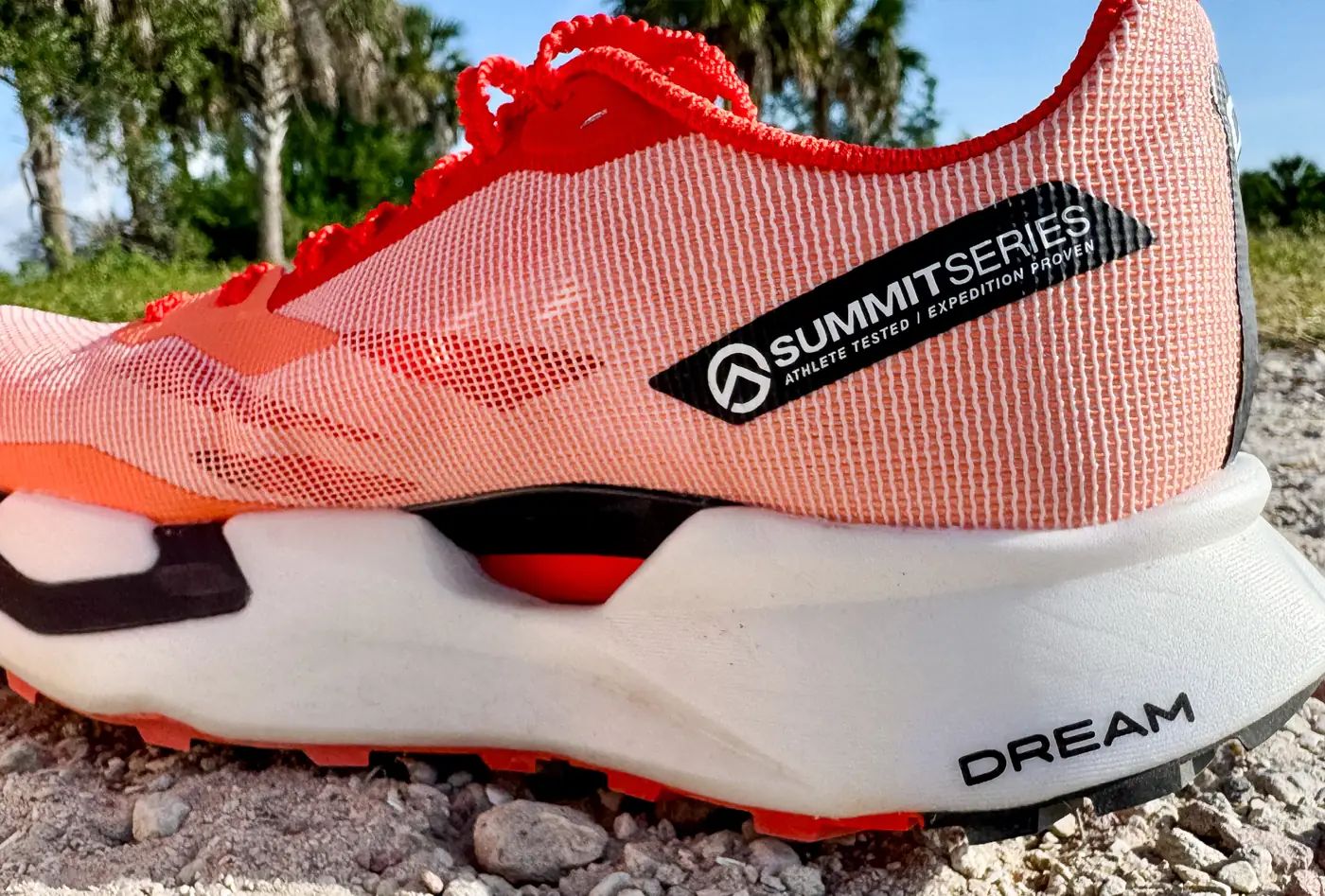
Some shoes try to be everything; the VECTIV Pro 3 isn't one of them.
The Pro 3 has been engineered with a clear and specific job: get you through long, runnable ultras with your legs intact and your pace honest. That focus is both its biggest strength and the reason some runners will want to look elsewhere.
This is The North Face's flagship ultra-racing shoe, and at $290 it's pitched directly at the runner spending real money for race-day performance over 50 kilometers.
It builds on the VECTIV Pro 2 with the new VECTIV 3.0 dual-plate system, more midsole stack, and a refined upper. After putting in miles across varied terrain, I've got a clear read on what this shoe does brilliantly, where it asks for compromise, and who should actually buy it.
If you purchase gear through links in this article, I may earn a small affiliate commission. For my training tools, exclusive content, newsletter, and more perks become a member, (it's free!). -Alastair ✌🏼
Key specifications
- Price: $290 at Zappos
- Weight: 10.7 oz / 303 g (US men's size 9, my scale)
- Drop: 6 mm
- Stack height: 37 mm heel (TNF official spec)
- Upper: Seamless engineered mesh with internal skeletal support frame, integrated tongue wings, water-repellent and quick-drying
- Midsole: DREAM nitrogen-infused TPU foam (PEBA/EVA compound) with secondary DREAM foam insert; aggressively rockered geometry
- Outsole: SURFACE CTRL rubber, 3.5 mm chevron-style lugs, 10% rubber from regenerative agroforestry sources
- Extra attributes: VECTIV 3.0 dual-plate system, full-length carbon-fiber propulsion plate (lower) paired with recycled carbon-fiber wishbone stability plate (upper); +4 mm midsole over the Pro 2
The Best Running Shoe Finder 2026
Answer 5 quick questions and get matched to the best running shoe for your training style, ride preference, and foot shape.
 Alastair Dixon
Sizing and fit
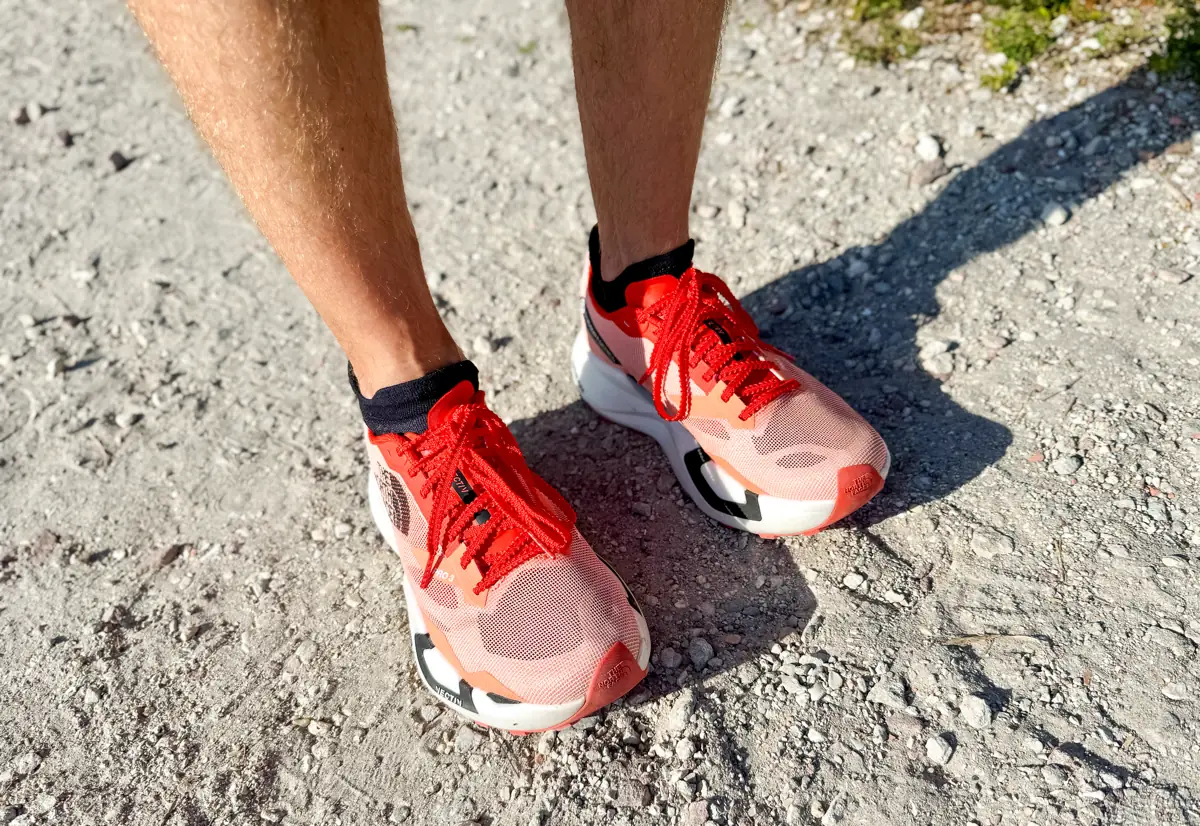
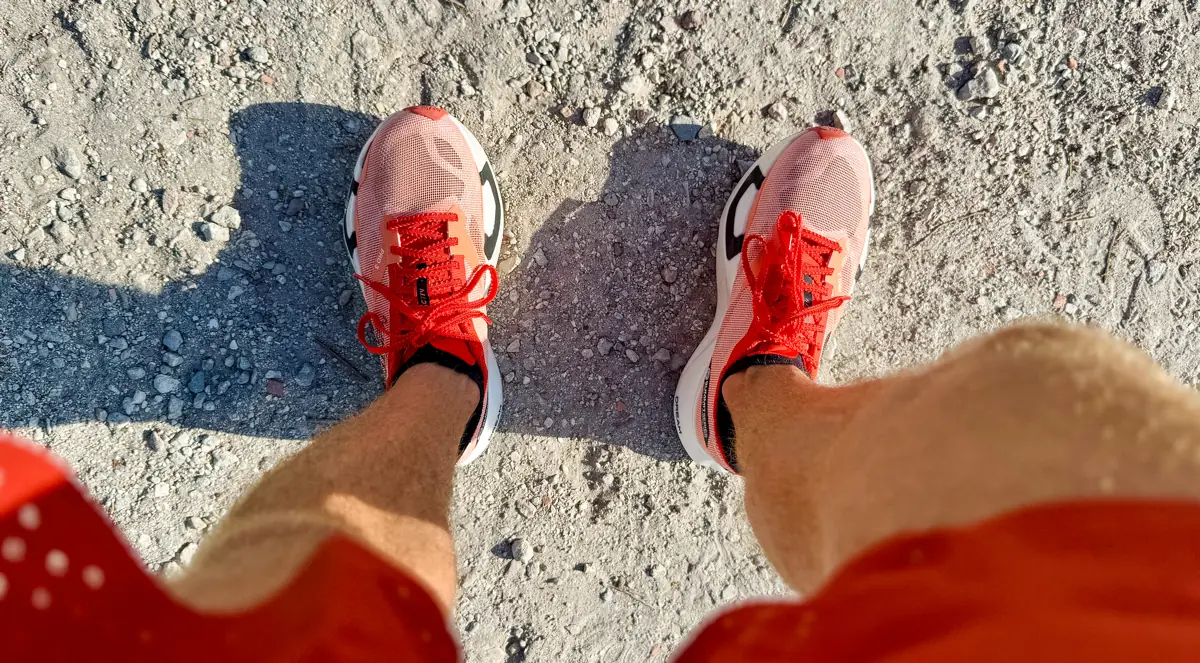
The Vectiv Pro 3 runs true to size for me. The forefoot has a good amount of room in there, which is great to see, though it does taper somewhat as it heads toward the toes.
Heel and midfoot lockdown is excellent thanks to the gusseted tongue, internal skeletal frame, and serrated laces.
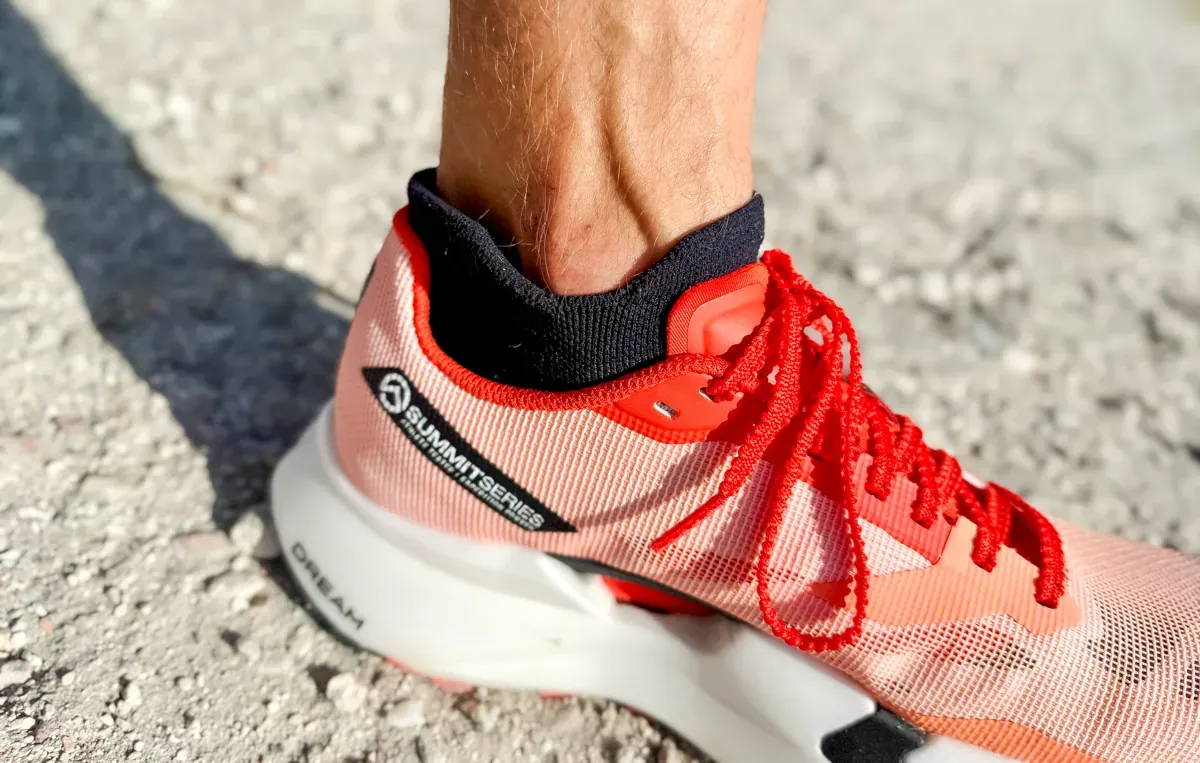
The unisex sizing works well; women should follow TNF's chart conversion.
A small but worth-flagging detail is that the laces are long. Tuck or double-knot them and move on. The padded heel collar takes a run or two to fully soften, but I haven't had any heel slippage issues.
Performance review
This is the section that matters most, because the Pro 3's identity lives or dies on how it actually rides over real distance. Here's what I've found.
A propulsive, rockered ride that earns its keep over long miles
The dual-plate VECTIV 3.0 system is the centerpiece of this shoe, and it works.
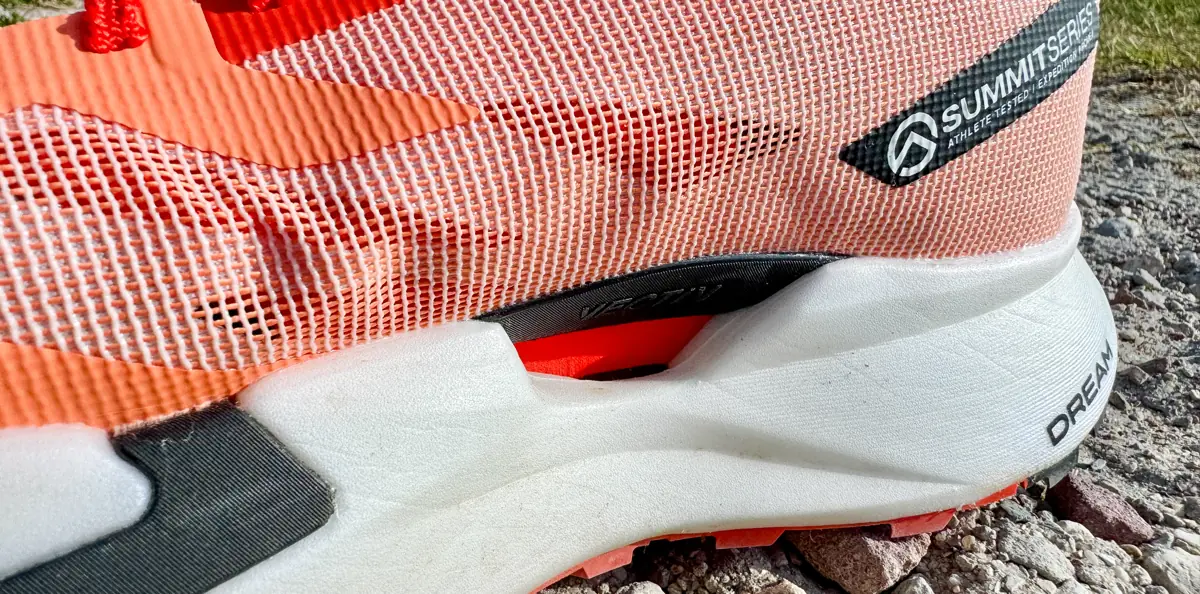
The full-length carbon plate sits below the foam doing the propulsion work, while the wishbone-shaped stability plate sits above it managing the geometry of how your foot loads and rolls forward.
Combined with the aggressive rocker, the result is a ride that genuinely drives you forward with every step.
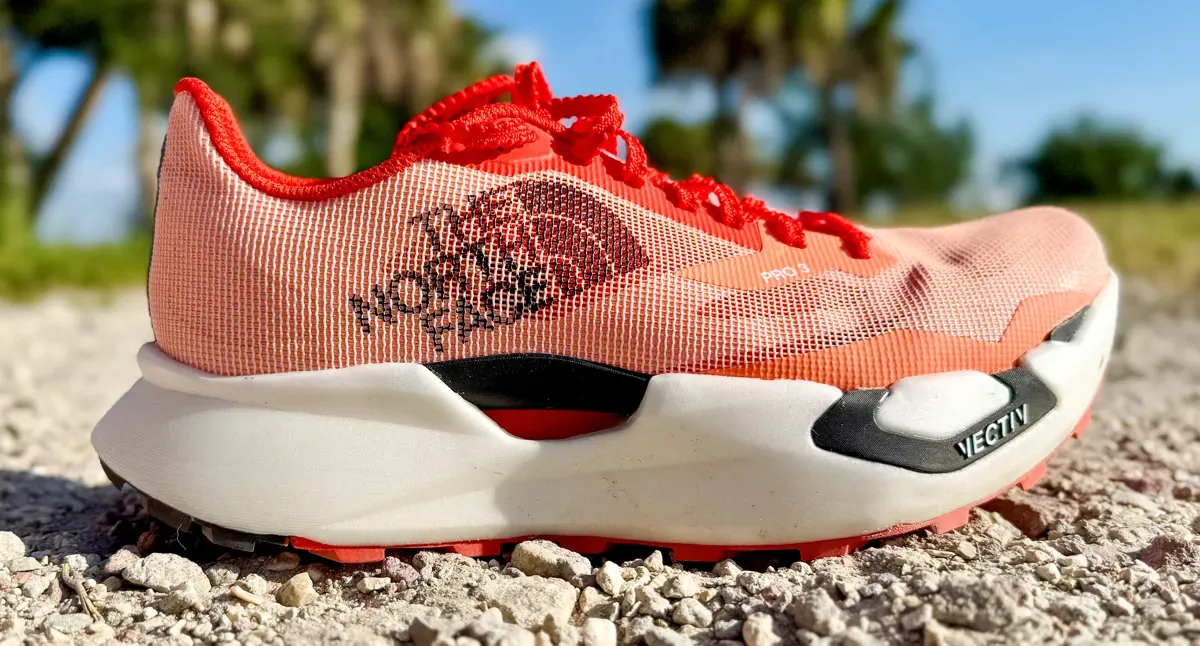
What surprised me most is how much it reminds me of the On Cloudultra Pro — bouncy and energetic, but controlled and efficient rather than chaotic.
It's that combination of pop and predictability that makes a long-effort shoe really click. On flats, gentle rollers, and downhills, the toe-off feels snappy and the rocker keeps everything moving without you having to muscle it.
This is the kind of ride that pays compounding dividends over distance. The first 10 miles feel fun. The thirty-fifth mile is where you start really appreciating what's happening underfoot.
Cushioning that protects without going dead
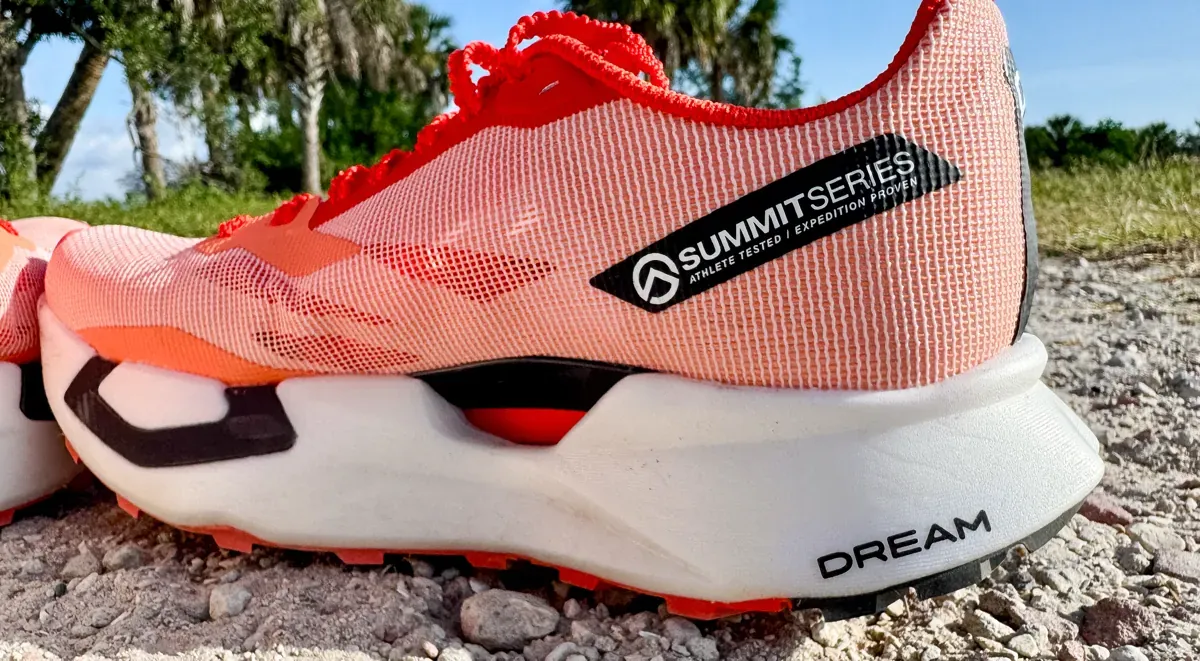
The DREAM foam sits in a useful Goldilocks zone: bouncy enough to feel lively, protective enough to take the edge off late-race pounding.
With the +4 mm of stack over the Pro 2, there will be a noticeable bump in long-distance comfort. The foam paired with the dual plates means impacts are absorbed without bottoming out, which is exactly what you want when fatigue starts amplifying every footstrike.
Stability that punches above its stack height
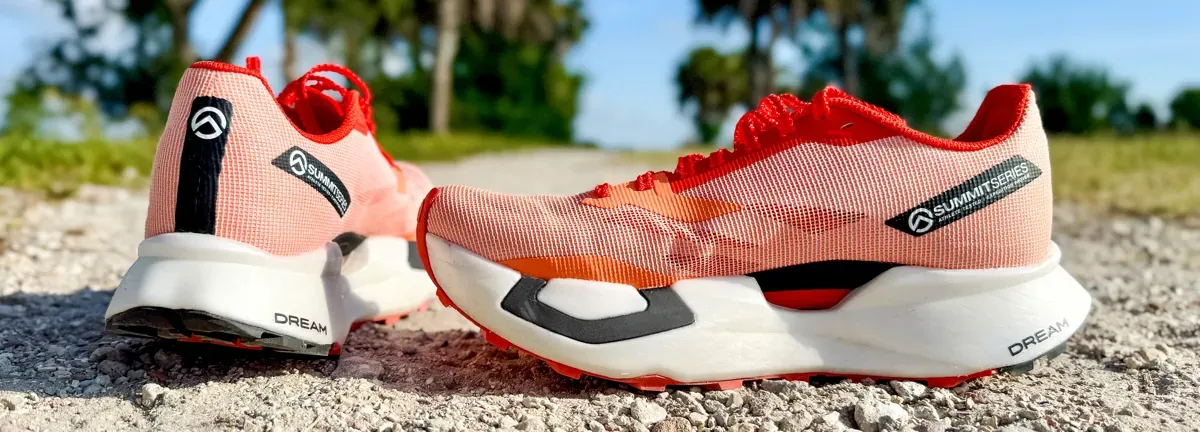
For a shoe carrying 37 mm of stack, the Pro 3 feels remarkably planted. The wide base and the wishbone stability plate work together to create what I'd describe as a "governed" feel.
There's a kind of lane-assist effect — it lets you run naturally but quietly resists the side-to-side instability that plagues a lot of high-stack racers.
It's not a technical shoe, but on uneven and moderately rocky sections it holds its line confidently. I've found it more stable than the Hoka Tecton X3 (and much better overall), which is a meaningful comparison in this category.
If you've been hesitant about supershoe stacks for trail use because of tipping concerns, the Pro 3 has done some real engineering work to address that.
Upper and breathability
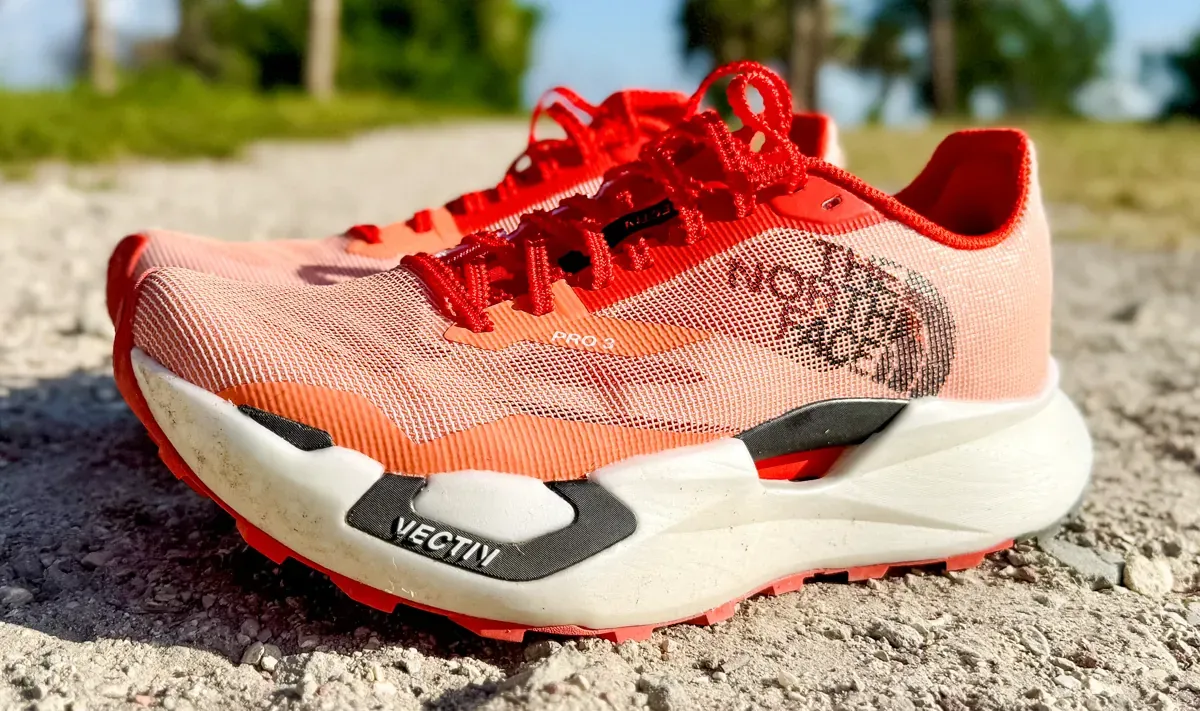
The upper is genuinely one of my favorite things about this shoe. It's super breathable, dries fast after creek crossings, and the lockdown is locked-in without being hot or restrictive.
The integrated tongue stays where it should and the internal skeletal frame adds real structure without weight or heat penalty.
It feels a touch stiff and plasticky for the first run or two before it relaxes, but the upside is that it holds its shape across long miles. It will recover quickly from soakings, which matters more than you'd think on multi-hour efforts.
Versatility — and the toe bumper note worth knowing
Here's where I want to be precise about the Pro 3's character. This is a specialized shoe. On smooth singletrack, gravel, dirt, and rolling moderate terrain it sings.
On steep, technical, rooty, or muddy terrain, the high stack, stiff plate, and shallow lug combination starts to feel less agile and more deliberate. You'll need to place your feet more consciously, and slower paces don't suit the rocker as well as faster ones do.
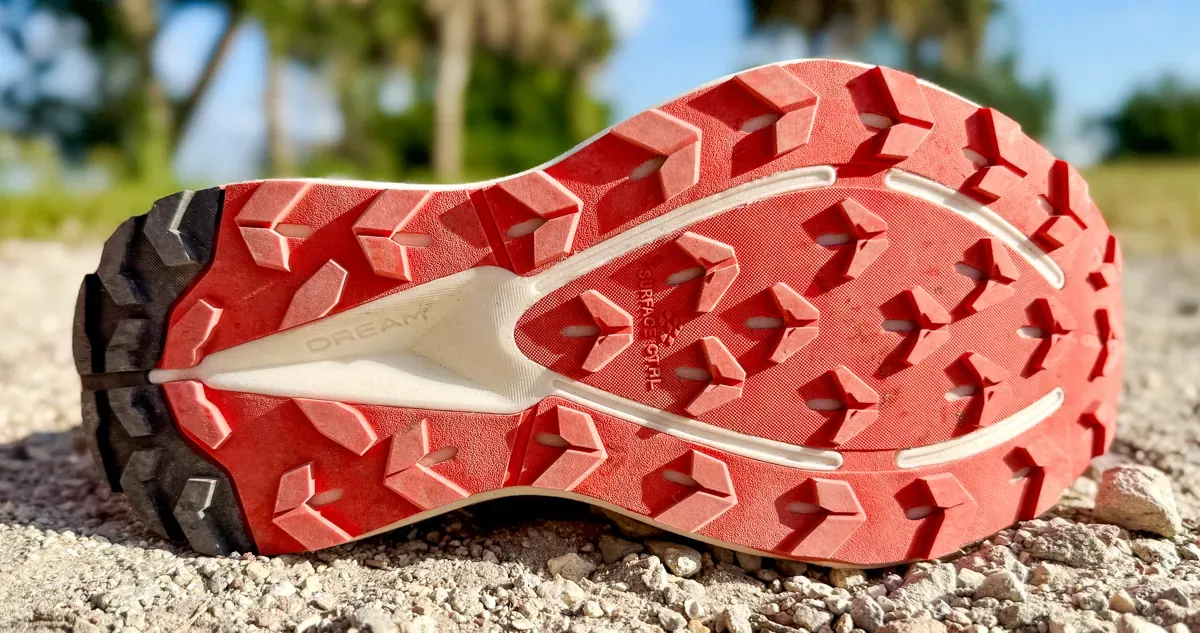
Traction from the SURFACE CTRL rubber and 3.5 mm lugs is good for dry and mixed surfaces and the durability is impressive with minimal wear so far in my testing. But it's not in the same class as Vibram Megagrip when conditions get genuinely soft or slick.
One specific personal note worth highlighting is that on steep declines where my toes slide a little forward to the front of the shoe, the inside of the toe bumper can feel quite solid where the outsole wraps around the big-toe area.
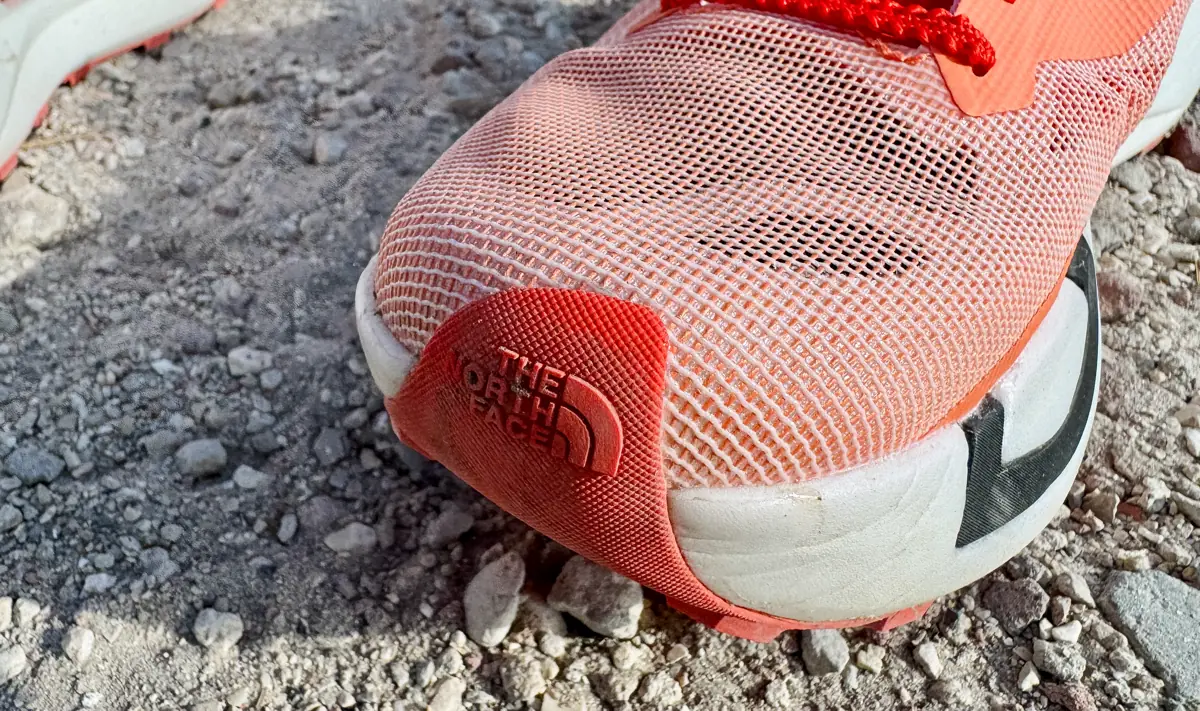
It's not a deal-breaker for most runs, but it's noticeable enough in those specific descent conditions and worth being aware of depending on your foot shape, midfoot lockdown, and how you run downhill.
Weight and the racing context
At 10.7 oz in my size 9, the Pro 3 isn't particularly lightweight for a racer but it does offer dual plate propulsion and protection, adn plenty of cushioning.
For long efforts where protection matters more than gram-counting, it's a fair trade. For shorter, faster trail races where you'd want something more nimble, it's not the right tool, and in which case you should look at the Vectiv Sky series instead.
The Best All-Mountain Trail Running Shoes, Right Now
The do-it-all workhorses built for everything from mellow fire roads to technical mountain trails, and even ultra running adventures.
Alastair Dixon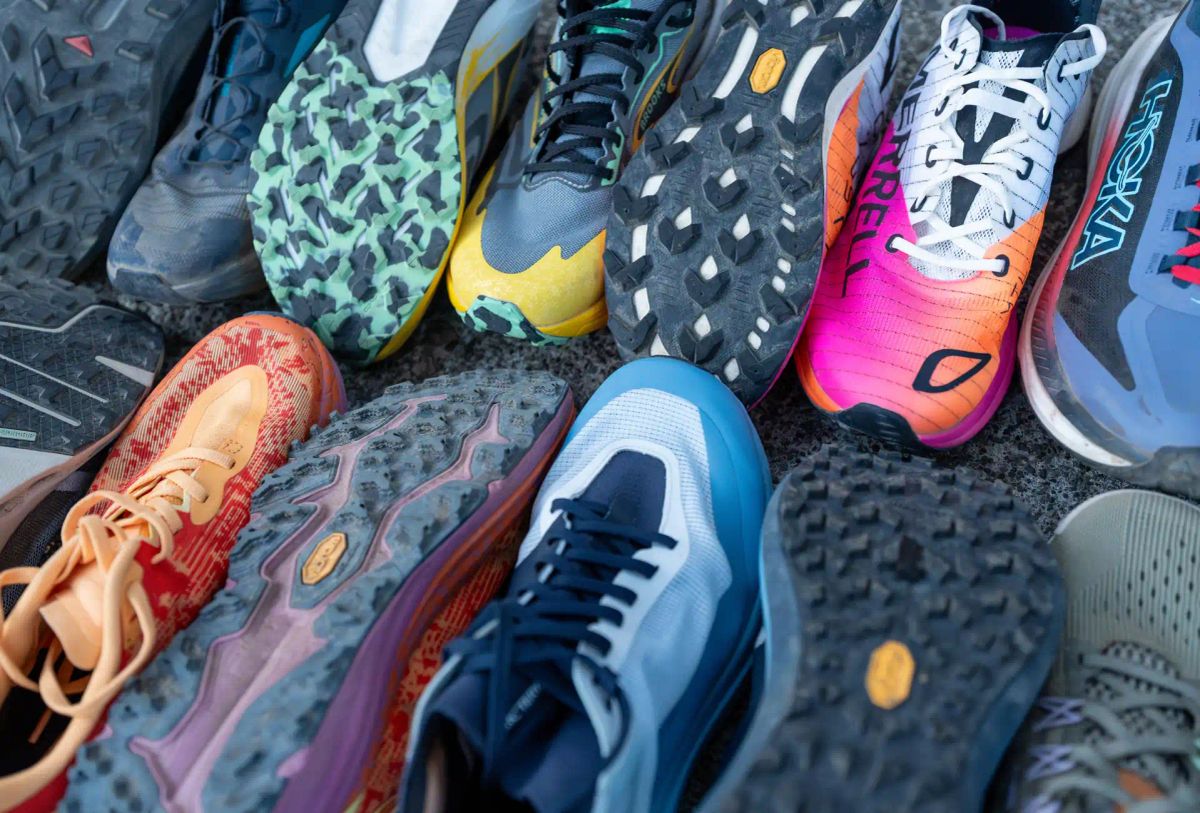
My verdict
The VECTIV Pro 3 is a serious ultra-racing shoe that delivers exactly what it promises for the runner it's built for.
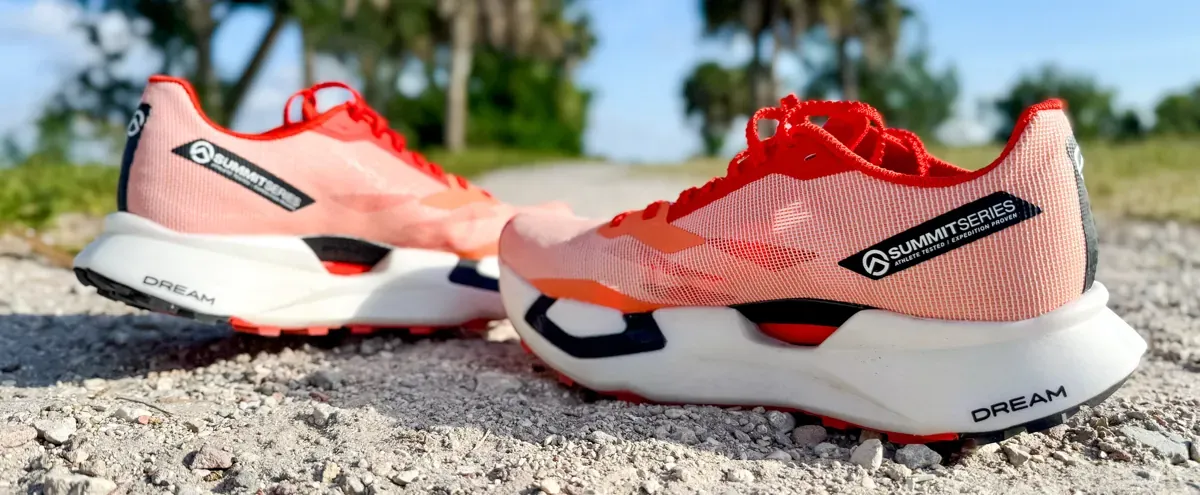
The dual-plate VECTIV 3.0 ride is propulsive and efficient in a way that genuinely pays off over long miles, the upper is among the best in this category for breathability and lockdown, and the stability is better than the stack height suggests. Elite athletes are podiuming in these for good reason.
But it's worth being clear-eyed about what you're buying here; this is a $290 specialist shoe.
It rewards smooth-to-moderate terrain at racing efforts. It's not a daily trainer, it's not a technical shoe, and if your races are steep, muddy, or rooty, there are better tools for the job. The toe bumper feel on steep descents is also a real consideration for some foot shapes.
If you're a competitive ultra runner racing on rolling singletrack, gravel, or mixed dirt and you want maximum cushion paired with a propulsive, controlled ride that holds up late in an ultra; this is one of the best shoes you can buy right now.
It earns its premium for that specific runner but for everyone else, it's a more complicated value proposition.
If you haven't already, signup for my free newsletter, and subscribe to my YouTube Channel for more content like this. -Alastair
Written by

Subscribe to new posts
reviews, training tips, and thoughtful stories for runners








Member discussion