
Salomon Genesis 2 vs S/Lab Genesis 2: which one should you buy?

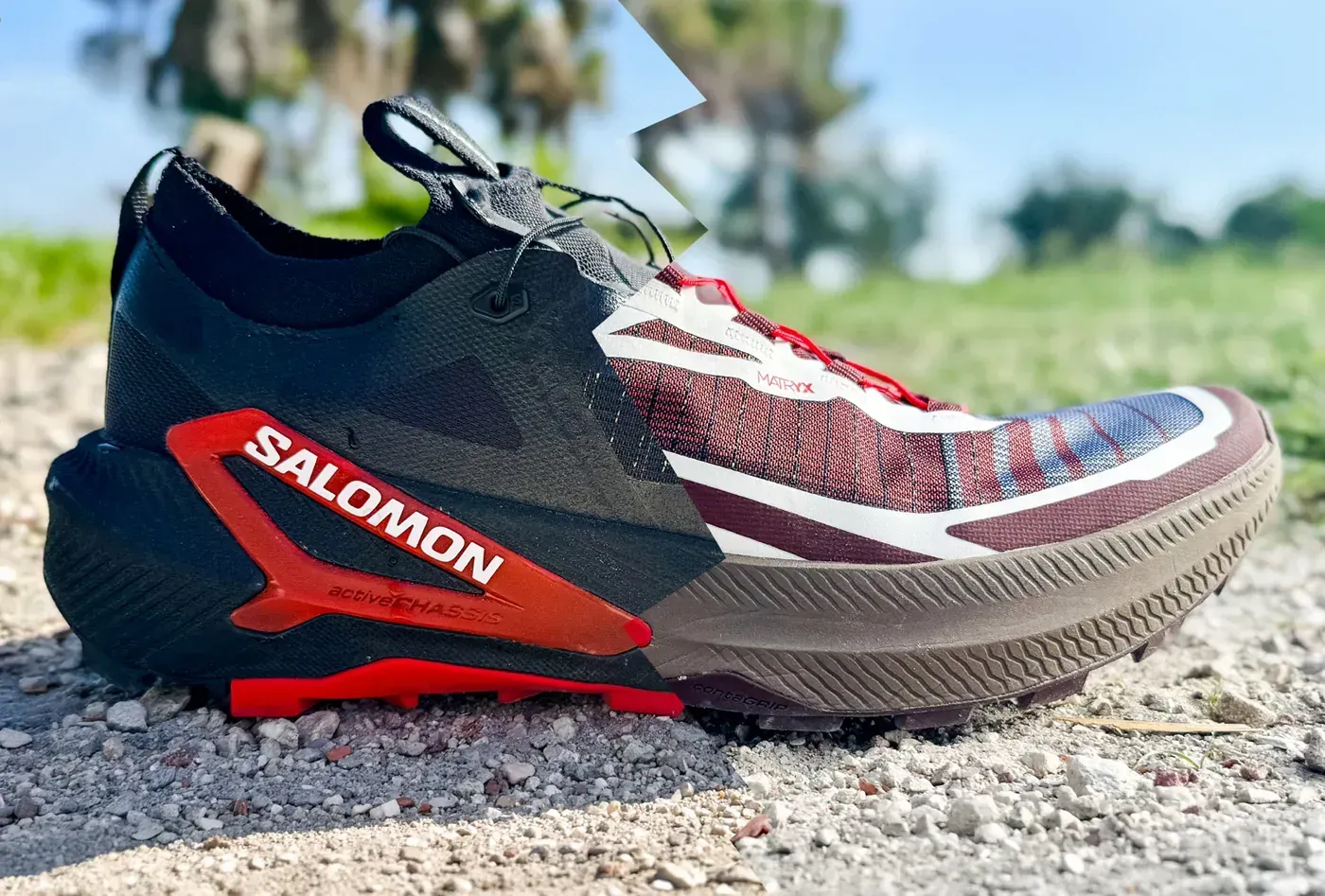
If you're eyeing a technical all-mountain trail running shoe right now, the Salomon Genesis 2 vs S/Lab Genesis 2 question is likely one you've asked yourself, and you're probably wondering if the S/Lab version is worth $50 more?
I've been testing both on the trails, and the answer is satisfyingly clear once you know what each one is actually for. These are siblings with the same design philosophy executed at two different intensities.
I've published full reviews of both the Salomon Genesis 2 and the Salomon S/Lab Genesis 2 (and also video versions on my Youtube channel), so read/watch them for a full in-depth, unbiased look at either one. Here's the head-to-head, in about five minutes.
If you purchase gear through links in this article, I may earn a small affiliate commission. For my training tools, exclusive content, newsletter, and more perks become a member, (it's free!). -Alastair ✌🏼
The quick answer
If you want one hugely capable technical trail shoe for training, long days, and ultras, get the Genesis 2. At $150 it's one of the best value propositions in technical all-mountain shoes, and its roomier fit works for far more feet.
If you race technical terrain, or precision matters more to you than anything else, get the S/Lab Genesis 2. It's a full ounce lighter, lower to the ground, livelier underfoot, and wrapped in more protection. The original carried me through Speedgoat by UTMB; this one is better.
The honest filter before anything else is that if you have wider feet, the S/Lab's precise fit rules itself out, and the Genesis 2 becomes the answer by default.
Side by side: my measured numbers
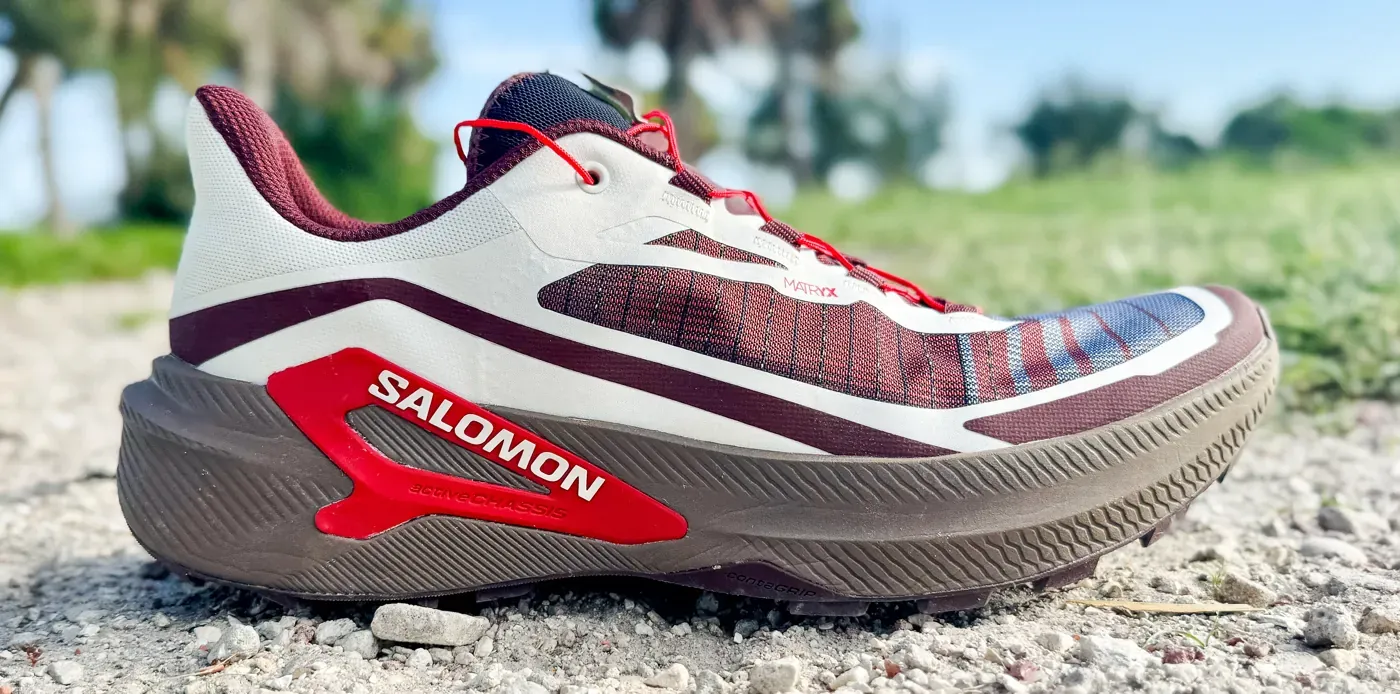
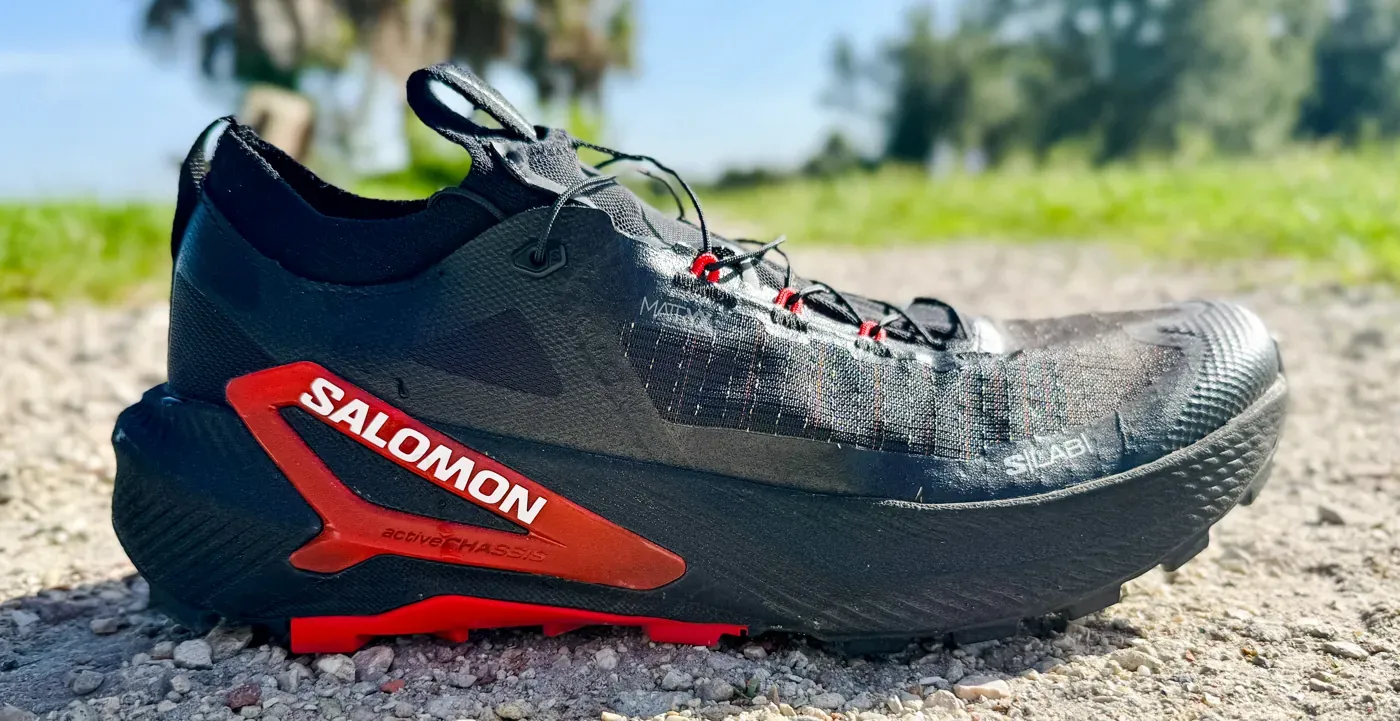
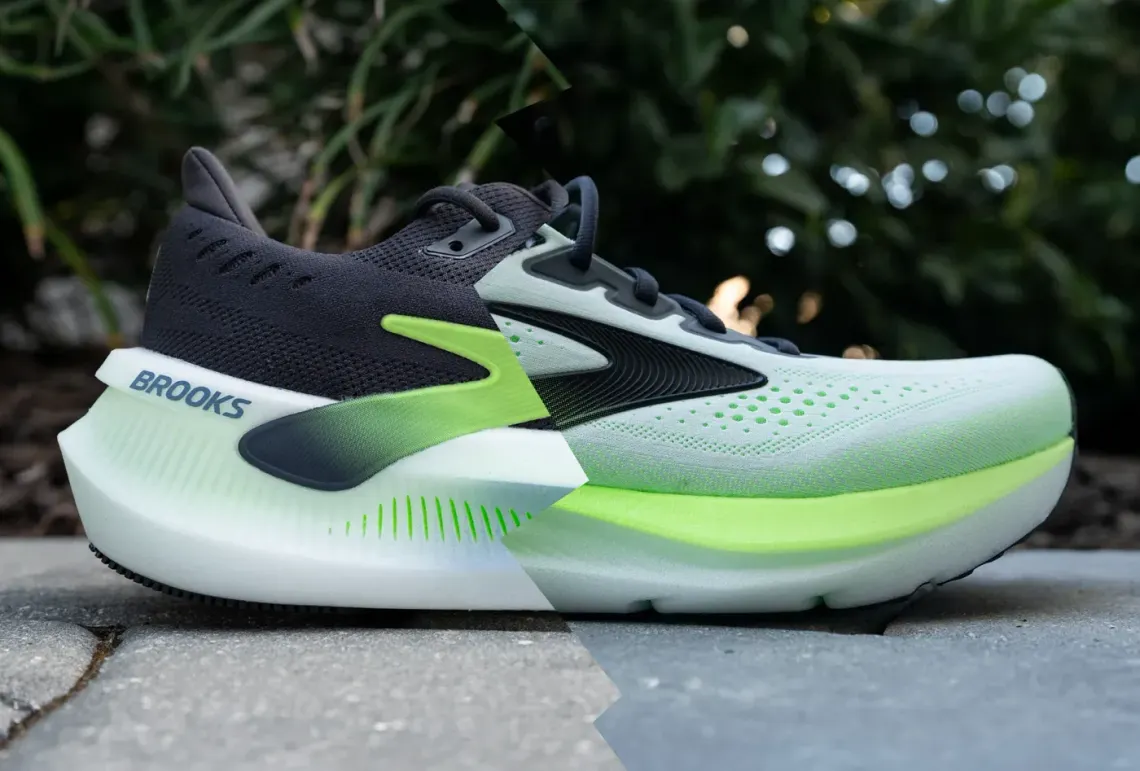
Genesis 2 (left), S/Lab Genesis 2 (right)
| Genesis 2 | S/Lab Genesis 2 | |
|---|---|---|
| Price | $150 | $200 |
| Weight (my pair, US M9) | 10.3 oz (292g) | 9.3 oz (264g) |
| Drop | 8mm | 6mm |
| Stack height | 34mm / 26mm | 31mm / 25mm |
| Midsole | optiFOAM EVA, integrated activeCHASSIS | Dual-density optiFOAM², reengineered activeCHASSIS |
| Outsole | All-Terrain contaGRIP, 4mm lugs | All-Terrain Contagrip, 4.5mm lugs, revised geometry |
| Upper | Matryx with Kevlar yarns | Matryx Micro, coated Kevlar fibers, integrated gaiter |
| Fit | True to size, medium, roomier toe box | True to size, medium, precise and snug |
Both use Salomon's quickLACE with a lace garage and the endoFit inner sleeve.
Salomon Genesis 2 review: the do-it-all trail shoe, refined
I’ve been testing the Genesis 2 on local trails; it’s livelier, still stable/controlled, and only $150: here’s how it improves on the original Genesis.
 Alastair Dixon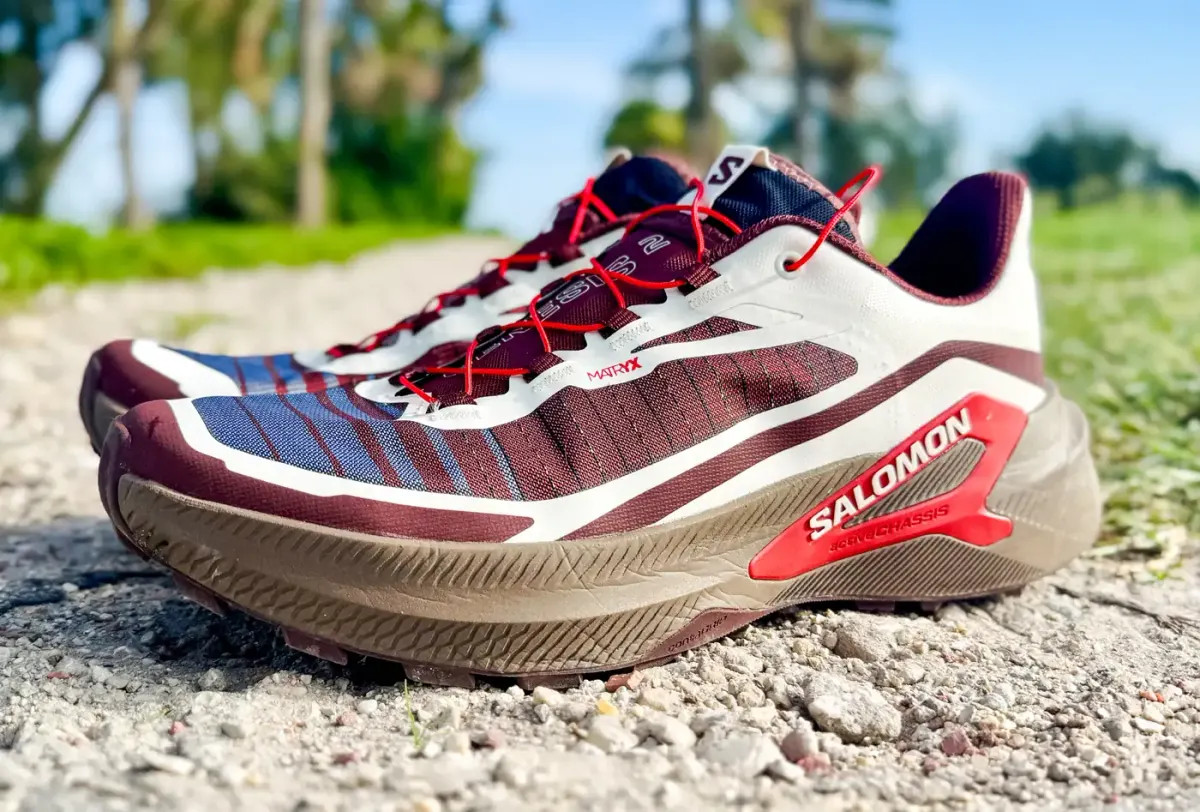
Salomon S/Lab Genesis 2 review: my technical trail favorite, refined
Same precise, low-stack control that carried me through Speedgoat by UTMB, now with more pop, better stability, and improved durability.
 Alastair Dixon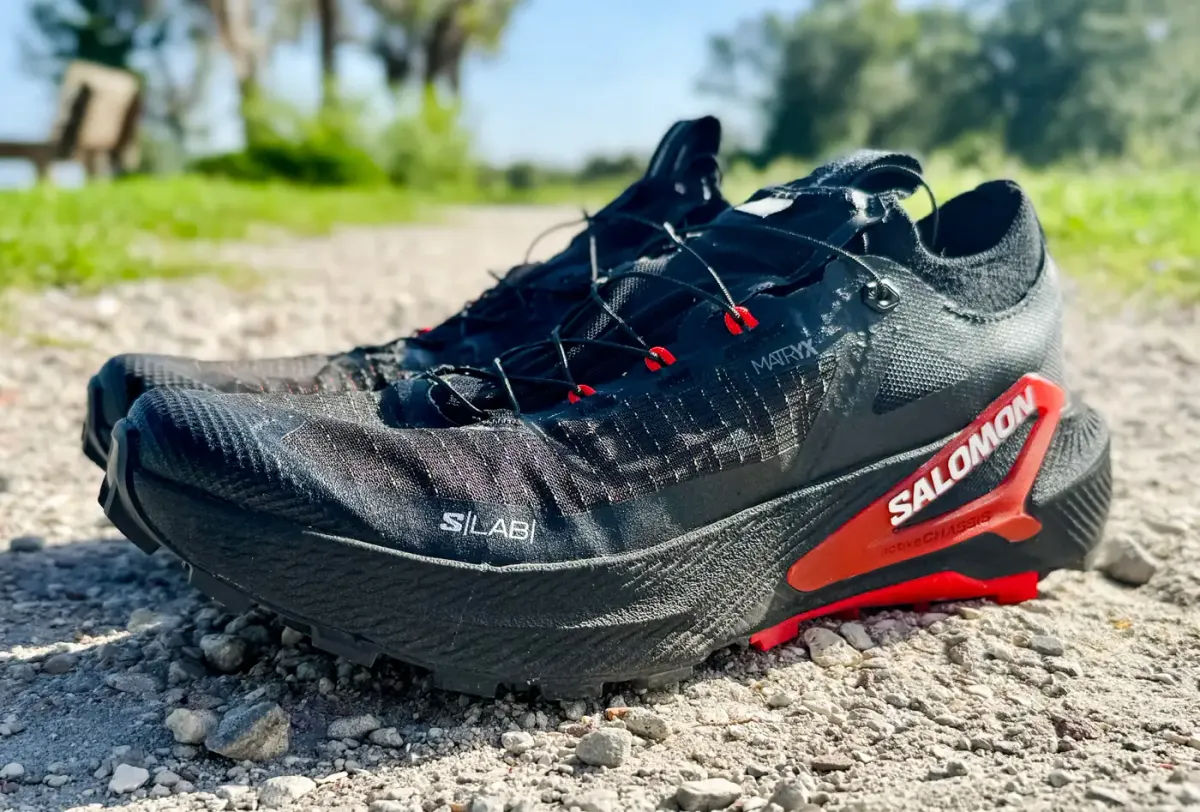
Same DNA, two executions
Everything that defines the Genesis line is present in both shoes: an chassis-guided, controllable ride that holds a planted, stable feel through technical sections, aggressive contaGRIP traction, and a hard-wearing Matryx build with the one-pull lacing I never stop appreciating.
Neither is a soft shoe underfoot, and that's deliberate.
Both keep the stack moderate so you feel the trail and react to it, rather than floating above the terrain you're trying to read. If maximum soft cushioning is what you're after, neither is your Salomon; that's the Salomon Ultra Glide 4.
Salomon Ultra Glide 4 review: max cushion that still feels in control on real trails
Relieve Sphere smooths out rocky miles, contaGRIP stays trustworthy, and the updated upper keeps long runs feeling comfortable.
 Alastair Dixon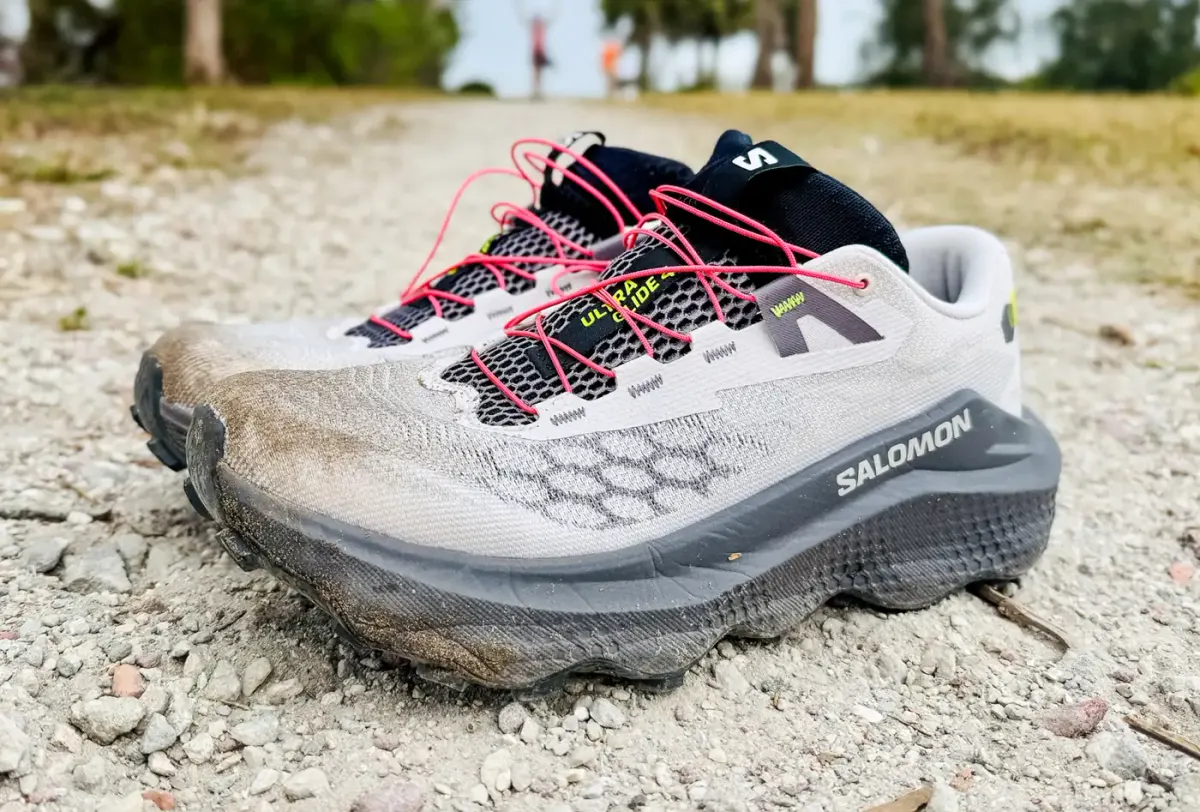
So the choice isn't between two philosophies; it's between two intensities of the same one.
The ride: steadier vs livelier
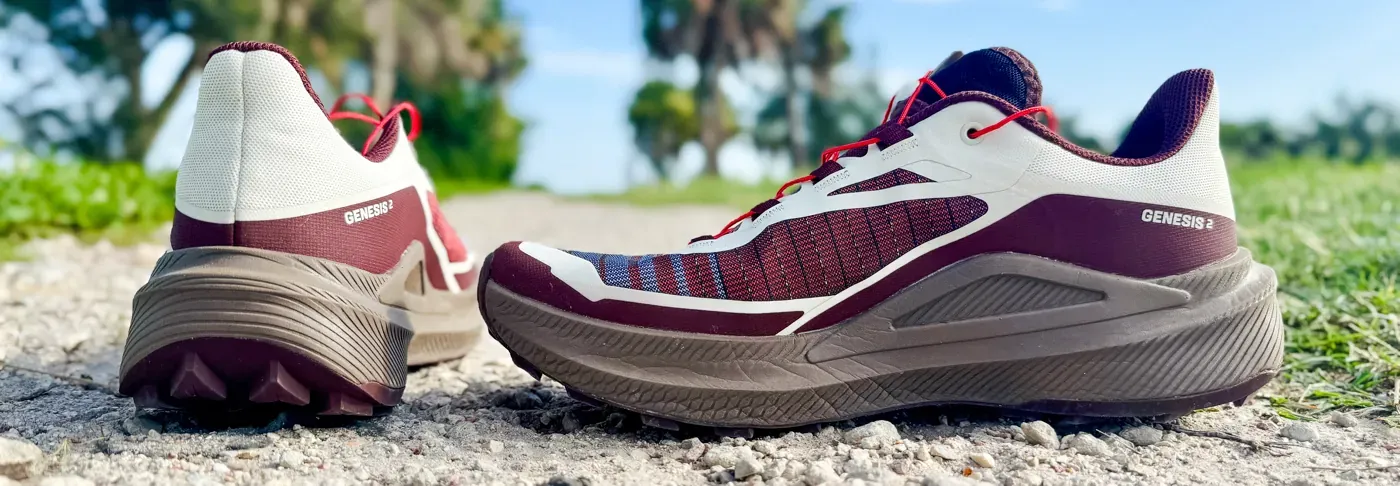
The Genesis 2 sits on a 34/26mm platform at an 8mm drop with updated optiFOAM.
The ride is firm, balanced, and responsive; protective enough to take the sting out of sharp rocks and remain stable, never soft or vague, with smooth chassis-driven transitions. It's the more forgiving of the two over a long day.
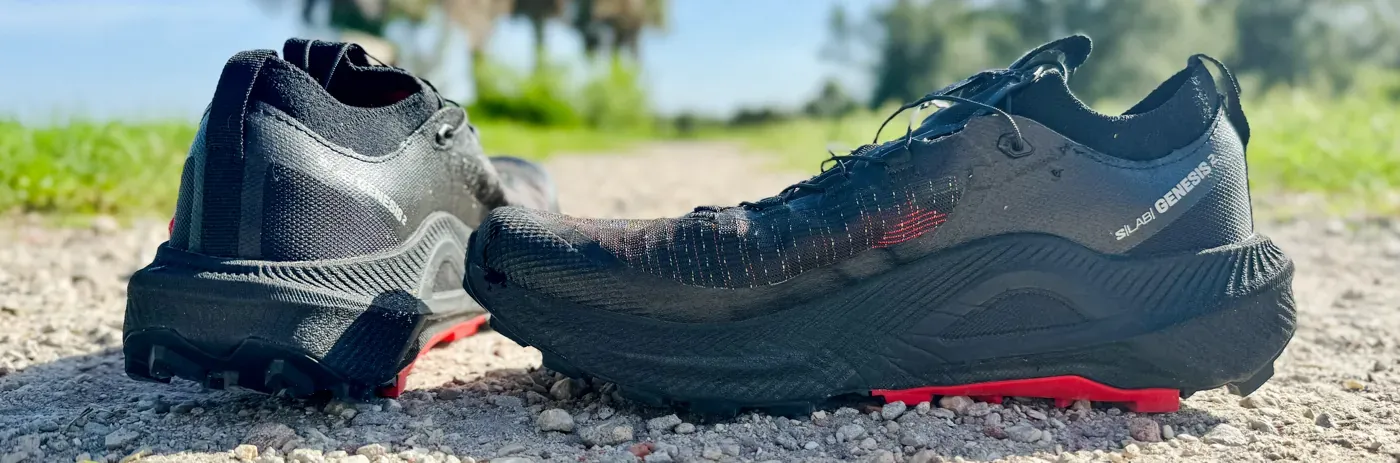
The S/Lab drops to 31/25mm at 6mm and swaps in dual-density optiFOAM², and the difference is immediate.
There's noticeably more energy return, the foam compresses smoothly and recovers quickly, and transitions feel more fluid when you're moving fast over uneven ground; it's still a minimal shoe though.
It's also built to resist packing out, which matters on a $200 shoe you want to last a full mountain season.
Include the full ounce of weight the S/Lab saves, and the character split is clear: the Genesis 2 is composed and steady, the S/Lab is precise and quick.
Fit is the honest tiebreaker
Before the money question, this one settles the decision for a lot of people.
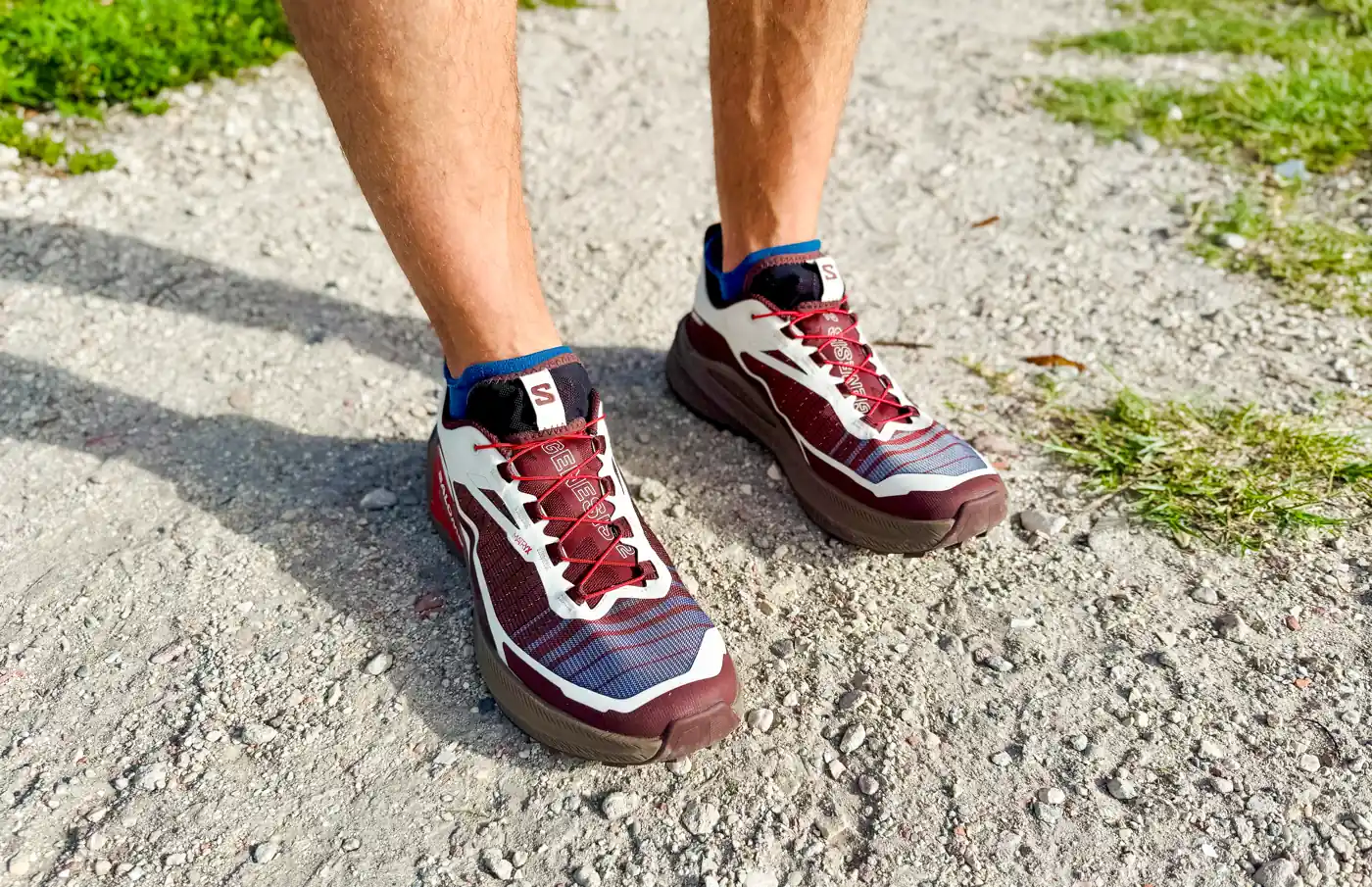
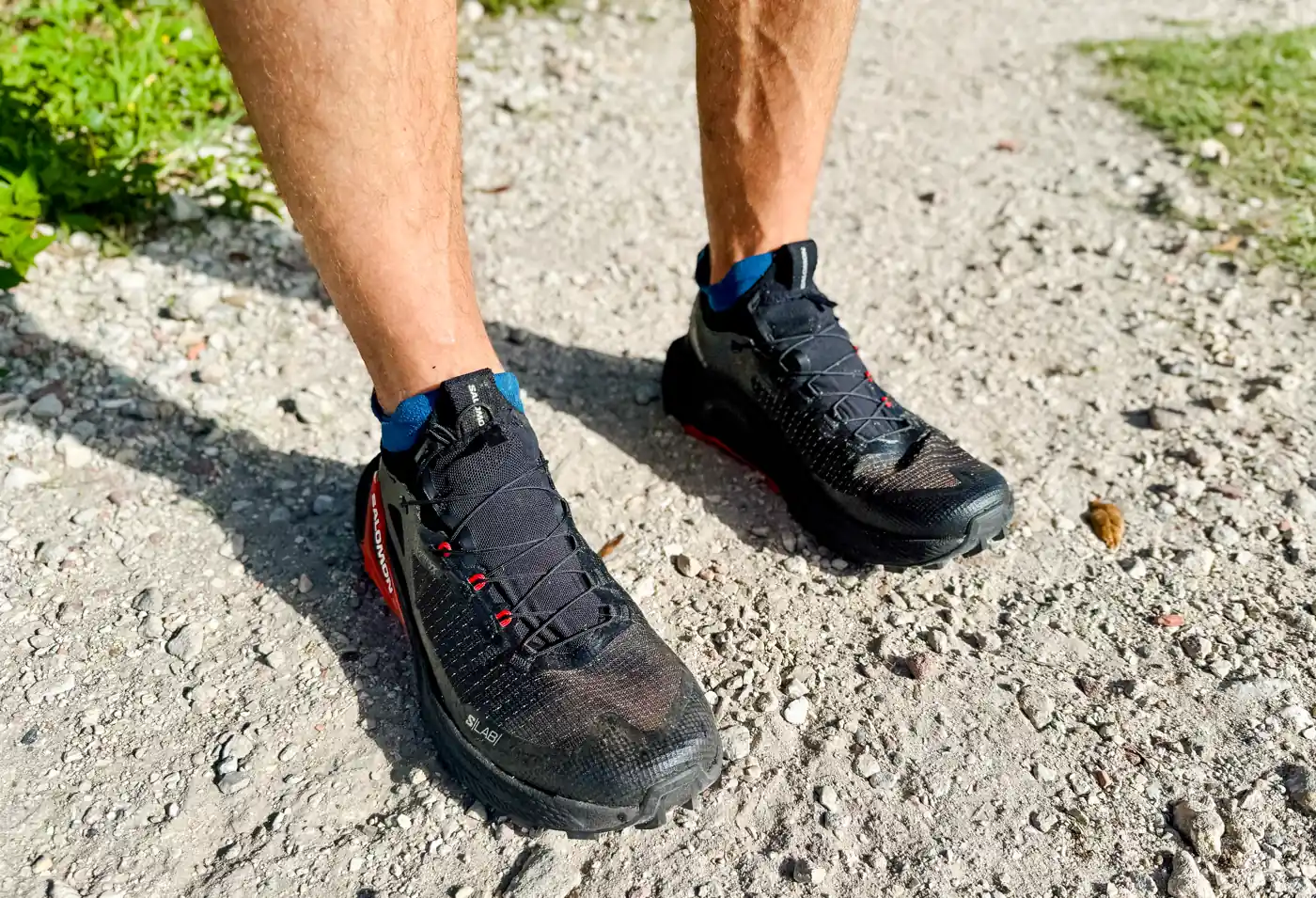
The Genesis 2's toe box gained real room over the original, with proper space for toe splay while staying secure. Wider feet should still try before buying or consider a half size up, but this is the accommodating shoe of the pair.
The S/Lab keeps the classic S/Lab race fit: snug through the midfoot out of the box, breaking in nicely after a few runs, with fantastic heel and midfoot lockdown. If you have very wide feet, this precise fit still won't be for you, full stop.
Both are true to size with a medium width, both are very breathable, and both have nicely padded collars.
What the extra $50 actually buys
Line the two up and the S/Lab premium is a real beneficial spec list, not just a badge.
You get the ounce of weight savings, the livelier dual-density foam with better longevity, and the Matryx Micro upper with individually coated Kevlar fibers.
Then the mountain-racing extras stack on: a profeelFILM layer that filters sharp ground without dulling trail feel, a semi-protective toecap, a medial protective pad, and an integrated gaiter to keep debris out.
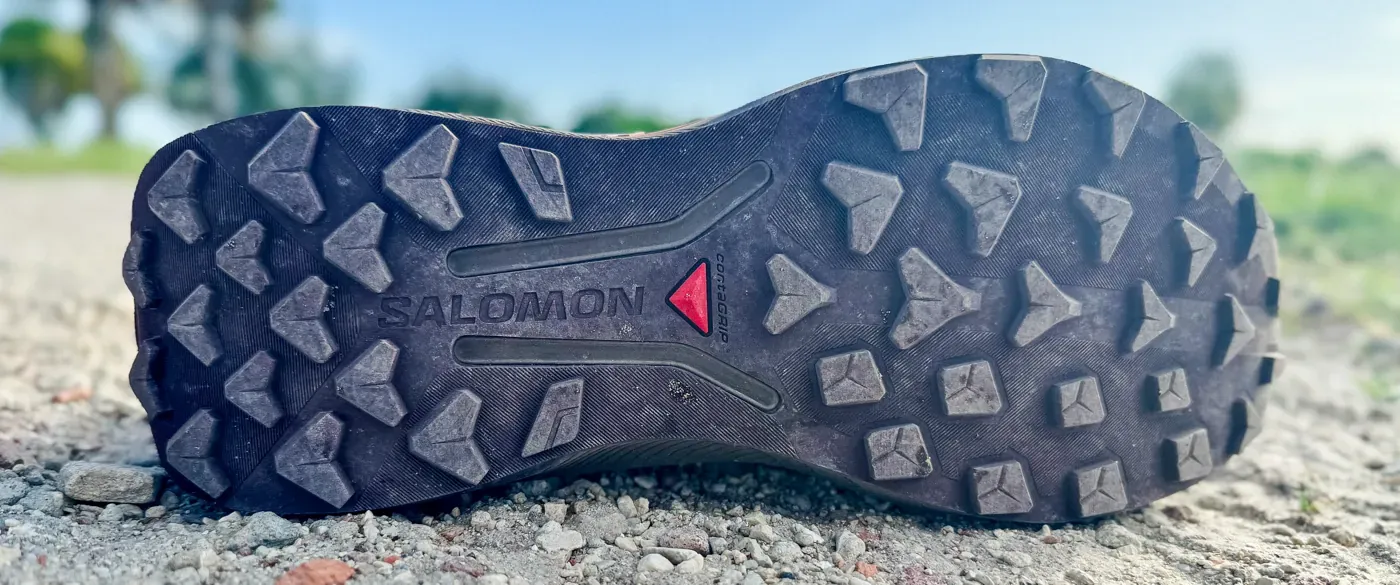
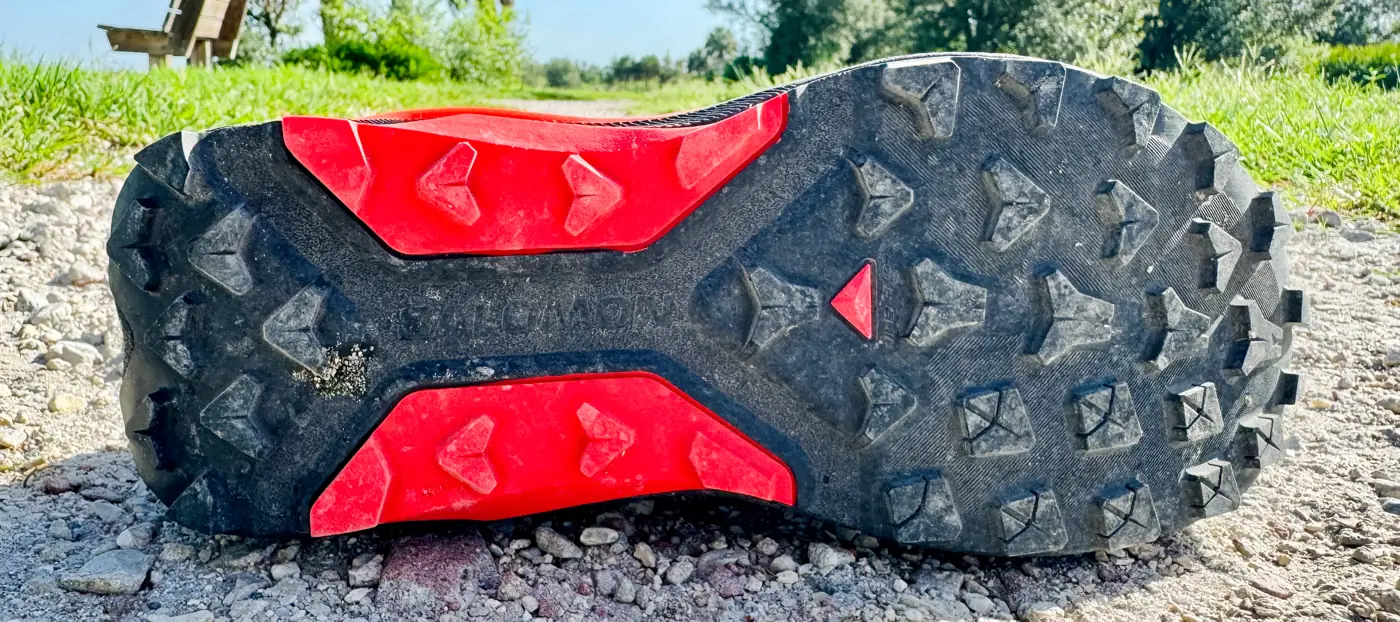
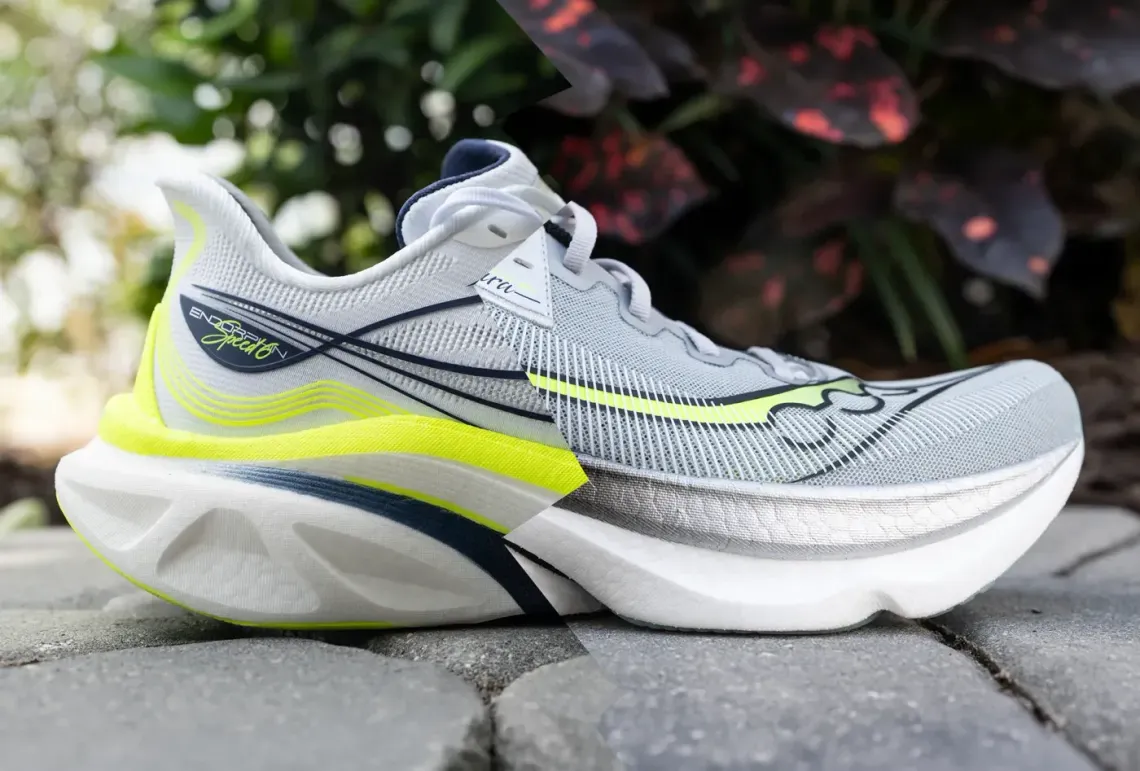
Genesis 2 (left), S/Lab Genesis 2 (right)
The outsole also steps up, with 4.5mm lugs in a revised geometry that specifically targets wet rock, which was the one relative weakness I flagged on the original S/Lab. I'm still putting wet-weather miles on my pair to judge that claim properly but a couple of my Youtube subscribers have shared their take on performance in the wet; and it looks very promising.
Whether that package is worth $50 depends entirely on how hard you push technical terrain. For racing and fast mountain days, it is. For general trail training, the Genesis 2 already covers the brief.
Which one should you buy
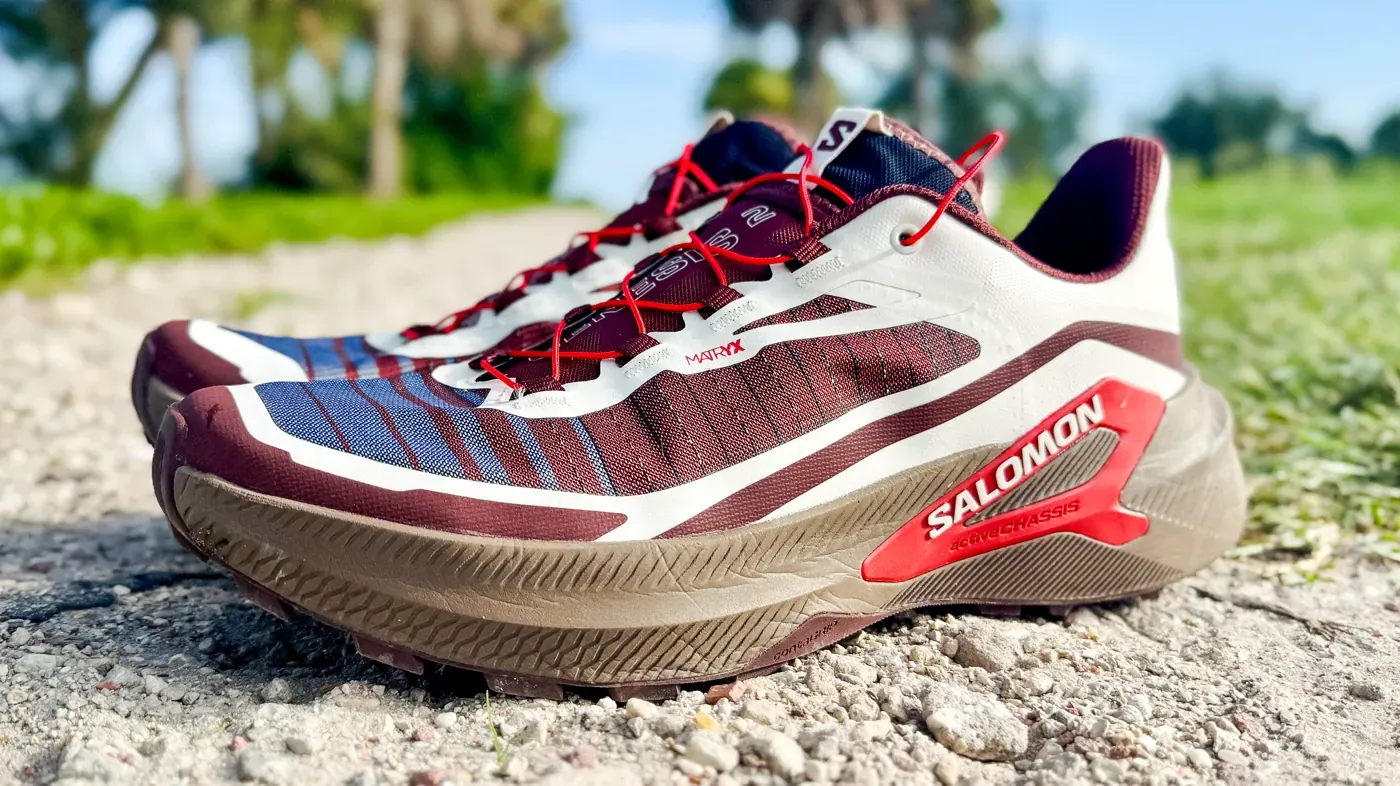
Buy the Genesis 2 if:
- You want one do-it-all technical trail shoe for training through to ultras
- Value matters: this is $150 for near-flagship capability
- You need the roomier toe box, or you have wide-ish feet
- You prefer a touch more stack and steadiness over a long day
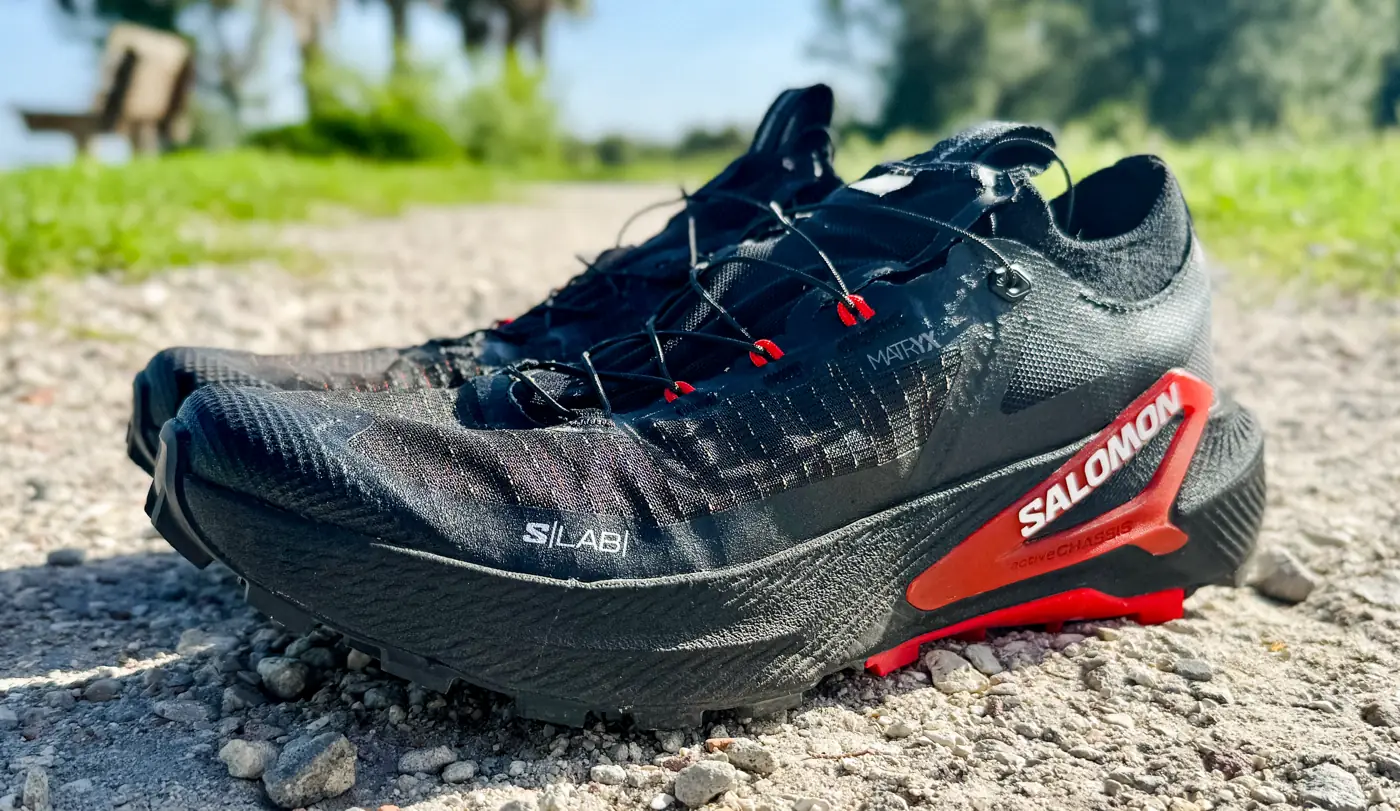
Buy the S/Lab Genesis 2 if:
- You race technical terrain, or move fast on rocky, mixed mountain ground
- You want the lighter, lower, livelier ride and the extra protection package
- The precise S/Lab fit suits your medium-to-narrow midfoot
- $200 is acceptable for the sharpest tool in this category
My verdict
For most trail runners, the Genesis 2 is the smarter buy. It keeps the planted, confidence-inspiring character that defines this line, fits more feet, and undercuts most shoes offering this level of capability. It's a true quiver-killer at $150.
The S/Lab Genesis 2 is the better shoe, and it's one of my personal favorites for technical terrain.
The original earned my trust at Speedgoat by UTMB, and this version delivers that same precision with more pop and more composure. If your running lives on rock gardens, off-camber singletrack, and steep loose descents, the extra $50 buys real performance you'll feel.
The Best All-Mountain Trail Running Shoes, Right Now
The do-it-all workhorses built for everything from mellow fire roads to technical mountain trails, and even ultra running adventures.
 Alastair Dixon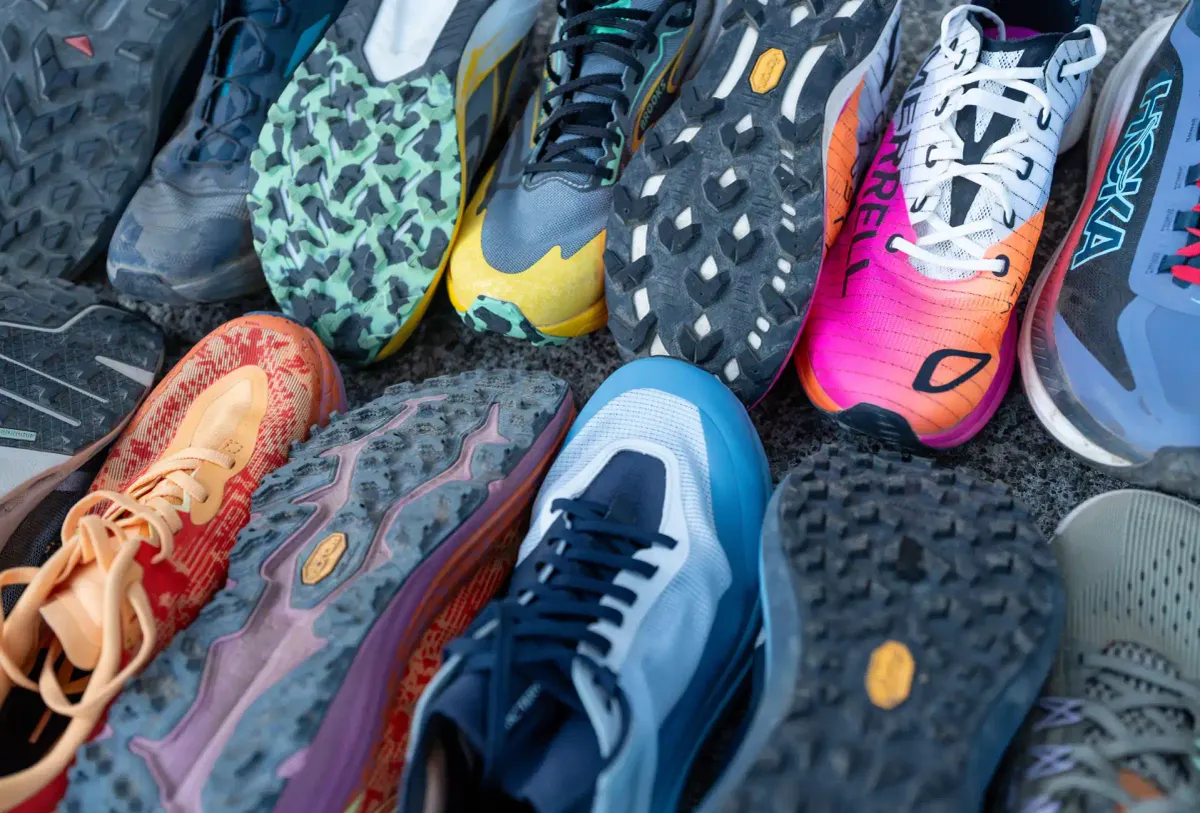
You can see where each sits against the wider field in my best all-mountain trail running shoes roundup, and where they fit within the brand in my best Salomon running shoes guide.
For the rest of your rotation, road included, my best running shoes roundup is the place to start.
The best running shoes to buy right now (2026)
From daily training miles to trail ultras and race-day PRs, these are the best running shoes right now that I personally rely on and recommend after thousands of miles of real-world testing.
 Alastair Dixon
If you haven't already, signup for my free newsletter, and subscribe to my YouTube Channel for more content like this. 👉🏼 And for an inside look at what comes into my studio with unboxings, lace up reels, and short form reviews, follow me on Instagram, and TikTok. -Alastair
Written by

Subscribe to new posts
reviews, training tips, and thoughtful stories for runners








Member discussion