
Salomon Aero Glide 4 GRVL review
Is this the most versatile max-cushion trainer of 2026? After weeks of road, gravel, and mixed-terrain running, here's my full verdict on the Salomon Aero Glide 4 GRVL.

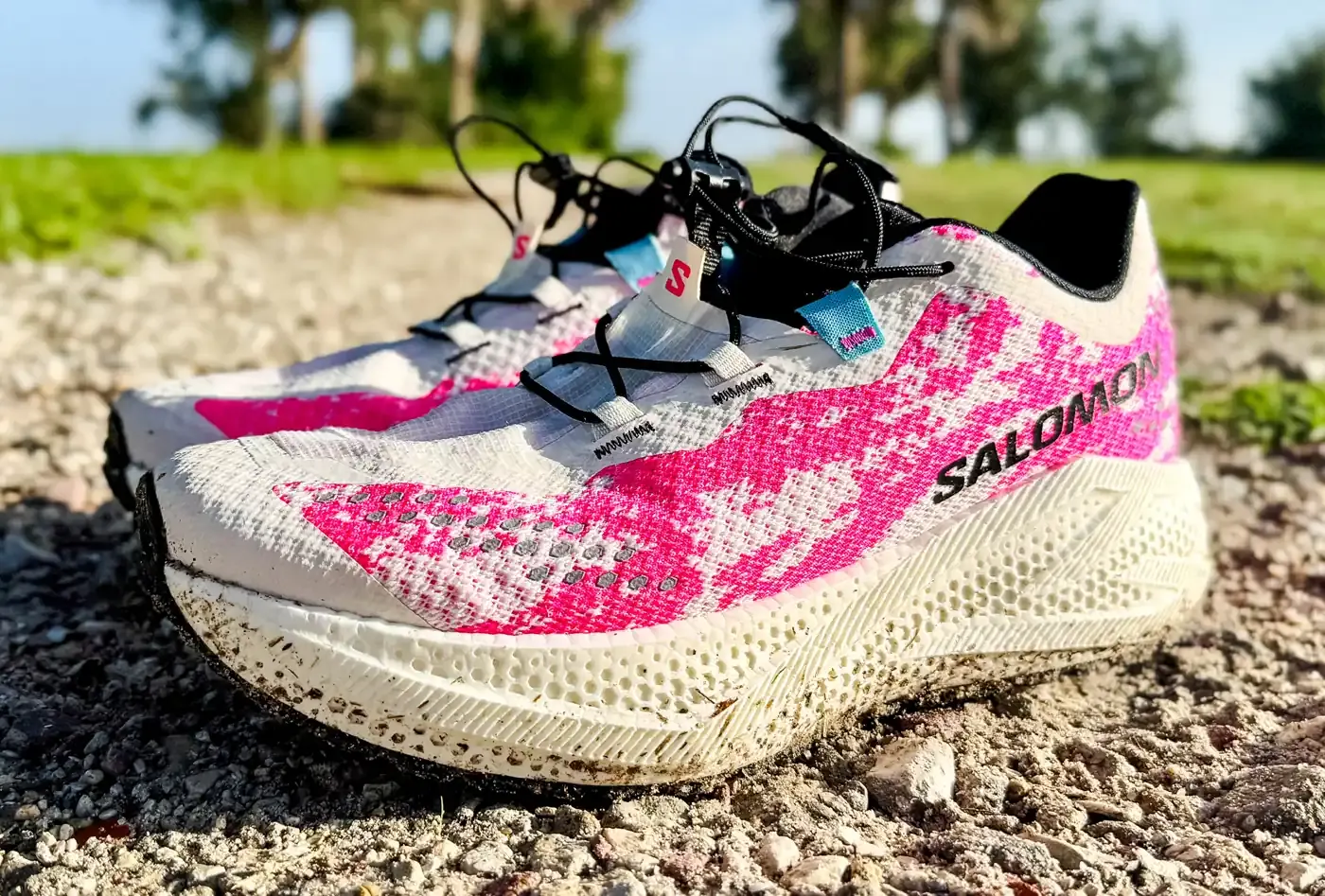
The Salomon Aero Glide 4 GRVL is the shoe I reach for when my route has no fixed script. A stretch of pavement, a gravel path cutting through the park, a dirt singletrack loop; these road-to-trail running shoes handle all of it without asking you to compromise on ride quality, cushion, or confidence underfoot.
It builds directly on the road Aero Glide 4 platform by adding a gravel-specific outsole and a more protective upper, while keeping the same optiFOAM² midsole and Reverse Camber rocker that made the previous GRVL generation so enjoyable to run in.
Priced at $160, this is one of the strongest hybrid daily trainers of 2026 but the fit won't be for everyone...
Want more ground feel and control on choppier trail? See my Aero Blaze 4 GRVL review.
Salomon Aero Blaze 4 GRVL Review: The $140 One-Shoe Hybrid
Protective enough for mixed days, connected enough to stay in control, and honest about where the trail gets too technical. Still $140.
 Alastair Dixon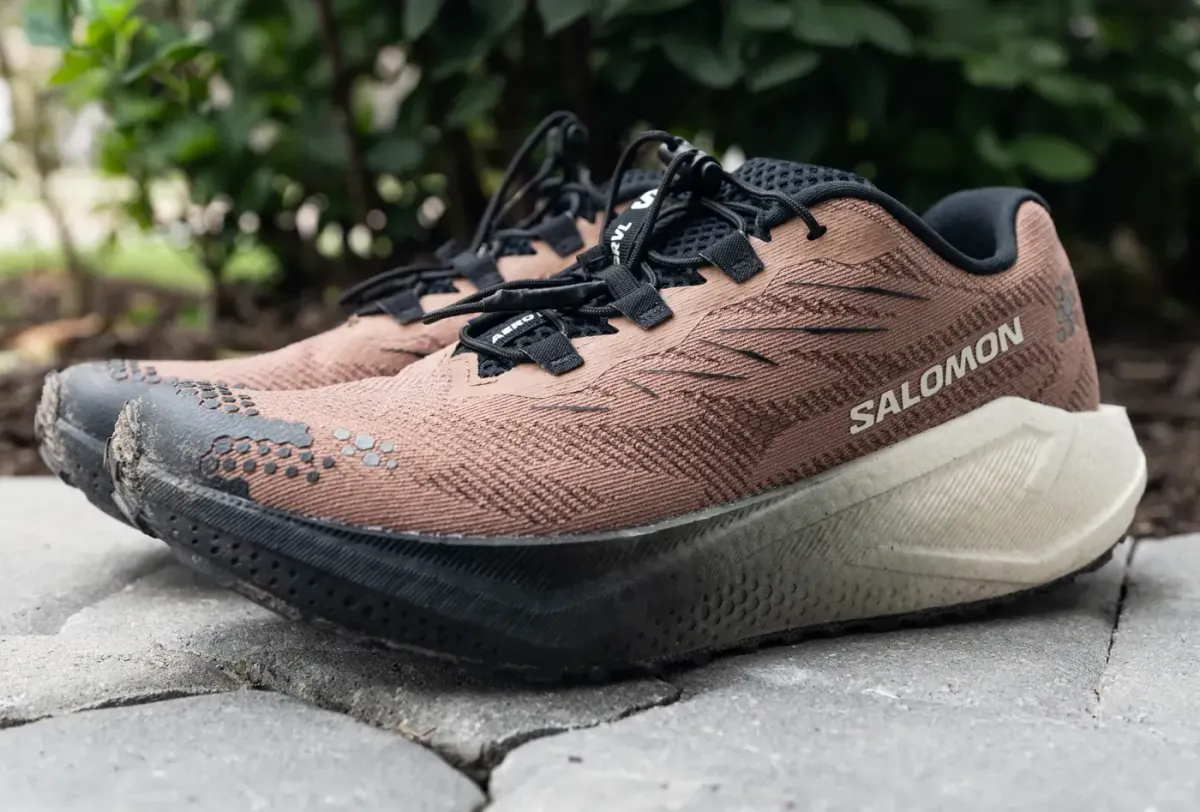
If you purchase gear through links in this article, I may earn a small affiliate commission. For my training tools, exclusive content, newsletter, and more perks become a member, (it's free!). -Alastair ✌🏼
Key specifications
- Price: $160 at Salomon
- Weight: 9.7 oz / 275 g (men's US 9, my own measurement)
- Drop: 8 mm | Stack height: 41 mm heel / 33 mm forefoot
- Upper: 3D mesh textile with sensiFIT™ internal cradle, endoFit™ sleeve, rubber toe cap, QuickLace Neo cord system with lace garage
- Midsole: optiFOAM² supercritical foam with Reverse Camber rocker geometry
- Outsole: Full-contact Gravel contaGRIP® rubber with 2.5 mm Chevron multi-directional lugs
- Extra attributes: Molded OrthoLite® sockliner, reflective accents, gusseted tongue
The Best Running Shoe Finder 2026
Answer 5 quick questions and get matched to the best running shoe for your training style, ride preference, and foot shape. Updated to v5.5 May 2026
 Alastair Dixon
Sizing and fit
The fit here is secure and immediately confidence-inspiring once broken in to your foot shape.
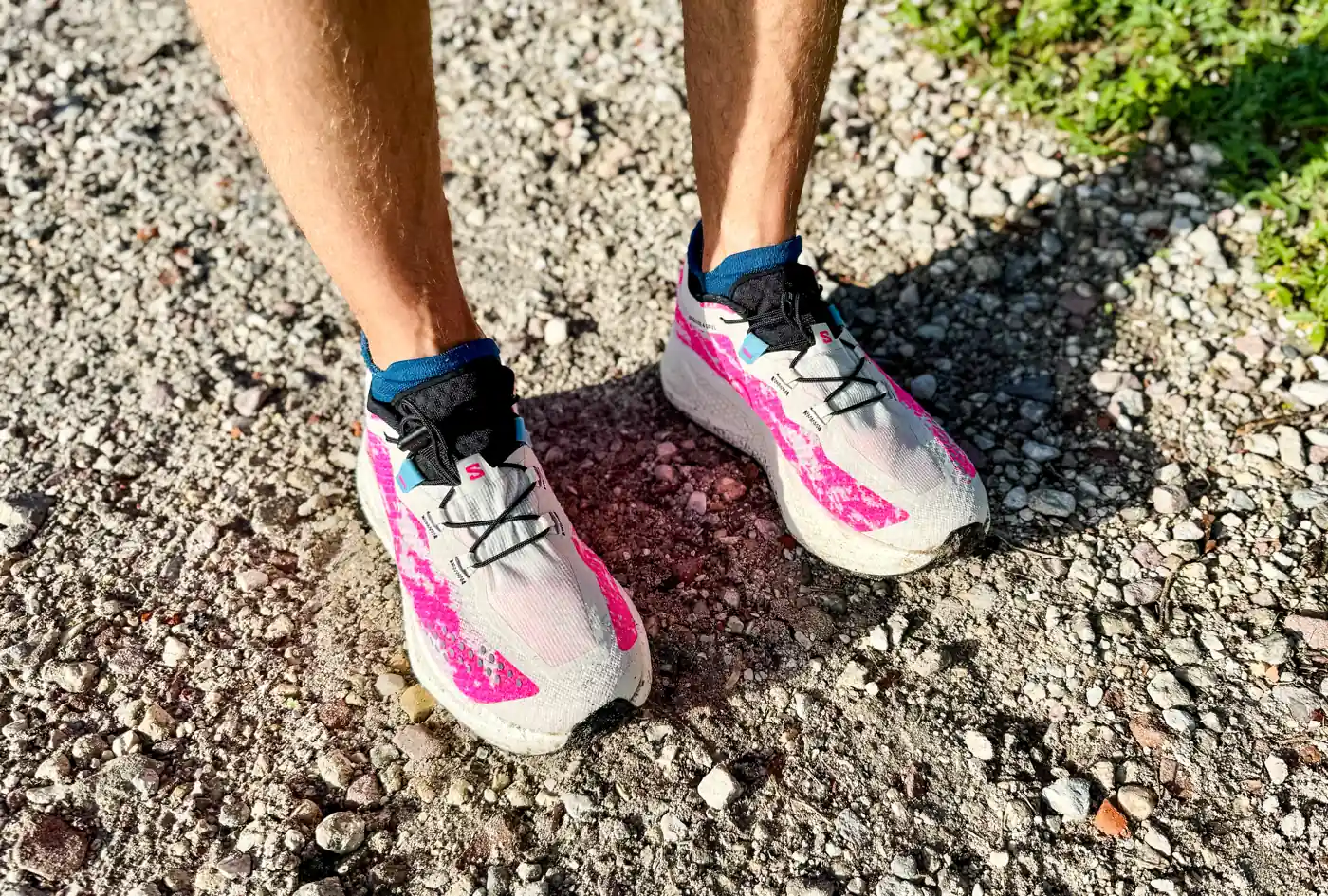
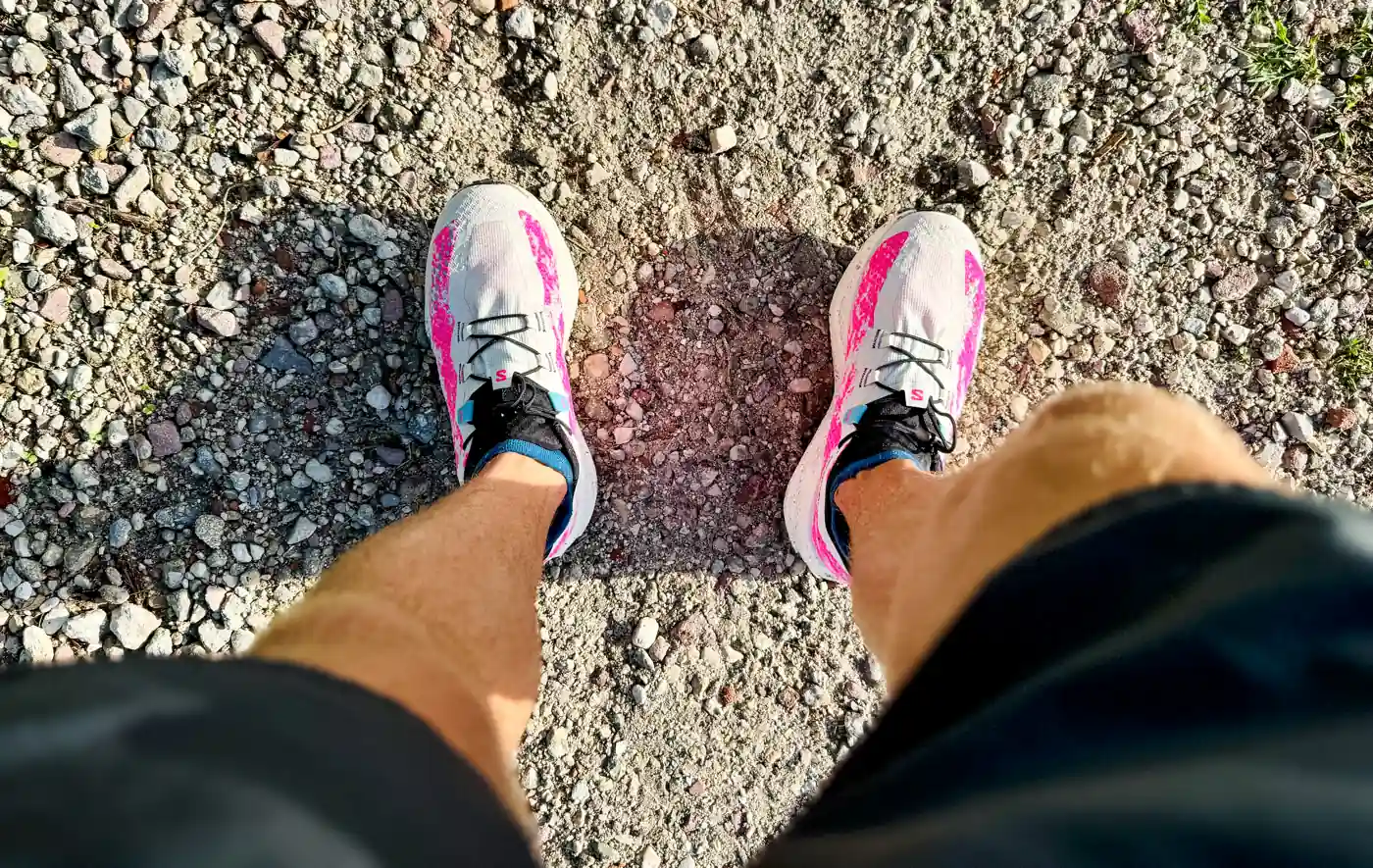
The most noticeable fit quirk for me is that the midfoot runs on the narrower side, and out the box it's not a comfortable arrangement if you have medium to wide feet. It also has a medium-high arch support underfoot.
Once the short break-in period is done, however,it feels tailored rather than restrictive.
The toebox is moderately broad, adapting well across a range of foot shapes. Breathability is average and but adequate for most conditions; it never feels stuffy, but it isn't the most ventilated shoe in the lineup either.
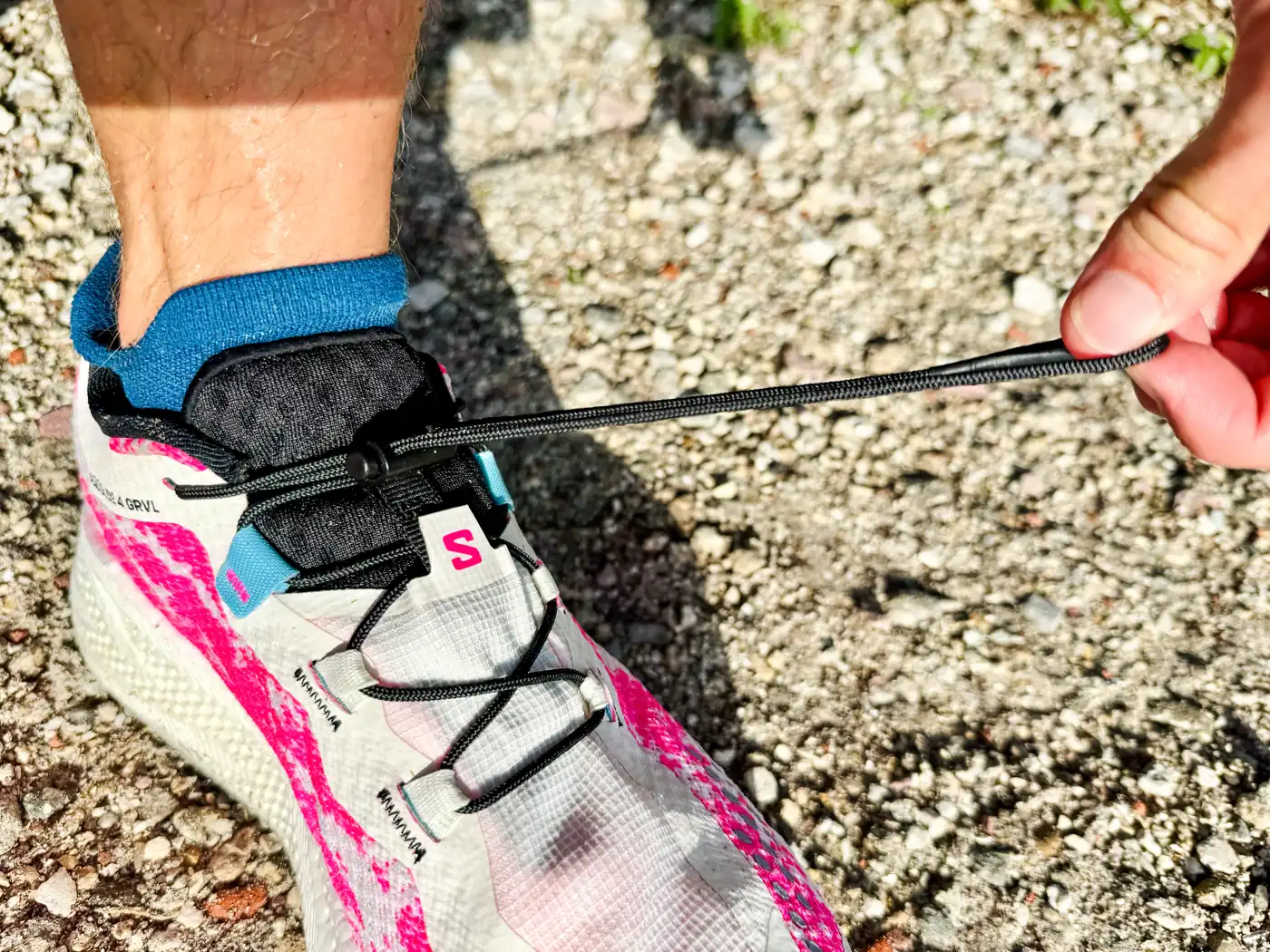
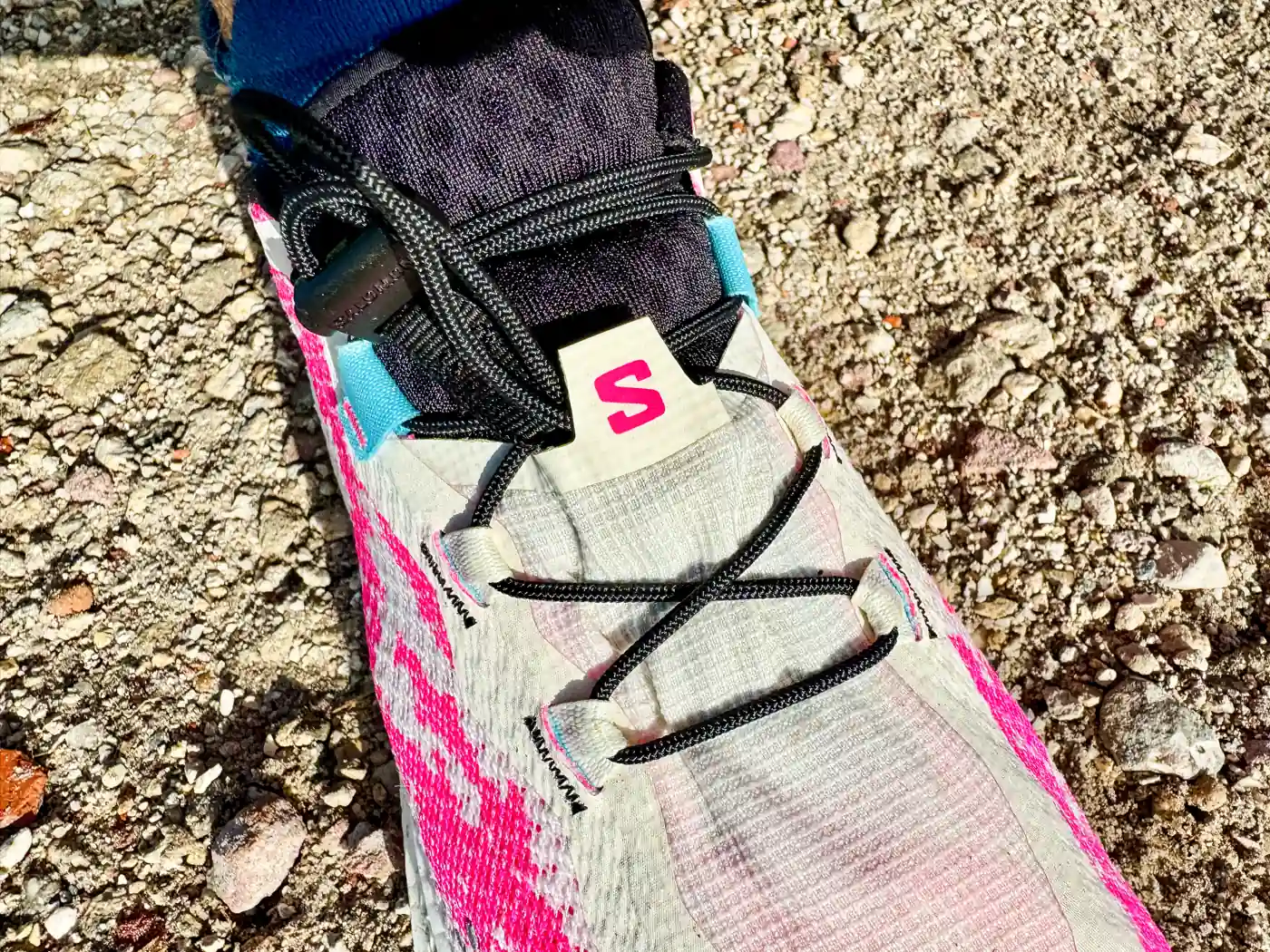
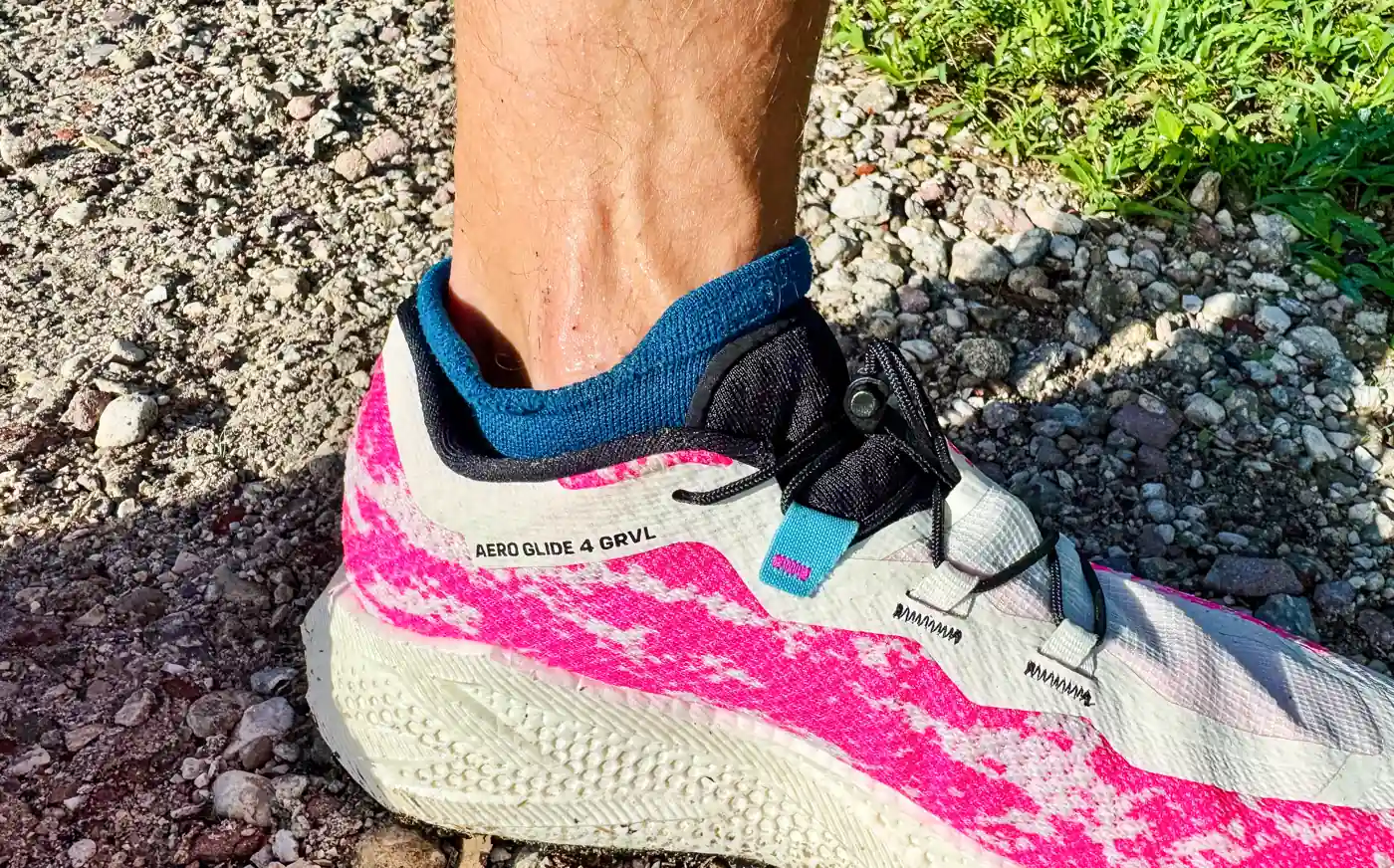
The QuickLace Neo system with its lace garage works really well for one-handed adjustment and a clean, pressure-free heel and midfoot lockdown with no noticeable hot spots even across longer mixed-terrain efforts.
Performance
Road and pavement
On pavement, the Aero Glide 4 GRVL punches well above its hybrid classification.
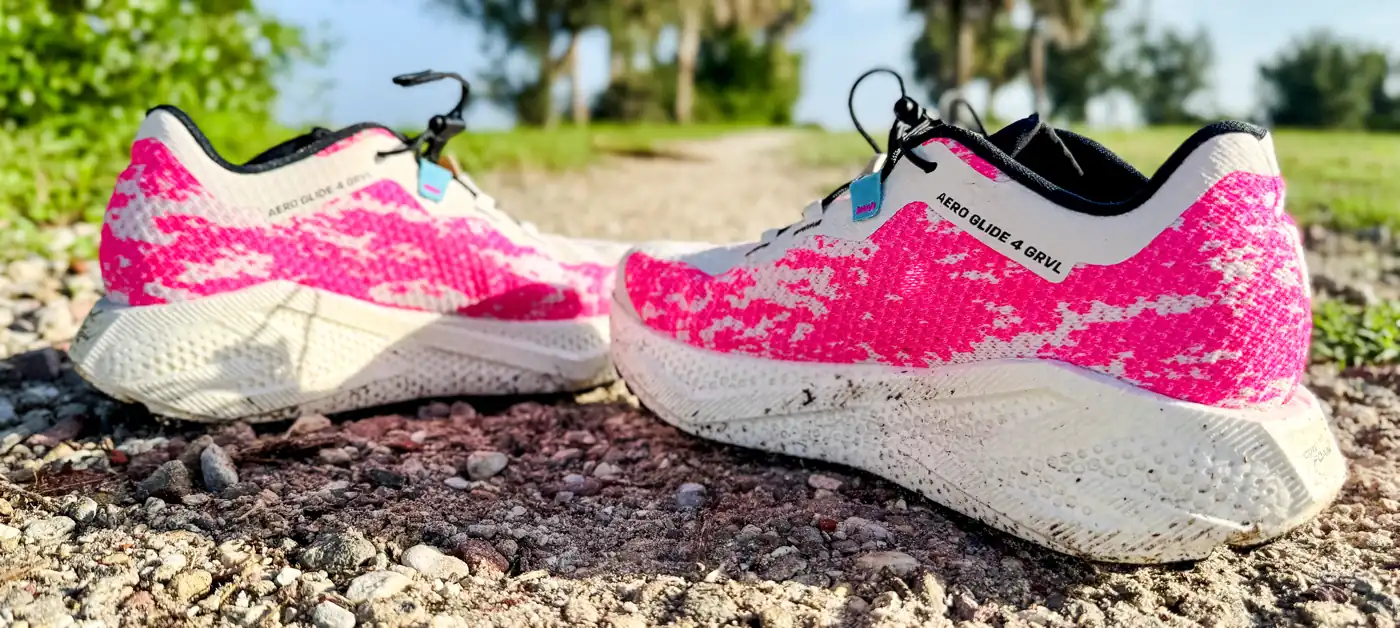
The optiFOAM² midsole delivers what I'd describe as a Goldilocks cushion experience where it's plush enough to absorb impact fully on a long easy run, but lively enough that the shoe doesn't feel inert or sluggish underfoot.
If you're after a more road focused cushioned daily trainer with more volume but the same great bouncy ride for daily miles, read my Salomon Aero Glide 4 review; it will be a better fit for you.
The Reverse Camber geometry creates a smooth, continuous roll-through that makes each stride feel effortless. It's the kind of shoe that "disappears" in the best possible way: you forget about the cushion and just enjoy the run.
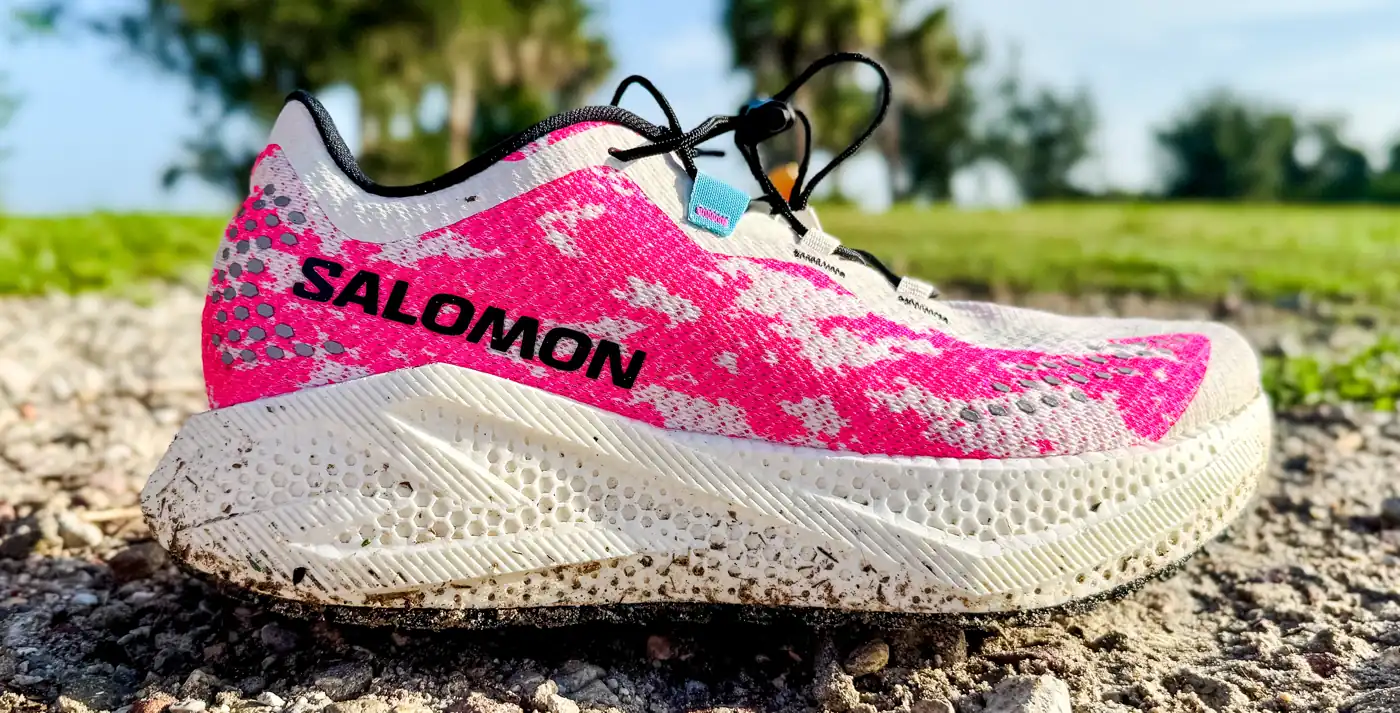
Despite the max-stack geometry at 41 mm heel, the shoe feels lighter on foot than the numbers suggest. It works well for easy daily miles, longer slow runs, and recovery days, but it's also capable enough for tempo efforts when you need to push the pace a little.
The slight firmness from the GRVL-spec outsole compared to the more flexible road-only version actually adds a layer of stability that I appreciate, particularly on longer road sections or more technical terrain where a softer midsole alone can feel less controlled/unstable.
Salomon Aero Glide 4 review: the polished upgrade I wanted
Salomon keeps the lively, lightweight max-cushion ride of the Aero Glide 3 and refines it into an even more complete daily trainer.
Alastair Dixon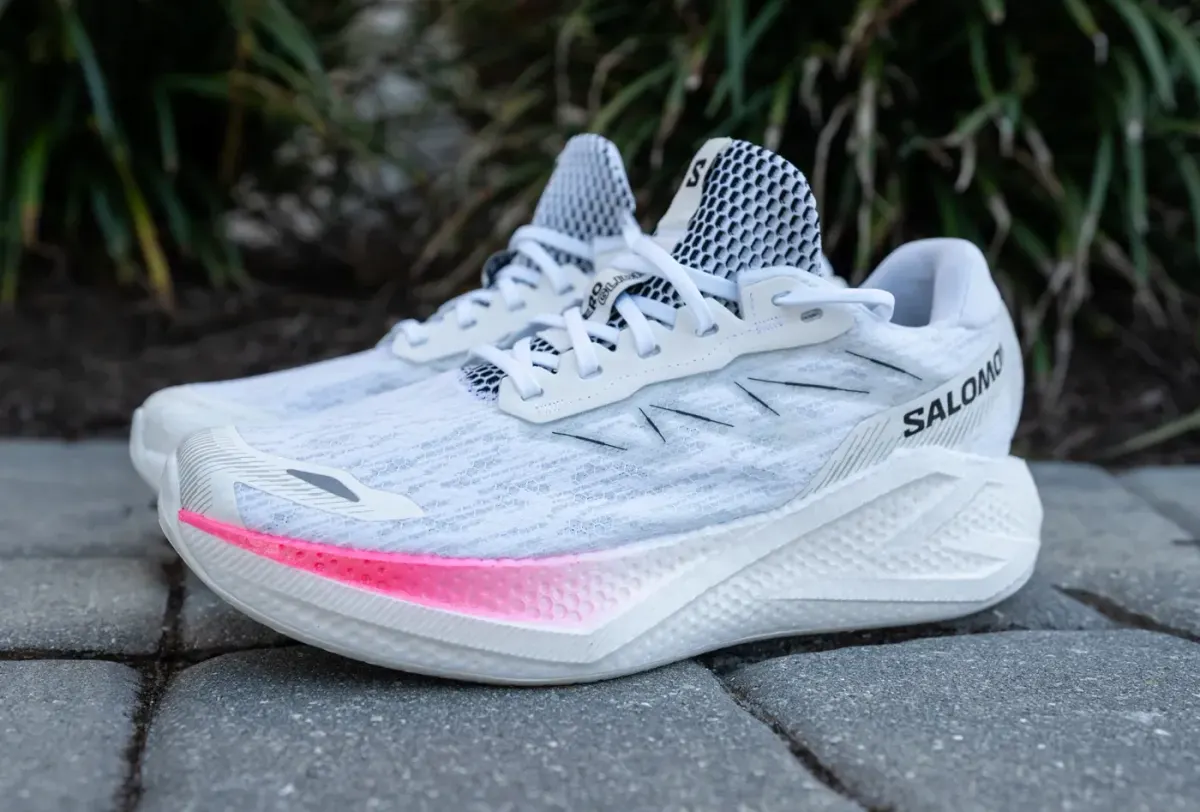
Gravel and mixed surfaces
This is where the GRVL designation earns its place.
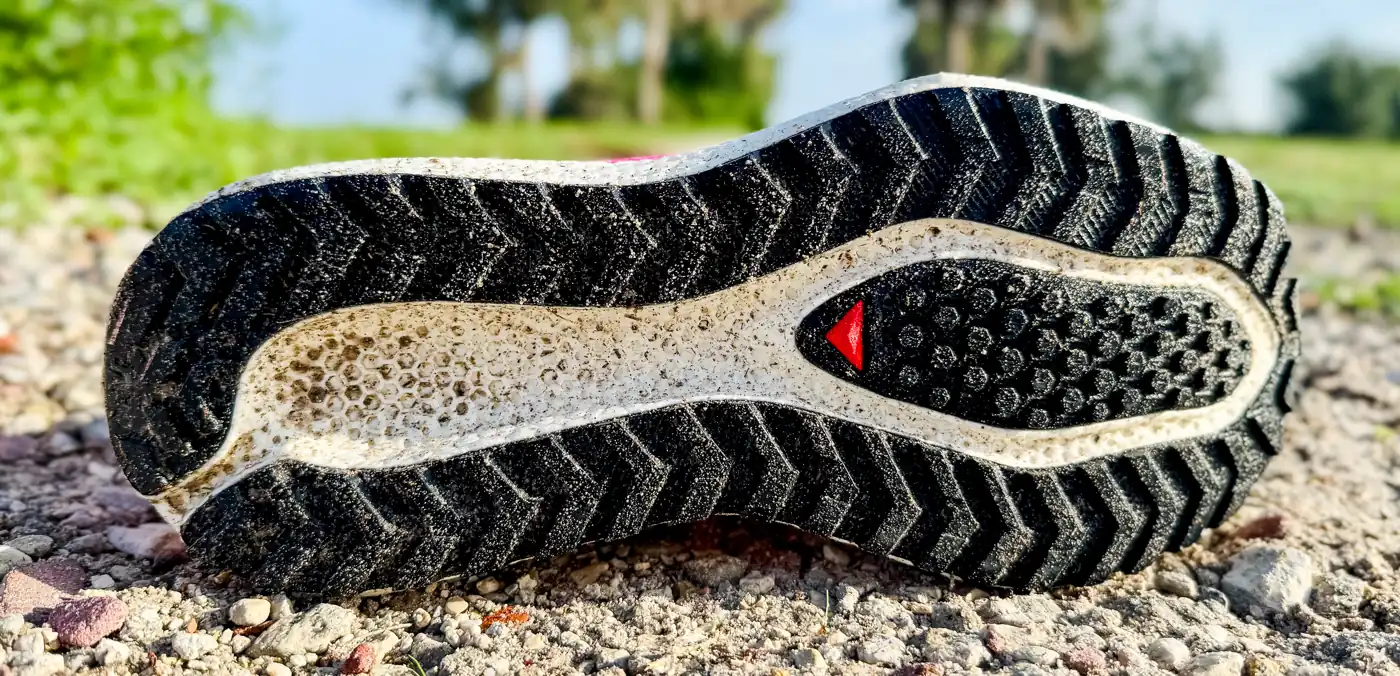
The Gravel contaGRIP® outsole with 2.5 mm Chevron lugs gives you meaningful grip on loose gravel, hard-packed dirt, grass, wet pavement, and even compacted snow and slush; without the clunky, heavy feel of a full trail shoe.
On my test runs across gravel paths, park trails, the transitions between surfaces felt seamless. You don't need to adjust your stride or overthink footing; the shoe handles it naturally.
The lugs are shallow enough that they don't create any drag or discomfort on tarmac, which is the key trade-off that makes this a genuine hybrid rather than a trail shoe wearing road-shoe clothing.
That said, this is not a shoe for technical terrain. Rocky, rooty, or muddy singletrack is outside its intended scope, and rock protection underfoot is limited.
The 12 Best Road-To-Trail Running Shoes, Right Now
All-terrain, transition running shoes are capable on a mixture of light trails, such as parks, forest trails and gravel tracks, as well as road surfaces
Alastair Dixon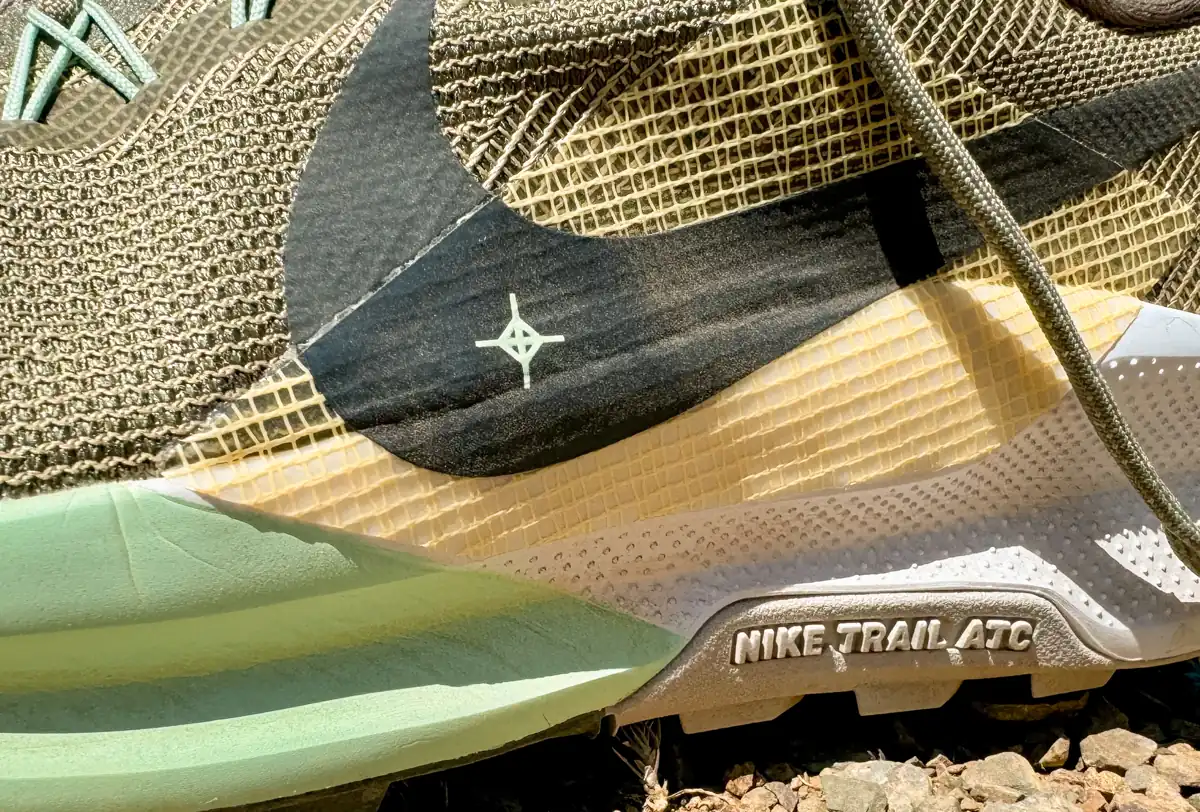
For best road-to-trail running shoes options that push further into technical terrain, there are better choices but for the kind of mixed routes that make up 80% of real-world weekly running, this outsole is exactly right.
The updated upper also contributes here.
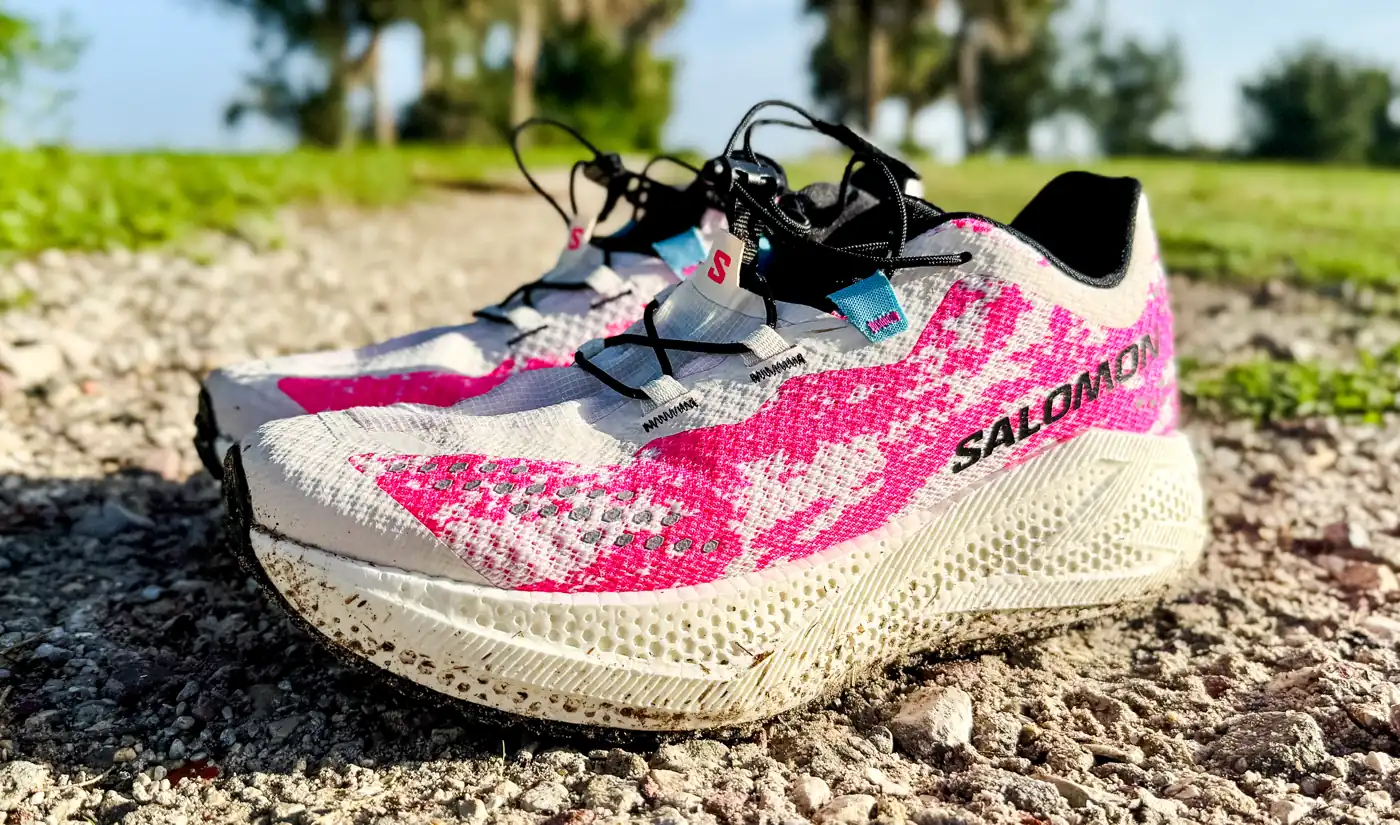
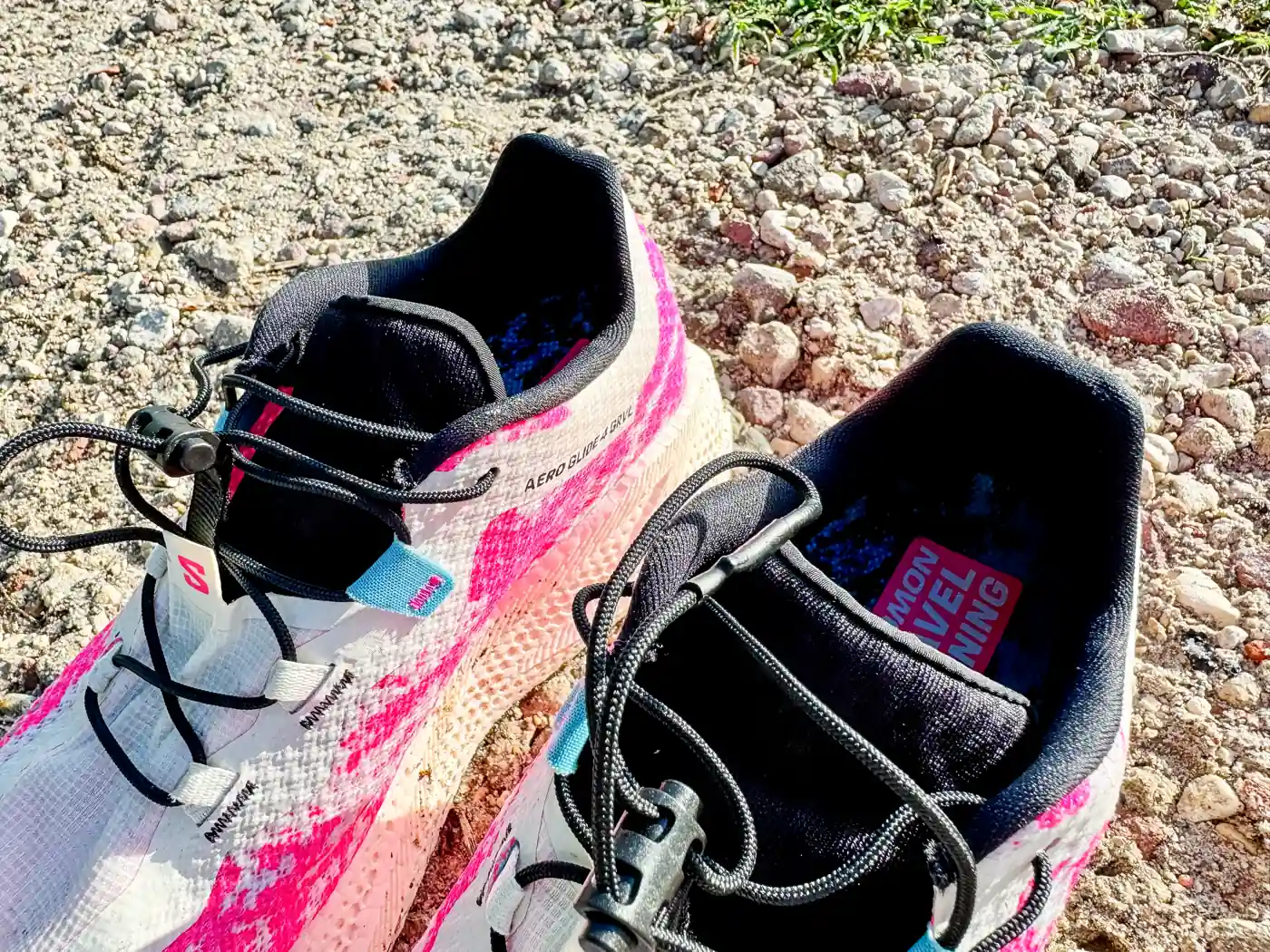
The reinforced 3D mesh with rubber toe cap gives added trail-worthiness and abrasion resistance over the road version, while the sensiFIT™ and endoFit™ lockdown system keeps your foot secure even on uneven ground.
No slippage, no heel lift, no issues across extended efforts on varied terrain.
Daily trainer credentials and long-run feel
Over multiple weeks across different conditions, the Aero Glide 4 GRVL has held up as one of my most-reached-for shoes.
It works as a true daily trainer for 2–3 runs per week, and the combination of cushion depth, energetic rebound, and smooth forward propulsion makes it well-suited to long easy runs in particular; the kind where you need protection from fatigue without sacrificing a bit of life in the ride.
If you're thinking about how to structure your running shoe rotation for 2026, a shoe like this slots in naturally as your workhorse easy-day trainer for mixed routes, freeing up your faster shoes for workouts and race days.
Running training plan generator — road & trail, 5K to 100M
Build a personalized running training plan around your actual race date, current mileage, and experience level. Road and trail, any distance.
Alastair Dixon
How it compares to the Aero Glide 3 GRVL
In my Salomon Aero Glide 3 GRVL review, I praised the platform's mellow, bouncy ride and excellent value for daily training.
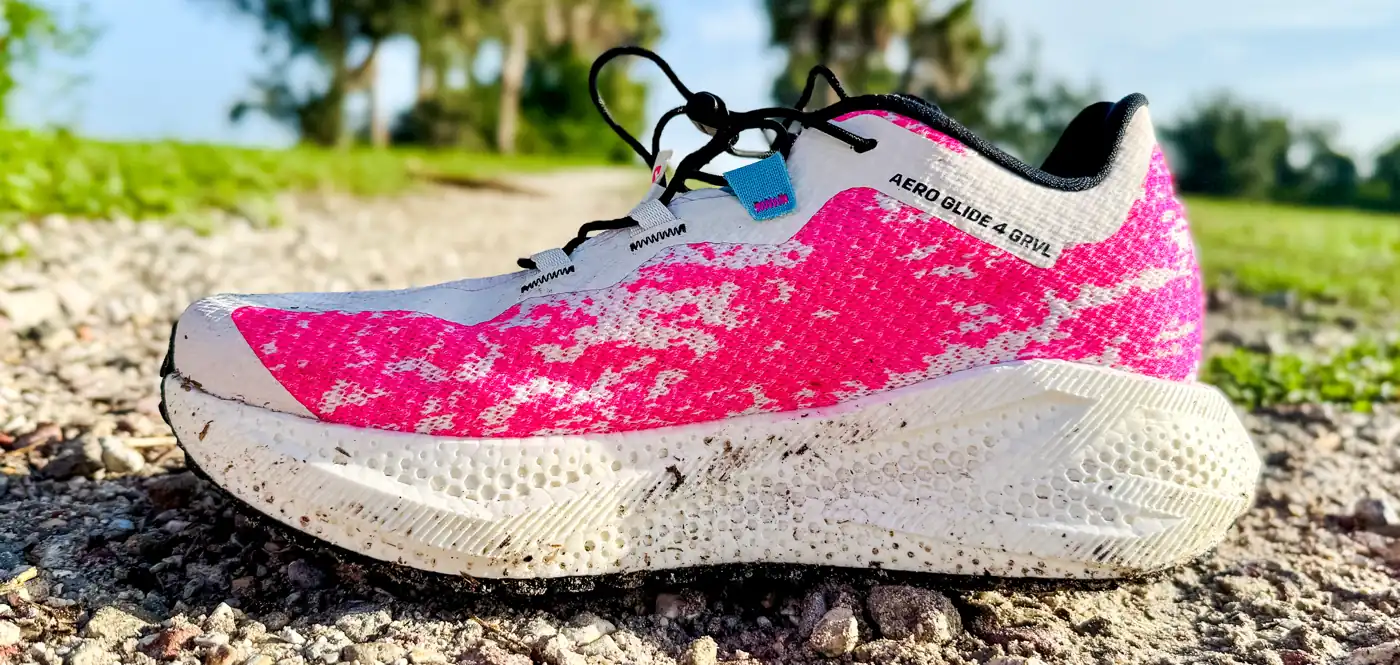
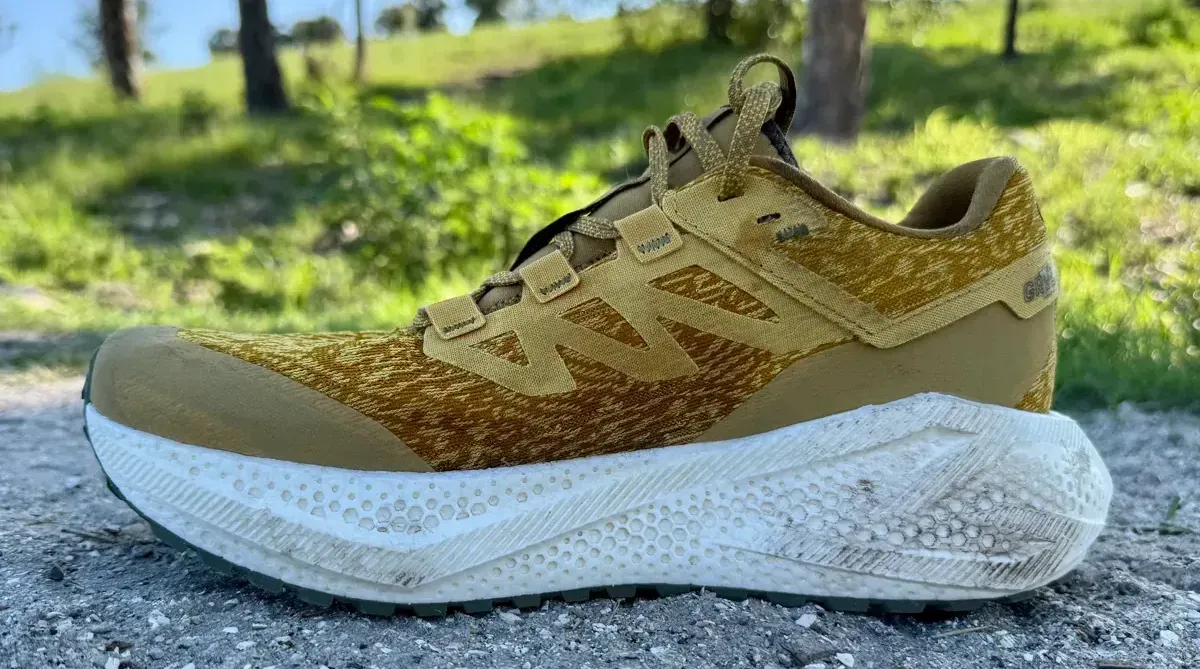
The v4 GRVL preserves everything that made the previous version enjoyable and makes a handful of meaningful changes that add up to a clear step forward.
The midsole foam and Reverse Camber geometry are essentially unchanged; the same soft, responsive, surprisingly energetic cushion that made the v3 such a pleasure for easy miles is all still here. Weight is also identical at my measured 9.7 oz in US 9.
The differences are in the fit and lacing. The v3 had a generous, roomy midfoot that suited wider feet well, but the v4 has tightened this up into a more secure, much narrower midfoot profile.
For runners with high arches, this is genuinely better; it delivers a supportive, precise hug once the short break-in is complete. For those who preferred the roomier v3 feel, it's worth knowing the fit character has shifted.
The QuickLace Neo system is the other great update and it's a meaningful upgrade. The thicker cords, plastic clip, and toe box garage give you one-handed adjustment and a completely clean lacing setup with no pressure points. Compared to the flat laces and neoprene tongue arrangement on the v3, this is noticeably better in daily use.
The outsole and upper have also been reinforced, delivering slightly firmer, more stable footing on uneven ground; addressing a minor soft-midsole instability note from the previous version on non-flat terrain.
If you loved the Aero Glide 3 GRVL, the v4 is a better shoe in almost every way that matters but it wont be for you if you have wide feet. If you're coming to the platform fresh, this is the version to start with.
For a look at how the GRVL sits alongside Salomon's broader road and trail lineup, my best Salomon running shoes roundup covers the full range, including the Salomon Ultra Glide 4 for those wanting a more road-focused maximal trainer, and the Salomon Aero Blaze 3 GRVL for runners who want more trail capability from a Salomon hybrid.
My verdict
The Salomon Aero Glide 4 GRVL is one of the best hybrid daily trainers available right now. It delivers a plush, lively, surprisingly capable ride across a wide range of surfaces, backed by a secure and comfortable fit and an outsole that handles real-world mixed terrain with ease. At $160, it offers strong value for what it brings to your weekly rotation.
The minor caveats are exactly what you'd expect and accept from a shoe in this category: average (not exceptional) breathability, a short break-in period for the narrow midfoot fit to fully settle, and no place on technical or muddy terrain. None of these diminish its appeal for the runner it's built for.
I love running in this shoe; if your weekly runs regularly mix pavement with gravel, park paths, or light trails, this should be at the top of your shortlist. See how it fits into your wider shoe choices in my roundup of the best running shoes right now.
The best running shoes to buy right now (2026)
From daily training miles to trail ultras and race-day PRs, these are the best running shoes right now that I personally rely on and recommend after thousands of miles of real-world testing. This is the ultimate running shoe rotation.
Alastair Dixon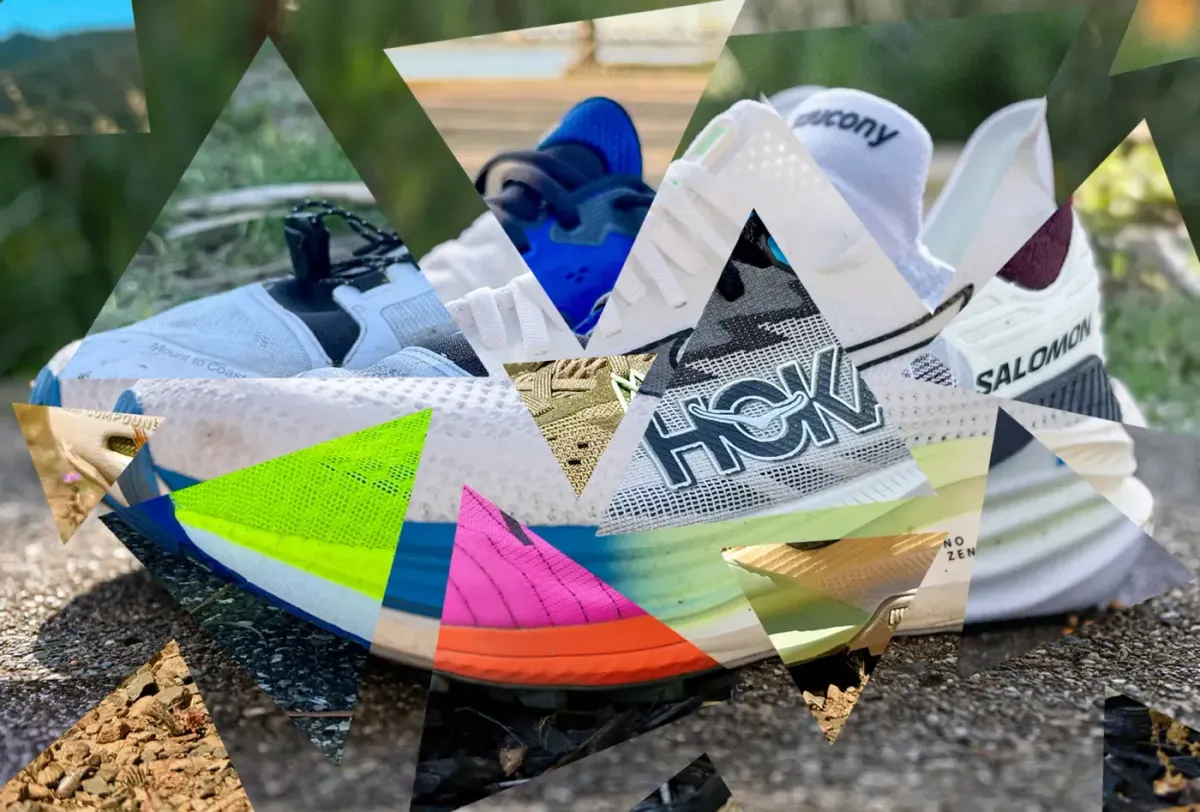
If you haven't already, signup for my free newsletter, and subscribe to my YouTube Channel for more content like this. -Alastair
Written by

Subscribe to new posts
reviews, training tips, and thoughtful stories for runners









Member discussion