
Hoka Tecton X 4 review: the trail supershoe that won me back
Marginally lighter, more breathable, and finally at home on technical ground, the dual-plate flagship has grown up. Here's everything that changed.

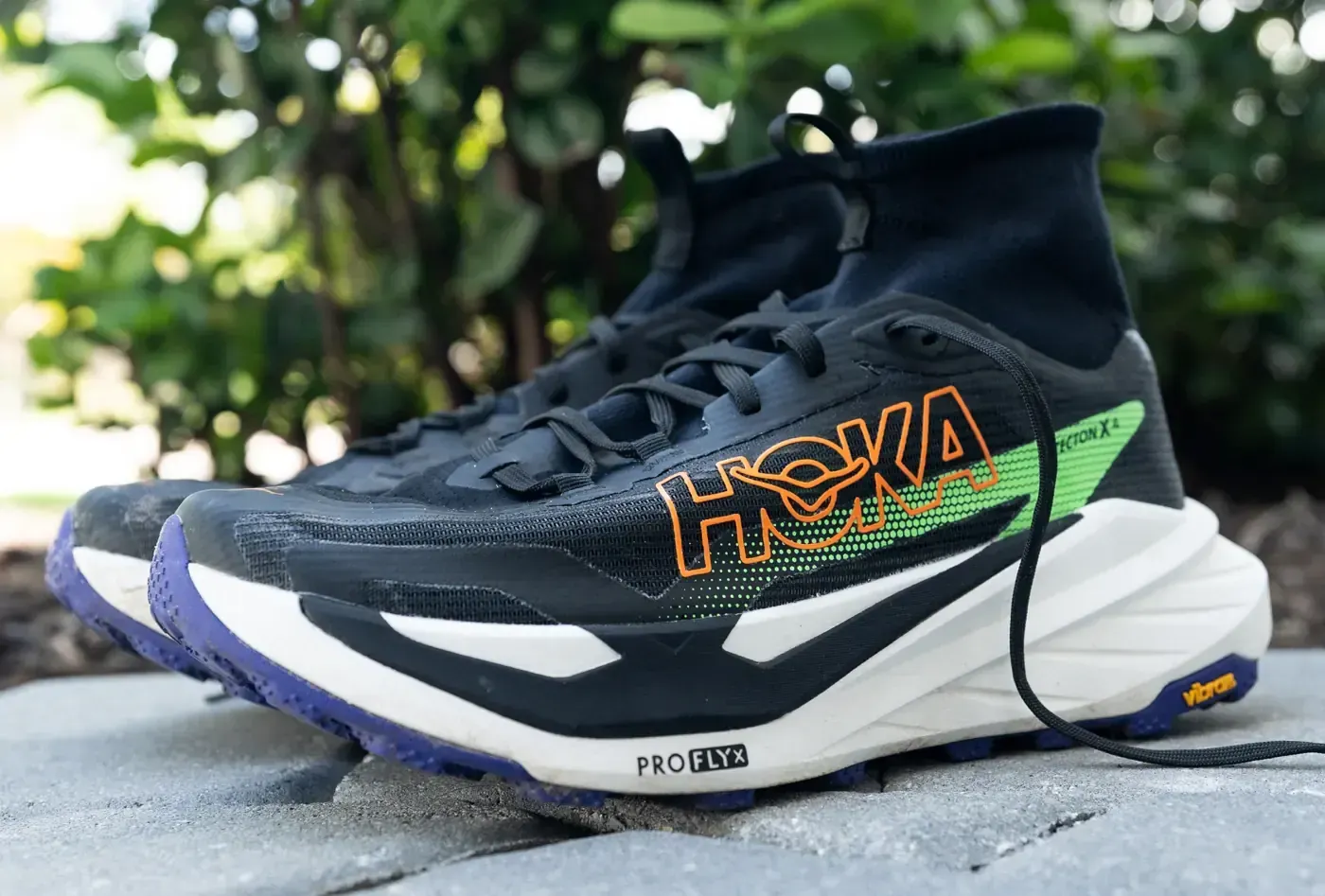
I'll be honest, the Tecton X 3 never fully won me over.
I liked a lot about it, but the gaiter rubbed at the collar, the tapered toe box pressed on my big toe, and I spent that whole review wishing Hoka would ship a more breathable version.
You can read those gripes in full in my Hoka Tecton X 3 review over on Trail & Kale (before Alastair Running was founded); Youtube review here.
The Tecton X 4 has won me back!
Hoka's flagship trail supershoe arrives right in the 2026 UTMB window as a podium-chasing racer for technical ultras and mixed mountain terrain, and this version addresses almost everything I wanted fixed.
I have been testing the Hoka Tecton X 4 on climbs, technical descents, and long runnable stretches, and it's one of the most complete trail supershoes I have run in. Here's my full review.
If you purchase gear through links in this article, I may earn a small affiliate commission. For my training tools, exclusive content, newsletter, and more perks become a member, (it's free!). -Alastair ✌🏼
Key specifications
- Price: $275 at REI
- Weight: 9.4 oz (266 g) in my tested men's US 9
- Drop: 5mm | Stack height: 40mm heel / 35mm forefoot
- Upper: Matryx Micro textile with an integrated gaiter-style knit collar and sock tongue, ghillie lacing below with conventional eyelets above, an extra heel-lock eyelet, a dynamic stretch vamp, and a protective foam tongue pod
- Midsole: Dual-layer PROFLY X PEBA foam with parallel carbon plates and a speed-focused MetaRocker
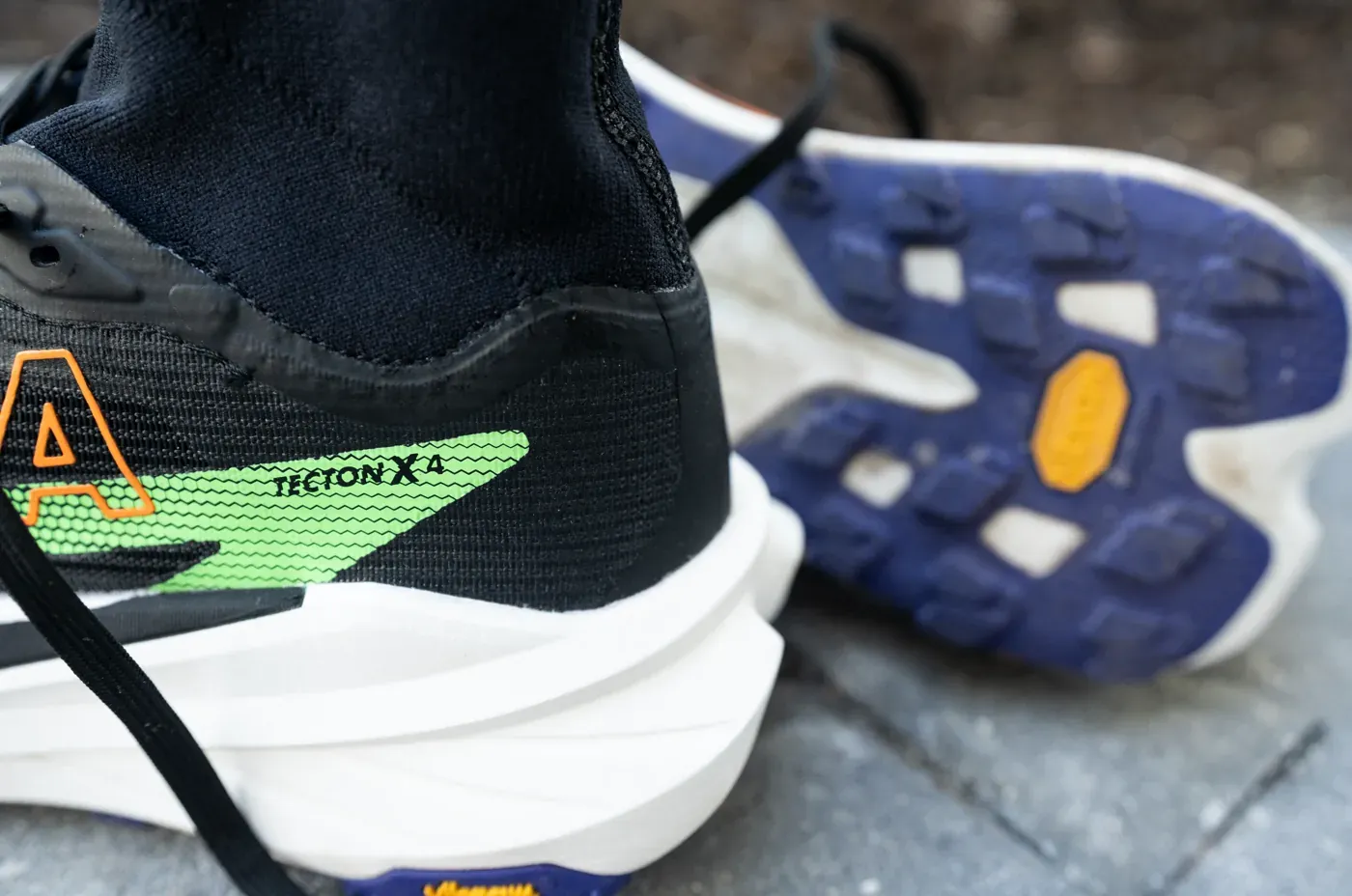
- Outsole: Vibram Megagrip Litebase with 4mm Traction Lugs
- Extra attributes: Notably wide platform (roughly 95mm heel / 77mm midfoot / 115mm forefoot) for inherent stability, built-in gaiter to keep debris out, and an optional marathon lacing setup
Sizing and fit
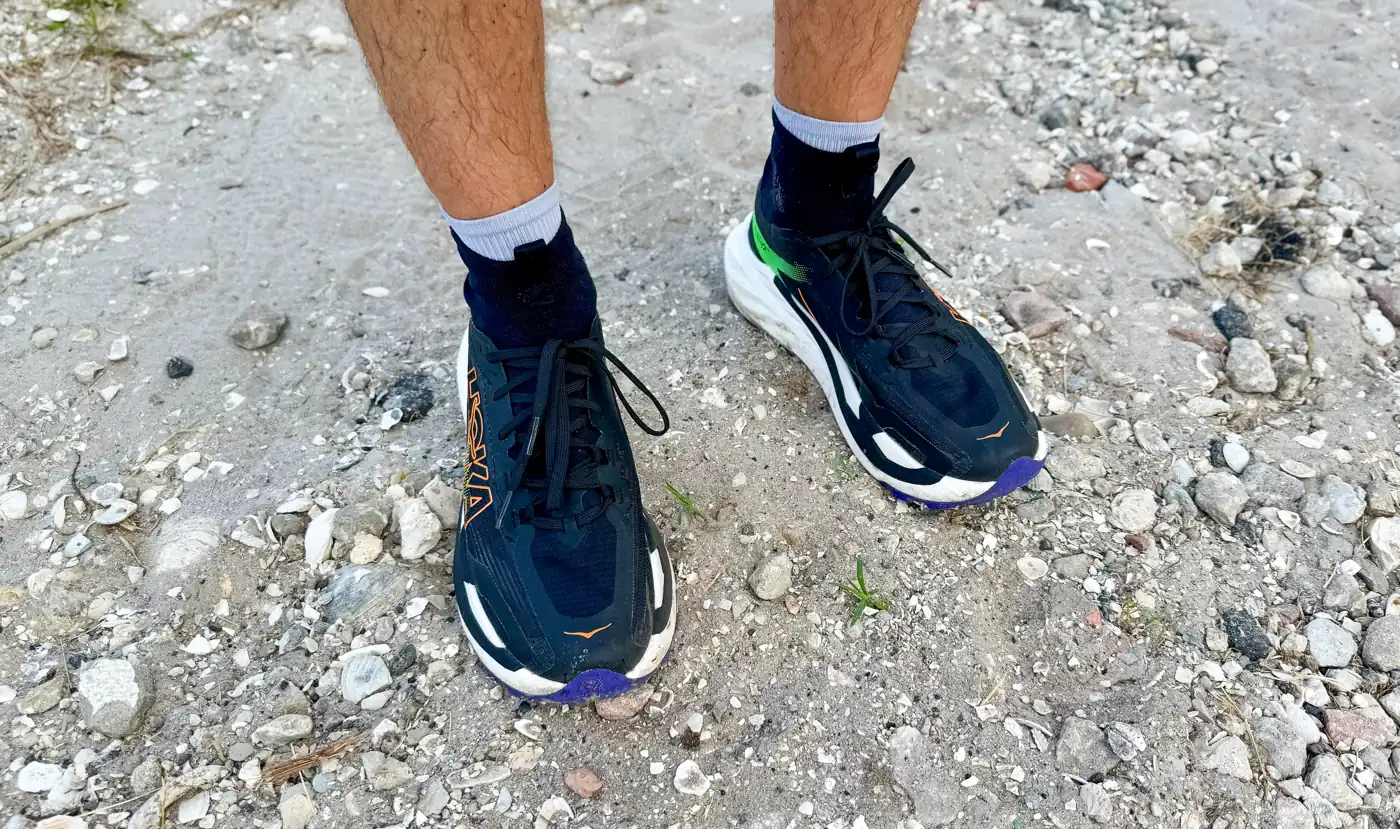
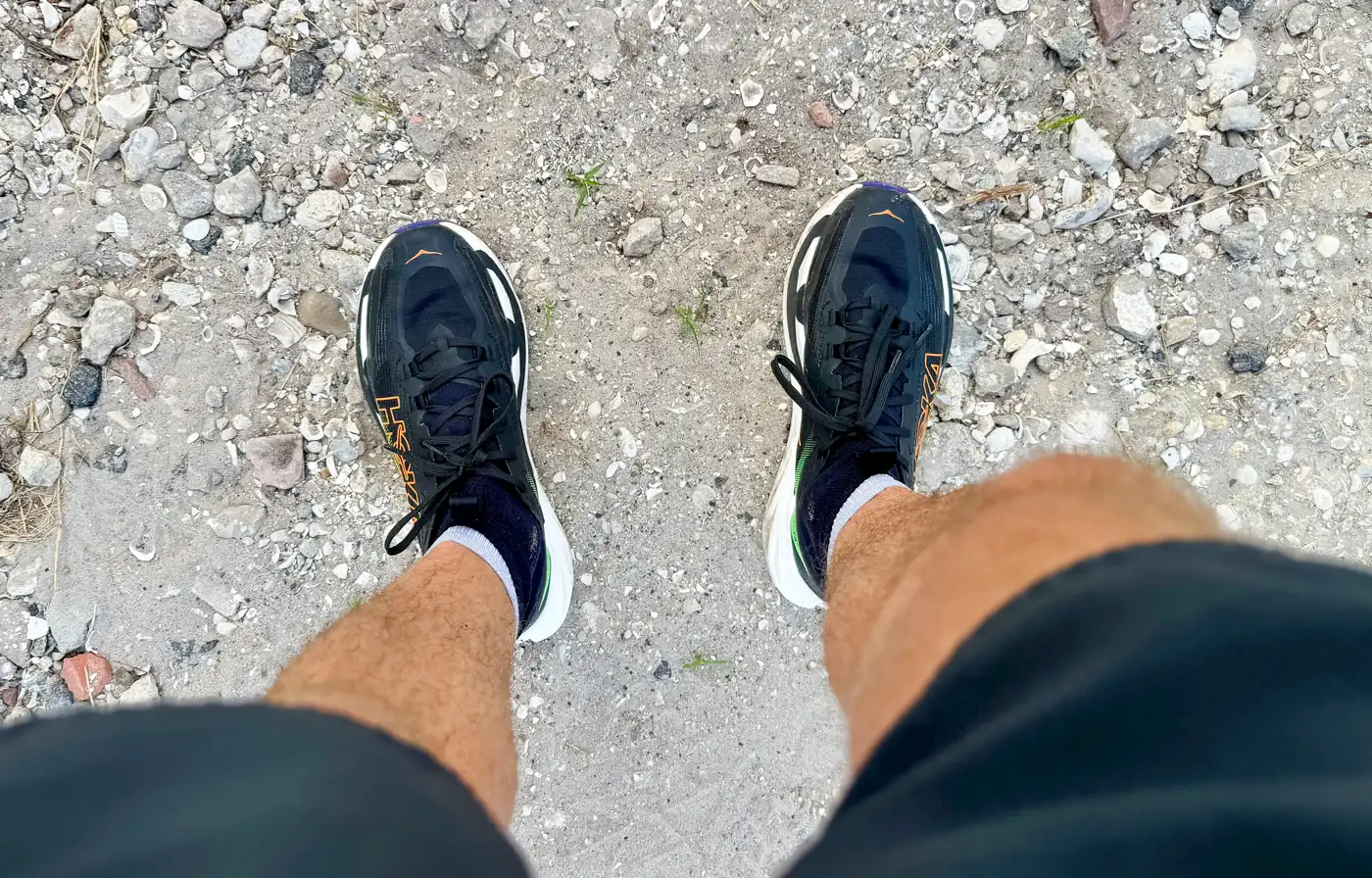
The Tecton X 4 fits true to size with good midfoot hold and a toe box that's roomy enough for most feet. It's more tapered than some older Hokas, but the dynamic vamp stretches to accommodate toe splay and foot swelling over long distances.
Lockdown is secure and race-ready once broken in, with no excessive pressure points. That's a meaningful step forward from the big toe pressure I flagged on the X 3.
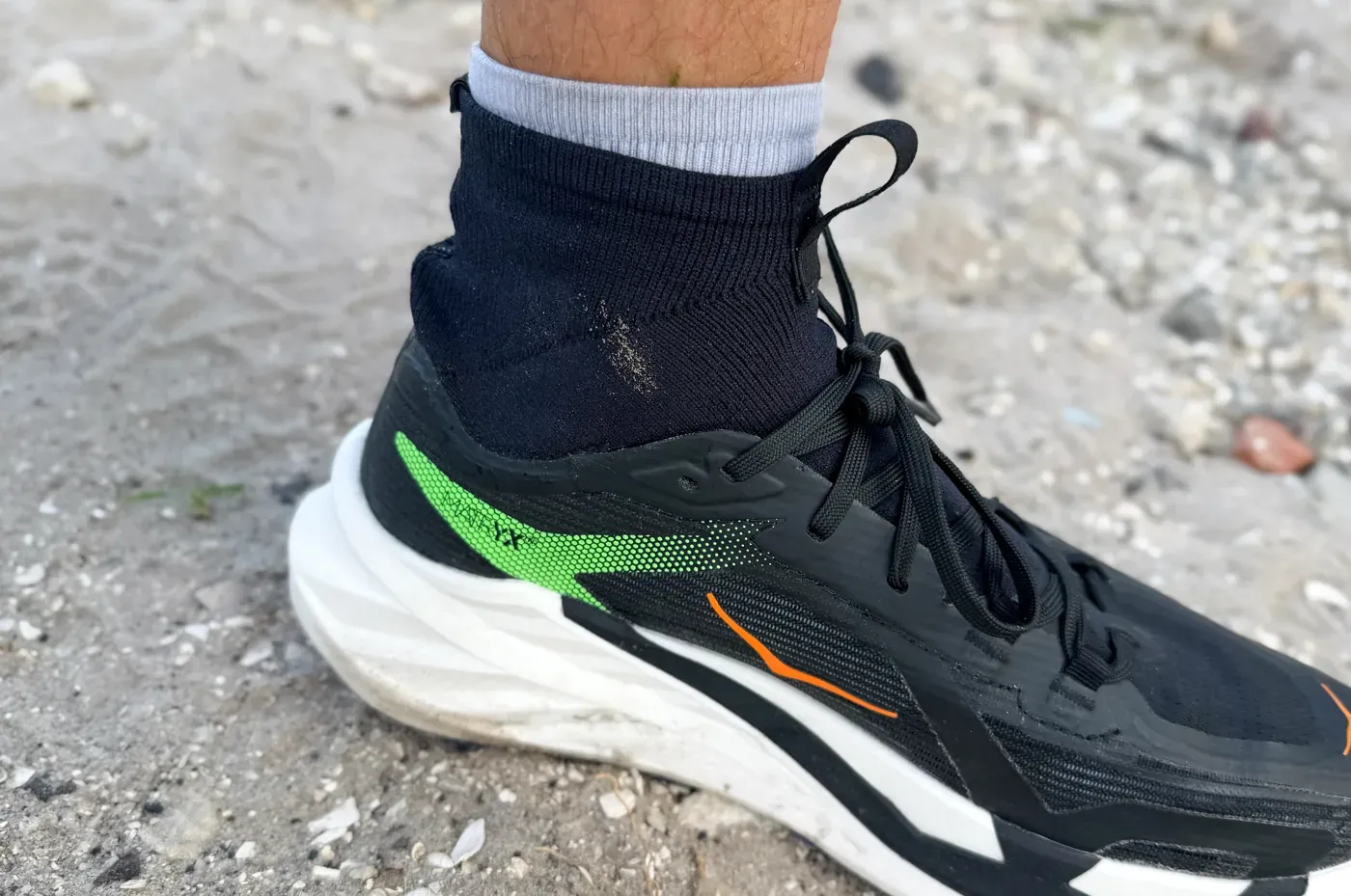
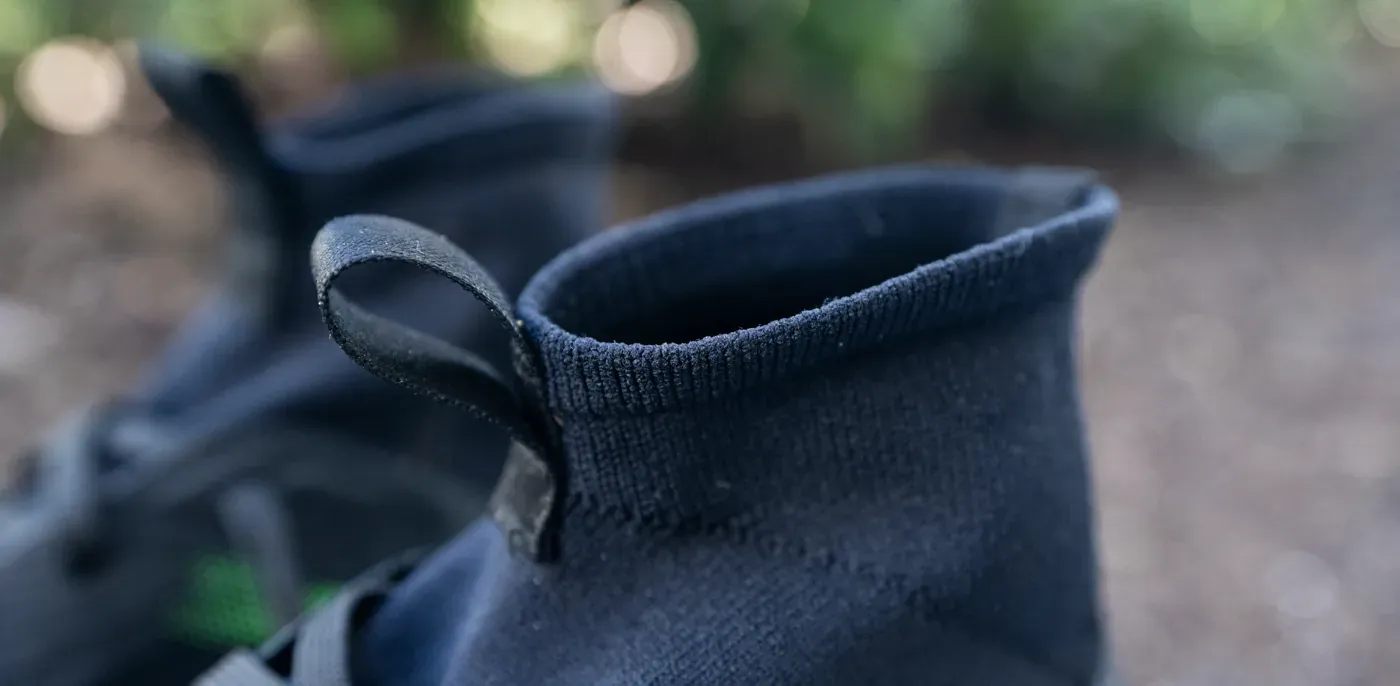
The gaiter collar seems thinner than before too, so the collar rubbing that bothered me on the previous version is no longer part of the story with the Tecton X series.
Performance review
This is where the X 4 earns its $275, and where the beneficial changes from the X 3 really show.
The dual plates finally play nice with technical ground
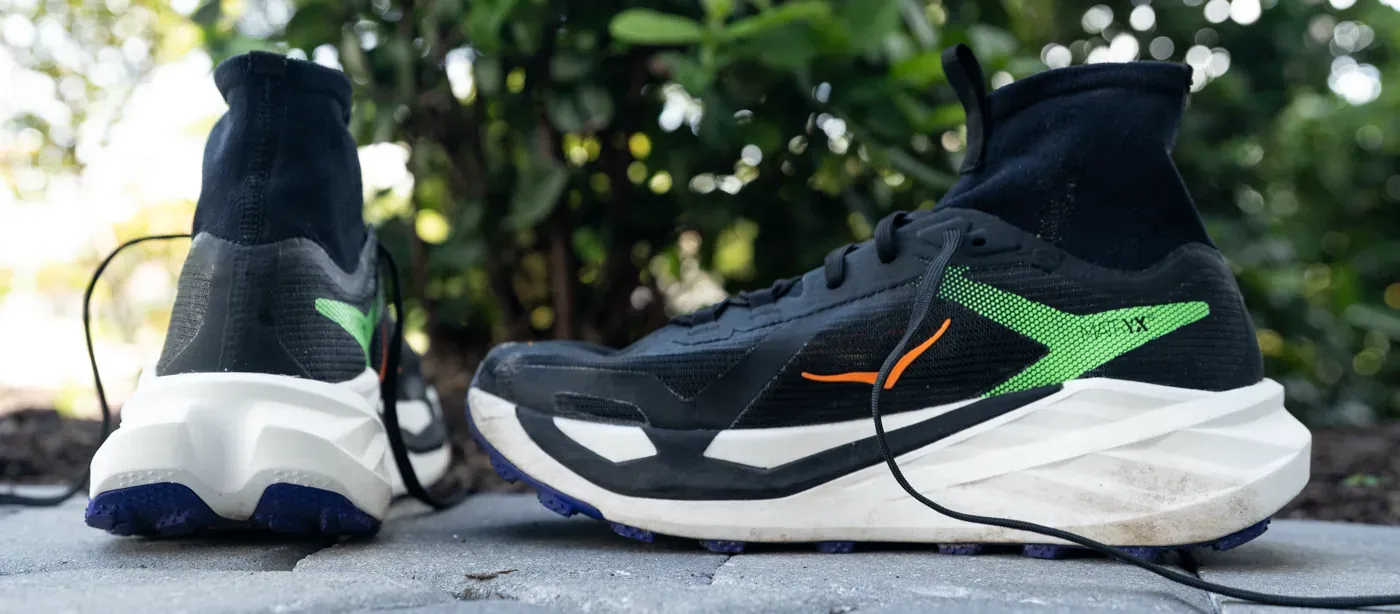
The parallel carbon plate concept has always been the Tecton's signature, but this is the version where it matures.
The plates are repositioned and adjusted for more efficient propulsion, the visible external wings are gone, and the whole structure is less rigid (torsionally speaking) than the X 3.
On rocky, rooty, cambered singletrack, the shoe now conforms and flexes with the terrain rather than fighting it, as one block.
That's the rare trail supershoe trick; real energy return that doesn't cost you confidence when the ground gets ugly. Foot placement feels fairly precise (as much as to be expected with a wide footprint like this), and the shoe never feels perched.
Propulsive on climbs, planted on descents
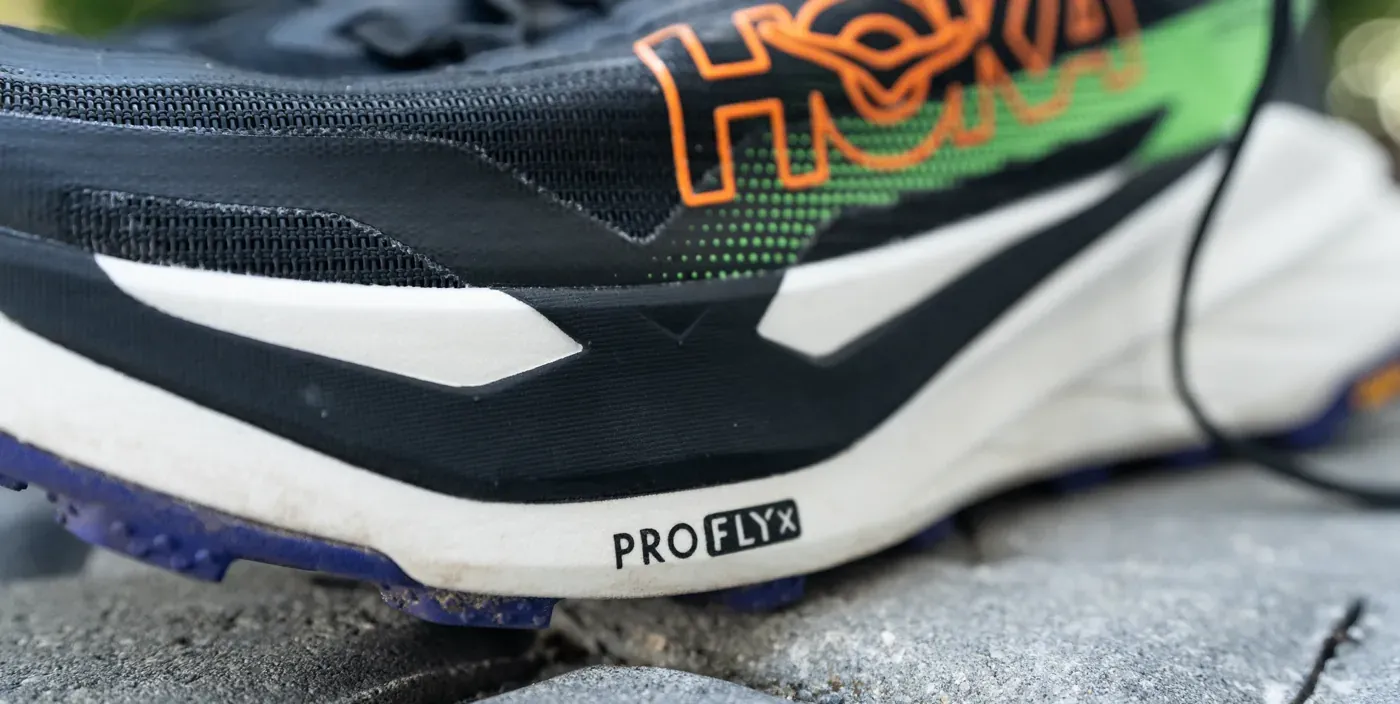
On climbs, the dual-layer PROFLY X PEBA and plate combination delivers excellent energy return and efficiency. It feels light and responsive underfoot, with clear pop on ascents and smooth transitions through the MetaRocker.
Descending is where the wide platform pays off.
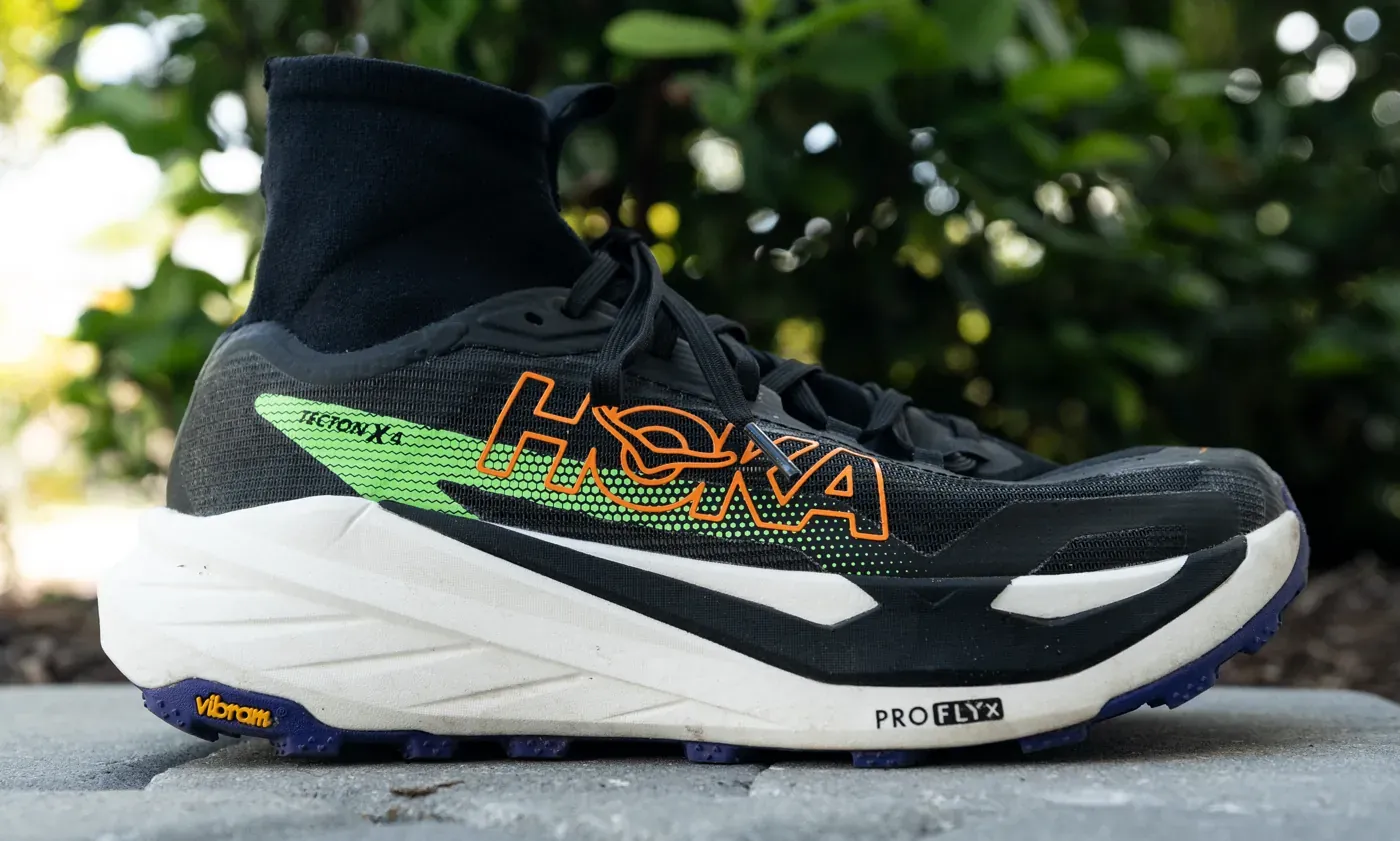
The broad base, the flexible dual-plate setup, and the firmer lower foam layer combine for a controlled, stable feel rather than anything skittish.
On flatter, flowy sections, gravel, and fire road, it's highly efficient and genuinely enjoyable for long efforts. This is a shoe built for fast, long endurance racing more than short aggressive speed, and that's exactly the brief.
The weight-to-cushion ratio deserves its own mention: 9.4 oz (US men's 9) on my scale for a 40mm stack, dual plates, and full Vibram coverage is impressive.
For how it stacks against the field, see my best trail racing shoes roundup where you'll find it in the ultra running category.
The Best Trail Racing Shoes, Right Now in 2026
Premium trail running shoes designed for getting the most out of your race day; including vertical kilometers, skyraces, ultramarathons.
 Alastair Dixon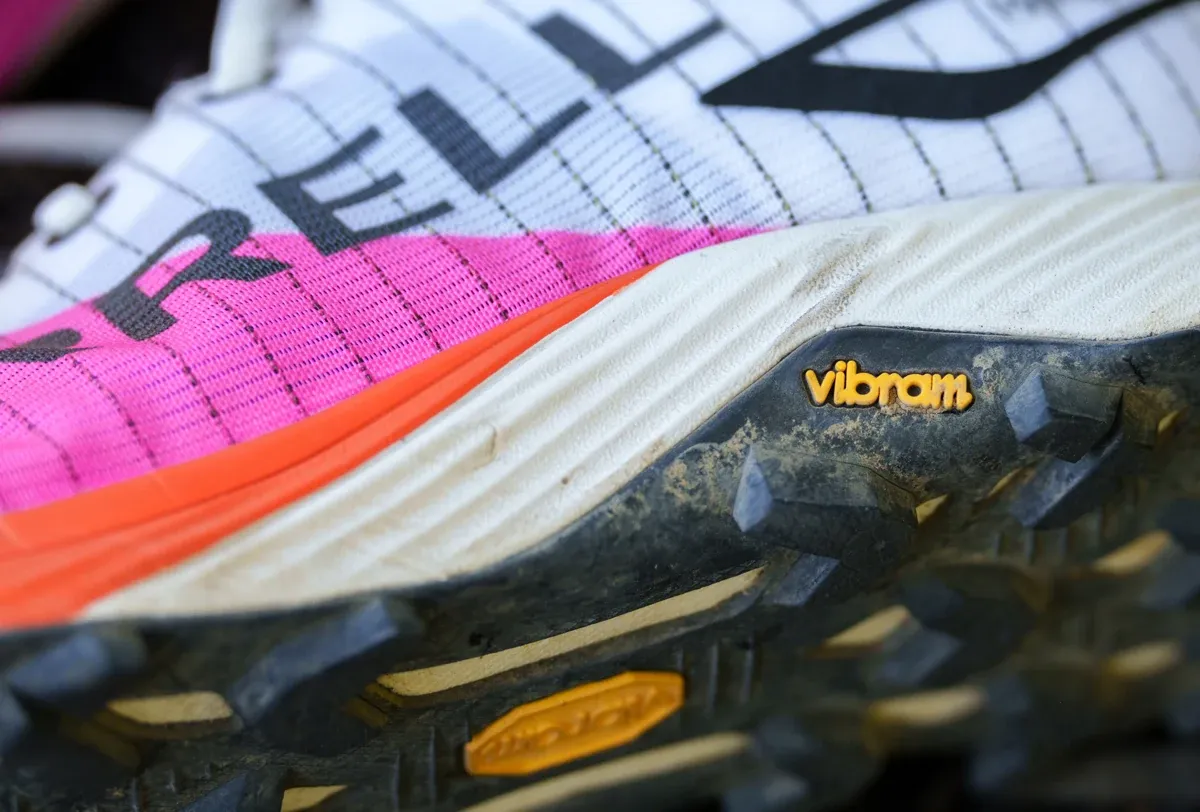
Breathability is finally fixed
This was my biggest X 3 complaint, and Hoka listened.
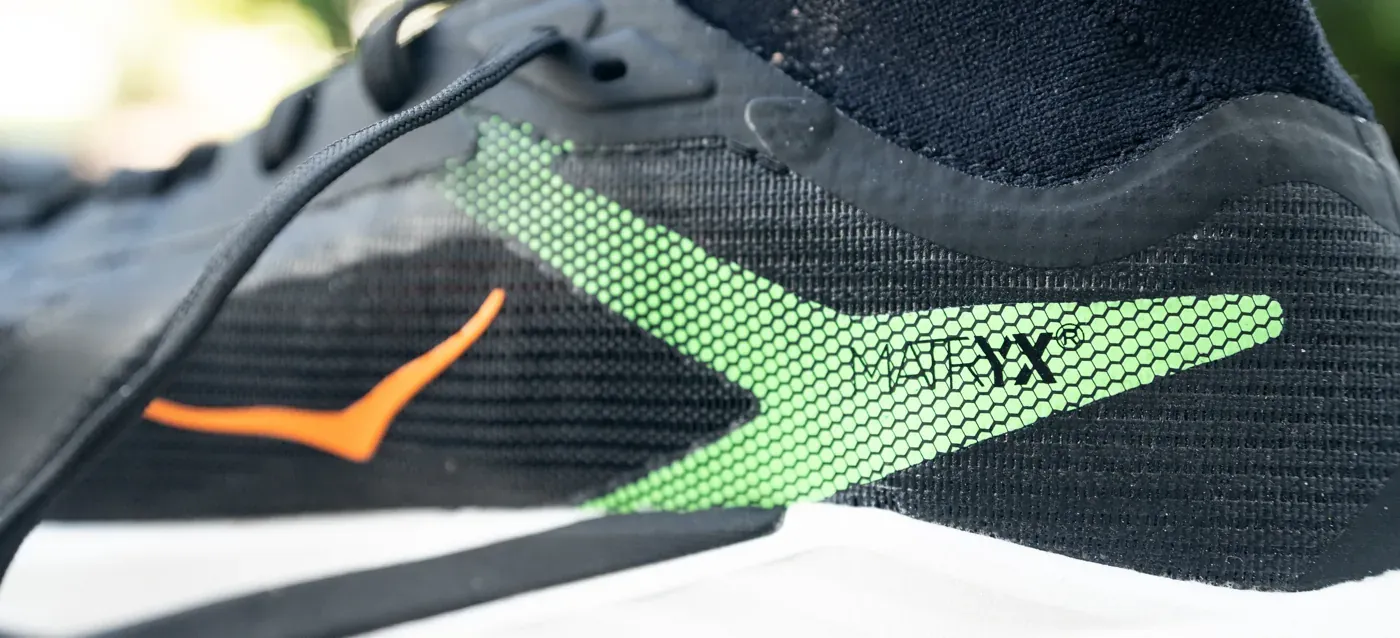
The switch from standard Matryx to Matryx Micro makes the upper thinner, airier, and noticeably more see-through when held to light, while actually improving abrasion resistance for its weight. It sheds water better too but its still not waterproof.
The built-in gaiter remains, but it's thinner and holds less moisture, and the breathability gain is clear even with it in place. The gaiter itself is still excellent at its job, keeping sand, grit, and small rocks out over long days.
Vibram grip with one honest limit
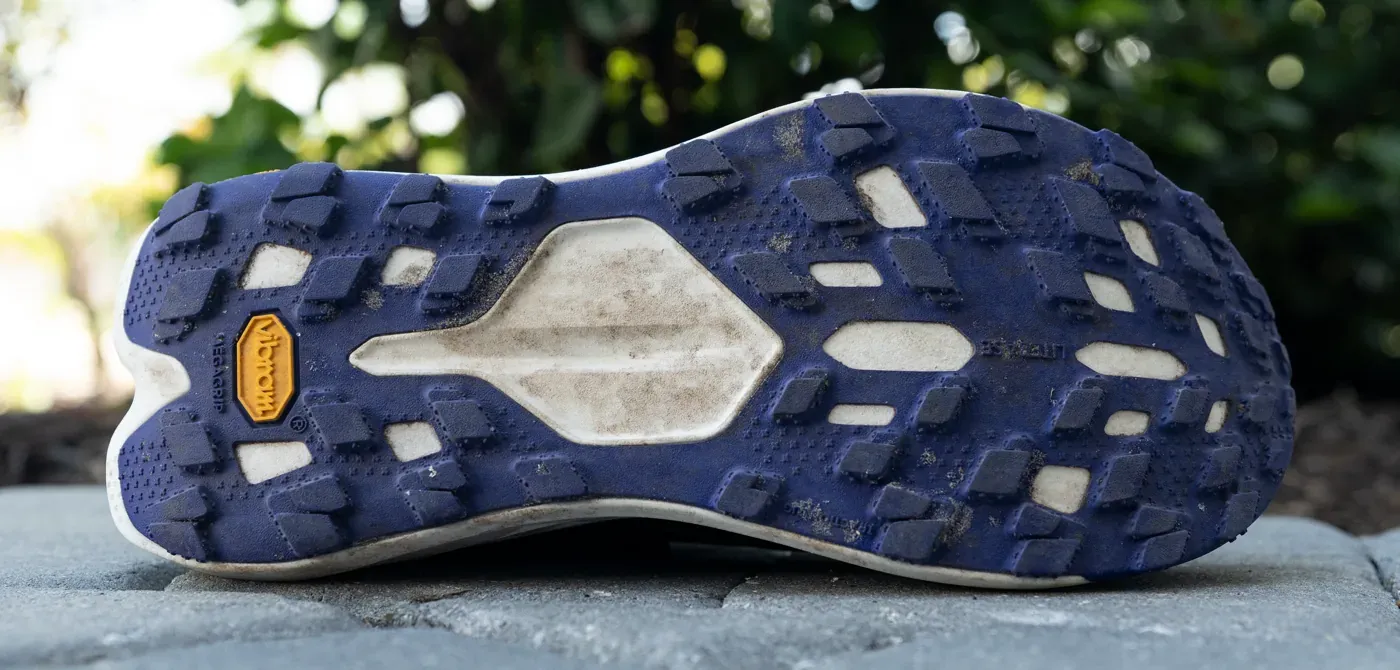
The Vibram Megagrip Litebase outsole with its 4mm Traction Lugs is strong and predictable on hardpack, rock, gravel, and mixed technical terrain.
Litebase trims rubber thickness and weight while keeping the sticky compound, and the grip is planted and confidence-inspiring across the technical-to-runnable terrain this shoe is built for.
The honest limit is deep mud, where the shallower lugs, flat edge geometry, and some exposed midsole foam hold it back. And as with most race outsoles, heavy tarmac miles will accelerate wear, so save it for the dirt (I know you will anyway ;)).
Built for long race days, with two small wishes
Everything about the X 4 points at long, hard race efforts; the cushioning, the secure lockdown, the debris protection, and the low weight for what you get.
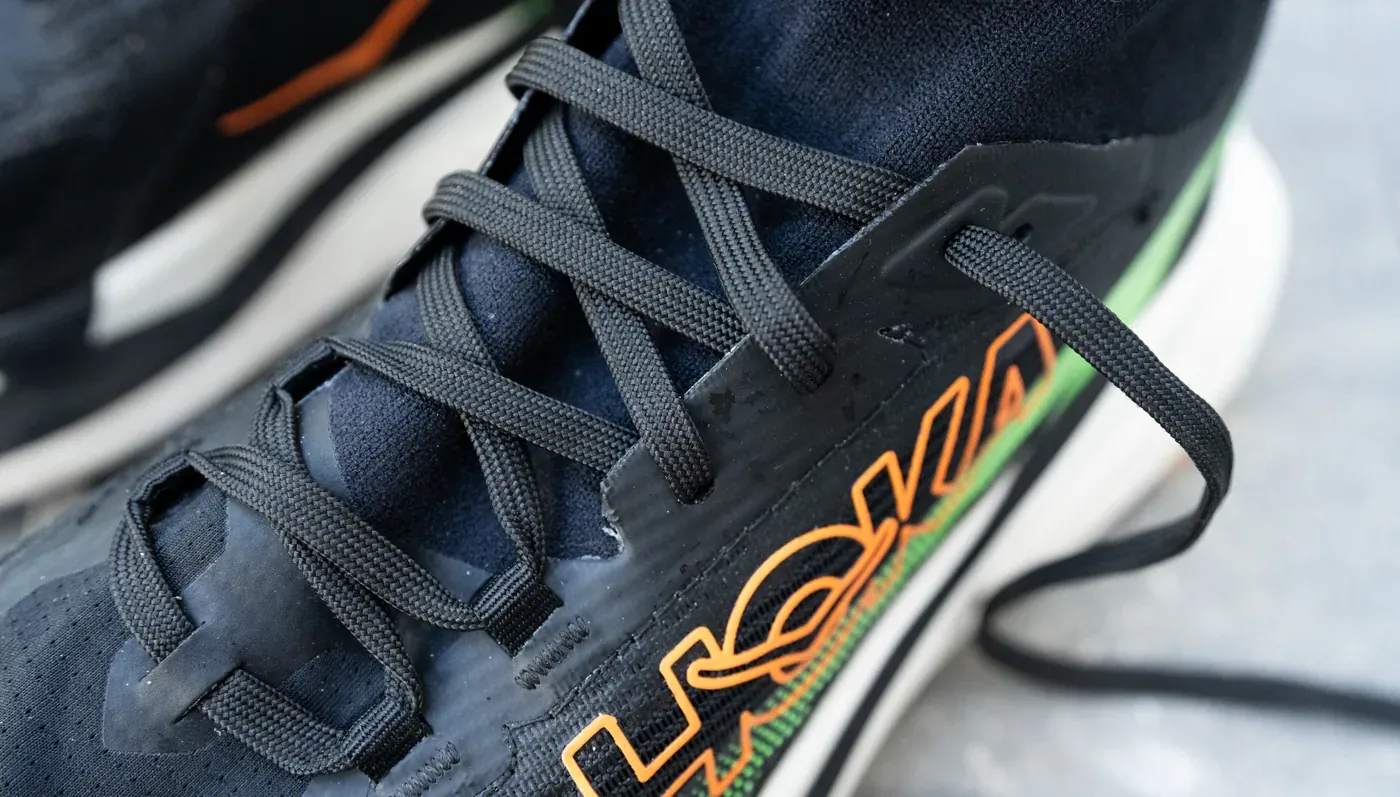
The lacing setup is thoughtful too, with ghillie construction below, conventional eyelets up top, and an extra eyelet for heel-lock lacing when you want maximum security.
My two wishes are practical ones...
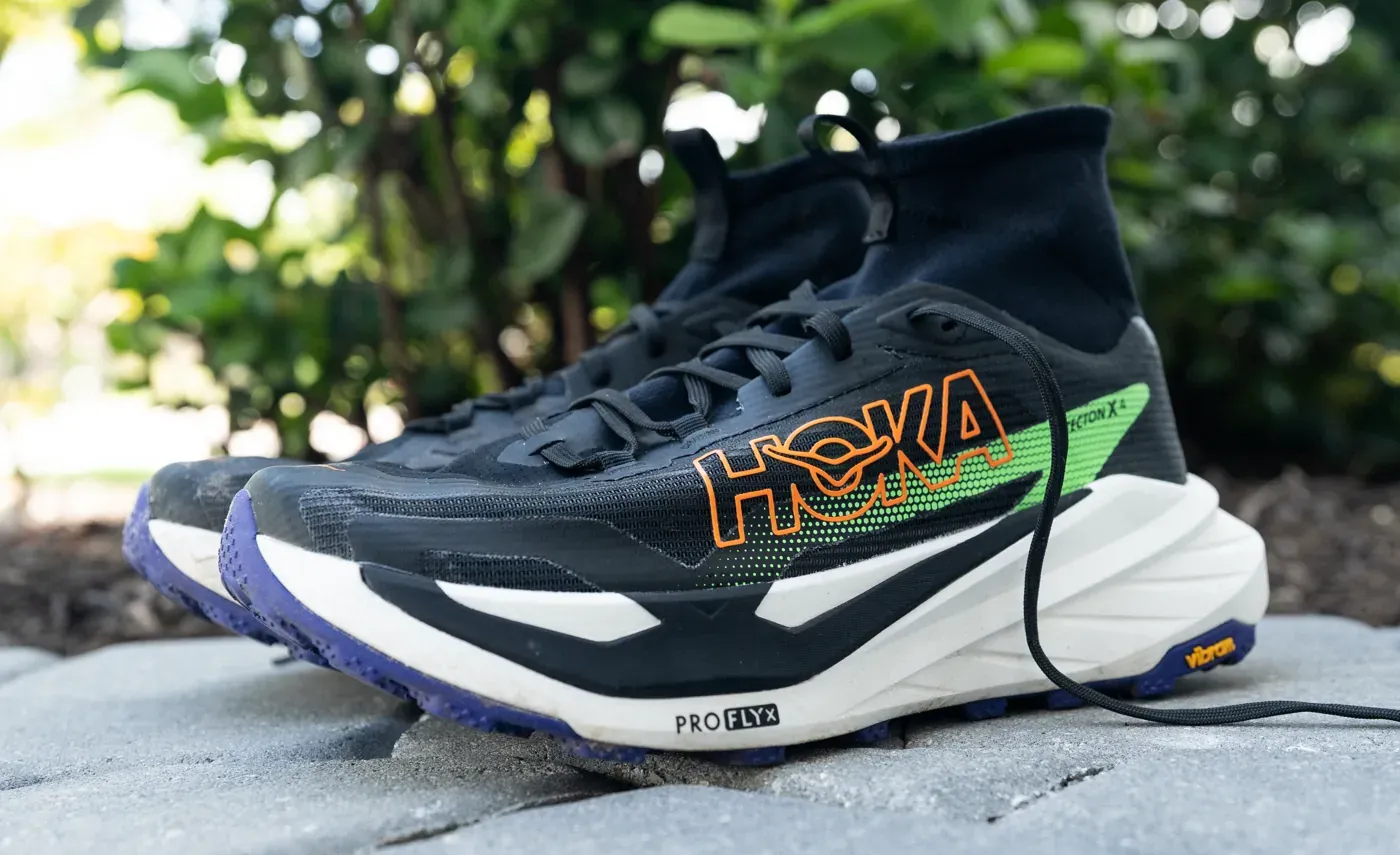
It still needs a finger loop at the heel to make getting in and out easier/faster with the gaiter (something I asked for on the X 3 as well), and it needs a lace-stow solution to manage excess lace ends cleanly on race day.
Neither is a deal-breaker, but at $275 these conveniences should be standard.
Adidas Agravic Speed Ultra 2 Review: Fast, With One Catch
Stacked Lightstrike Pro, Energy Rods, and Continental grip make a genuinely bouncy long-trail racer. The narrow last keeps it from being a stable one.
 Alastair Dixon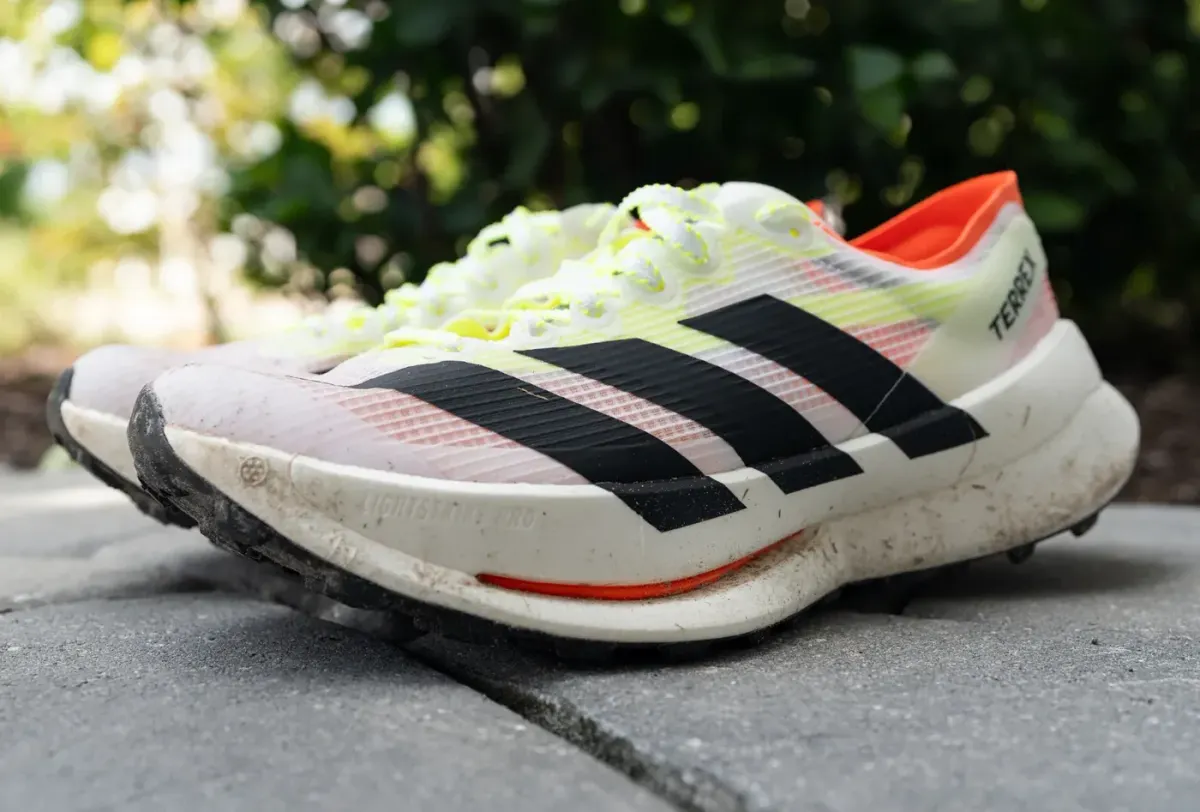
For adidas's take on the trail supershoe, and its stability trade-off, see my Agravic Speed Ultra 2 review.
My verdict
The Tecton X 4 is the shoe the Tecton line has been building toward, and it's the version that won me back; so there's a lot to be said about that.
The dual plates finally deliver propulsion and better stability (without torsional stiffness), the wide platform gives it inherent stability that most high-stack carbon trail racers can't match, and the Matryx Micro upper fixes the breathability issue I'd been calling out since the X 3.
At $275 it's firmly a race-day and key-long-run tool rather than a daily beater, but the tech package justifies the price for serious racing. Against shoes like the On Cloudultra Pro (which I compared to the standard version in my Cloudultra Pro vs Cloudultra 3 article), the X 4 feels more complete and less compromised on true technical terrain.
If you're racing technical mountain ultras this season, this is one of the best tools you can buy.
Who should skip it: deep-mud specialists, anyone wanting a casual daily cruiser for easy and recovery miles, and runners who don't need race-day tech at this price. For Hoka's more everyday options, my best Hoka running shoes guide has you covered.
For my complete rankings across every category, see my guide to the best running shoes right now.
Best Running Shoes 2026: 10 Picks I Actually Train In
The 10 best running shoes of 2026, every one tested over real miles by me. Daily trainers, race-day picks, stability, and trail shoes that earn it.
 Alastair Dixon
If you haven't already, signup for my free newsletter, and subscribe to my YouTube Channel for more content like this. 👉🏼 And for an inside look at what comes into my studio with unboxings, lace up reels, and short form reviews, follow me on Instagram, and TikTok. -Alastair
Written by

Subscribe to new posts
reviews, training tips, and thoughtful stories for runners








Member discussion