
COROS APEX 4 makes long trail days simpler with battery life you stop thinking about
Big battery, fast offline maps, and a no-drama training ecosystem for runners who’d rather run than babysit a watch.


If you’ve ever started a long run with that tiny voice in your head going, “Will this thing die before I’m back at the car?”… that’s basically one of the core problems the COROS APEX 4 is built to solve.
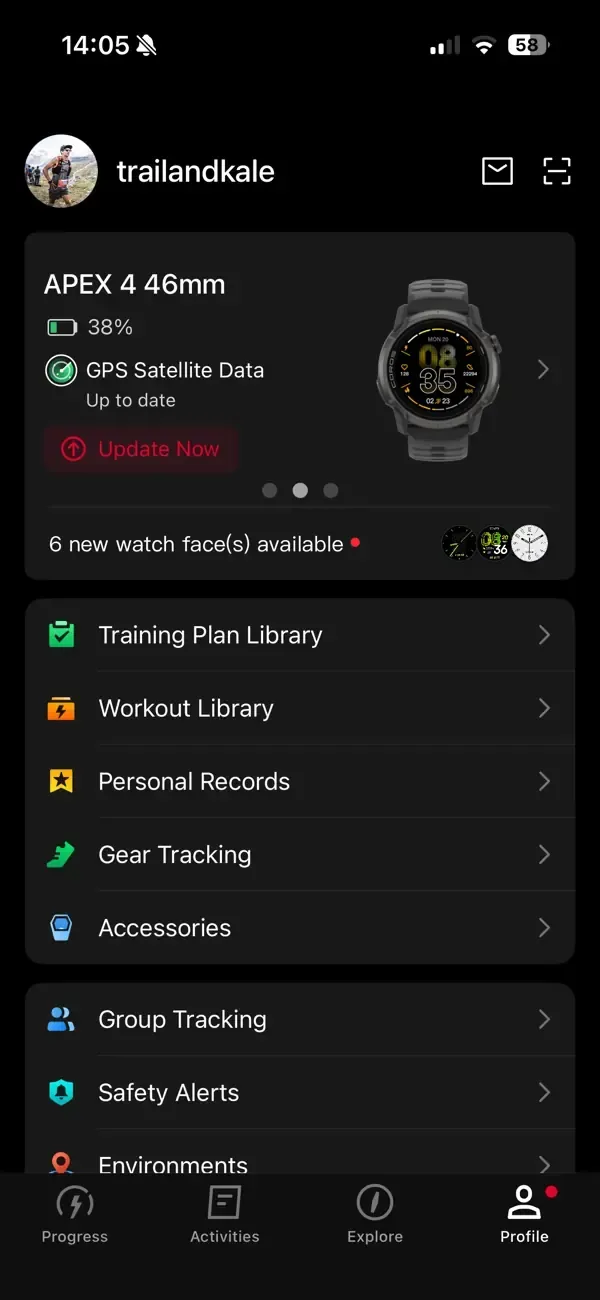
I’ve been wearing the 46mm version for about a month across steady training weeks and trail runs, and the overall vibe is pretty clear: COROS cares more about reliable data, navigation that actually helps, and battery life than flashy smartwatch perks.
It’s not a radical redesign versus the COROS APEX 2 on first glance, but once you’ve used it for a week on real routes, especially trails you don’t have memorised, you notice the upgrades in the places that matter most: maps, elevation and gps accuracy, and how little you have to think about charging.
👋
If you purchase gear through links in this review, I may earn a small affiliate commission. If you enjoyed this review, become a member of my site, (it's free!). -Alastair ✌🏼
Key specs (46mm titanium + sapphire model I tested)
For context, the one I am reviewing is the 46mm titanium + sapphire version.
- Price: $479 at coros.com
- Weight: 64g
- Battery: up to 65 hours GPS (and realistically weeks for everyday wear if you tweak a few settings)
- Display: 1.3" always-on MIP touchscreen
- Build: titanium bezel, sapphire glass, polymer case
- GPS: dual-frequency, multi-GNSS
- Navigation: offline topo + street maps, 3D terrain, POIs, quick map access
- Sensors: optical HR, HRV, SpO₂, wrist temp, barometer
- Audio: mic + speaker (calls, alerts, voice pins)
- Charging: proprietary USB-C dongle
The headline here is basically: lightweight for the category, and built around long-use reliability.
The 5 setup changes I’d make on day one
Most “watch opinions” are really “default settings opinions”. With COROS, a few quick tweaks can make the whole experience feel more dialled in.
1) Choose the right GPS mode for the day
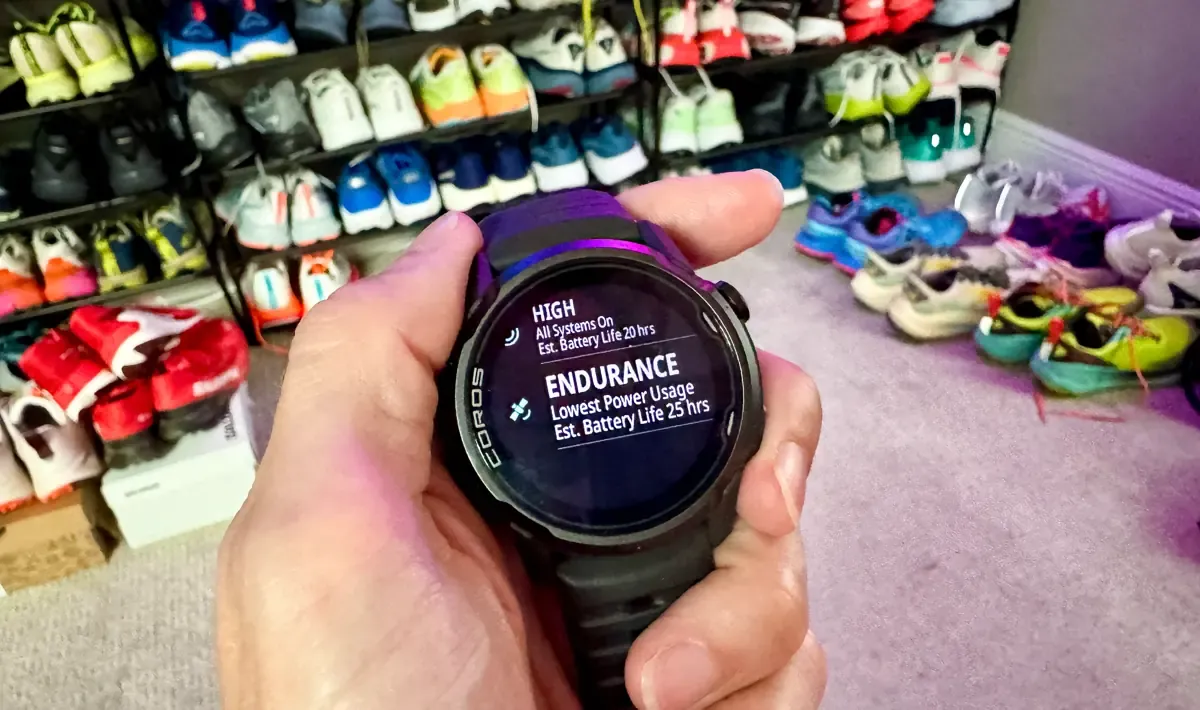
- Dual-frequency: when you want maximum precision (technical terrain, canyons, messy tree cover).
- Endurance mode: when you want more battery life without your track going weird.
If you’re training for an ultra, this is the one setting worth understanding. If not, you can leave it alone and still be happy.
Trail Running For Beginners (Part 1) | Alastair Running
Why trail running feels so different to road running, and how to start slow, stay safe, and fall in love with running beyond the pavement.
 Alastair Dixon
2) Calibrate the barometer before big trail runs
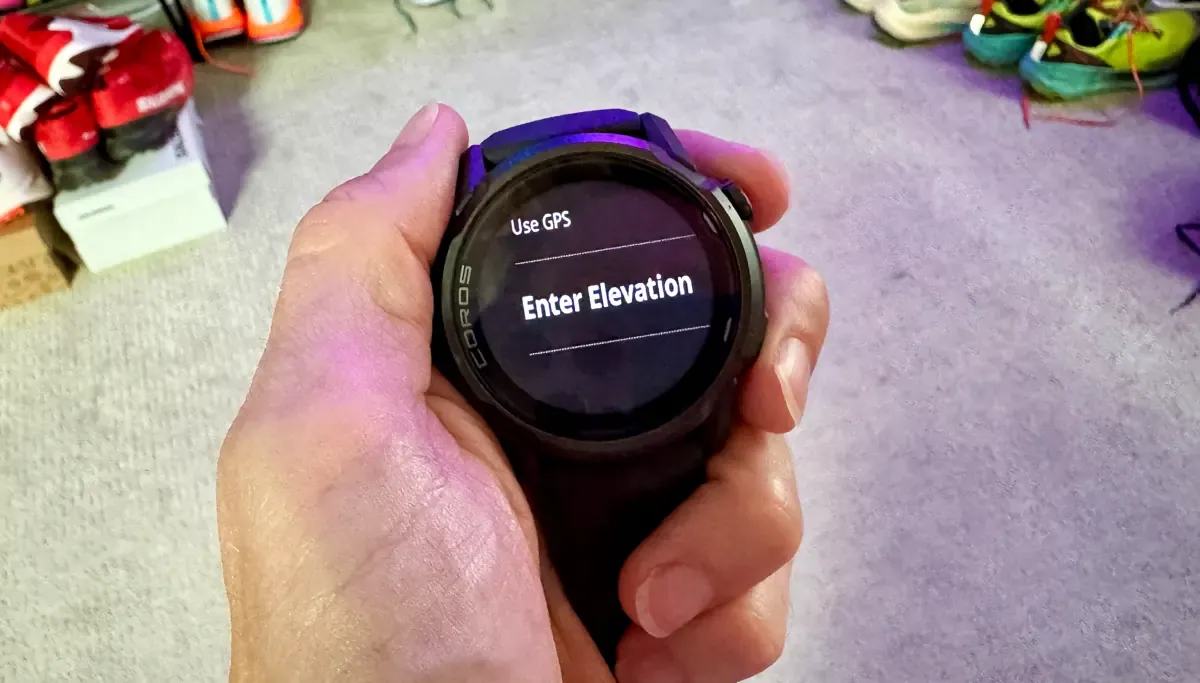
I do this before any run where I care about elevation numbers. It’s a small step, but it helps the vertical tracking start “clean”.
3) Download maps + learn the quick map button
Mapping is where the COROS APEX 4 feels meaningfully better than older COROS watches.
Maps download quickly, and the quick-access mapping button becomes second nature after a couple of runs.
4) Voice pins: useful, but adjust sensitivity
Voice pins are genuinely handy for exploring (trail junctions, “that climb was savage”, “water here”).
You can also turn sensitivity down so it doesn't pick up every heavy breath.
5) Battery-saving tweaks that don’t ruin the experience
A few easy wins:
- HR sampling less frequently day-to-day
- gesture-based backlight
- cut notifications to the stuff you actually want mid-run
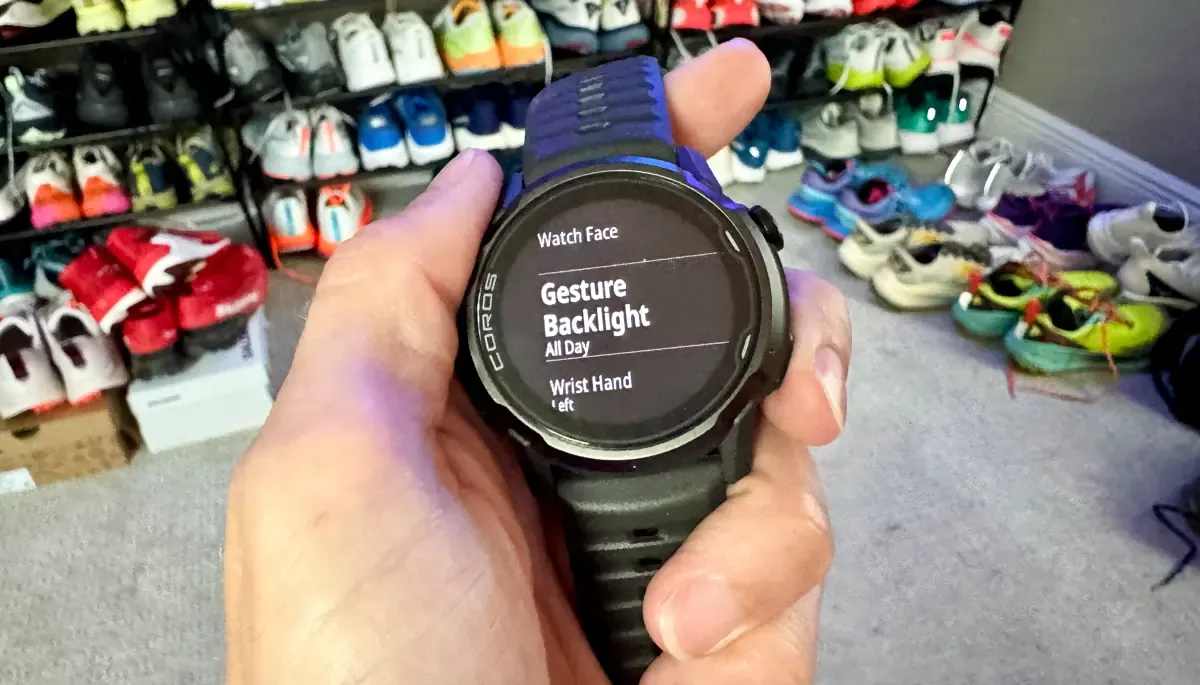
Do those and you’re into the “multi-week wear” zone pretty quickly, which still feels slightly ridiculous, in a good way.
Real-world use: what actually matters on runs
Comfort + wearability
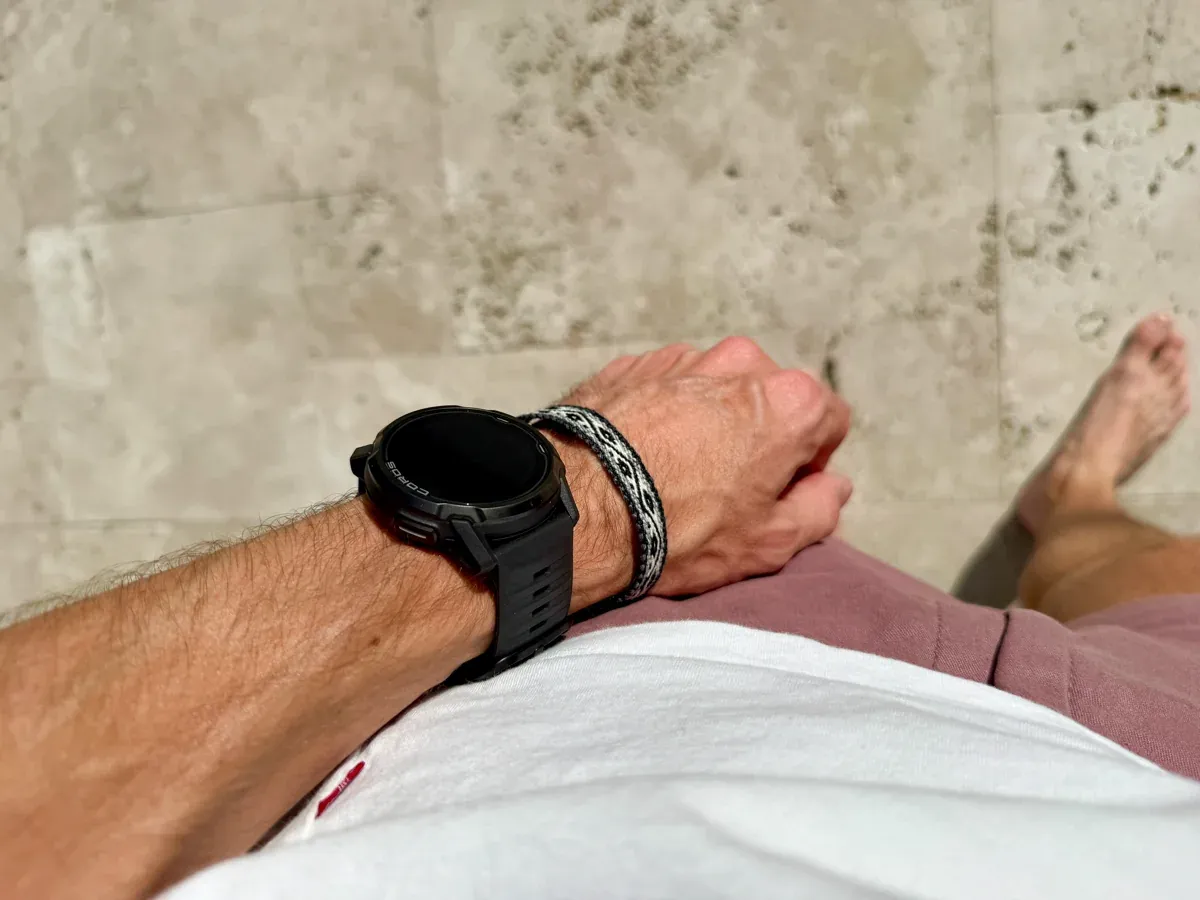
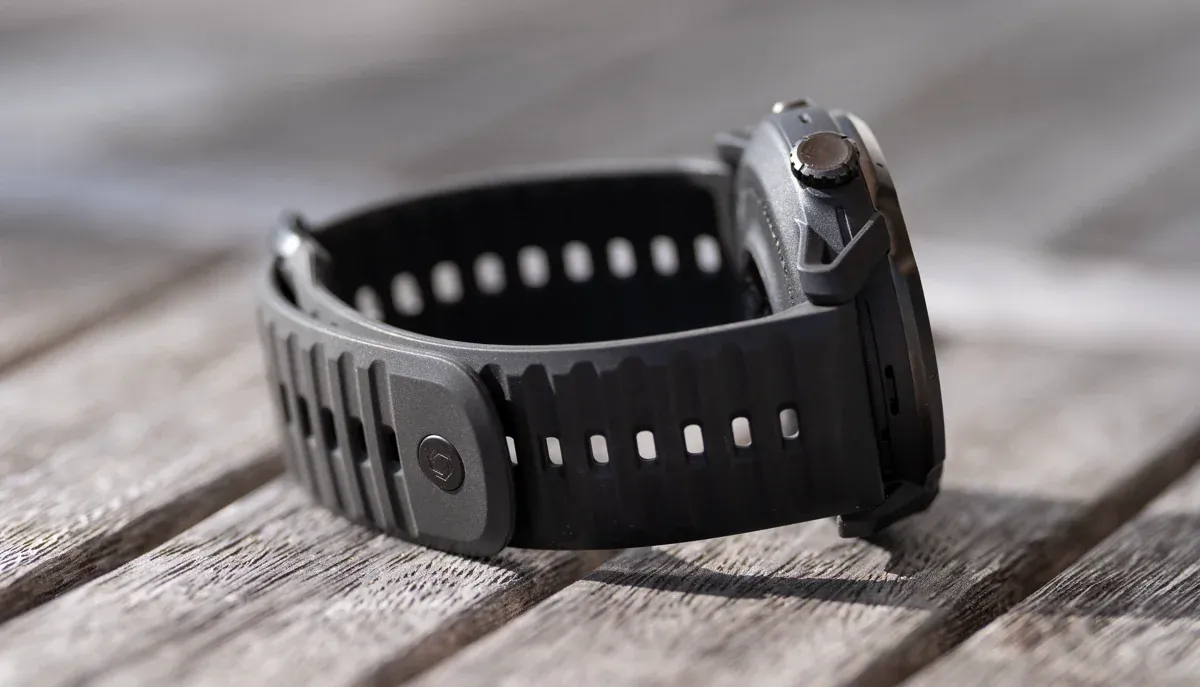
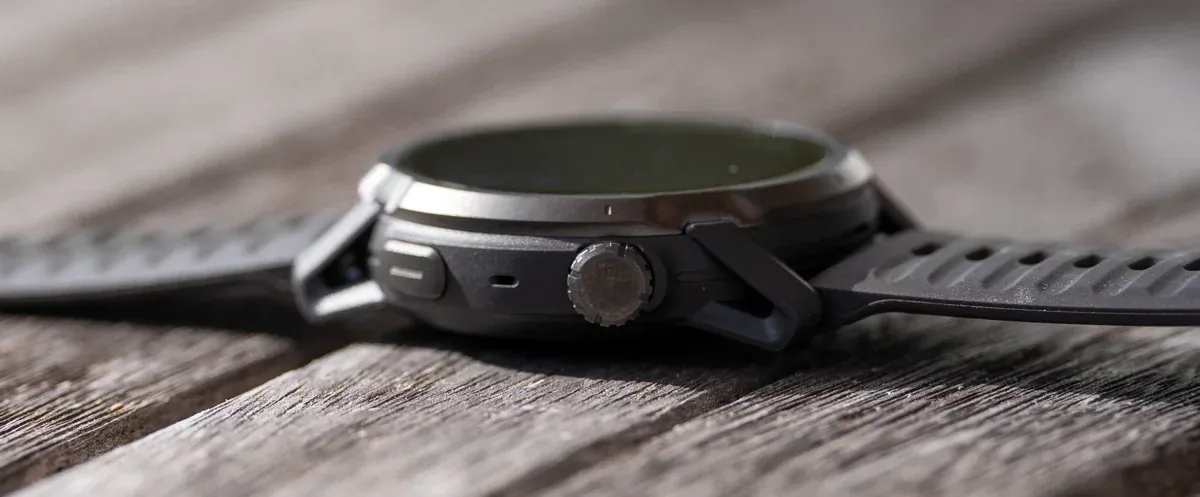
For a 46mm watch, it wears surprisingly well.
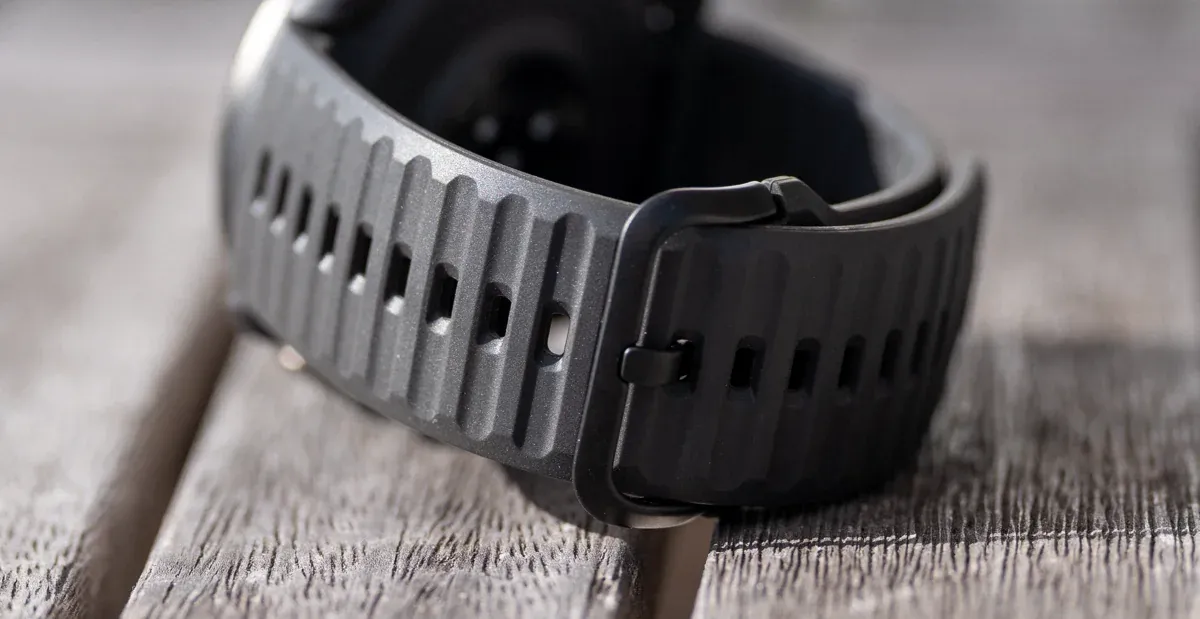
It looks rugged, but doesn’t feel like a brick, the strap and lugs keep it stable without needing to crank it down, which matters on long runs when your arms can swell a bit.
The display (MIP)
Indoors, MIP can look a bit flat.
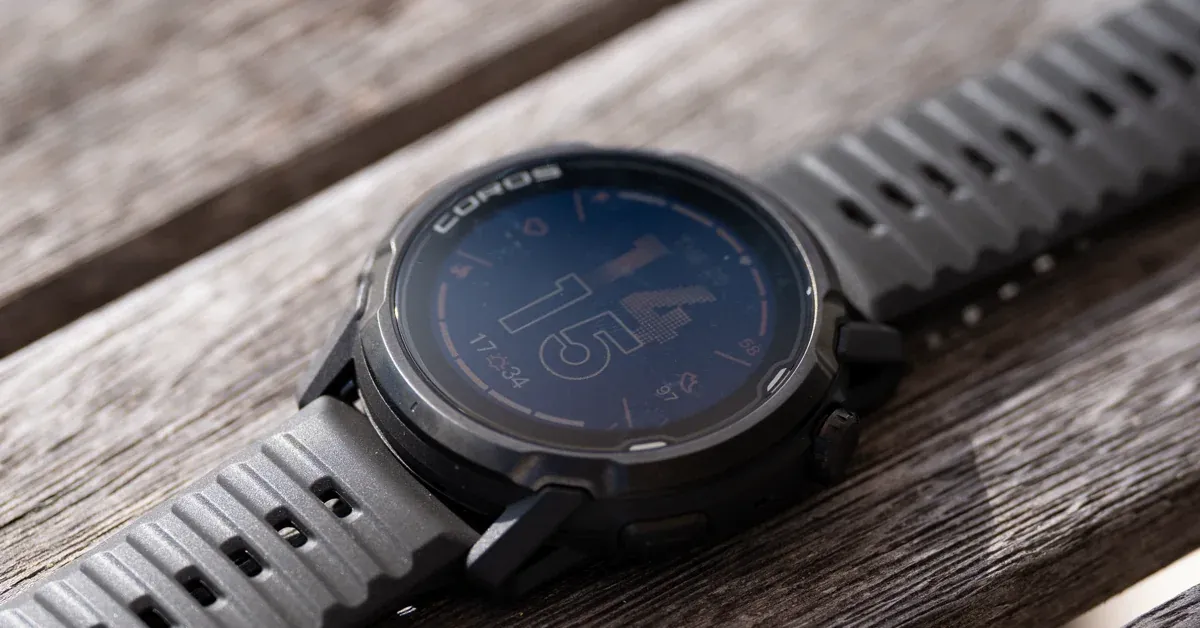
Outdoors, it’s exactly what I want: readable in bright light and not constantly eating battery.
If you’re coming from AMOLED, you’ll notice the difference, but if you care more about function than looks, you’ll get over it pretty quickly.
50K Training Plan + ULTRA RACE GUIDE
In this guide, I’m sharing ALL my 50K Ultra Marathon training plans, tips, and racing secrets.
 Alastair Dixon
Battery life (the main reason you buy it)
This is the part that changes how you train with it.
I stop planning around charging or checking battery before long runs. I pretty much stop thinking about “watch management” entirely, and that’s not a small thing if you run a lot.
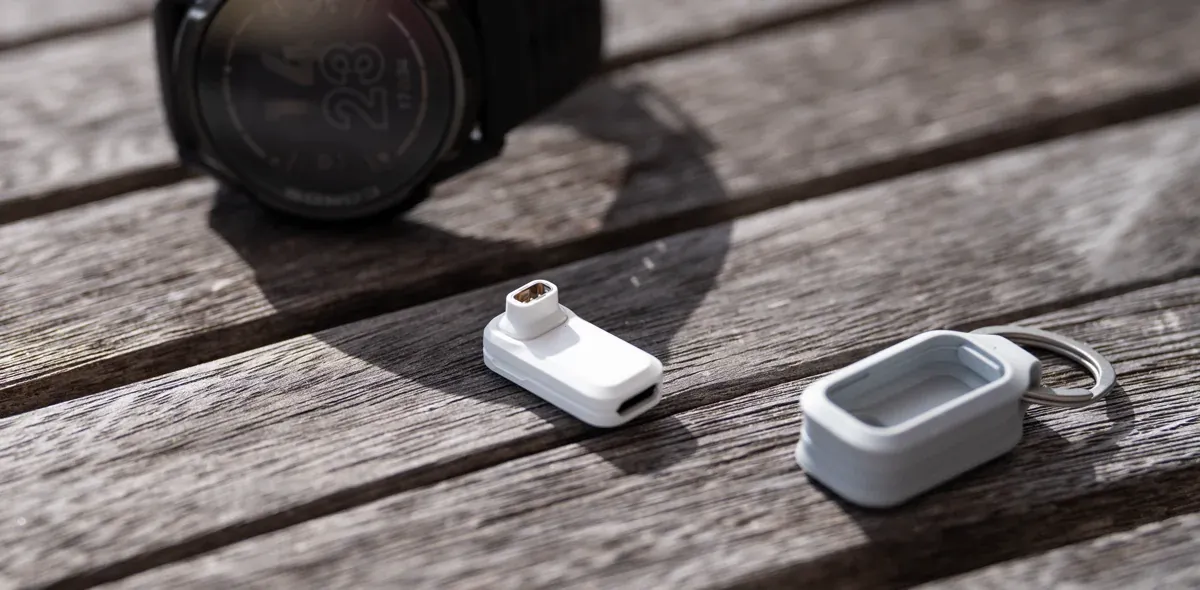
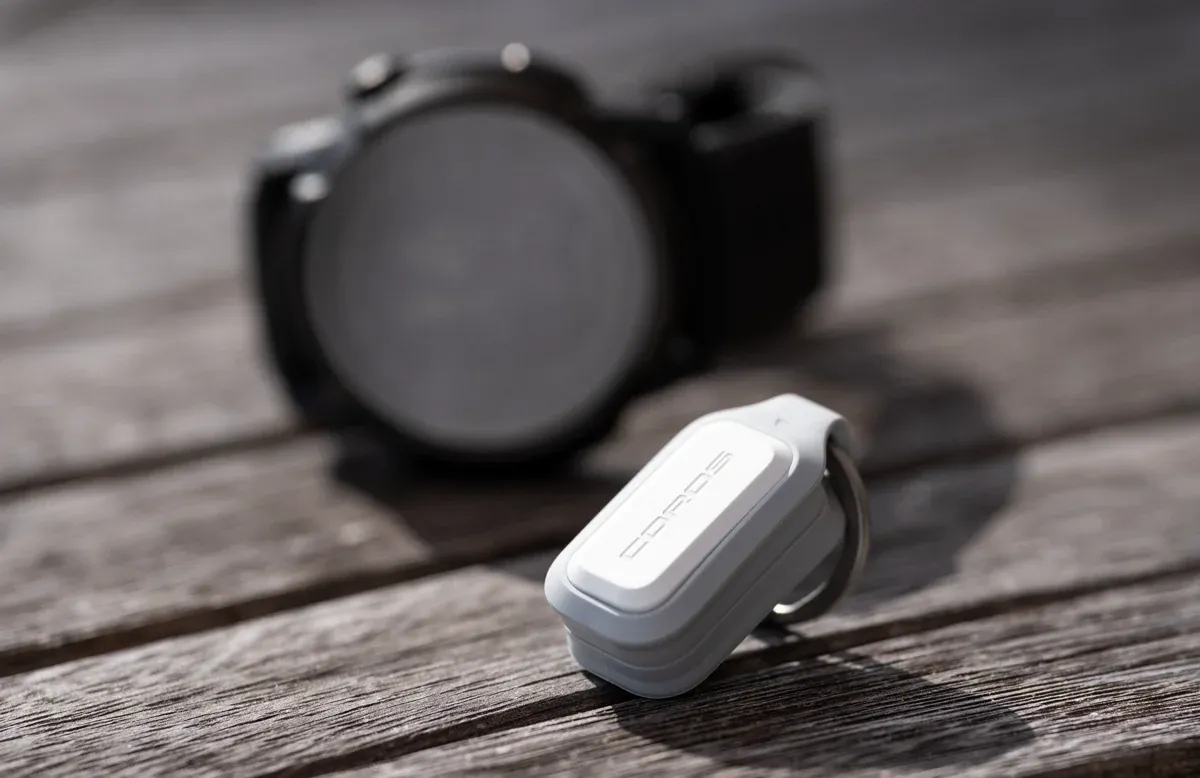
Fast charging helps too, a quick top-up before a run is enough (0–60% in about an hour). Just don’t lose the USB-C dongle, it's small but does come with a silicone case and keychain, so you shouldn't really.
GPS + elevation confidence
GPS tracks look very clean and accurate.
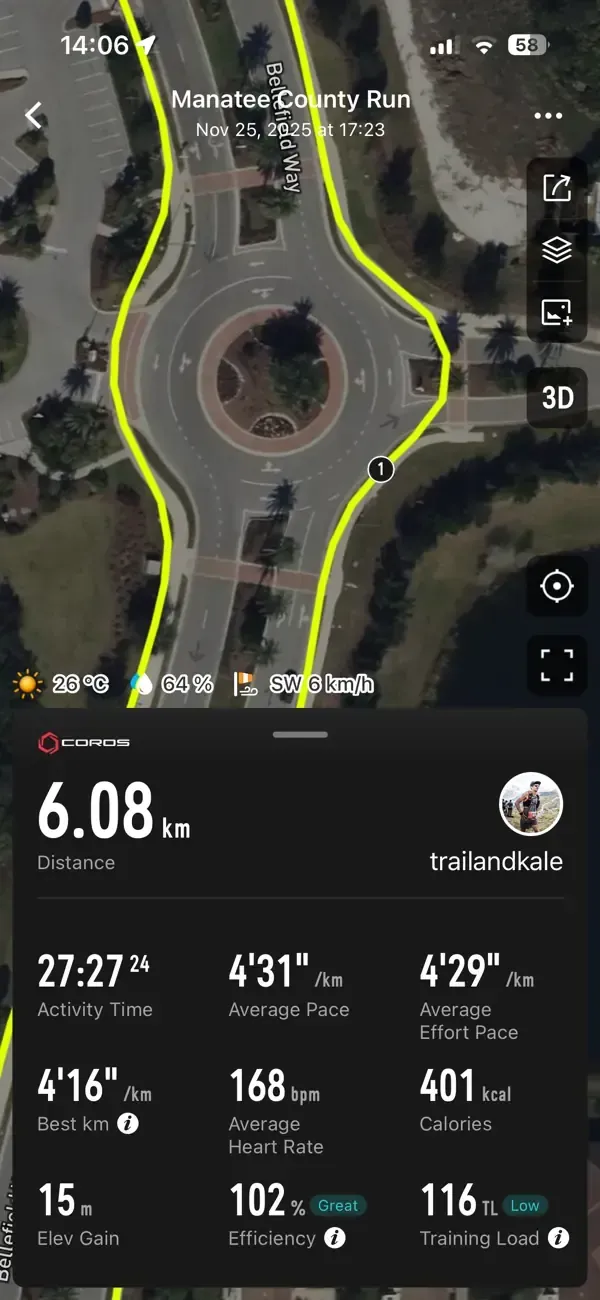
Elevation tracing is steady, and it doesn’t do that annoying “jitter” thing under tree cover that can mess with vert totals.
If you care about climbing stats, this is one of the quiet wins of the watch.
Maps + navigation (the biggest upgrade feel)
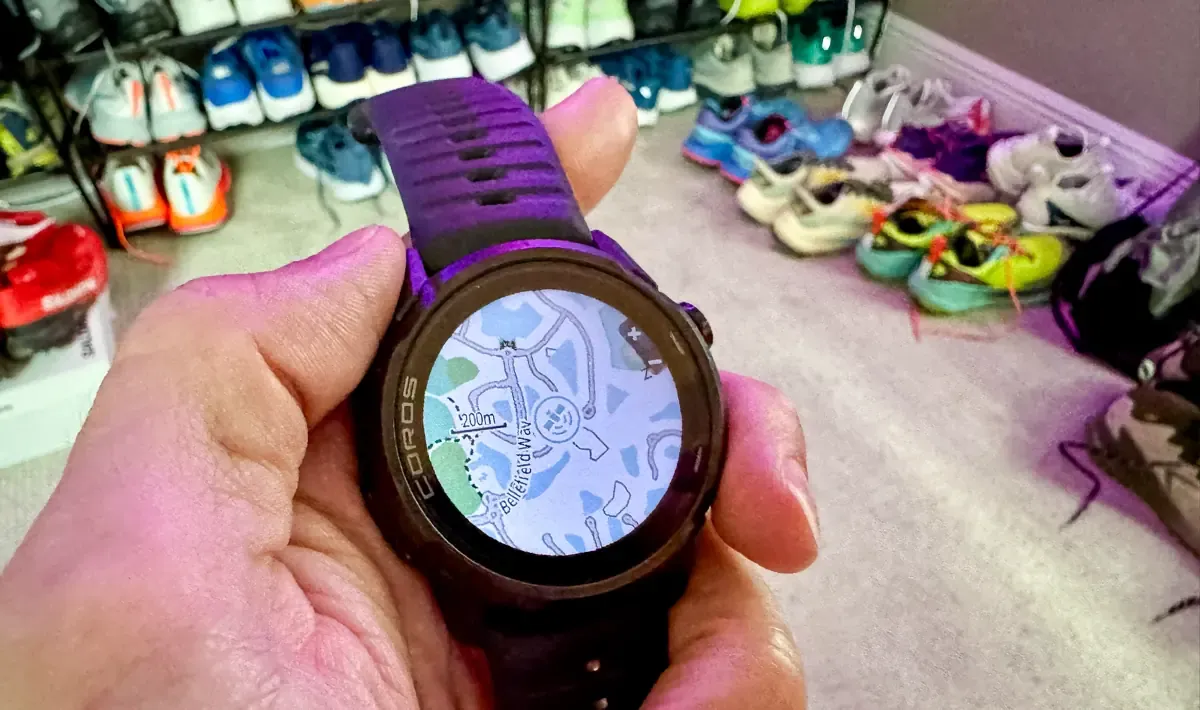
The maps are fast and responsive, and the inclusion of street/trail names makes navigation feel complete rather than “pretty but vague”.
The 3D terrain view is more useful than I expected.
On unfamiliar routes it helps you understand what the trail is about to do, not in a perfect “predict the future” way, but in a “don’t get surprised by the next hour” way.
If you regularly run trails you haven’t memorised, the mapping alone is a reason to consider the COROS APEX 4.
Training ecosystem (EvoLab)
COROS is still my favourite version of “enough data to make actionably smart decisions”.
EvoLab’s load, fatigue, recovery, readiness, it’s all presented clearly without making you feel like you need a physiology degree.
And honestly, I’m starting to prefer the way COROS lays this out compared with the equivalent in Garmin Connect (not sure if you’ve felt that shift too?). If you’ve got a Garmin setup you love, I’m not saying switch — just that COROS makes the interpretation part feel simpler, and in some ways, smarter.
The stuff that didn’t land as well
- MIP screen indoors: looks washed out compared to modern AMOLED watches.
- No built-in flashlight: sounds minor until you need it.
- Looks a little similar to APEX 2: if you already own the COROS APEX 2, this can feel like refinement rather than a totally new category.
None of these are deal-breakers for the runner this watch is aimed at, but they’re worth knowing going in.
If you want “smartwatch first”, look at Apple Watch Ultra 3. If you want “training watch with a huge feature buffet”, A COROS or Garmin watch still makes the most sense with COROS offering better value.
Apple Watch Ultra 3 review: A versatile adventure smartwatch with strong running capabilities
Two months of real-world testing on runs, hikes, and daily life. Satellite safety, health insights, and where it shines (or lags) against dedicated running watches.
 Alastair Dixon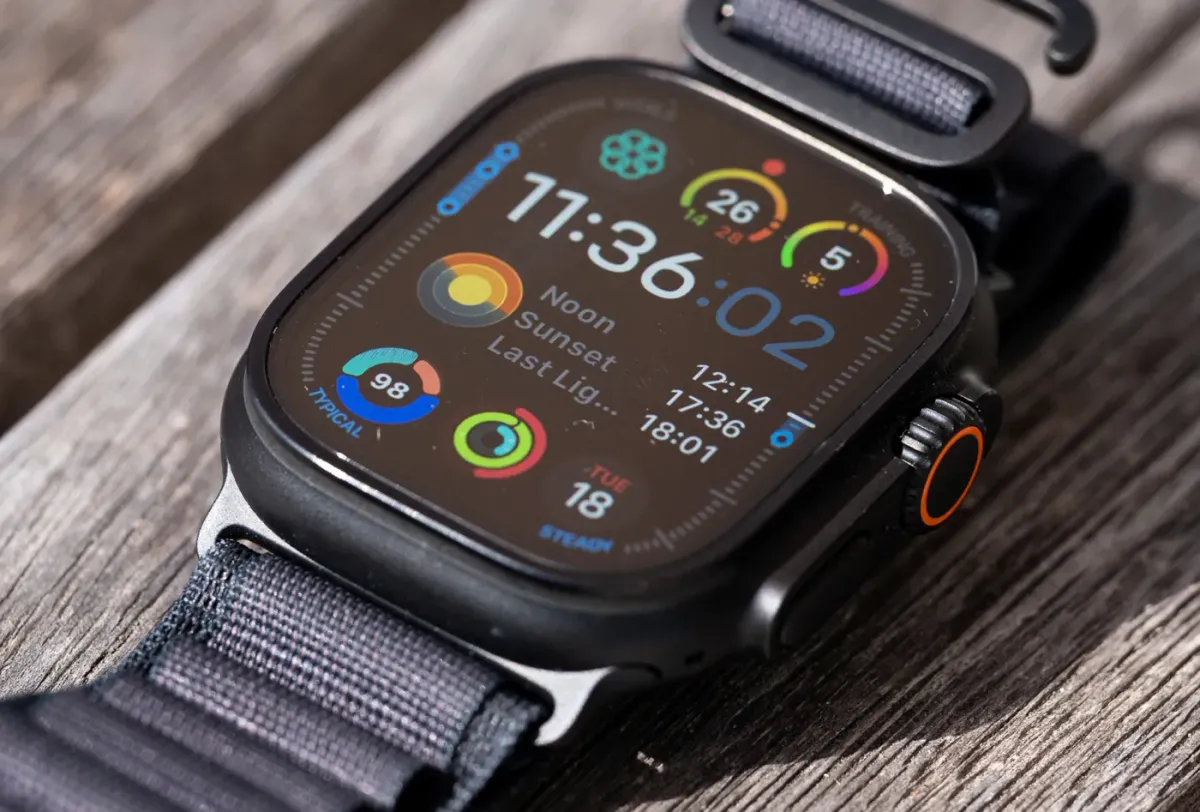
My verdict
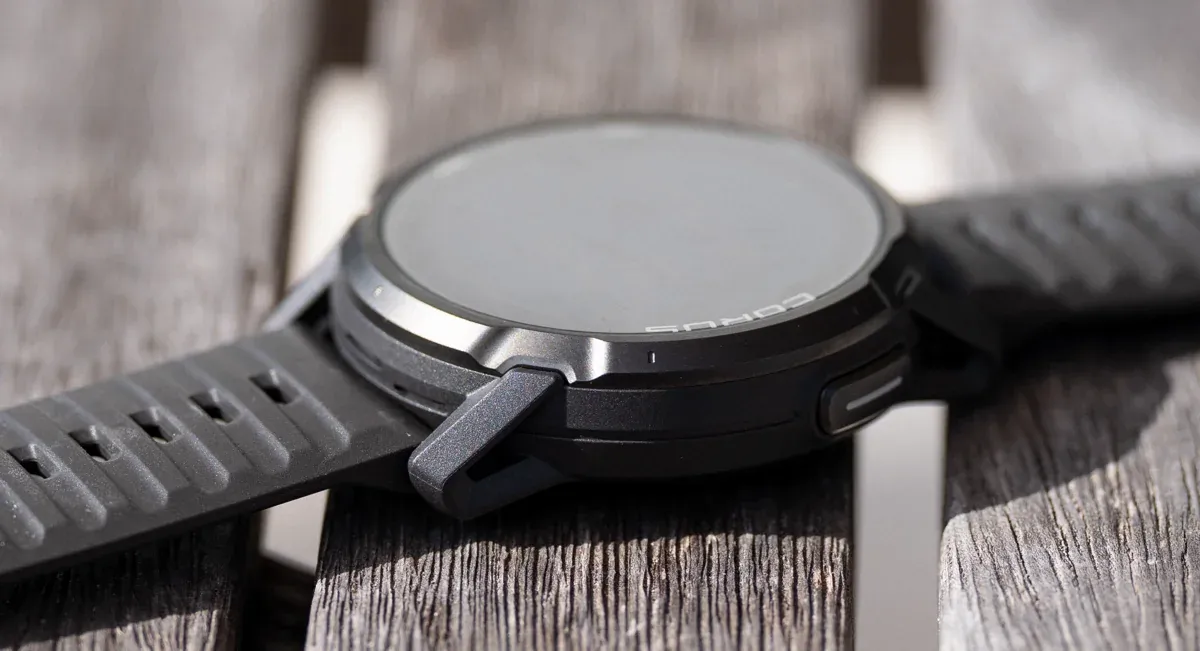
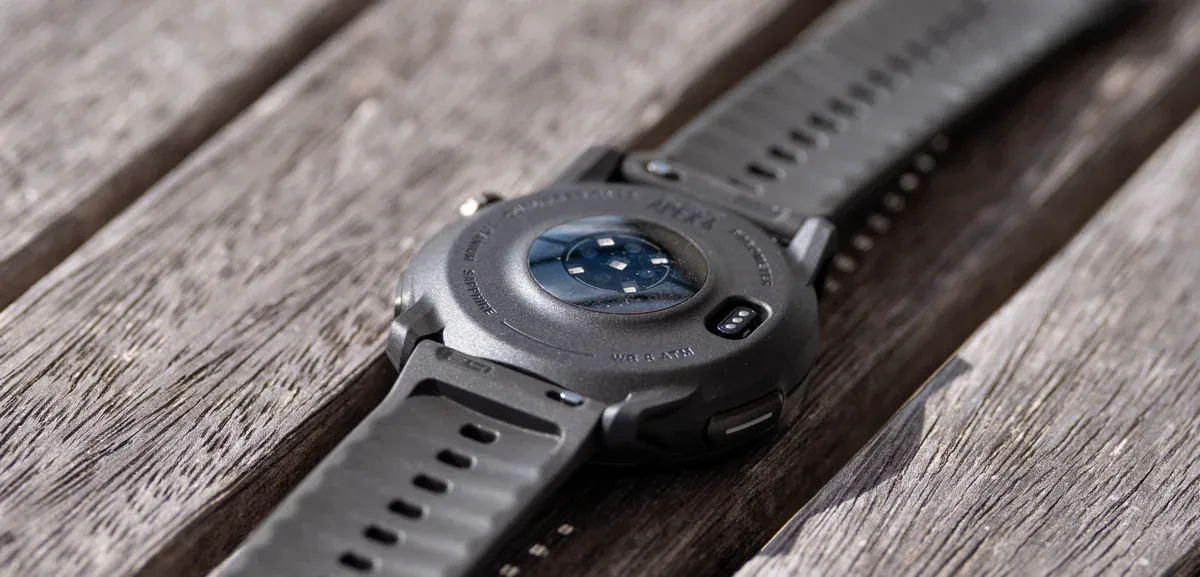
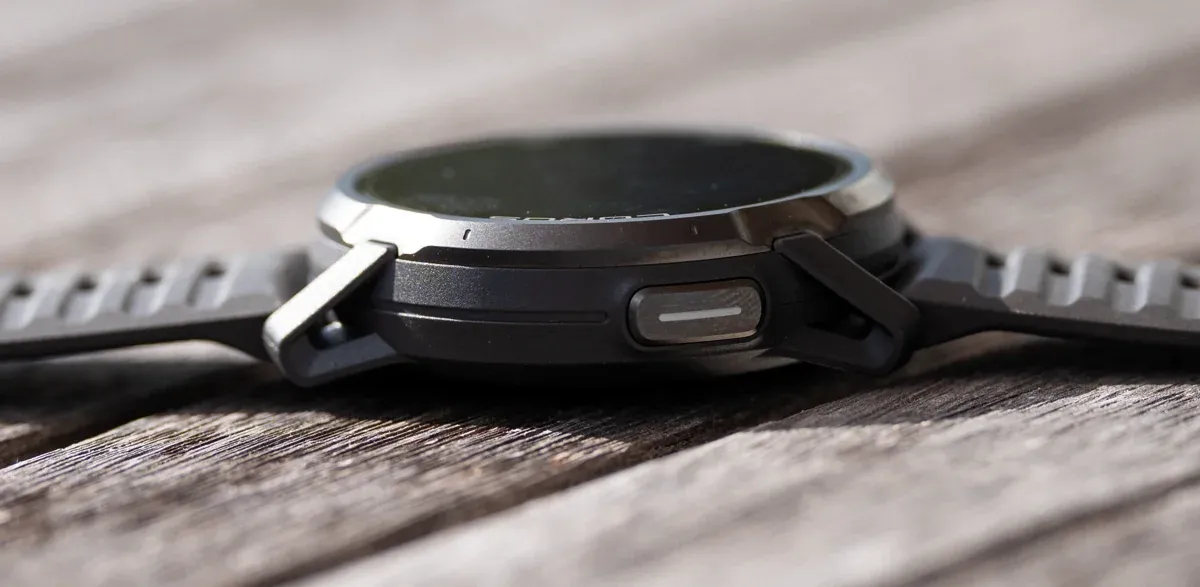
The COROS APEX 4 feels like a watch for runners (mostly trail enthusiasts, as otherwise you should probably go for the PACE 4 - review coming soon) who train outside a lot and want the basics nailed: battery, accuracy, navigation, and training tools that are easy to act on.
The APEX 4 is not trying to entertain you, it’s more focused on quietly do its job every day, in the background, while you get the work done.
If your running watch priorities are basically accuracy + battery + maps, it’s a really easy one to get along with.
Written by

Subscribe to new posts
reviews, training tips, and thoughtful stories for runners






Member discussion