


A shoe that feels "plush" under a 150lb runner can feel flat, unstable, or completely dead under someone who weighs 200+ lbs. Foam compresses faster, outsoles wear quicker, and stability becomes a totally different conversation.
I've tested every shoe on this list, and I know exactly what to look for when recommending shoes for bigger runners: foam that doesn't bottom out, platforms that stay stable under load, outsoles that actually last, and enough room to accommodate feet that swell and spread over longer runs.
Whether you're training for your first 5K or an experienced runner who just happens to carry more weight, these are the shoes I'd point you towards right now, organised by category so you can find exactly what you need.
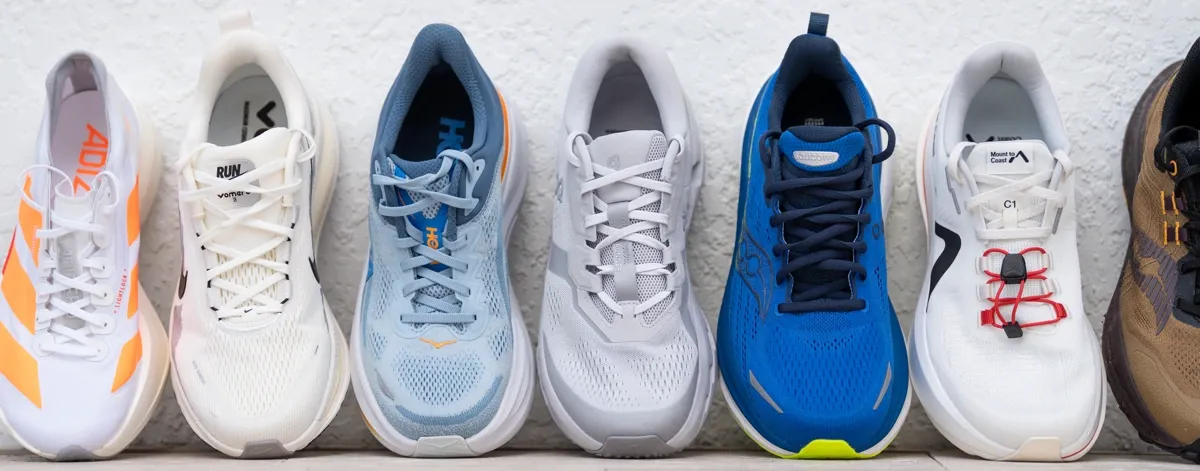
5 things to look for in a running shoe if you're a heavier runner
- Foam quality over foam volume. A tall stack of cheap EVA will compress and bottom out fast under a heavier runner. Premium midsole foams, like nitrogen-infused compounds, supercritical foams, or expanded PU-based materials, recover better between strides and hold their cushioning over hundreds of miles.
- Platform width and stability. Heavier runners put more lateral force through the midsole. A narrow platform can feel wobbly, especially late in a run. Look for shoes with a broad base and raised sidewalls.
- Outsole durability. Heavier runners chew through outsoles faster. Shoes with exposed midsole foam on the bottom will show wear within weeks. Prioritise generous rubber coverage.
- Fit and volume. Feet swell during runs, more so for bigger runners. Roomy toe boxes and wide-fit options aren't a luxury; they're practical.
- Stability vs neutral. If you overpronate, you'll benefit from a stability shoe, and I've flagged which picks offer guided support. But plenty of heavier runners do fine in neutral shoes with a wide, stable platform.
For road runners
HOKA Bondi 9 — best for maximum cushioning and walking
 Alastair Dixon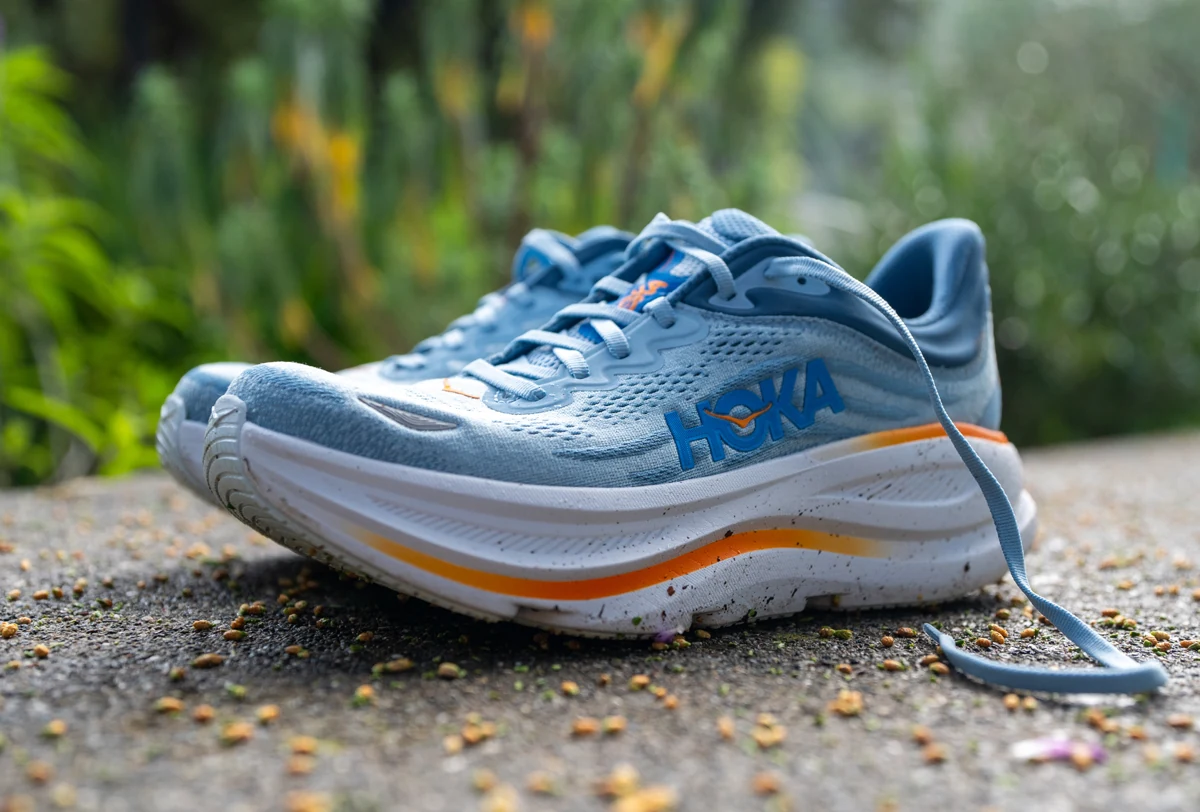
Price: $170 | Weight: 10.9 oz (309g) | Drop: 5mm | Support: Neutral
The Bondi 9 is max-cushion royalty. That supercritical EVA foam delivers soft landings without the over-compressed sensation you get in some plush shoes, which is key for heavier runners who need foam that recovers between strides rather than pancaking under load. The MetaRocker geometry rolls you from heel to toe with minimal effort, especially helpful late in runs when form breaks down.
I was surprised how stable it stays despite the tall stack. The raised midsole sidewalls cradle the foot well, and the 3D molded collar feels secure around the ankle. There's decent volume in the toe box too. At just under 11 oz you feel the weight when you try to pick up the pace, but for easy miles, recovery, walking, or standing all day, the Bondi 9 is a proven choice for bigger runners.
Best for: Easy runs, recovery, walking, all-day wear. Skip if you want pace versatility or a lower-profile feel.
Nike Vomero 18 — best for a smooth, cloud-like easy ride
 Alastair Dixon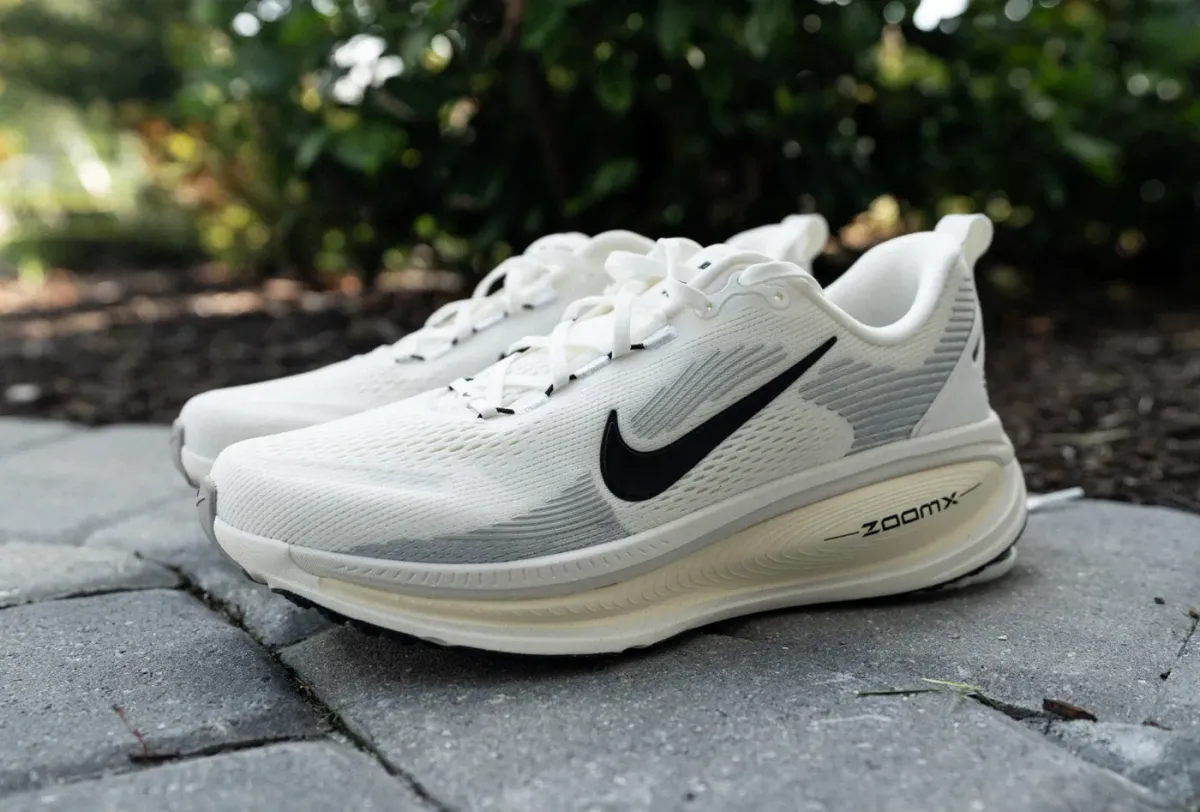
Price: $155 | Weight: 10.9 oz (309g) | Drop: 10mm (46mm heel / 36mm forefoot) | Support: Neutral
The Vomero 18 literally feels like running on clouds, and I don't use that lightly. The ZoomX-on-ReactX midsole is soft from front to back, and what makes it stand out is how balanced it feels: the ReactX base keeps things stable while ZoomX provides the forgiving softness. A lot of max-cushion shoes go too far into mushy territory; this one doesn't.
I've mainly been using it for recovery runs and long, easy miles, and that's where it shines. The rocker geometry smooths out transitions nicely when legs are tired. The fit is true to size with a surprisingly roomy toe box for a Nike, plush collar and tongue, and no pressure points. The upper does run warm though. At 10.9 oz it's heavy on paper, but doesn't feel heavy in motion. The wide platform adds confidence on uneven pavement.
Best for: Recovery runs, long easy miles, walking. Skip if you want speed or run in hot climates.
Saucony Ride 19 — best versatile daily trainer
 Alastair Dixon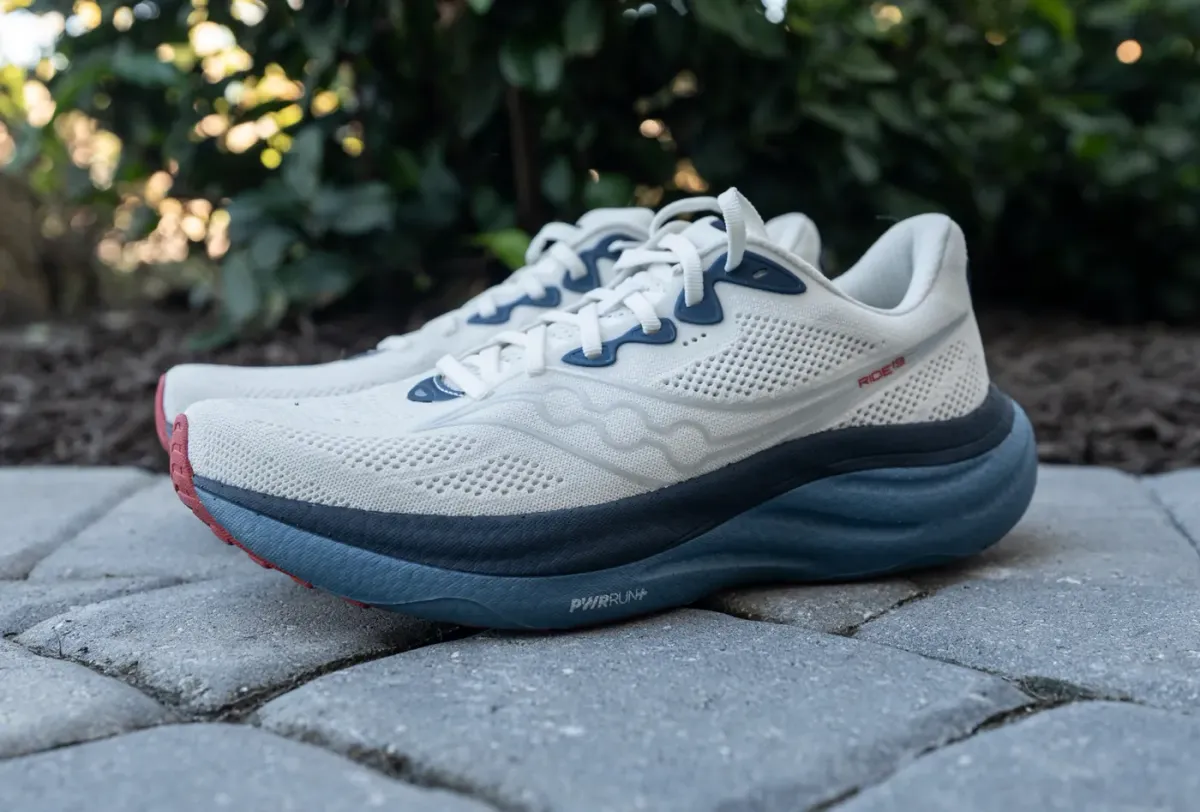
Price: $140 | Weight: 8.9 oz (252g) | Drop: 8mm (36mm heel / 28mm forefoot) | Support: Neutral
The Ride 19 shifts toward a softer, smoother ride that makes it even better suited for heavier runners. The reformulated SCF PWRRUN+ cushioning feels more forgiving while keeping that balanced, do-it-all character this line is known for. Transitions roll naturally thanks to increased forefoot flexibility, and at 8.9 oz, it stays nimble.
The wider platform keeps the ride composed with the softer foam, no loose or wobbly feel. The new deeper heel cradle holds the foot more securely than the Ride 18 without feeling restrictive. At $140, it's the best-value daily trainer on this list and an easy pick for heavier runners who want one reliable shoe for everyday miles.
Best for: Daily training, moderate distances. Skip if you need maximum cushioning for joint protection or ultra-soft landings.

Saucony Hurricane 25 — best max-cushion stability shoe for overpronators
 Alastair Dixon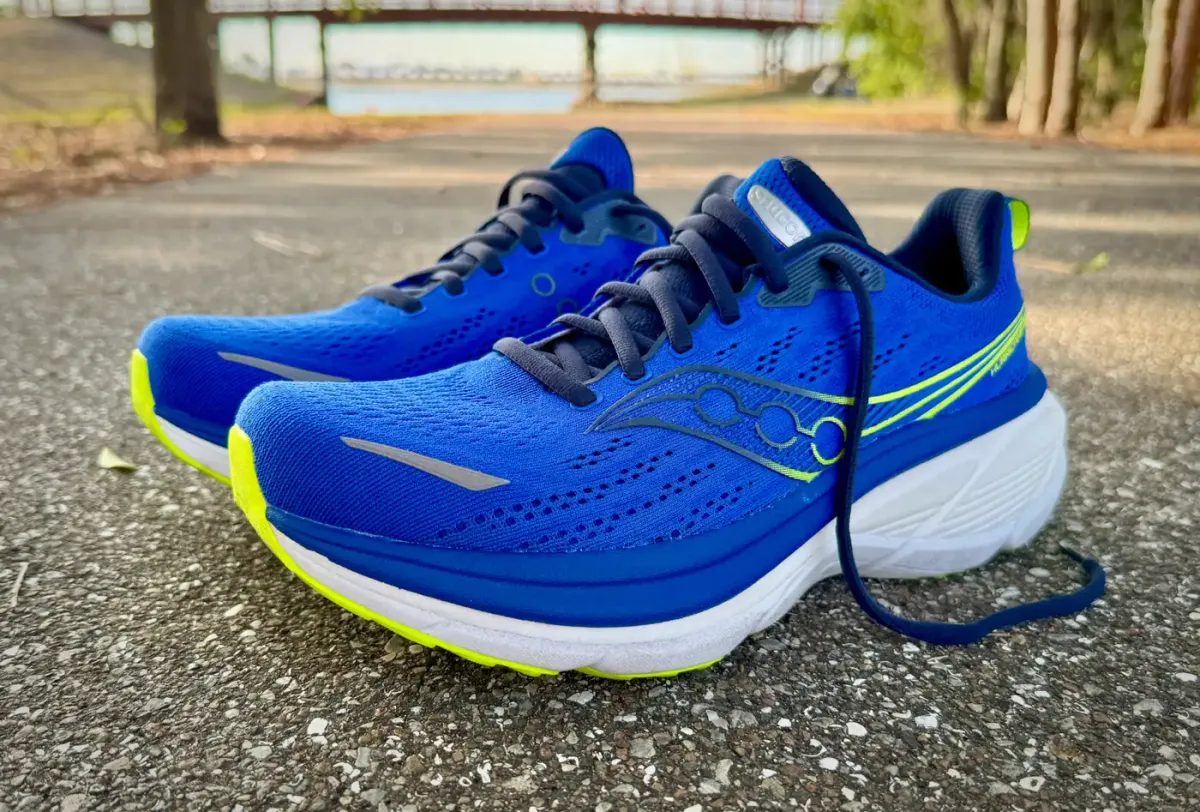
Price: $160 | Weight: 10.5 oz (298g) | Drop: 6mm (38mm heel / 32mm forefoot) | Support: Stability
The Hurricane 25 delivers a much more refined ride than the 24. The dual-foam midsole (PWRRUN PB and PWRRUN) gives more bounce with each step while maintaining the stable base that builds confidence during longer runs when form gets loose. Saucony's redesigned CenterPath Technology doesn't push you around; it gently nudges your gait into alignment in a way that feels intuitive rather than forced.
The outsole upgrade to XT-900 carbon rubber fixes the durability issue from the 24, and weight has been reduced, making the ride snappier. The upper wraps more naturally but breathability is still limited on warmer days. For heavier runners who overpronate, this is the most complete stability option available right now.
Best for: Daily training, long runs. Heavier overpronators who need robust support with premium cushioning. Skip if you're a neutral runner or prefer lighter shoes.
On Cloudrunner 3 — best stability daily trainer for beginners
 Alastair Dixon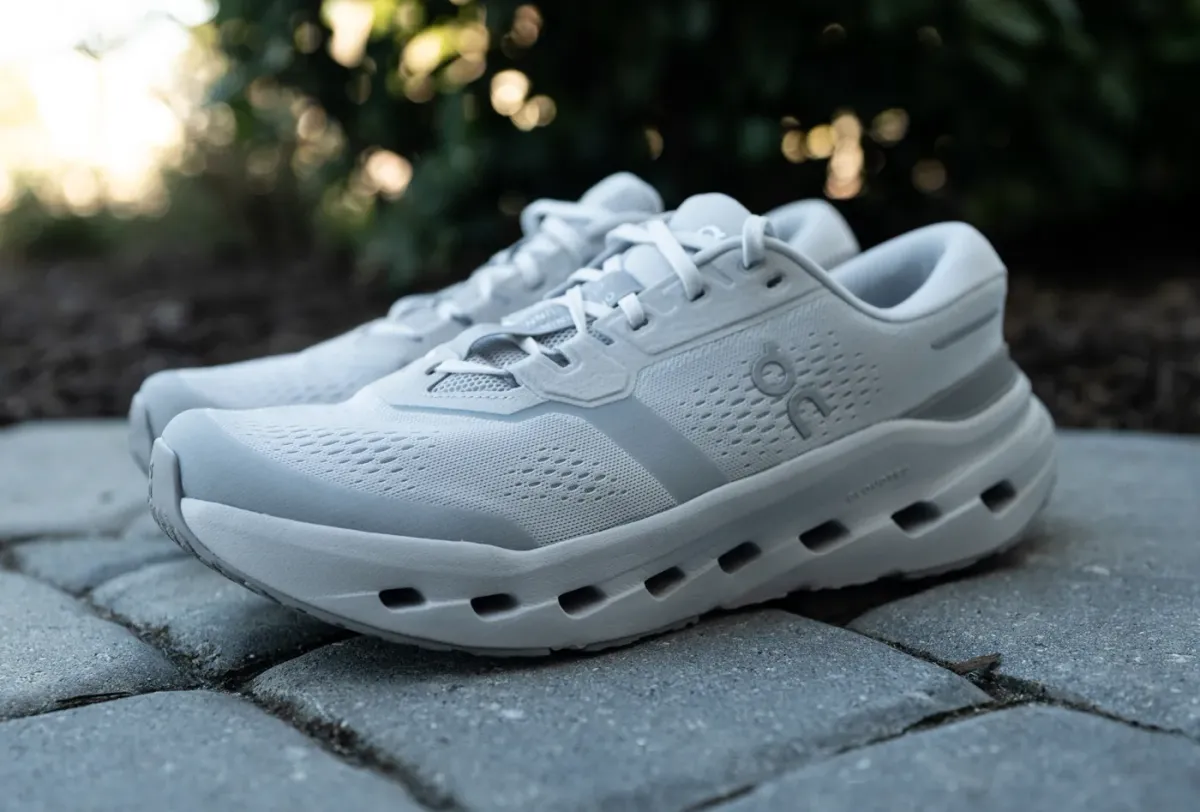
Price: $160 | Weight: 10.4 oz (295g) | Drop: 7mm | Support: Stability
The biggest improvement over the Cloudrunner 2 is simple: it's softer underfoot, and that makes it a much better shoe overall. There's less of a sense of being aware of the shoe and more of that effortless ride where you feel you can just keep running.
The stability is the calm, planted kind, not the pushy, corrective kind. The reworked outsole geometry feels more supportive underfoot, and heel support is more intentional, especially when you're tired late in a run. Step-in comfort is immediate, and the fit is accommodating.
It's not a speed shoe, but for beginner-friendly daily training, consistent easy miles, and heavier runners who need a reliable, supportive platform to build confidence with, the Cloudrunner 3 does its job extremely well.
Best for: Daily training, recovery, beginners. Heavier runners who want soft cushioning with calm stability. Skip if you want speed or a nimble platform.
HOKA Mach X 3 — best for heavier runners who want to train with pace
 Alastair Dixon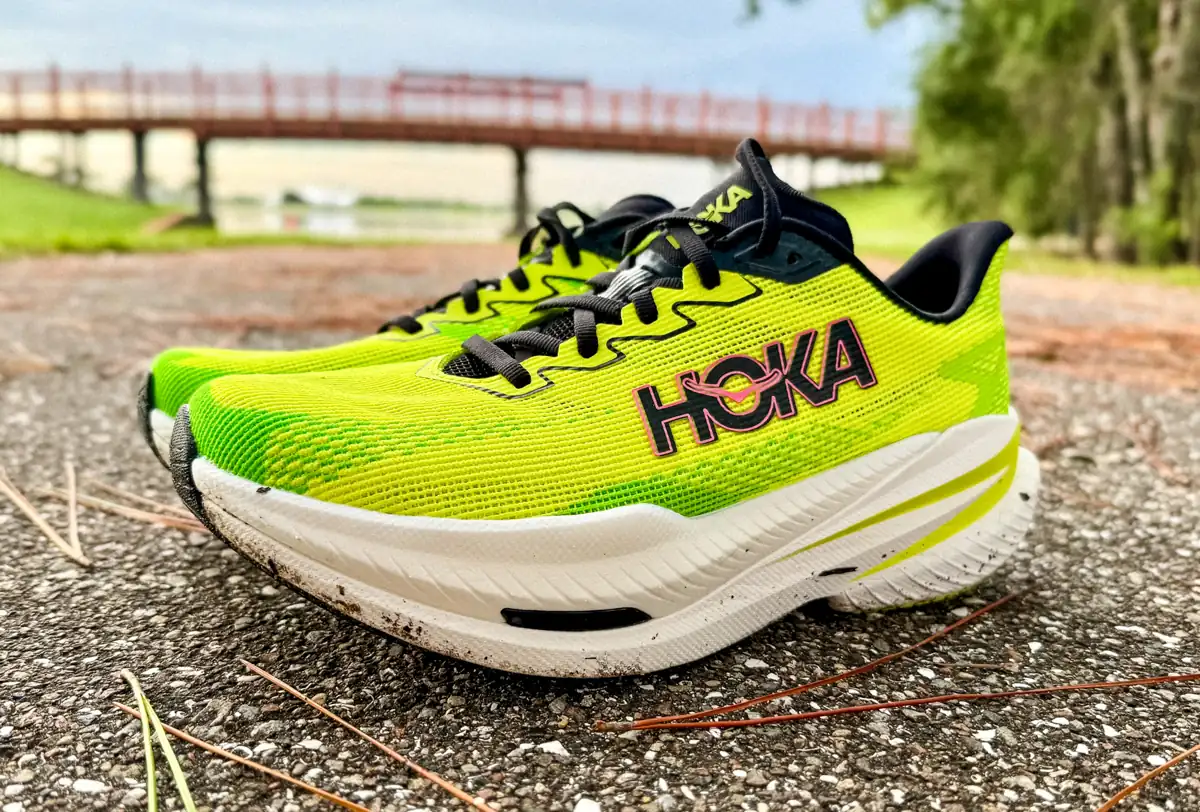
Price: $190 | Weight: 9.5 oz (269g) | Drop: 5mm | Support: Neutral
Not every heavier runner wants to plod along in a max-cushion slab. The Mach X 3 combines a PEBA top layer with an EVA base and a Pebax plate for buttery-smooth transitions at tempo pace. For a high-stack tempo trainer (over 40mm at the heel), it feels remarkably stable, which matters a lot for heavier runners. The plate and midsole geometry keep it planted even when cornering.
Even at recovery paces, the cushioning and geometry keep things enjoyable. The collar padding has improved over version 2, and the breathable warp knit mesh keeps things cool. The toe box is snug and low-volume though. If I could only have a single HOKA road shoe, this would be it.
Best for: Tempo runs, intervals, long runs with pace. Skip if you exclusively run easy or have wider feet.
Saucony Endorphin Speed 5 — best lower-stack tempo shoe for light-footed heavier runners
 Alastair Dixon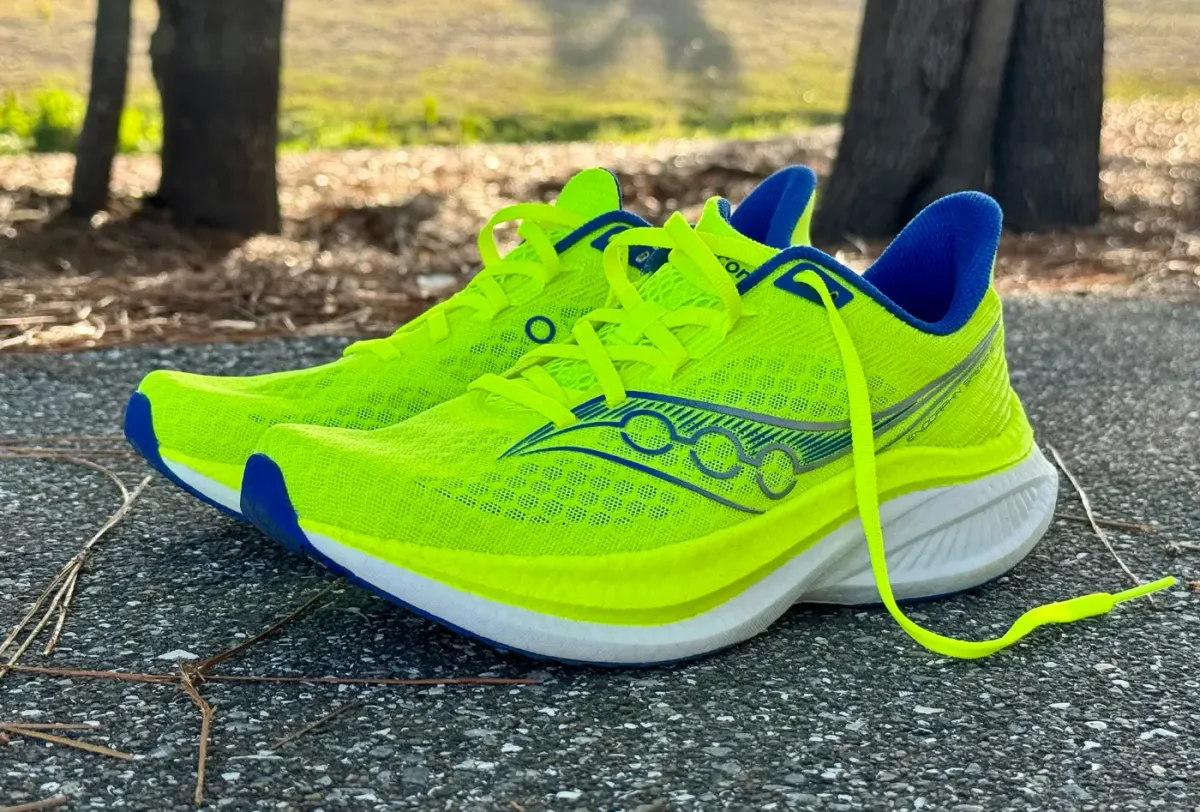
Price: $170 | Weight: 8.6 oz (244g) | Drop: 8mm (36mm heel / 28mm forefoot) | Support: Neutral
The Speed 5 is for heavier runners with a quicker cadence and efficient form. The PWRRUN PB foam and SPEEDROLL geometry deliver a light, energetic ride that wants to move. The winged nylon plate gives enough torsional rigidity for pop on toe-off without feeling awkward at slower paces.
The fit is true to size with a refined upper and the squared-off toe box gives just enough room up front. At 8.6 oz, it's the lightest training shoe on this list. This isn't for every heavier runner: if you're a rearfoot striker who needs max cushioning, look elsewhere. But for bigger runners with good form who want a shoe that rewards picking up the pace, the Speed 5 is hard to beat.
Best for: Tempo runs, intervals, faster daily training. Skip if you heel strike, need max cushioning, or want a wide platform.
Mount To Coast C1 — best versatile super trainer
 Alastair Dixon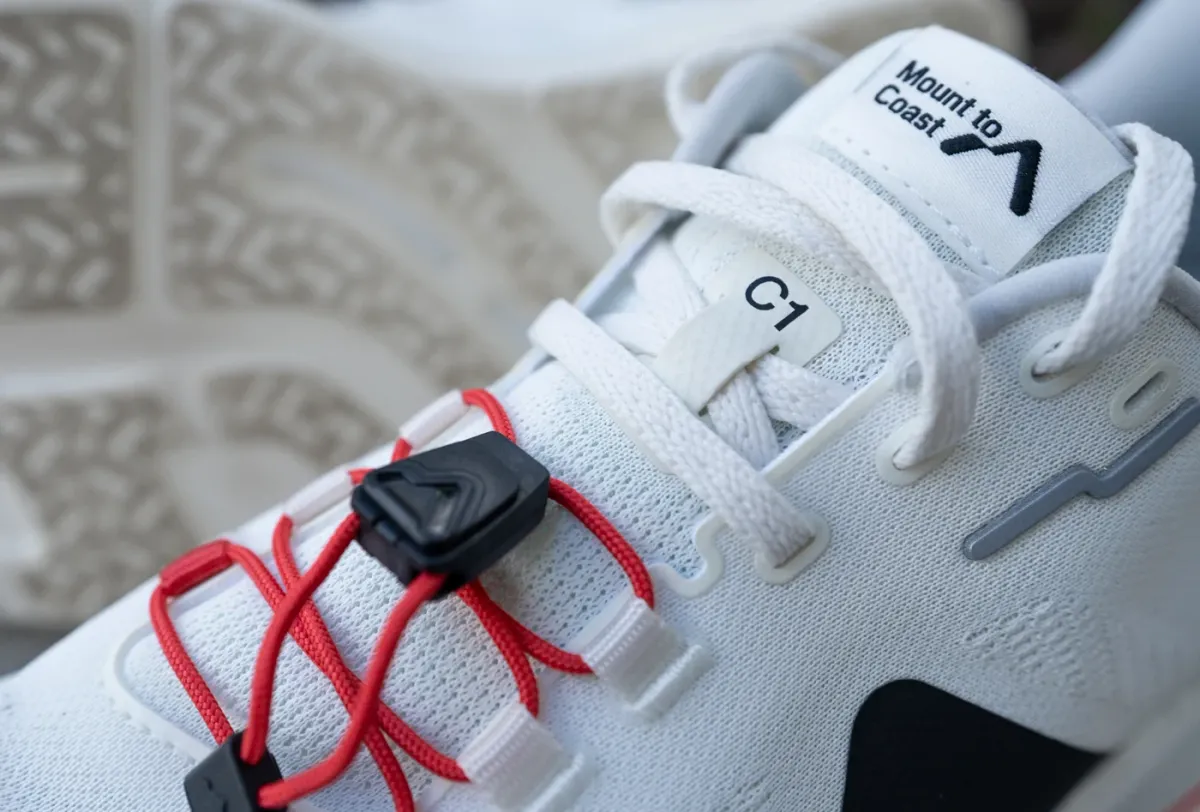
Price: $180 (available April)| Weight: 9.3oz / 264g | Drop: 6mm | Stack: 42mm | Support: Neutral (with inherent stability)
The C1 is one of the most convincing non-plated super trainers I've run in recently. The CircleCELL midsole is lively and flexible (no plate), with smooth rocker geometry, a roomy forefoot, and just enough built-in stability to make long road miles feel easier. It doesn't force you into one lane: it can cruise easy miles, carry steady efforts, and stretch into marathon-pace work without complaint.
The wider base, higher sidewalls, and platform shape create moderate stability that really helps on the run. There's enough guidance to stay aligned on longer efforts without that corrective sensation. The midsole doesn't bottom out, traction is great, and durability looks excellent so far. At $180, the long-term value could be one of the C1's biggest strengths.
Best for: Daily training, long runs, marathon-pace work. Skip if you want a pure speed shoe or max-cushion recovery slab.
Adidas Adizero Adios Pro 4 — best race day shoe
 Alastair Dixon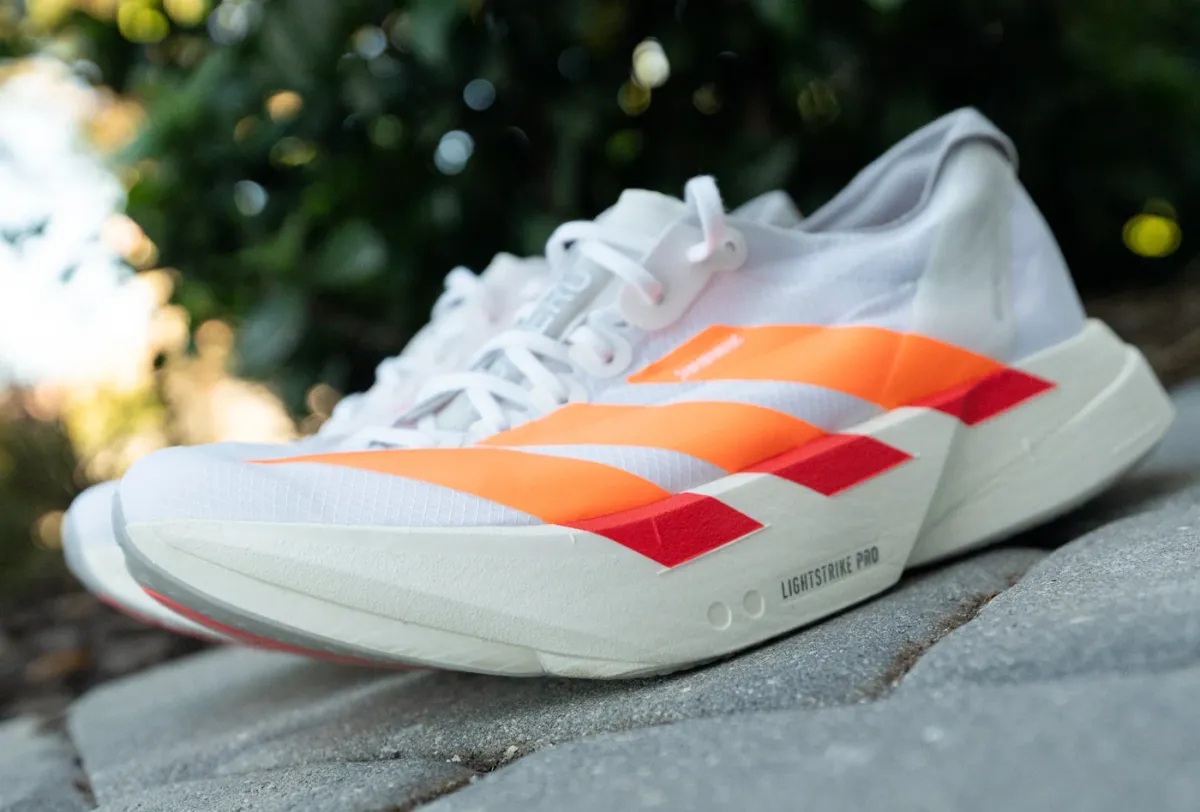
Price: $250 | Weight: 7 oz (198g) | Drop: 6mm (39mm heel / 33mm forefoot) | Support: Neutral
The Adios Pro 4 is a race-day tool that rewards efficient running. The Lightstrike Pro midsole with ENERGYRODS 2.0 feels properly cushioned without draining the responsiveness; there's real softness underfoot, but the foam compresses, gives a little, then rebounds quickly and cleanly. That matters over longer distances where some super shoes start feeling harsh once your legs tire.
At 7 oz, it's featherweight. The geometry, foam, and rods all work together most effectively once you're pushing the pace and rolling forward with intent, making it ideal for midfoot and forefoot strikers especially. The fit is race-day snug with strong heel lockdown. The toe box tapers, so consider half a size up for marathon use.
This isn't a forgiving everyday shoe. It's built for race efforts from 5K to marathon, and heavier runners with efficient form who want a proper super shoe will find it delivers serious propulsion without compromising stability.
Best for: Race day, 5K to marathon. Skip if you're a rearfoot striker or want something forgiving for daily training.
For hybrid runners (road and trail)
Mount To Coast H1 — best for road-to-trail running
 Alastair Dixon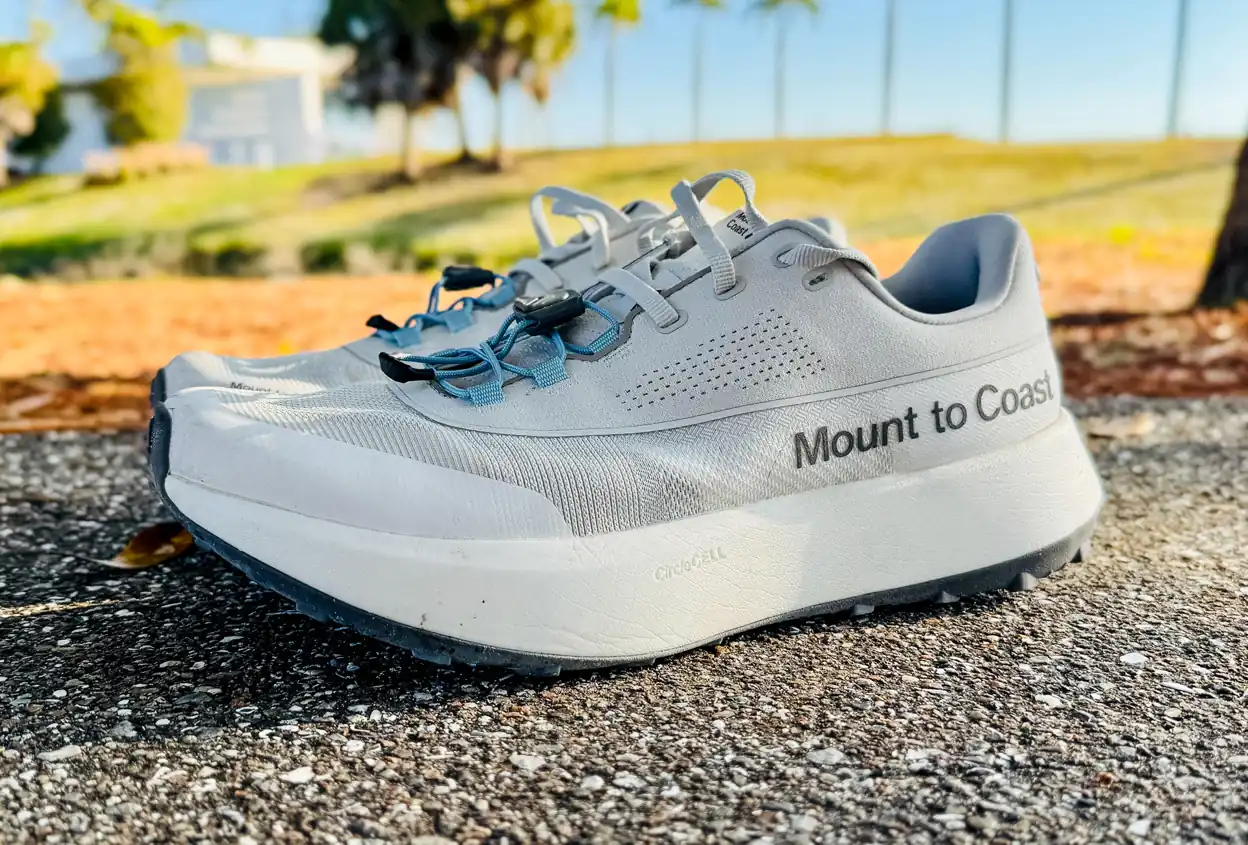
Price: $160 | Weight: 8.6 oz (244g) | Drop: ~6mm | Support: Neutral (with moderate stability)
The H1 is built for the real-world mix many of us run: pavement, bike paths, gravel connectors, forest roads, and the occasional stretch of light singletrack. On pavement it feels like a nimble, lightweight trainer, and at 8.6 oz it never feels like a clunky trail shoe pretending to be a road shoe.
The CircleCELL midsole provides energy return and firmness without being harsh, and the VersaGrip outsole compound is genuinely impressive for a shoe with 2mm lugs. Grip on both wet and dry pavement is excellent. Moderate stability is subtle, providing enough guidance on uneven gravel without feeling intrusive. The fit is true to size with a roomy toe box, though the midfoot is narrower and more sculpted.
It's not built for full-gas intervals, technical descents, or muddy trails. But for mixed-surface daily running, the H1 delivers a modern, energetic ride that feels like a proper road trainer with trail capability built in.
Best for: Mixed-surface daily running, light trails. Skip if you need aggressive traction or a dedicated trail shoe.
For trail runners
Saucony Xodus Ultra 4 — best for all-mountain trail running
 Alastair Dixon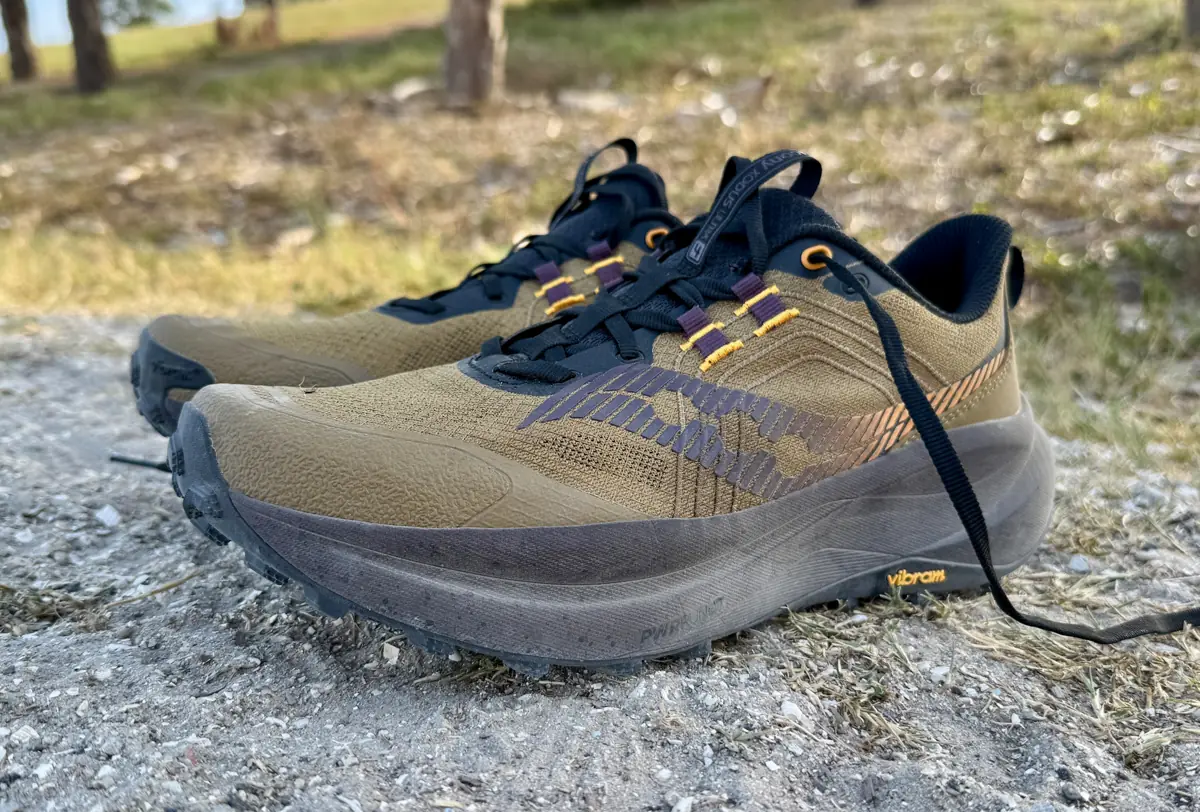
Price: $170 | Weight: 10.7oz (303g) | Drop: 4mm | Support: Neutral (with PWRRUN frame stability)
The Xodus Ultra 4 is a true all-mountain workhorse. The PWRRUN PB midsole paired with the PWRRUN frame strikes a rare balance: energy return and protection without any of the softness that dulls ground feel in ultra-distance shoes. The frame brings stability, and the PWRRUN+ sockliner adds a nice touch of plushness right where you need it. No hot spots, no bottoming out; it's one of those shoes you can forget about while you're running, even on an ultramarathon.
Traction is solid across the board thanks to the Vibram Megagrip outsole. The 4mm lugs bite well into dry loose dirt, and I feel confident scrambling up steep rocky, sandy, gravel trails. The fit is true to size with precise midfoot and heel lockdown.
It's more about grinding out distance than chasing PRs, but for heavier runners tackling trail ultras, big mountain days, or just wanting a dedicated trail shoe that handles their weight without complaint, the Xodus Ultra 4 is the best there is.
Best for: All-mountain trail running, ultra distances. Skip if you need road versatility or a lightweight racing trail shoe.
Quick comparison
| Shoe | Price | Weight (US M9) | Drop | Support | Category |
|---|---|---|---|---|---|
| HOKA Bondi 9 | $170 | 10.9 oz | 5mm | Neutral | Max-cushion / recovery |
| Nike Vomero 18 | $155 | 10.9 oz | 10mm | Neutral | Max-cushion / recovery |
| Saucony Ride 19 | $140 | 8.9 oz | 8mm | Neutral | Daily trainer |
| Saucony Hurricane 25 | $160 | 10.5 oz | 6mm | Stability | Stability daily |
| On Cloudrunner 3 | ~$160 | 10.4 oz | ~7mm | Stability | Stability daily |
| HOKA Mach X 3 | $190 | 9.5 oz | 5mm | Neutral | Tempo / speed |
| Saucony Endorphin Speed 5 | $170 | 8.6 oz | 8mm | Neutral | Tempo / speed |
| Mount To Coast C1 | $180 | 9.3 oz | ~6mm | Neutral+ | Super trainer |
| Adidas Adios Pro 4 | $250 | 7 oz | 6mm | Neutral | Race day |
| Mount To Coast H1 | ~$160 | 8.6 oz | ~6mm | Neutral+ | Road-to-trail |
| Saucony Xodus Ultra 4 | $170 | 10.7 oz | 4mm | Neutral+ | Trail |
How I tested and chose these shoes
Every shoe in this roundup has been tested fully on my runs. I evaluate ride feel, transitions, pace range, cushioning character, stability, traction, upper comfort and lockdown, and durability.
For this roundup, I paid extra attention to how each shoe's foam holds up under sustained load, how stable the platform feels through a full run, and whether the outsole shows premature wear.
This isn't a list of the "softest" shoes I could find; it's a list of shoes that genuinely serve heavier runners well across different needs, budgets, and terrains. If you still have any questions, feel free to ask me in the comments, I reply to everyone.
Frequently asked questions
Do heavier runners need different shoes?
Not categorically different, but you need to pay closer attention to foam quality, platform stability, and outsole durability. A shoe that works brilliantly for a 130 lb runner might bottom out or wear through the outsole in half the expected mileage under someone who weighs 200+ lbs. These are things I try my best to highlight in my reviews
Should heavy runners use stability shoes?
Only if you actually overpronate. Being heavier doesn't automatically mean you need stability. Plenty of bigger runners do great in neutral shoes with a wide, stable platform. If you're unsure, ask me in the comments, visit a running shop for a gait analysis, or start with a well-built neutral shoe and see how it feels.
How often should heavier runners replace their shoes?
Foam degrades faster under more bodyweight. While the general guideline is 300–500 miles, heavier runners should lean toward the lower end and pay attention to how the shoe feels rather than just tracking mileage.
Are max-cushioned shoes always better for heavy runners?
Not always. More foam isn't automatically better if it's low-quality foam that compresses permanently. A well-made daily trainer with moderate cushioning (like the Saucony Ride 19) can outperform a tall-stack shoe with cheap foam. Focus on foam quality, not just foam quantity.


