


I’ve been using the Apple Watch Ultra 3 for a couple of months now, putting it through road runs, trail outings, long weekend efforts, pool swims, and everyday wear.
It’s the kind of watch that handles a huge range of tasks well: workout tracking, health monitoring, notifications, music, apps, payments, and satellite messaging when you’re out of range.
It’s a solid evolution from the Ultra 2, with a brighter screen, improved battery, advanced health features, and proper satellite connectivity.
As an all-round smartwatch for active iPhone users, it’s hard to fault but for dedicated running, especially long endurance or data-heavy training, it’s very capable but still sits behind the specialist running watch brands, in a few key areas.
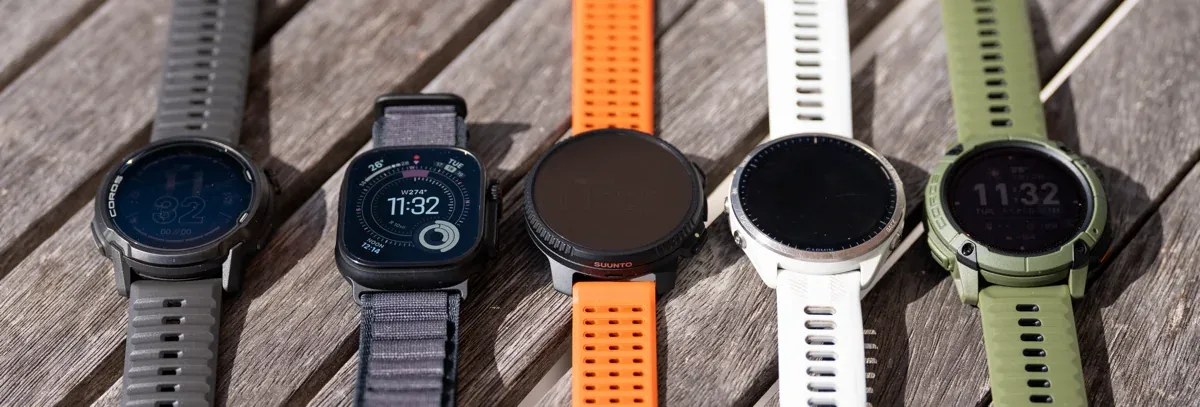
If you want one device that covers training, daily life, safety, and health seamlessly, this is a strong contender. If ultra-long battery, advanced analytics, or rich native navigation are priorities, Garmin, Suunto, or Coros watches remain the go-to.
Key Specifications
- Price: $799 at Amazon.com
- Case dimensions: 49mm aerospace-grade titanium (recycled content), weight: 61g (watch only)
- Display: 1.92″ LTPO3 OLED Retina, up to 3,000 nits, sapphire crystal
- Resistance: WR100 (recreational diving to 40m), IP6X dust-proof
- Battery (claimed): Up to 42 hours normal use, 72 hours Low Power Mode, 14 hours outdoor workout with GPS/HR, 35 hours in Low Power workout mode
- GPS: Precision dual-frequency (L1 + L5)
- Connectivity: Cellular (5G), Wi-Fi, Bluetooth, satellite SOS/messaging
- Health/Safety: Hypertension alerts, sleep apnea notifications, ECG, blood oxygen, Vitals app, temperature sensing, siren (86dB), crash/fall detection
Performance Review
Build, Comfort, and Daily Wear
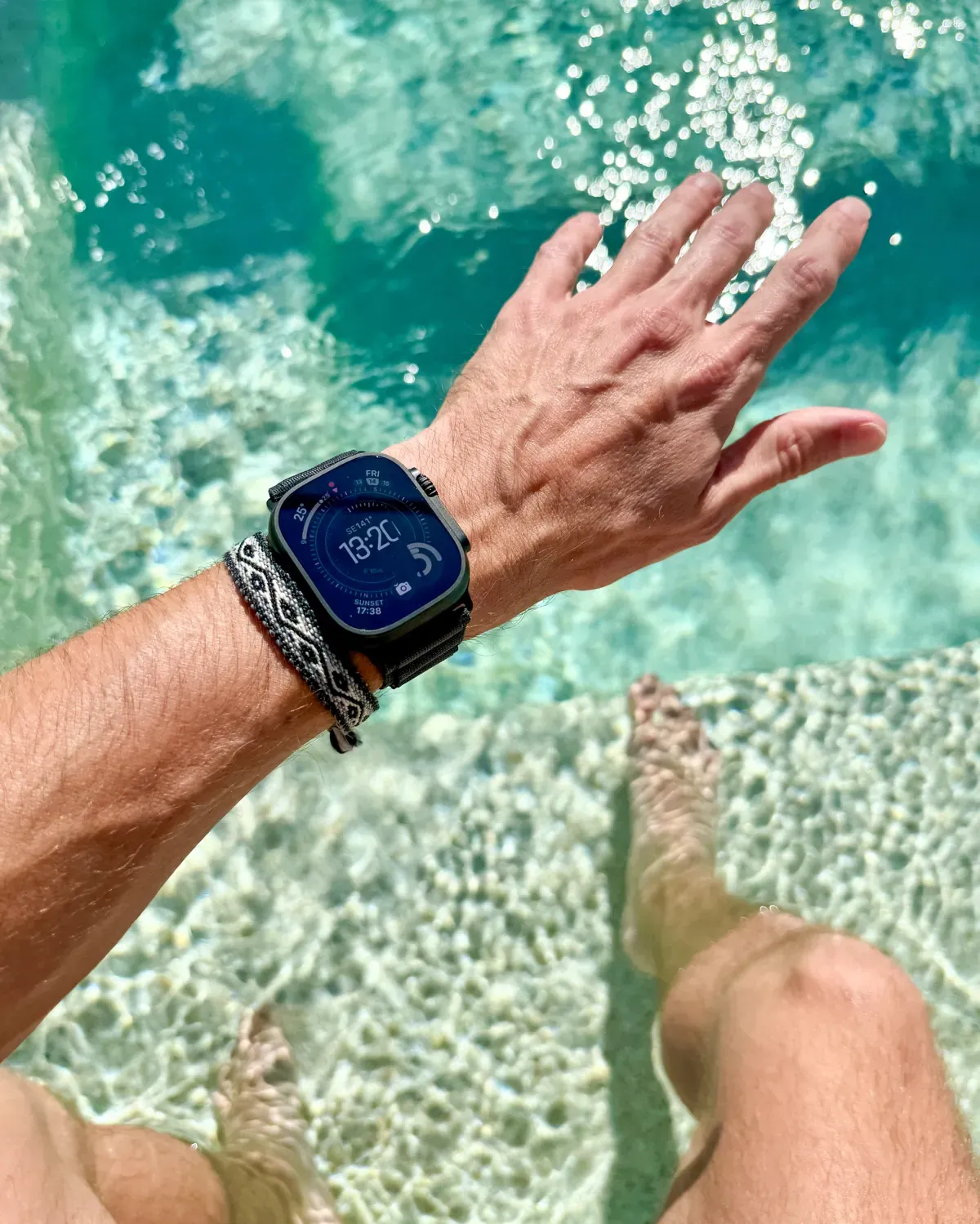
The Watch Ultra 3 keeps the rugged tool-watch design I like: a flat sapphire display, knurled crown, and titanium case that is durable for everyday knocks but my black model has a few edge scuffs already probably due to how it was coated black.
At 61g plus band, it’s substantial but wearable once adjusted.
The Sport Loop ($50) is lightest and most breathable for running, with the most secure fit that will give you the most accurate heart rate readings on the run.

I went with the Alpine Loop as I like how it looks for daily life, though replacements are pricey at $100. I may buy a Sport Loop for running at some point, although I'm in no rush to pay an extra $50 for the pleasure.
It’s more noticeable than slimmer watches during sleep tracking, but comfortable for most medium to large wrists.
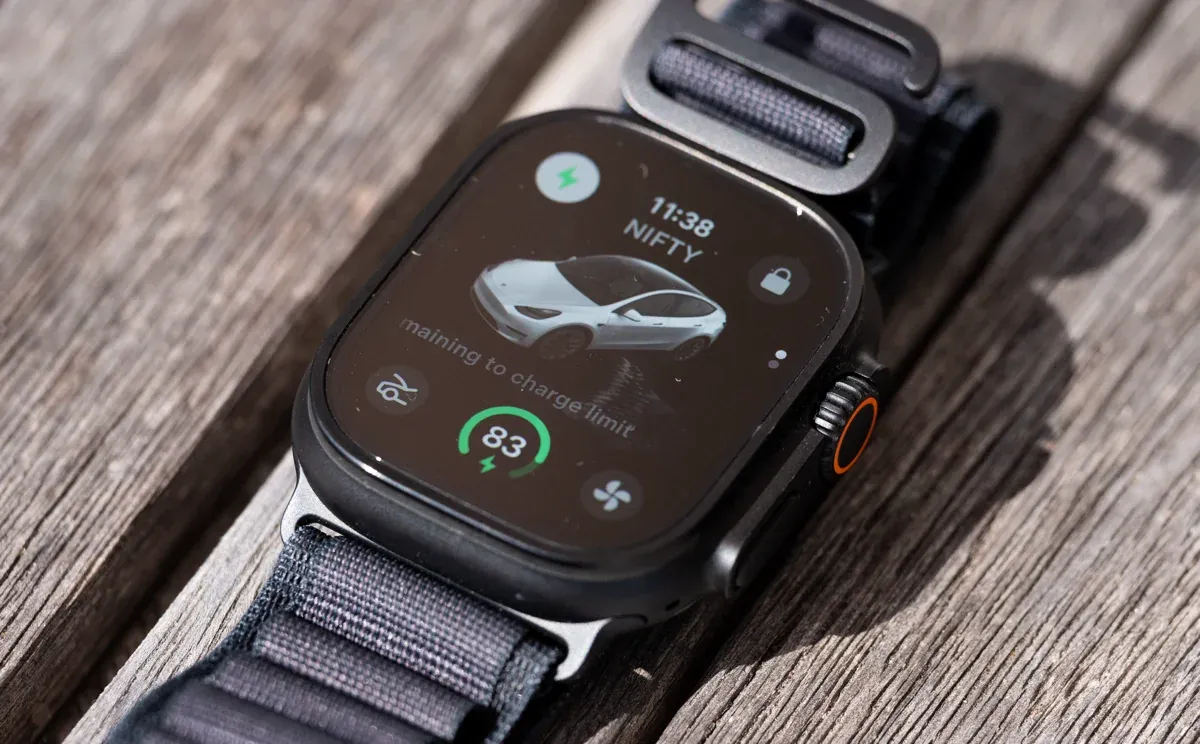
It integrates nicely with hardware like Tonal 2 or my Tesla, and auto-lap works well for swimming, even in smaller pools.
 Alastair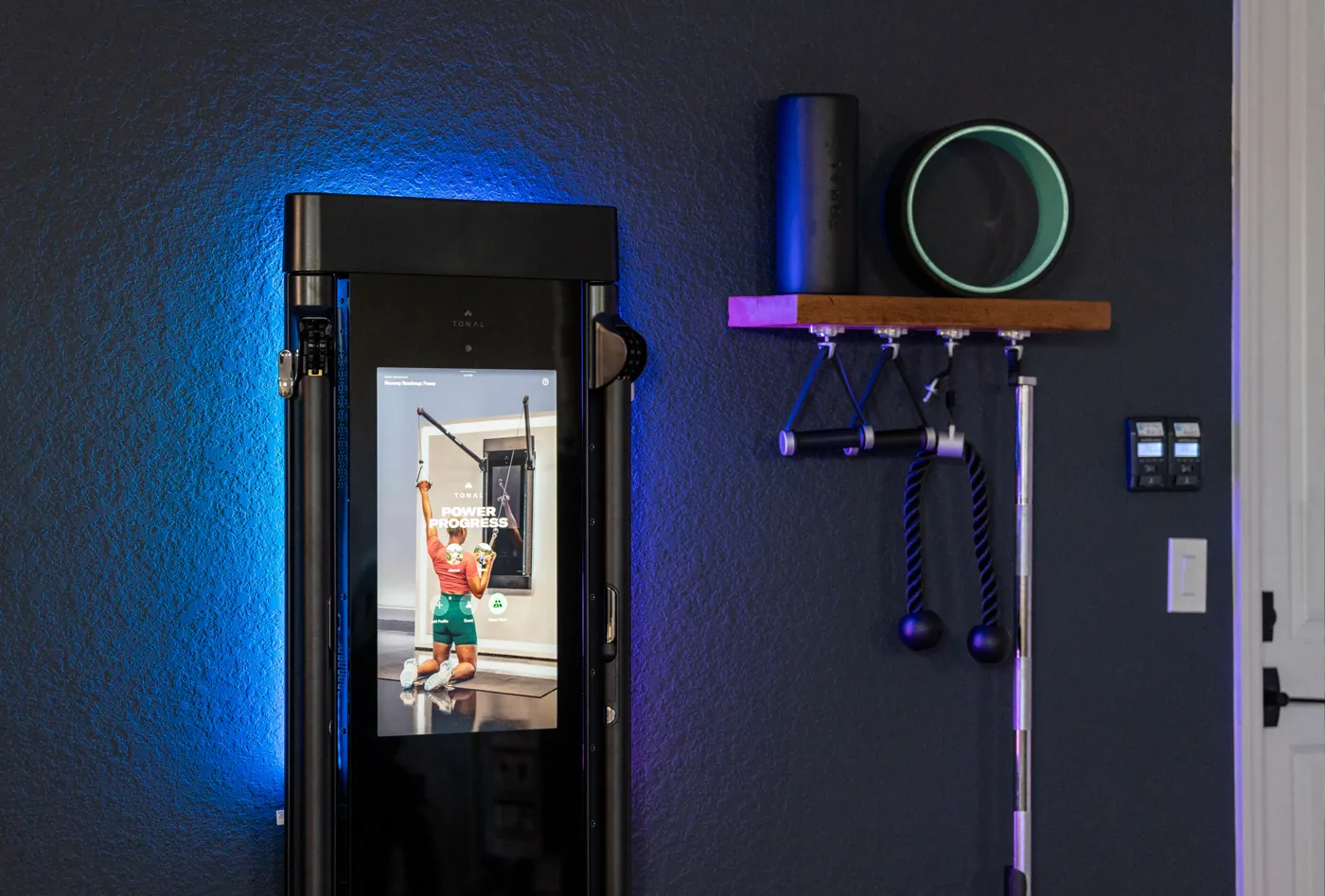
Display and Interaction
The 3,000-nit wide-angle OLED is excellent.
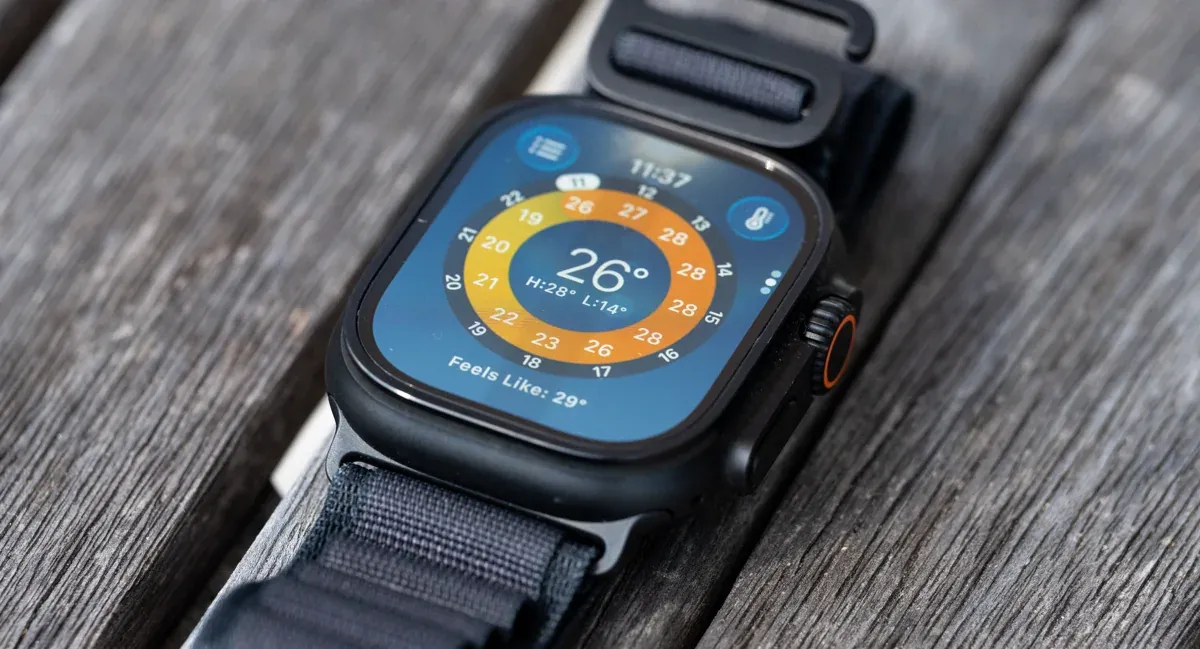
It's highly readable in bright sun, rain, or quick mid-run glances.
Custom faces with complications (pace, HR, load, weather) keep essentials visible.

WatchOS is responsive, with Action Button (the orange one on the side) customization; mine starts/stops workouts.
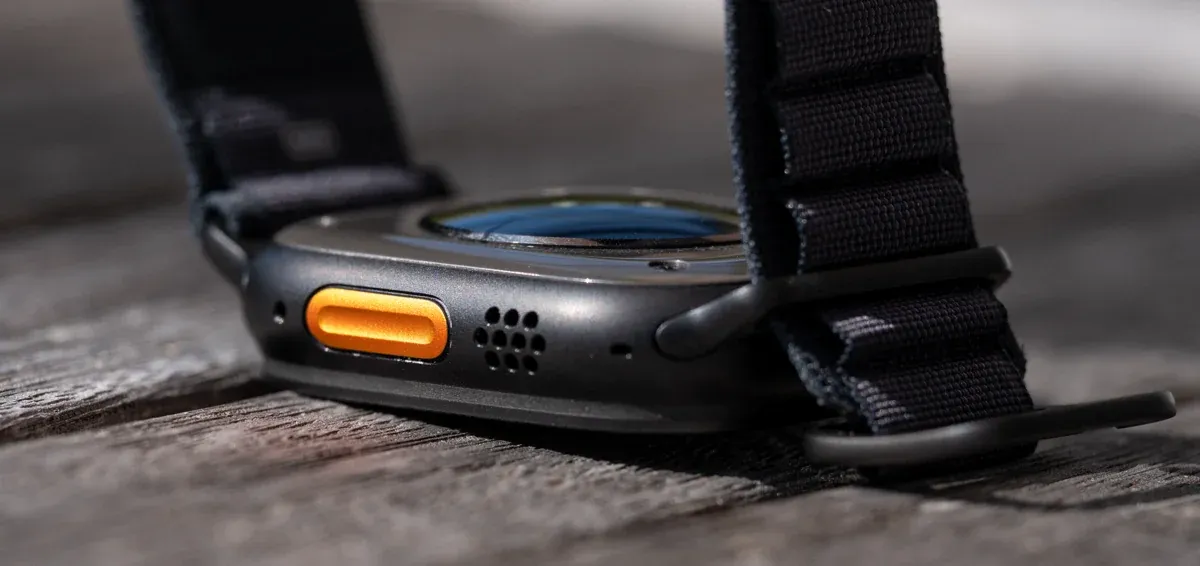
Double-tap gestures and Siri add convenience. It prioritizes broad versatility over the stripped-down focus of pure sports watches.
Battery Life and Charging
Real-world battery is noticeably better than the previous model:
- 1.5–2 days with always-on display, notifications, workouts, and sleep tracking.
- Low Power Mode extends to 2–3 days conservatively.
- GPS workouts: ~14 hours full power, 35 hours low-power mode.
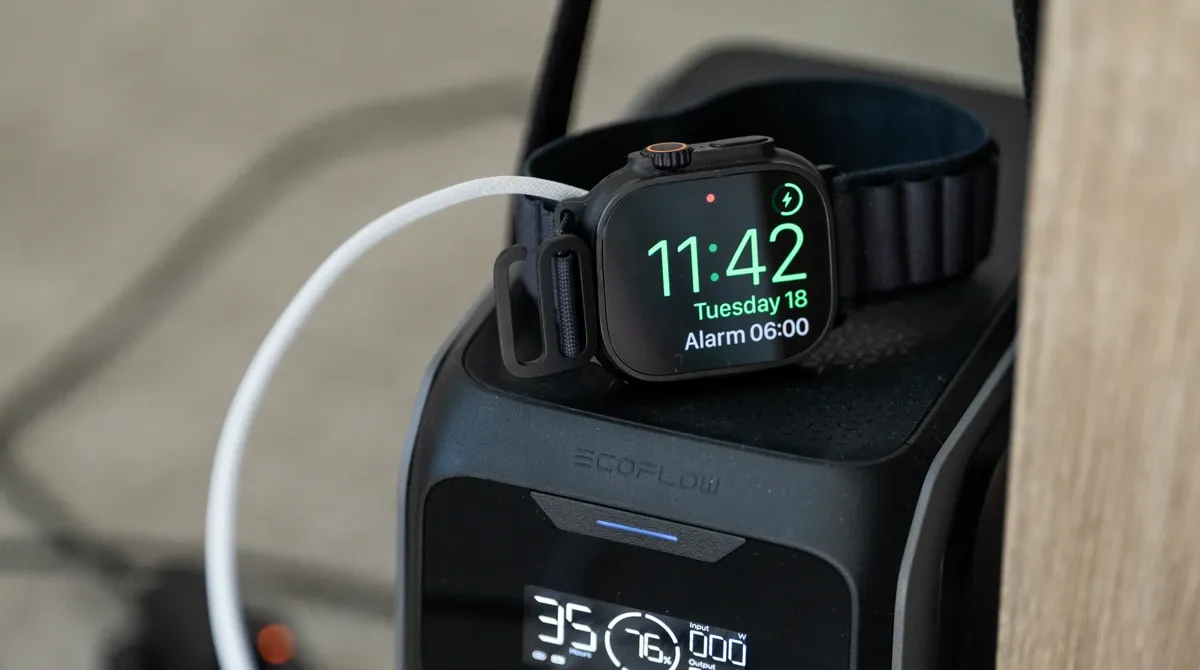
Fast charging (0–80% in ~45 minutes) makes quick top-ups easy.
Still not multi-day ultra level like some dedicated watches, but a big improvement for smartwatch use.
Running and Training Features
Dual-frequency GPS locks quickly and accurately, even under trees or in cities.
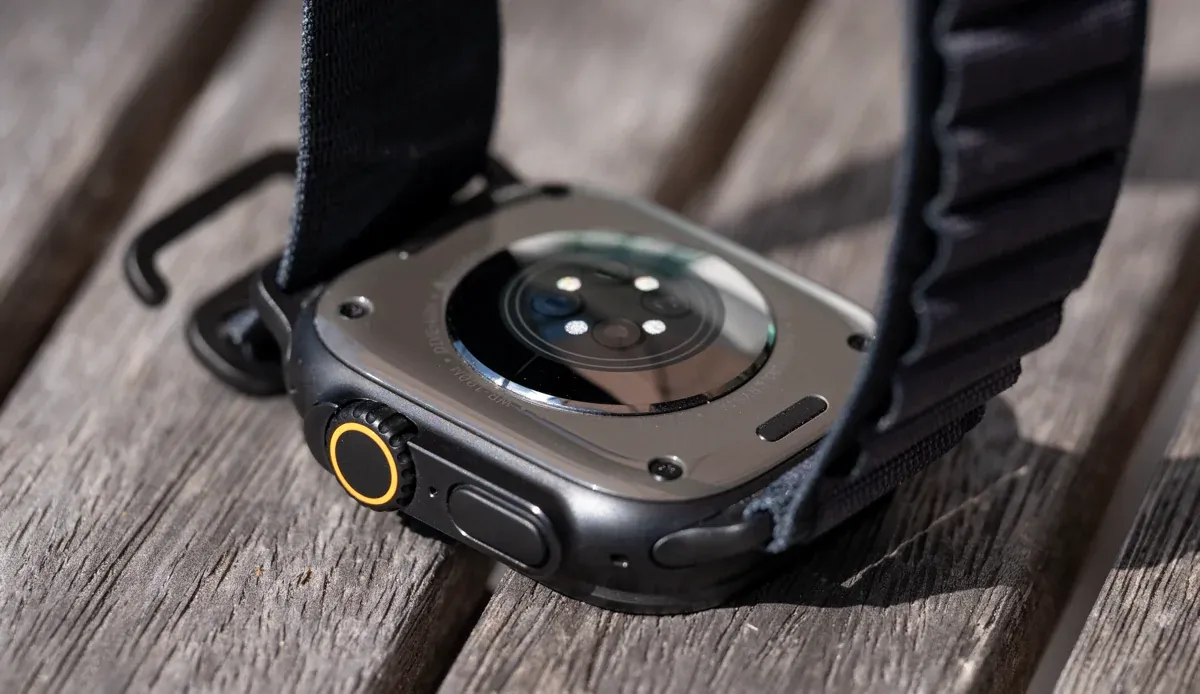
Optical HR performs reliably for steady efforts but can lag slightly on sharp intervals unless fitted snug, which is where that Sport Loop comes in.
Built-in tools like Custom Workouts, training load, zones, and auto-track detection support structured sessions well.
Health depth stands out with hypertension alerts, sleep apnea notifications, Vitals app, ECG, temperature sensing all being more comprehensive than most running watches.
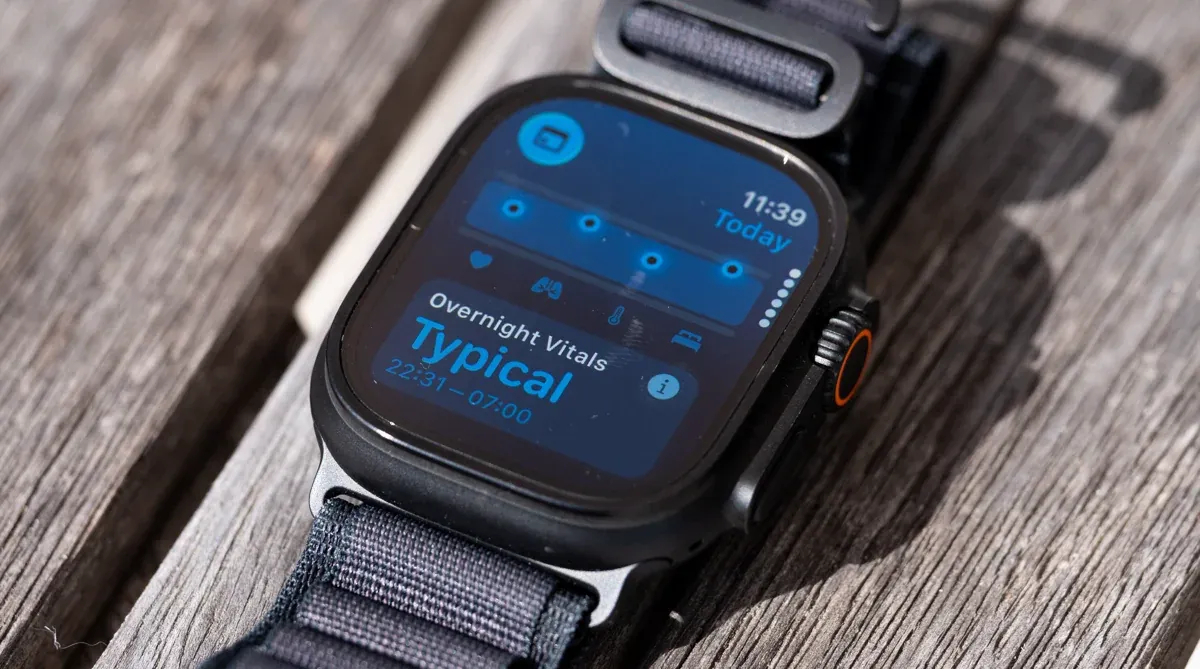
Workout Buddy offers voice motivation which can be a useful nudge if you're into that (I'm not), and third-party apps fill gaps very effectively.
For serious runners, however, it provides much less advanced coaching/readiness data than Garmin/COROS, with no native full route-following in the Workout app.
You'll need to run the Compass app or other workout apps like WorkOutDoors in order to follow routes effectively.
Navigation and Safety
Offline maps with turn-by-turn, Backtrack, and waypoints help when exploring.
Satellite SOS/messaging provides real off-grid peace of mind (text-only, location sharing), and 'siren', 'crash/fall detection', 'Check In' boost safety, making it strong for solo efforts, though trail/topo detail lags behind specialized watches.
My Verdict
The Apple Watch Ultra 3 is the best all-round smartwatch for iPhone users with active lifestyles. It's rugged, has great safety features, is very health-focused, and comes with meaningful upgrades.
It handles running pretty well (accurate tracking, polished tools, seamless ecosystem), making it an easy recommendation if you want one watch for training, daily life, work, and emergencies.
For ultra-long battery, advanced analytics, or rich native navigation on big endurance days, dedicated watches from Garmin, COROS, or Suunto still lead the way - by a long way!
If versatility and integration matter most, the Watch Ultra 3 delivers convincingly.
If you have any questions about the Watch Ultra 3, just ask me in the comments below and I'll be happy to help you out! Oh and if you haven't already, go subscribe to my YouTube Channel for my video reviews. -Alastair


